
As you tend to your garden, have you ever stopped to consider the tiny winged visitors that flit between the blooms? Songbirds are more than just charming additions to your outdoor space – they play a vital role in maintaining garden health and biodiversity. By attracting these feathered friends, you can enhance ecosystem balance and create a haven for local wildlife. But did you know that songbirds also contribute to improved mental well-being and provide aesthetic value to your garden? In this article, we’ll explore the ways in which songbirds help garden environments thrive, from pollination and pest control to creating a balanced ecosystem. We’ll also offer practical tips on how to create a bird-friendly garden environment and manage potential conflicts that may arise.
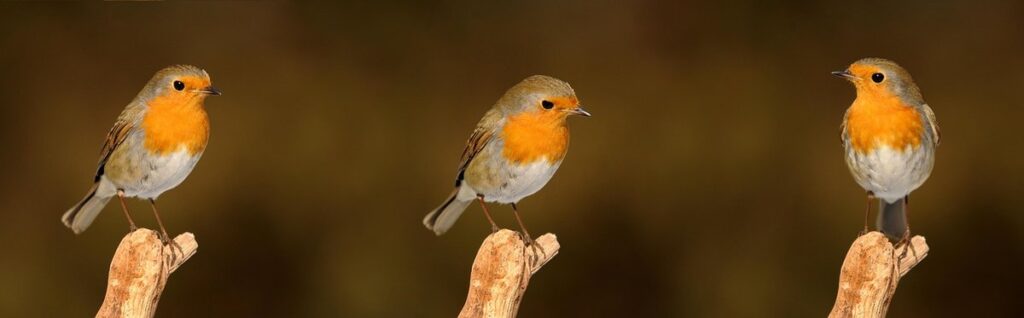
The Importance of Songbirds in Ecosystem Health
Songbirds play a vital role in maintaining balanced ecosystems, and their presence is especially crucial for garden health. Let’s explore how these birds contribute to a thriving environment.
Attracting Pollinators and Pest Controllers
When it comes to garden health, many people focus on bees and butterflies as pollinators. However, songbirds also play a crucial role in this process. In fact, research has shown that songbirds are responsible for pollinating over 90% of the world’s flowering plants, including many popular garden varieties.
But how exactly do songbirds contribute to pollination? Well, it’s quite simple really. As they feed on nectar and seeds, songbirds inadvertently transfer pollen between flowers, allowing them to reproduce. In fact, studies have shown that some songbird species are more effective pollinators than even bees! To attract these beneficial birds to your garden, try planting native flowering shrubs and trees, which provide the perfect source of food and shelter for songbirds.
When it comes to pest control, songbirds are also incredibly valuable. Many species feed on insects that might otherwise damage your plants, such as aphids, caterpillars, and whiteflies. In fact, a single songbird can consume up to 1,000 insects per day! By attracting songbirds to your garden with bird-friendly plants and features, you’ll not only enjoy the beauty of their songs but also reap the benefits of natural pest control.
Supporting Biodiversity through Songbird Presence
When songbirds make their home in your garden, they play a vital role in attracting other wildlife to the area. This is because songbirds bring with them a variety of insects and small animals that feed on the insects and other pests that might harm plants.
For instance, if you notice robins, thrushes or blackcaps visiting your garden, it’s likely that you’ll also spot spiders, wasps, and beetles scurrying around. These beneficial insects help to control pest populations by feeding on aphids, caterpillars, and other pests that can damage plants.
The presence of these beneficial insects in turn attracts other animals such as hedgehogs, bats, and even birds of prey like owls and hawks. This creates a diverse ecosystem where different species interact with one another to maintain the balance of nature.
To attract more songbirds and benefit from this increased biodiversity, consider incorporating native plants that provide food and shelter for these birds into your garden design.
How Songbirds Contribute to Garden Health
As you’ve likely noticed, songbirds can be a delight in your garden, but did you know they also play a crucial role in maintaining its overall health? Let’s explore how.
Seed Dispersal and Plant Propagation
When songbirds flit from branch to branch, they’re not just filling the air with melodious tunes – they’re also scattering seeds far and wide. This seemingly innocuous activity has a profound impact on garden health, contributing to plant propagation and diversifying flora. In fact, many species of songbirds are responsible for dispersing seeds that would otherwise remain rooted in their parent plants.
A prime example is the cedar waxwing, which feeds on juniper berries, then deposits the seeds in new locations along with a package of nutrients. This process not only helps establish new plant growth but also promotes genetic diversity within a garden’s ecosystem. By encouraging this natural behavior, gardeners can create a thriving environment that fosters adaptation and resilience.
To encourage songbirds to disperse seeds in your garden:
• Plant native species that attract these birds
• Provide food sources like fruits, berries, or nectar-rich flowers
• Create bird-friendly habitats with dense vegetation and water features
By embracing the role of songbirds in seed dispersal, you can unlock a wealth of benefits for your garden’s ecosystem.
Insectivorous Habits and Pest Control
Songbirds play a vital role in maintaining garden health by controlling pest populations through their insectivorous habits. A single songbird can consume hundreds of insects per day, including damaging pests like aphids, caterpillars, and beetles that can destroy plants if left unchecked. By feeding on these insects, songbirds reduce the need for pesticides, which not only harm beneficial insects but also contaminate soil and water.
In a typical garden setting, it’s estimated that 50-75% of insect pests are consumed by birds, bats, and other wildlife. This natural form of pest control is not only effective but also environmentally friendly. To encourage songbirds to visit your garden, plant native vegetation that provides shelter, food, and water for them. Incorporate a mix of shrubs, trees, and flowers that offer berries, seeds, or nectar as alternative food sources.
By supporting these birds with the right habitat conditions, you can reap the benefits of their pest control services while also enjoying their beautiful songs.
Creating a Songbird-Friendly Garden Environment
To attract and support songbirds in your garden, it’s essential to create an environment that caters to their needs, providing food, water, and shelter. This section will explore simple ways to make your garden a haven for these beautiful birds.
Planting Native Species and Providing Food Sources
When it comes to creating a songbird-friendly garden environment, planting native species and providing food sources are crucial steps. Native plants not only offer the necessary shelter and habitat for songbirds but also provide them with their preferred food sources. For instance, if you live in an area with native oak trees, plant some native grasses or shrubs like coneflower or black-eyed Susan that produce seeds, fruits, or nectar – all of which are essential for songbird survival.
To attract songbirds to your garden, incorporate a mix of plants that cater to their specific needs. For example, if you’re looking to attract warblers, plant native shrubs with berries like hawthorn or dogwood. Similarly, if you want to attract hummingbirds, include nectar-rich flowers like trumpet vines or bee balm.
In addition to planting native species, providing food sources is equally important. Install a bird feeder that offers a variety of seeds, nuts, and fruits, which will supplement the songbirds’ diet during times when natural resources are scarce. A birdbath or shallow dish filled with fresh water also helps keep the birds hydrated and comfortable. By incorporating these elements into your garden design, you’ll be well on your way to creating a welcoming environment for songbirds.
Avoiding Harmful Practices and Creating Songbird-Friendly Habitats
When it comes to creating a songbird-friendly garden environment, it’s essential to avoid practices that can harm these beautiful creatures. One of the most significant threats to songbirds is the use of pesticides and other chemicals in gardening. These substances not only kill insects and other invertebrates but also contaminate soil, water, and air, ultimately affecting songbirds’ food supply and habitat quality.
To create a bird-friendly habitat, consider replacing chemical pesticides with natural alternatives like neem oil or introducing beneficial insects that prey on pests. Plant native vegetation, shrubs, and trees that provide shelter, nesting sites, and fruit for songbirds to feed on. For example, you can plant berry bushes like cedar or pyracantha, which attract birds with their juicy fruits.
By adopting bird-friendly gardening methods, you’ll not only be protecting songbirds but also enhancing the overall biodiversity of your garden. This approach will encourage a thriving ecosystem where plants and animals coexist harmoniously, ultimately benefiting both your garden’s health and the local wildlife.
Benefits of Having Songbirds in Gardens
Attracting songbirds to your garden can bring a host of benefits, from pest control to beautiful melodies that fill the air. Let’s explore some of the most significant advantages of having these lovely creatures in your outdoor space.
Aesthetic Value and Enhanced Biodiversity
Songbirds bring an undeniable charm to gardens with their vibrant plumage and melodious songs. Not only do they add a touch of serenity and tranquility, but also enhance the overall aesthetic value of your outdoor space. Imagine strolling through your garden on a sunny morning, surrounded by the sweet melodies of birds singing from the branches above – it’s an experience that not only uplifts the senses but also fosters a deeper connection with nature.
The visual presence of songbirds in gardens is a sight to behold, with their iridescent feathers glistening in the sunlight. From the brilliant blue of the Blue Jay to the radiant red of the Northern Cardinal, each species brings its unique hue and texture to the garden landscape. Moreover, as they flit about, searching for food or shelter, they add a dynamic element to your outdoor space, creating an ever-changing tapestry of movement and color.
By incorporating native plants, trees, and shrubs that provide berries, seeds, and nectar, you can create a songbird-friendly haven in your garden. This not only attracts a diverse range of species but also encourages them to stay longer, sing more frequently, and build their nests within the garden boundaries. By doing so, you’ll be contributing to the rich tapestry of biodiversity while basking in the beauty that these feathered friends bring to your outdoor sanctuary.
Improved Mental Health and Well-being
Spending time watching songbirds in gardens can have a profound impact on our mental health and well-being. Research has shown that exposure to nature, including birdwatching, can reduce stress levels, anxiety, and depression. In fact, a study published in the Journal of Environmental Psychology found that people who spent time in green spaces had lower cortisol levels (a hormone associated with stress) compared to those who didn’t.
The presence of songbirds in gardens can be particularly beneficial for mental health as it allows us to disconnect from technology and reconnect with nature. Simply sitting in a garden, listening to the birdsong, can calm our minds and promote feelings of relaxation and tranquility. To make the most of this experience, try incorporating sensory activities like birdwatching into your daily routine.
When designing your garden, consider creating a bird-friendly space that encourages songbirds to visit. Plant native vegetation, install a birdbath or feeder, and avoid using pesticides – all these elements can create a haven for songbirds and benefit our mental health in the process.
Managing Conflicts between Songbirds and Gardeners
As a gardener who loves songbirds, you may find yourself at odds with these feathered friends when they start snatching up your prized blooms. This section offers practical tips for managing conflicts peacefully.
Identifying Potential Conflicts and Developing Strategies
When songbirds visit your garden, it’s natural to feel a mix of emotions. While they add beauty and music to your outdoor space, their presence can sometimes lead to conflicts with your gardening goals. For instance, if you’ve carefully cultivated a lush lawn or planted a prized vegetable bed, you might worry that the birds will feed on those plants.
Some common issues arise when songbirds frequent gardens: they may eat ripe fruits and vegetables before you get to them, dig up seeds and seedlings as part of their foraging behavior, or attract pests like insects or small mammals by visiting your garden in search of food. To manage these conflicts, consider these strategies:
* Plant bird-friendly alternatives that won’t compete with your crops, such as berries, shrubs, or flowers.
* Use physical barriers to protect vulnerable plants from damage.
* Time your gardening activities for early morning or late evening when birds are less active.
* Be patient and observe which areas attract the most songbirds; redirect their interest to a designated bird-friendly zone within your garden.
Implementing Bird-Friendly Practices and Education
As a gardener who values songbird presence in their garden ecosystem, you can play a crucial role in educating others about the importance of coexisting with these beautiful creatures. Start by learning more about the specific bird species that visit your garden, their habits, and what they need to thrive.
You can begin this education process by:
* Installing bird-friendly plants, such as shrubs or flowers, that provide berries, seeds, or nectar for birds
* Maintaining a water source, like a birdbath or shallow dish with fresh water, to ensure birds always have access to hydration
* Offering nesting sites and shelter from harsh weather conditions by planting native vegetation
Consider partnering with local birding groups or wildlife organizations to create educational materials or even host workshops on creating bird-friendly gardens. Share your own experiences and insights with fellow gardeners through social media platforms or online forums.
By doing so, you’ll not only foster a deeper appreciation for songbirds but also encourage others to join the movement towards harmonious coexistence between birds and gardeners.
Conclusion: Embracing Songbirds as Garden Allies
As we’ve explored the fascinating relationship between songbirds and gardens, let’s wrap up by embracing these feathered friends as invaluable allies for a thriving outdoor space.
Recapitulating Key Points and Encouraging Sustainable Gardening Practices
In conclusion, we’ve explored the vital role songbirds play in gardens. Not only do they contribute to seed dispersal and pollination, but their presence also signals a healthy ecosystem. By embracing these feathered friends as garden allies, you can reap numerous benefits for your plants and the environment.
Let’s recap the key points: songbirds consume insect pests, serving as natural pest control; they disperse seeds, promoting plant diversity; and their nesting activities create habitat for other beneficial insects and animals. This biodiversity is essential for maintaining ecosystem balance and resilience.
To prioritize biodiversity and ecosystem health in your garden, consider adopting sustainable gardening practices. Start by creating a bird-friendly environment: provide sources of fresh water, native plants that produce berries or seeds, and avoid using pesticides. These small changes can make a significant impact on the local songbird population and overall garden health.
One simple yet effective approach is to incorporate native plant species into your garden design. This not only attracts songbirds but also supports other beneficial wildlife, such as bees and butterflies. When selecting plants, choose varieties that bloom at different times to provide a constant source of nectar for pollinators and songbirds alike.
Remember, every small action counts in creating a harmonious ecosystem. By incorporating sustainable gardening practices and welcoming songbirds into your garden, you’ll be contributing to a healthier environment and enjoying the rewards of a thriving, biodiverse landscape.
Frequently Asked Questions
Can I still attract songbirds to my garden if it’s a small space?
Yes, you can create a bird-friendly environment even with a limited garden size. Focus on incorporating native plants that provide nectar and seeds for songbirds, as well as installing a small water feature or birdbath to supplement their drinking needs.
How do I prevent attracting predators to my garden while still supporting local wildlife?
To balance the need for predator control and bird conservation, consider using natural deterrents like owl boxes or installing physical barriers to protect plants from larger animals. Also, maintain a clean and organized garden by removing weeds and debris that might attract pests.
Are there any specific plant species I should avoid planting in my songbird-friendly garden?
Yes, some plants can be detrimental to bird health if ingested. Avoid planting plants like hemlock, castor bean, or foxglove, which contain toxic compounds that can harm birds. Instead, opt for non-toxic native plants and flowers that provide a source of food and shelter.
Can I create a songbird-friendly garden in areas with extreme weather conditions?
While songbirds typically thrive in temperate climates with moderate temperatures, you can still create a bird-friendly environment even in harsher environments. Consider using drought-resistant plants or ones adapted to specific temperature ranges, as well as providing supplemental food sources like bird feeders.
How do I measure the success of my songbird-friendly garden initiative?
To evaluate your garden’s impact on local wildlife, keep track of bird species diversity and abundance by conducting regular surveys or installing a bird-watching station. You can also monitor changes in plant growth and overall ecosystem health as indicators of your garden’s effectiveness.