
Red roses are often associated with love, passion, and romance, but have you ever stopped to think about their fragrance? While many of us assume that red roses lack a scent, it’s actually a matter of debate among florists and rose enthusiasts. In fact, did you know that modern breeding techniques have been used to create varieties of red roses that are specifically designed to be highly fragrant? From historical perspectives on the significance of rose fragrance to tips on how to maximize their scent in cut flower arrangements, we’re about to delve into the fascinating world of red rose fragrance. Whether you’re a seasoned florist or just someone who loves roses, this article will provide you with everything you need to know about the sweet-smelling beauty of the red rose.
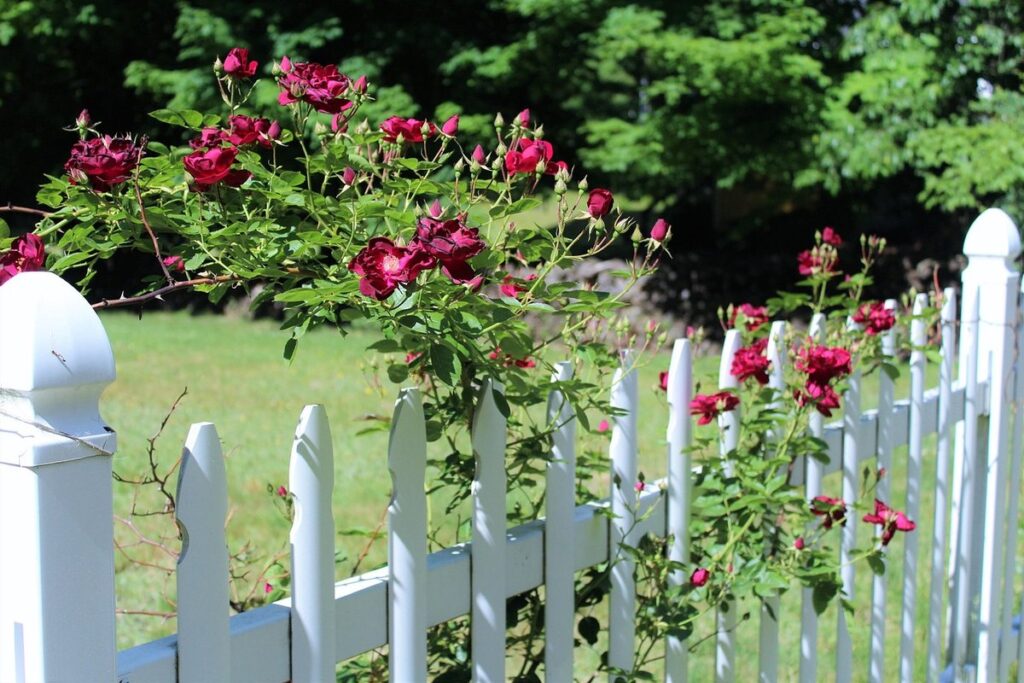
The Aroma of Red Roses: A Historical Perspective
Red roses have been synonymous with romance and love for centuries, but have you ever stopped to think about their fragrance? Let’s take a journey through history to uncover the truth about the scent of red roses.
Red Rose Varieties and Their Fragrance
Red roses come in an array of varieties, each with its unique characteristics and fragrance levels. Among these are hybrid tea, floribunda, and grandiflora types. Hybrid teas are known for their intense, rich scent which can be a major selling point for rose enthusiasts. These roses typically have a strong, long-lasting fragrance that’s often described as classic or traditional.
Floribundas, on the other hand, offer clusters of blooms with varying levels of intensity and sweetness in their fragrance. Their scent is generally sweeter than hybrid teas but can be less intense overall. Grandifloras boast large clusters of blooms but tend to have relatively little fragrance compared to the other two varieties.
It’s worth noting that fragrance levels also depend on factors such as soil quality, climate, and care practices. To bring out the full potential of your red rose’s scent, consider giving them plenty of sunlight and well-draining soil, along with regular pruning to promote healthy growth.
The Role of Fragrance in Rose Selection
For centuries, rose enthusiasts and growers have carefully considered the scent of red roses when selecting the perfect bloom. Fragrance has been a crucial factor in choosing roses, not just for their aesthetic appeal but also for their ability to evoke emotions and create lasting impressions. In ancient Greece and Rome, fragrant roses were highly valued for their sweet, intense aroma, which was believed to possess healing properties.
As rose cultivation evolved over time, breeders began to focus on developing varieties with distinct fragrance profiles. Today, growers can choose from a wide range of red rose varieties, each with its unique scent characteristics. Some popular options include ‘Peace’, ‘Mister Lincoln’, and ‘Double Delight’, all of which are renowned for their powerful fragrance.
When selecting red roses based on fragrance, it’s essential to consider the specific scent profile you’re looking for. Do you prefer a sweet, old-rose perfume or a more intense, floral aroma? By understanding your preferences and choosing a variety that suits your taste, you can ensure that your bouquet or garden is filled with the most exquisite fragrant red roses.
The Science Behind Red Rose Scent
Let’s dive into the fascinating science behind what gives red roses their distinctive scent, and why it’s often hard to detect. We’ll explore the unique combination of compounds responsible for this aroma.
How Roses Produce Their Fragrance
Roses produce their fragrance through a complex process involving essential oils and volatile compounds. The primary source of a rose’s scent is its oil glands, which are located on the surface of the petals. These glands release tiny droplets of fragrant essential oils into the air, creating the distinctive aroma associated with roses.
The essential oils responsible for a rose’s fragrance are primarily composed of geraniol, linalool, and citronellol. These compounds are produced through photosynthesis and are concentrated in the rose’s petals as they mature. As the flowers open and release their fragrance, these volatile compounds evaporate into the air, carrying the scent with them.
Interestingly, different varieties of roses have distinct fragrances due to variations in essential oil composition. For example, hybrid tea roses tend to have a stronger, more intense scent than floribunda roses. This difference is largely attributed to the unique blend of essential oils present in each type of rose. By understanding how roses produce their fragrance, you can better appreciate the intricate chemistry behind this timeless and iconic flower.
Factors Affecting the Strength of Red Rose Scent
The strength and character of red rose fragrance can be significantly affected by several external factors. For instance, climate plays a crucial role in determining the intensity of a rose’s scent. Warmer temperatures and higher humidity levels tend to enhance the production of volatile oils responsible for fragrance. On the other hand, extreme weather conditions such as frost or intense heat can weaken the scent.
Soil quality also has a notable impact on the fragrance of red roses. Roses grown in well-draining, fertile soil with adequate pH tend to produce more fragrant flowers. In contrast, poor soil quality and inadequate nutrient supply can result in reduced fragrance intensity. Proper rose care is another essential factor influencing the strength of their scent.
For instance, regular deadheading (removing spent blooms) encourages repeat flowering and can promote a stronger fragrance. Also, using balanced fertilizers and providing roses with sufficient sunlight can contribute to an enhanced scent. By understanding these factors and making informed adjustments to your rose care routine, you can cultivate red roses with more pronounced fragrances.
The Importance of Fragrance in Cut Flower Arrangements
Adding fragrance to your cut flower arrangements can elevate their visual impact and create a more immersive experience, making it well worth considering. From essential oils to potpourri, we’ll explore some popular methods.
Using Red Roses for Their Fragrance
When it comes to selecting red roses for their fragrance, there are several factors to consider. Choose roses that have a strong scent when you smell them, rather than just relying on their appearance. Opt for varieties like ‘Soleil d’Hiver’ or ‘Mister Lincoln’, which are known for their intense fragrance.
To maximize the scent of your red roses in a cut flower arrangement, place them near the middle or back of the arrangement, where they can release their fragrance without overpowering other flowers. This is especially important if you’re including delicate flowers that might be overpowered by the strong scent of the roses.
In terms of arrangement style, consider using a more minimalist approach to allow the fragrance of the roses to take center stage. Avoid overcrowding the arrangement with too many flowers or foliage, which can mute the scent of the roses. Instead, use a simple vase and focus on showcasing the beauty and fragrance of the red roses. By following these tips, you can create a stunning cut flower arrangement that not only looks beautiful but also fills the air with the sweet scent of red roses.
Combinations of Flowers That Showcase Red Rose Scent
When combining red roses with other flowers to showcase their scent, it’s essential to choose blooms that complement and enhance their fragrance. One classic combination is pairing red roses with sweet-smelling peonies. The heady aroma of peonies perfectly complements the rich, intense scent of red roses.
Another option is mixing red roses with gardenias, which are known for their strong, distinct fragrance. This combination creates a lush, alluring atmosphere that’s perfect for romantic arrangements or wedding bouquets. For a more delicate look, pair red roses with lavender, whose subtle, floral aroma won’t overpower the roses’ scent.
When selecting other flowers to combine with red roses, consider their fragrance profiles and how they’ll interact with each other. A general rule of thumb is to choose flowers that are either complementary or contrasting in terms of their scents. For example, combining sweet-smelling gerbera daisies with red roses creates a delightful aroma that’s both bright and sophisticated.
The Role of Genetics in Red Rose Fragrance
Genetics play a surprisingly significant role in determining the fragrance of red roses, and understanding its impact can reveal some fascinating secrets. Let’s explore how our rose’s scent is influenced by its genetic makeup.
Breeding Roses for Enhanced Fragrance
Rose breeders have been working tirelessly to develop new varieties with improved scent. These efforts are often driven by consumer demand for fragrant roses, which has led to the creation of many hybrid tea and floribunda rose varieties. One notable example is the ‘New Dawn’ rose, known for its intense fragrance and delicate pink petals.
However, breeding roses for enhanced fragrance is no easy task. Breeders must carefully select parent plants with desirable traits and employ techniques such as cross-pollination to increase genetic diversity. They also need to consider factors like climate, soil type, and pest management practices that can affect the rose’s ability to produce strong scents.
To give you an idea of just how challenging this process is, consider that it can take up to 10 years or more for a new rose variety to be developed from seed. This prolonged development period means breeders must carefully plan their selections and make adjustments along the way. Despite these challenges, some notable rose breeding programs have been successful in creating fragrant varieties that are now widely available to consumers.
Selecting Red Roses Based on Their Fragrance
When it comes to selecting red roses based on their fragrance, there are several factors to consider. As we’ve established that not all red roses have a strong scent, it’s essential to choose varieties known for their intoxicating aroma.
One way to select fragrant red roses is by checking the rose’s heritage. Many classic hybrid teas and floribundas like ‘Peace’ and ‘Double Delight’ are renowned for their potent fragrance. These old garden roses often have a more intense scent due to their long history of being bred for fragrance rather than appearance.
Another way to ensure your red roses have a strong perfume is by checking the rose’s scent rating on seed packets or descriptions from nurseries. Some nurseries even provide a fragrance scale, ranging from 1-5, with 5 being the most fragrant. When purchasing bare-root roses, consider the variety’s reputation for fragrance, and don’t be afraid to ask your local nursery about the specific rose’s scent.
When selecting red roses based on their fragrance, it’s also essential to consider the time of year they bloom. Some roses are naturally more fragrant in certain seasons or months, so plan accordingly if you’re looking for a particular type of scent.
Do Red Roses Have a Stronger Scent Than Other Colored Roses?
Now that we’ve tackled whether red roses have a scent at all, let’s get into a related question: do they pack a stronger punch in terms of fragrance compared to other colored roses?
Comparing the Fragrance of Different Rose Colors
Research has shown that while red roses are often associated with strong fragrance, they don’t necessarily have the strongest scent among all rose colors. For instance, studies conducted by the Royal Horticultural Society found that yellow and orange roses tend to have a more intense fragrance than their red counterparts.
Interestingly, pink roses also possess a unique fragrance profile that is distinct from both red and white roses. The delicate balance of petal density, moisture content, and chemical composition all contribute to the varying degrees of fragrance among different rose colors. In one study, it was discovered that white roses had higher levels of geraniol, an aldehyde responsible for their sweet, floral scent.
In comparison, red roses contain more phenylethyl alcohol, which contributes to their characteristic strong, yet slightly spicy aroma. Understanding these variations can be beneficial when selecting roses for fragrance purposes – if you’re looking for a stronger scent, consider choosing yellow or orange varieties instead of relying solely on red roses. By knowing the unique characteristics of each rose color, you’ll be able to appreciate and utilize their distinct fragrances more effectively.
Why Some Red Roses May Not Have a Strong Scent
When it comes to red roses, it’s common to assume that their vibrant color is matched by an equally strong and intoxicating scent. However, this isn’t always the case. Some red roses may not have a noticeable or strong scent, leaving you wondering why.
There are several reasons why some red roses might lack a pungent aroma. For one, the type of rose variety can play a significant role in determining its fragrance. Hybrid tea and grandiflora roses, for example, tend to have stronger scents than floribunda or miniature roses. If you’re purchasing red roses from a store, check the label to see if it’s a specific variety known for its fragrant blooms.
Another reason why some red roses may not smell as sweet is due to their growing conditions. Roses that are grown in areas with high levels of pollutants or pesticides may have reduced fragrance. Similarly, roses that are watered with treated tap water can also lose their scent potency. If you’re looking to grow your own fragrant red roses, make sure to choose a spot with well-draining soil and use filtered water whenever possible.
The Impact of Environmental Factors on Red Rose Scent
But have you ever stopped to think about how your surroundings might be influencing the fragrance of that bouquet of red roses sitting on your table? Let’s explore some surprising environmental factors at play.
Climate and Weather Conditions That Affect Fragrance
The strength and character of red rose fragrance can be significantly impacted by temperature. For instance, roses that are grown in warmer temperatures tend to have a stronger scent than those grown in cooler climates. This is because heat triggers the release of volatile compounds from the rose’s petals. Conversely, when roses are exposed to extreme cold, their fragrance can become muted or even undetectable.
Humidity also plays a crucial role in how fragrant red roses appear to be. When the air is too dry, the scent molecules evaporate quickly, leaving the rose smelling faintly of nothing at all. On the other hand, when humidity levels are high, the scent is more pronounced and may even become overwhelming.
To appreciate the full fragrance of a red rose, it’s essential to store them in an environment with moderate temperature (around 60-70°F) and humidity (50-60%). This will allow the volatile compounds to be released slowly over time, maximizing the sensory experience. When displaying cut roses, keep them away from direct sunlight and heat sources to prevent the scent from dissipating too quickly. By controlling these environmental factors, you can enjoy the full depth of a red rose’s fragrance.
How to Store Red Roses to Preserve Their Scent
To keep those lovely red roses fresh and preserve their scent, it’s essential to store them properly. One of the most significant factors that affect the longevity and fragrance of cut flowers is temperature. Store them away from direct sunlight and heat sources, as these can cause the blooms to wilt quickly. A cool place with a consistent temperature between 35°F to 40°F (2°C to 4°C) is ideal.
Keep your roses away from ethylene-producing fruits like apples and bananas, which can accelerate the aging process. Also, avoid placing them near drafts or air conditioning vents, as these can cause moisture loss. To prevent moisture buildup, remove any leaves that will be below the waterline in the vase. Change the water every 2-3 days to keep it fresh.
When storing red roses, it’s also crucial to maintain adequate humidity around them. You can cover the vase with a plastic bag or wrap it with a damp cloth to achieve this. By following these simple steps, you’ll be able to enjoy your beautiful red roses for a longer period and preserve their enchanting scent.
Conclusion: Appreciating the Fragrance of Red Roses
As we’ve explored the nuances of red roses’ scent, let’s now take a moment to appreciate the fragrance that makes these flowers truly unforgettable in our lives.
Recap of Key Points
As we come to the end of our exploration into the world of red roses and their fragrance, let’s recap the key points that will help you appreciate the scent of these beautiful flowers. We’ve learned that despite being a popular myth, red roses do have a distinct scent, although it may be more subtle than what many people expect.
Through our examination of the anatomy of a rose, we discovered that the fragrance is produced in the petals and released through tiny oil glands called trichomes. This complex process involves a combination of chemical reactions and environmental factors that can affect the intensity of the scent. We also discussed how different types of roses vary in their fragrance profiles, with some being more potent than others.
Understanding the science behind red rose fragrance is essential to appreciating its beauty. By knowing what makes these flowers smell so wonderful, you’ll be able to better appreciate them and even use this knowledge to cultivate your own scented roses at home. Whether you’re a seasoned gardener or just starting out, embracing the unique scent of red roses can add a new layer of depth to your relationship with nature.
Encouraging Gardeners to Explore the World of Scented Roses
As you’ve now discovered the enchanting world of scented roses, we invite you to take your love for these fragrant flowers to the next level. Red roses may have a subtle scent, but they’re just the beginning. Scented roses come in an incredible array of fragrances, each one unique and captivating.
From the heady perfume of ‘Fragrant Cloud’ to the sweet, old-rose fragrance of ‘Gertrude Jekyll’, there’s a scented rose for every taste. To explore this world further, start by considering the different types of rose fragrances. Do you prefer classic, old-roses like those found in traditional English gardens? Or perhaps you’re drawn to more modern varieties with bold, fruity scents.
To discover new scented roses, visit your local nursery or florist and ask about their selection. You can also search online for rose breeders who specialize in fragrant varieties. As you explore the world of scented roses, remember that fragrance is subjective, so don’t be afraid to try different types and see which ones become your favorites. With a little patience and exploration, you’ll soon find yourself surrounded by the intoxicating scent of these beautiful flowers.
Frequently Asked Questions
Can I Grow Red Roses with a Strong Fragrance at Home?
Yes, growing red roses with a strong fragrance is definitely possible at home. Start by selecting a variety that’s known for its intense scent, such as hybrid teas or floribundas. Provide your rose bushes with plenty of sunlight and well-draining soil to help them thrive.
Why Do Some Red Roses Not Have a Strong Scent?
There are several reasons why some red roses may not have a strong scent. This could be due to factors like climate, weather conditions, or even the rose variety itself. Some modern breeding techniques focus more on appearance than fragrance, so it’s essential to research and choose varieties known for their scent.
How Can I Bring Out the Fragrance of Red Roses in Cut Flower Arrangements?
To maximize the fragrance of red roses in cut flower arrangements, use a combination of fresh flowers with high water content, like eucalyptus or ferns. Also, add a few sprigs of rosemary or lavender to enhance the scent. Keep your arrangement away from direct sunlight and heat sources to preserve the fragrance.
Can I Use Red Roses for Their Fragrance in Cooking?
While red roses can be used as a garnish or in potpourri for their fragrance, they are not typically used in cooking due to their high petal content and potential toxicity. However, rose petals can be dried and used as a fragrant ingredient in teas or desserts.
How Can I Store Red Roses to Preserve Their Scent?
To preserve the scent of red roses, store them away from direct sunlight and heat sources. Keep the stems hydrated by placing them in a vase with fresh water, and change the water every few days. This will help maintain their fragrance for an extended period.