
Gnats may be tiny, but they play a huge role in maintaining healthy soil ecosystems. These small flying insects are often misunderstood as pests, but in reality, they’re tiny heroes that contribute significantly to decomposition, pollination, and even pest control. As we delve into the world of gnats and their benefits for soil, you’ll discover why these tiny creatures are essential for sustainable ecosystems.
In this article, we’ll explore the different types of gnats and how they contribute to decomposition, which is a crucial process that breaks down organic matter in the soil. We’ll also discuss their role in pollination and pest control, highlighting the importance of preserving biodiversity in our ecosystems. Whether you’re a seasoned gardener or just starting out, understanding the benefits of gnats for your soil can help you promote healthier and more sustainable gardening practices.
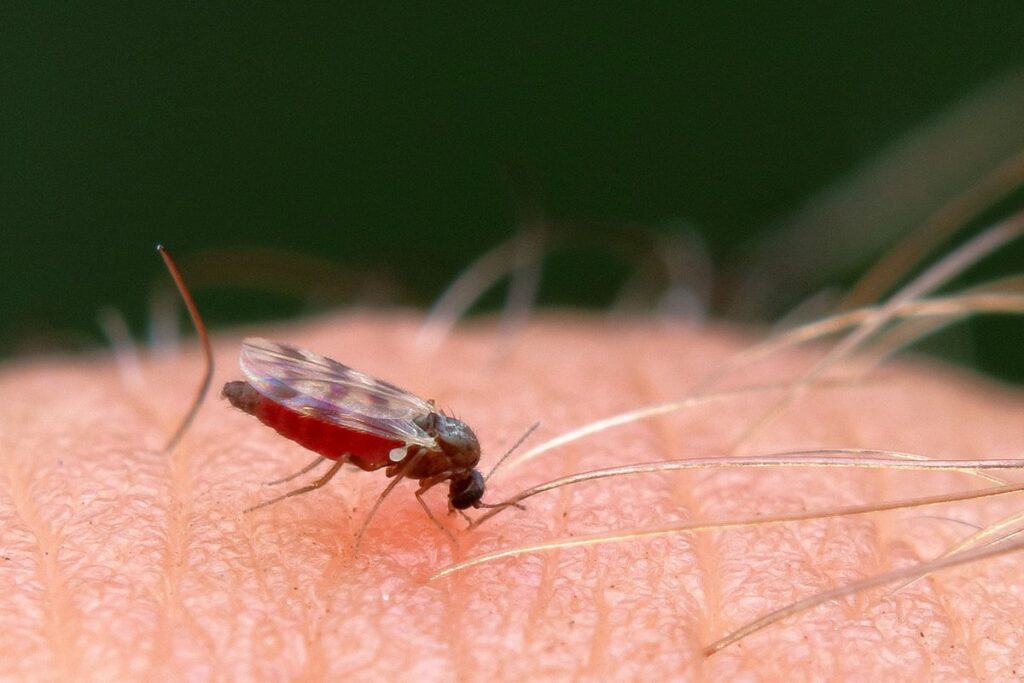
The Role of Gnats in Ecosystems
In addition to their role as pollinators, gnats also play a crucial part in maintaining the delicate balance of ecosystems. Let’s take a closer look at how they contribute to this balance.
Decomposition and Nutrient Cycling
Gnats are often misunderstood as being pests, but they play a vital role in decomposition and nutrient cycling. These tiny insects feed on decaying organic matter, breaking it down into simpler compounds that plants can absorb. By doing so, gnats release essential nutrients back into the soil, making them available for plant growth.
This process is crucial for maintaining ecosystem balance. When organic matter accumulates in the soil, it can lead to a buildup of carbon and nitrogen. Gnats help mitigate this issue by consuming decaying materials, thereby reducing the amount of waste and preventing soil degradation.
To encourage gnats to break down organic matter in your garden, maintain a diverse range of plants that produce nectar-rich flowers. These attract adult gnats, which then lay eggs near nutrient-dense sources. As larvae, they feed on decomposing matter, further contributing to the cycling of nutrients.
Food Source and Pollination
Gnats serve as a vital link in the ecosystem’s food chain, providing sustenance for a variety of animals. Birds, bats, and other insects rely on gnats as a primary source of nutrition. For instance, certain species of birds, such as swallows and martins, feed their young with gnat larvae, which are rich in protein.
In addition to being an essential food source, gnats also play a significant role in pollination. As they flit from flower to flower, they inadvertently transfer pollen between plants, facilitating the reproduction process. This is particularly evident in greenhouse environments where pollinators like bees and butterflies may be scarce. By attracting and retaining gnat populations, gardeners can enhance pollination rates and increase crop yields.
To encourage gnats to visit your garden or indoor plants, focus on creating an environment that supports their life cycle. Provide a mix of nectar-rich flowers and shallow water sources for adults to lay eggs in. This will help maintain a balanced ecosystem and reap the benefits of gnat activity.
Benefits of Gnats in Soil
You might be surprised at how these tiny insects can actually help your soil, and that’s exactly what we’ll explore next: their beneficial effects. Let’s take a closer look at why gnats are good for your garden.
Microbial Activity Promotion
Gnats play a vital role in promoting microbial activity in soil, which is essential for maintaining a healthy ecosystem. As they fly around and lay eggs, gnats introduce oxygen into the soil, creating an environment that encourages the growth of beneficial microorganisms. These tiny insects also help break down organic matter, such as decaying plant material, by consuming it and processing it into simpler compounds.
As a result of gnat activity, the availability of essential nutrients in the soil increases. This is because microbes feed on the organic matter broken down by gnats, releasing nutrients that plants can absorb more easily. Additionally, the increased microbial activity leads to improved soil structure, allowing roots to grow deeper and water to penetrate more evenly.
To encourage gnat populations in your garden, provide a diverse range of plant species and maintain a balanced ecosystem. By doing so, you’ll be supporting a thriving community of beneficial microorganisms that work together to promote healthy soil development. This symbiotic relationship between gnats and microbes is a key factor in maintaining fertile and productive soil.
Soil Aeration and Water Penetration
When gnats move around within the soil, they help to aerate it by breaking up compacted soil particles and creating tiny channels for air to enter. This process is crucial for healthy root growth, as roots need oxygen to breathe and absorb essential nutrients from the soil. By improving aeration, gnats create an environment that’s conducive to optimal water penetration.
Water can flow more freely through the soil when it’s well-aerated, reducing runoff and allowing plants to absorb moisture more efficiently. This is especially important during periods of drought or high rainfall, as it helps prevent waterlogging and ensures that roots receive a steady supply of moisture. The increased water penetration also leads to better nutrient uptake, as microorganisms in the soil can break down organic matter more effectively when oxygen levels are optimal.
In essence, gnats play a vital role in improving soil structure and function by creating an environment that promotes healthy root growth, efficient water use, and beneficial microbial activity. By recognizing their importance, gardeners and farmers can take steps to support these tiny creatures and reap the rewards of improved soil health.
The Impact of Gnats on Plant Health
While gnats are often seen as a nuisance, their impact on plant health is multifaceted and warrants closer examination to understand their role in your garden’s ecosystem. Let’s dive into how gnats can affect your plants’ well-being.
Pest Control and Ecological Balance
When it comes to soil health, gnats are often viewed as pests that drain resources from plants. However, these tiny insects play a crucial role in maintaining ecological balance in gardens and ecosystems. One of the key benefits of gnats is their ability to serve as natural pest control agents.
In addition to feeding on fungi and algae, some gnat species prey on other insects that can harm plants. For instance, fungus gnats help regulate populations of fungus and nematodes that can attack plant roots. This natural balance prevents the buildup of these pests, reducing the need for chemical pesticides. By introducing beneficial organisms like gnats to your garden, you can promote a healthier ecosystem with reduced reliance on external controls.
To harness the benefits of gnats as pest control agents, consider incorporating a diverse range of plants into your garden. This diversity will attract a wider variety of insects, including those that prey on pests. Avoid using broad-spectrum pesticides, which can disrupt this delicate balance and harm beneficial organisms like gnats.
Soil Fertility and Crop Yield
When gnats are present in the soil, their decomposition activities play a significant role in enhancing soil fertility. This increased fertility has a direct impact on crop yields and overall plant growth. The breakdown of organic matter by gnats releases essential nutrients into the soil, making them readily available to plants.
This nutrient-rich environment supports healthier root development, allowing plants to absorb water and nutrients more efficiently. As a result, crops grow stronger and more resilient, with increased resistance to pests and diseases. Farmers in regions with high gnat populations often report higher yields and better crop quality compared to areas with low gnat activity.
To leverage the benefits of gnats on soil fertility, gardeners can create a conducive environment by maintaining optimal moisture levels and incorporating compost or organic matter into the soil. This will not only attract gnats but also support their decomposition activities, leading to improved soil health and increased crop yields. By understanding the role of gnats in enhancing soil fertility, we can appreciate the importance of these tiny creatures in maintaining a balanced ecosystem.
Types of Gnats and Their Roles
Let’s take a closer look at the different types of gnats, including fruit flies, fungus gnats, and hoverflies, each playing their own unique role in the soil ecosystem.
Fungivorous Gnats
Fungivorous gnats are an essential component of a healthy ecosystem, particularly when it comes to soil. These tiny insects feed on fungal spores, playing a crucial role in preventing root rot and other fungal diseases that can be devastating for plants.
When fungal spores grow out of control, they can suffocate plant roots, leading to yellowing leaves and reduced growth rates. Fungivorous gnats help regulate this balance by feeding on the excess spores, keeping them from becoming a problem. By controlling fungal populations, these gnats also promote healthy root development, allowing plants to absorb nutrients more efficiently.
In fact, studies have shown that fungivorous gnats can significantly reduce fungal diseases in greenhouse crops, improving overall yields and quality. To encourage the presence of these beneficial insects in your garden or indoor space, provide a balanced diet for your plants by using organic fertilizers and maintaining good air circulation. By creating an environment conducive to their survival, you’ll be supporting the natural processes that keep soil healthy and thriving.
Predatory Gnats
Predatory gnats are a crucial component of a balanced ecosystem, playing a vital role in controlling pest populations that can harm plants. These beneficial insects feed on other insects that might otherwise infest and damage crops. For example, fungus gnats, which are often mistaken for beneficial gnats, actually prey on the larvae of root-knot nematodes, microscopic worms that can cause significant damage to plant roots.
In a garden or indoor growing space, predatory gnats can be encouraged by providing a diverse range of plants and maintaining a balanced environment. This allows them to thrive and effectively regulate pest populations. By introducing these beneficial insects, you can reduce the need for pesticides and create a healthier ecosystem. In fact, some farmers have reported significant reductions in pesticide use after implementing integrated pest management strategies that include predatory gnats.
To incorporate predatory gnats into your garden or indoor growing space, consider creating a sheltered area with a mix of plants that attract beneficial insects. By creating a welcoming environment for these beneficial gnats, you can reap the rewards of a balanced ecosystem and healthier crops.
Omnivorous Gnats
Omnivorous gnats are a type of gnat that plays a crucial role in decomposing organic matter. These tiny insects consume both fungi and other insects, breaking down complex nutrients into simpler forms that plants can absorb. By feeding on fungi, omnivorous gnats help to control fungal growth, which can be detrimental to plant health if left unchecked.
In this sense, omnivorous gnats act as a natural decomposer, recycling organic matter and releasing essential nutrients back into the soil. For example, when they feed on decaying plant material, they break down tough cellulose and lignin molecules, making it easier for other organisms to access these nutrients.
Omnivorous gnats can be encouraged in gardens by maintaining a balanced ecosystem. This includes providing a diverse range of plants that produce nectar-rich flowers, as well as incorporating compost or worm castings into the soil. By creating a welcoming environment for these beneficial insects, gardeners can reap the rewards of their hard work and enjoy healthier, more fertile soil as a result.
Challenges and Opportunities for Gnat Conservation
As we’ve explored how gnats benefit soil, it’s essential to acknowledge the challenges they face and the opportunities that exist for their conservation. In this next section, we’ll dive into these critical topics head-on.
Habitat Loss and Fragmentation
Gnats play a vital role in soil health, but their populations are threatened by human activities that lead to habitat loss and fragmentation. Deforestation and urbanization are major contributors to this issue. As natural habitats are cleared for agriculture, urban development, or logging, gnats lose their breeding grounds, food sources, and shelter. This not only affects gnat populations directly but also impacts the overall ecosystem.
Habitat fragmentation occurs when remaining patches of habitat become isolated from one another due to human activities. Gnats struggle to migrate between these isolated areas, leading to inbreeding and reduced genetic diversity within populations. Without a stable food supply and suitable breeding conditions, gnat populations decline, compromising their ability to maintain soil health.
To mitigate the effects of habitat loss and fragmentation on gnat populations, it’s essential to adopt sustainable land-use practices. Governments, organizations, and individuals can work together to protect natural habitats, restore degraded ecosystems, and promote eco-friendly urban planning. By preserving gnat habitats, we also support their role in maintaining soil fertility and overall ecosystem balance.
Climate Change and its Effects on Gnats
Climate change is having a profound impact on gnat populations worldwide. Rising temperatures and altered precipitation patterns are causing gnats to shift their distribution and behavior, which can significantly impact their ability to perform essential ecosystem services. For example, warmer winters may allow certain gnat species to survive and thrive in areas where they previously wouldn’t have been able to overwinter.
This change in distribution can lead to an increase in gnat populations in some areas, but also a decline in others. As gnats adapt to their new environments, they may be more likely to feed on certain plants or insects that are not as beneficial for soil health. Furthermore, climate-driven changes in vegetation patterns can alter the availability of food sources for gnats, making it difficult for them to maintain their populations.
As a result, gnat conservation efforts must take into account the potential impacts of climate change. By understanding how rising temperatures and altered precipitation patterns are affecting gnat populations, we can better manage our ecosystems to support these tiny but mighty pollinators.
Conclusion
In conclusion, the answer to whether gnats benefit soil is yes. These tiny insects play a crucial role in maintaining soil health through their unique feeding habits and interactions with other microorganisms. As we’ve discussed throughout this article, gnats are decomposers that break down organic matter, recycle nutrients, and promote microbial growth. By doing so, they contribute to improved soil fertility, structure, and overall ecosystem balance.
As you tend to your garden or yard, consider creating a welcoming environment for these beneficial insects. Avoid using pesticides, which can harm not only gnats but also other essential microorganisms in the soil. Instead, adopt sustainable practices such as mulching, composting, and reducing watering stress. By embracing these methods, you’ll be supporting the local gnat population while promoting a healthier, more resilient soil ecosystem.
Frequently Asked Questions
How can I attract more beneficial gnats to my garden?
To attract beneficial gnats, create a diverse and healthy ecosystem by planting a variety of flowers and herbs that provide nectar and pollen. Also, maintain moist soil with plenty of organic matter, as these conditions favor the presence of gnats. Avoid using chemical pesticides, which can harm or repel gnats.
Can I use gnats to control pests in my greenhouse?
Yes, gnats can be used as a natural pest control method in greenhouses. By introducing beneficial gnat species, you can create a balanced ecosystem that naturally controls pest populations. However, ensure you identify the correct type of gnat for your specific pest problem and provide the right environment for them to thrive.
How do I prevent gnats from becoming pests themselves?
To prevent gnats from becoming pests, maintain good air circulation in your garden or greenhouse by pruning plants regularly and providing adequate ventilation. Also, avoid overwatering, which can lead to high humidity levels that favor pest populations. Monitor your environment closely and take action promptly if you notice an excessive gnat population.
Can I use gnat larvae as a natural fertilizer?
Yes, gnat larvae are a nutrient-rich source of food for plants. They break down organic matter into simple compounds that plants can absorb easily. By incorporating gnat larvae into your compost or using them as a liquid fertilizer, you can promote healthy plant growth and improve soil fertility.
Are there any specific tips for growing gnats in a controlled environment?
To grow beneficial gnats in a controlled environment, provide a humid microclimate with temperatures between 60-80°F (15-27°C). Use a substrate rich in organic matter, such as coconut coir or peat moss, and maintain adequate moisture levels. Also, ensure proper air circulation to prevent the buildup of toxic gases that can harm gnats.