
Are you tired of throwing away food waste and wanting to reduce your environmental footprint? Creating a DIY worm compost bin is a simple and effective way to turn kitchen scraps into nutrient-rich soil for your garden. This not only reduces waste but also conserves water, as composted soil retains moisture better than regular soil. In this article, we’ll take you through the step-by-step process of building a worm compost bin, from gathering materials to maintaining the optimal environment for your worms to thrive. With this guide, you’ll be able to create a sustainable solution for managing food waste and producing healthy garden soil, all while minimizing your carbon footprint.
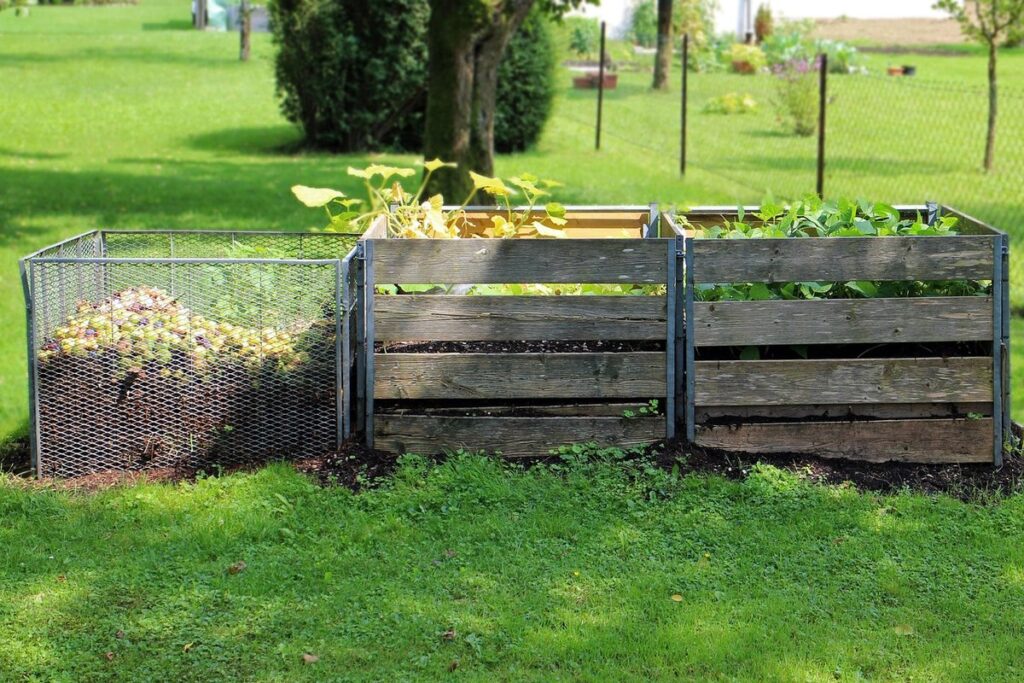
Benefits of Vermicomposting
Now that you’ve got your worm compost bin up and running, let’s dive into the amazing benefits of vermicomposting for your garden. You’ll love what it can do!
Introduction to Vermicomposting
Vermicomposting is an innovative and eco-friendly way to turn kitchen scraps into nutrient-rich compost for your garden. As a crucial component of sustainable gardening, vermicomposting plays a significant role in reducing waste, conserving resources, and promoting soil health.
By using worms to break down organic matter, vermicomposting offers numerous benefits. It increases the fertility of the soil by producing a high-quality compost rich in nitrogen, phosphorus, and potassium. This enhances plant growth, improves crop yields, and makes your garden more resilient against pests and diseases.
In addition to its benefits for gardening, vermicomposting is also an essential practice for maintaining ecological balance. It reduces the amount of waste sent to landfills, minimizes greenhouse gas emissions, and promotes biodiversity by creating a nutrient-rich environment that supports beneficial microorganisms in the soil. With proper setup and maintenance, vermicomposting can be a straightforward process that requires minimal space and resources.
This introductory understanding of vermicomposting is essential for embarking on your DIY worm compost bin journey.
Advantages Over Traditional Composting Methods
Vermicomposting offers several advantages over traditional composting methods. For one, it’s faster – decomposition occurs within weeks rather than months. This is because worms break down organic matter at an incredible rate, extracting nutrients and micronutrients from even the toughest materials.
Another benefit is increased efficiency: vermicomposters can process up to 1 kg of waste per day, compared to traditional composting methods which might only yield a fraction of that amount. Additionally, worms are far more tolerant of contaminants than other microorganisms, making them ideal for handling garden waste and other problematic materials.
One of the biggest advantages is space efficiency: a small worm bin can produce nutrient-rich vermicompost even in cramped urban areas or tiny gardens. This makes it perfect for city dwellers and those with limited gardening space – a major selling point for those looking to join the sustainable gardening movement.
Environmental Impact and Sustainability
Vermicomposting is not only an effective way to recycle food waste but also has a significant impact on the environment. By turning organic waste into nutrient-rich compost, we can reduce the amount of waste sent to landfills and minimize our carbon footprint. This process helps conserve water by using a fraction of the water required for traditional composting methods.
Moreover, vermicomposting supports eco-friendly gardening practices by producing a natural, chemical-free fertilizer that promotes soil health and biodiversity. By reducing synthetic fertilizers’ reliance on toxic chemicals, we can mitigate their negative effects on ecosystems and protect wildlife habitats. In fact, studies have shown that vermicompost can increase crop yields while using significantly less water than conventional farming methods.
As you set up your DIY worm compost bin, remember to choose the right location for maximum environmental benefits. Place it in an area with good ventilation, out of direct sunlight, and ideally near a water source to minimize transport-related emissions. With these simple steps, you can contribute to a more sustainable future while enjoying the rewards of gardening with vermicompost.
Choosing the Right Materials
When selecting materials for your worm compost bin, it’s essential to choose items that are durable, easy to clean, and won’t contaminate the compost. Let’s explore the best options together!
Selecting a Suitable Location
When selecting a location for your worm compost bin, it’s essential to consider three key factors: sunlight, drainage, and accessibility. A spot that receives partial shade is ideal, as direct sunlight can cause the worms to burrow deeper into the bin, making maintenance more challenging.
A well-draining area is crucial to prevent waterlogged conditions that can lead to anaerobic bacteria growth, which can be toxic to the worms. Ensure the location has a slight incline or slope to allow excess liquid to flow out of the bin and prevent it from accumulating at the bottom.
Accessibility is also vital for regular maintenance and feeding. Position the worm compost bin in an area that’s easily accessible, such as near a garden bed or against a wall. This will make it simple to add new materials, harvest the finished compost, and monitor the worms’ progress without straining your back.
Essential Components of a Worm Compost Bin
When building a worm compost bin, there are several essential components you’ll need to get started. First and foremost, you’ll require a suitable container or bin to house the worms and their food scraps. This can be a wooden pallet, plastic tub, or even an old trash can – just ensure it’s clean, dry, and well-ventilated.
Next up is the bedding material. Worms need a comfortable place to live, so you’ll want to add a thick layer of coconut coir, shredded newspaper, or peat moss to the bin. This will help maintain moisture levels, suppress odors, and provide a habitat for beneficial microorganisms.
Of course, no worm compost bin is complete without its star attraction: the worms themselves! Red wiggler worms are the ideal choice for vermicomposting, as they thrive in humid environments and can process large amounts of organic matter. Be sure to source your worms from a reputable supplier or breeding program to ensure their health and vitality.
Other essentials include a tray or collection system for harvesting the finished compost, as well as tools for mixing and monitoring the bin’s contents. By stocking up on these basic materials, you’ll be well on your way to creating a thriving worm composting ecosystem in no time.
Optional Features and Accessories
While building a basic worm compost bin is sufficient for many gardeners, incorporating optional features and accessories can significantly enhance its functionality and efficiency. One such feature is the addition of an aeration system, which allows for better airflow within the bin, promoting healthy microbial activity and reducing odors. This can be achieved by installing a series of small holes or slots along the sides or bottom of the bin.
Another optional feature is the use of a liquid collection system, which enables you to harvest the nutrient-rich leachate produced during the composting process. This liquid gold can be used as a fertilizer for your plants, reducing the need for synthetic fertilizers. You can also consider adding a temperature gauge or thermometer to monitor the optimal operating temperature range for worm composting (55°F to 77°F).
Consider also adding a lid or hatch that allows easy access to the bin’s contents without disturbing the worms. This feature is particularly useful if you plan to harvest the finished compost regularly.
Building Your DIY Worm Compost Bin
Now that you’ve chosen your bin size and materials, let’s dive into the nitty-gritty of assembling your worm compost bin. This is where patience and attention to detail come in handy.
Designing the Bin Structure
When designing your DIY worm compost bin, it’s essential to consider various factors that will impact its efficiency and effectiveness. The size of the bin is crucial, as it needs to be large enough to hold a sufficient amount of worms and food waste, but not so big that it becomes unwieldy.
A general rule of thumb is to aim for a bin with a minimum capacity of 12 inches deep and 24 inches wide. This will give you enough room to add layers of food waste and bedding material without overloading the worms.
In terms of shape, a rectangular or square design is often preferred as it allows for easy access and maintenance. Consider using a wooden or plastic frame with a removable lid to make cleaning and harvesting easier. The material used can also impact the bin’s performance; opt for breathable materials like wood or bamboo to promote airflow and prevent moisture buildup.
Remember to include drainage holes and vents to ensure proper oxygen flow and prevent anaerobic conditions from developing. A well-designed bin structure will not only increase the efficiency of your worm composting process but also make it a sustainable and low-maintenance addition to your garden.
Assembling the Bin Components
Assembling the bin components is a crucial step in building your DIY worm compost bin. Begin by taking the pre-cut wood pieces and starting to assemble them using the screws provided. Make sure they are aligned properly, as this will ensure even airflow throughout the bin.
Once you’ve assembled the main structure of the bin, it’s time to add some ventilation. Drill 1-inch holes in the sides of the bin at regular intervals – about 6-8 inches from the top and bottom. This will allow for maximum airflow, which is essential for healthy worm composting.
Next, add a layer of bedding material to the bin. You can use coconut coir, shredded newspaper, or even cardboard. Aim for a depth of around 4-6 inches, depending on how thick you want your bedding layer to be. This will provide a comfortable environment for your worms and help with moisture retention.
Now it’s time to introduce your worm friends! Start by adding a small amount of compost tea (about 1 cup) to the bin, followed by a handful of red wiggler worms. You can purchase these online or at local gardening stores. Be gentle when handling them, as they’re quite delicate.
Tips for Maintenance and Upkeep
Maintaining a healthy worm population is crucial for effective composting. To ensure your worms thrive, monitor their food supply and add more materials as needed. Aim to maintain an 80:20 ratio of “brown” (dried leaves, shredded newspaper) to “green” (food scraps, grass clippings) materials. This balance will keep the worms healthy and prevent overpopulation.
Regularly check moisture levels by feeling the bedding with your hand. If it’s too dry, add water; if it’s too wet, introduce more brown materials to absorb excess moisture. Prevent pests like fruit flies and rodents by keeping the bin clean and covering food scraps with a layer of brown materials.
To control odors, ensure good airflow within the bin by placing drainage holes in the bottom or adding an extra ventilation layer. Check the bin regularly for any signs of pests or mold, addressing issues promptly to maintain a healthy environment for your worms. By following these simple maintenance tips, you’ll be well on your way to creating a thriving worm composting system.
Managing Your Worm Compost Bin
Now that you’ve set up your worm compost bin, let’s talk about how to keep it running smoothly and efficiently long-term. Regular maintenance is key to successful vermicomposting.
Understanding Worm Cycles and Stages of Decomposition
Understanding worm life cycles and decomposition stages is crucial for effective waste management and optimal compost quality. Worms undergo a series of physical changes as they mature from hatchlings to adults.
The first stage, hatching, occurs when eggs are laid on the bin’s bedding material. Hatchlings emerge after 1-2 weeks, depending on temperature and humidity levels. As they grow, they molt several times, shedding their skin and developing new segments.
As worms continue to feed and break down organic matter, decomposition progresses through three main stages: active decomposition, humification, and stabilization. During active decomposition (0-3 months), microorganisms rapidly decompose waste materials, releasing heat and carbon dioxide. Humification (3-6 months) follows, where complex compounds are formed, resulting in a more stable compost.
To manage the process effectively, maintain adequate moisture levels, ensure sufficient oxygen supply, and balance C:N ratios to prevent anaerobic conditions. This optimal environment will support the worms’ growth and decomposition activities, ultimately yielding high-quality compost for your garden.
Monitoring pH Levels and Maintaining Optimal Conditions
Maintaining optimal pH levels is crucial for worm health and efficient composting. You can use pH test strips or a pH meter to measure the acidity of your worm compost bin. The ideal pH range for worms is between 6.5 and 7.5, slightly acidic to neutral.
If your bin’s pH level falls outside this range, adjust it by adding a pH buffer like dolomitic limestone or peat moss. For instance, if the pH is too low (acidic), add lime or crushed eggshells to increase it. Conversely, if it’s too high (alkaline), incorporate peat moss or well-rotted compost to lower it.
Regular monitoring and adjustments will help create an optimal environment for worms, preventing their death due to extreme acidity or alkalinity. Remember that pH levels can fluctuate depending on the materials added to your bin, so monitor them regularly to ensure a stable environment.
Harvesting and Using Your Compost
Harvesting and using your worm compost is an essential part of maintaining a healthy and sustainable garden. When to harvest your compost depends on its consistency and smell. If it looks like dark, crumbly soil and has a rich earthy aroma, it’s ready to use.
You can use your worm compost in various ways – as a fertilizer for seedlings, as a mulch to retain moisture, or as an amendment to improve the structure of your garden beds. Mix 10-20% of the compost with existing soil to replenish nutrients and promote healthy microbial activity. For larger areas, apply a 1-inch layer of compost on top of the soil.
Some other creative uses for worm compost include making potting mixes, repotting plants, or even using it as a seed starter mix. Don’t forget that your worm compost is also an excellent natural pest deterrent – add it to your plant’s roots or sprinkle it around the base of the plant to keep pests away.
Troubleshooting Common Issues
We know things don’t always go as planned when building your worm compost bin, so let’s tackle some common issues and get you back on track.
Dealing with Odors and Pests
One of the most common concerns when maintaining a worm compost bin is dealing with odors and pests. These issues can be unpleasant and even attract unwanted visitors to your garden, which can harm your worms and spoil your compost.
To address odor issues, it’s essential to maintain good ventilation in your worm compost bin. You can do this by adding more aeration tubes or increasing the frequency of harvesting. Additionally, monitor the moisture levels and adjust them accordingly. Excess moisture is often the culprit behind unpleasant odors, so make sure the bedding material isn’t too wet.
Pests like fruit flies, ants, and rodents can also become problems if not addressed promptly. To prevent pest infestations, use a physical barrier around your worm bin or cover it with a fine mesh to keep pests out. You can also add natural deterrents like diatomaceous earth or cayenne pepper to the bedding material.
Regularly inspecting your worm compost bin and addressing any issues early on will help you maintain a healthy environment for your worms, which in turn produces high-quality compost for your garden.
Addressing Moisture and pH Imbalances
When setting up your DIY worm compost bin, it’s essential to monitor and maintain optimal moisture levels. Worms thrive in a humid environment, but excessive moisture can lead to anaerobic conditions and unpleasant odors. Aim for a consistent moisture level of 60-80% by checking the bin’s contents daily and adding water as needed.
pH balance is also crucial for worm composting. Red wiggler worms prefer a slightly acidic to neutral pH range, between 6.5 and 7.5. To achieve this, incorporate materials like peat moss or coconut coir into your bedding mix. Avoid adding too many alkaline materials like wood ash or baking soda, as they can disrupt the pH balance.
If you notice an imbalance, take corrective action by adjusting the moisture levels or adding pH-balancing materials. For instance, if the bin is too dry, sprinkle some water and gently mix it in. Conversely, if the pH is off, add a small amount of peat moss to stabilize it. Regular monitoring and adjustments will help create a healthy environment for your worms, ensuring optimal decomposition and a thriving composting system.
Overcoming Challenges and Maintaining a Healthy Bin
As you embark on this worm composting journey, it’s essential to be prepared for challenges and setbacks. Every bin is unique, and factors like temperature, humidity, and feedstock can impact the balance of your ecosystem. Don’t be discouraged if you encounter issues – instead, view them as opportunities to learn and refine your approach.
Regular monitoring is crucial to maintaining a healthy worm compost bin. Check on your worms at least once a week, observing their behavior, and inspecting the bin’s contents for signs of stress or disease. If you notice uneven moisture levels or an overabundance of food scraps, make adjustments promptly. For example, if your worms are struggling with dry conditions, add more water to the bin, but do so gradually to avoid shocking them.
Remember, it’s a delicate balance between providing enough food and not overwhelming your worms. Aim for 2-3 pounds of fresh feedstock per pound of worms per day. By staying vigilant and adaptable, you’ll be able to overcome challenges and maintain a thriving worm compost bin that rewards you with rich, nutrient-dense castings for your garden.
Frequently Asked Questions
What can I do with leftover worms from my worm compost bin?
If you have excess worms, consider setting up a secondary bin or sharing them with friends who are interested in vermicomposting. You can also use them to create additional bins for different areas of your garden. Just make sure to maintain the same optimal conditions for their health and well-being.
Can I add weeds and grass clippings to my worm compost bin?
While it’s tempting to include all organic materials, avoid adding weeds with seeds or grass clippings that can harbor weed seeds. These can spread to your garden and create more problems than they solve. Stick to kitchen scraps, shredded paper, and other carbon-rich materials for a balanced worm diet.
How often should I check my pH levels in the bin?
Monitor your pH levels at least once a week during the first few months of operation. This ensures you’re maintaining an optimal range (6.5-7.5) that supports healthy worm growth. If you notice fluctuations, adjust your bedding or add lime as needed to maintain a stable environment.
What if I encounter pests like fruit flies or ants in my bin?
Yes, these unwanted visitors can be common issues in vermicomposting. To address them, reduce food waste and maintain good hygiene practices around the bin. Use diatomaceous earth or essential oils to deter pests, and ensure your bin is secure and well-sealed.
Can I use my worm compost as a fertilizer for seedlings?
Yes! Your finished worm compost can be used as a natural fertilizer for seedlings. Mix it into the soil or use it as a top dressing to provide essential nutrients for young plants. Just be sure to dilute it if using it on delicate seedlings, and always follow proper application rates to avoid burning their sensitive roots.