
Testing your soil can be a daunting task, but it’s a crucial step in creating a thriving garden or landscape. Without knowing what’s going on beneath the surface, you might be wasting time and resources on plants that aren’t suited to their environment. That’s where DIY soil test methods come in – they’re a cost-effective and efficient way to determine your soil’s pH levels, nutrient content, and structure.
In this article, we’ll walk you through the basics of DIY soil testing, from selecting the right sampling method to interpreting your results. We’ll cover everything you need to know about pH testing, including how to use common household items like baking soda and vinegar to get an accurate reading. You’ll also learn how to analyze nutrient levels using simple, low-cost tests that will help you create a soil profile tailored to your specific needs.
Understanding the Importance of Soil Testing
Before we dive into the DIY test methods, let’s explore why soil testing is crucial for gardening success and how it can impact your plant’s health.
Why Soil Testing Matters for Gardening and Landscaping
Soil testing is a crucial step for gardeners, farmers, and landscapers to ensure optimal plant growth and health. It may seem like a minor detail, but the quality of your soil can make all the difference in the world. Without proper testing, you risk overwatering or underwatering, leading to nutrient deficiencies, root diseases, and other issues that can be devastating to your garden.
The consequences of neglecting soil testing can be costly. For example, if you’re using chemical fertilizers without knowing your soil’s pH level, you may end up damaging the soil structure, leading to long-term problems with fertility and drainage. On the other hand, regular soil testing allows you to identify nutrient deficiencies and amend the soil accordingly.
To give you a better idea of just how crucial soil testing is, consider this: according to the US Department of Agriculture, poor soil quality can lead to crop losses of up to 50% in some cases. By investing a little time and money into regular soil testing, you can prevent these problems and enjoy healthier, more productive plants with minimal maintenance.
Common Issues Caused by Poor Soil Quality
Poor soil quality can have far-reaching consequences for your garden or farm’s health and productivity. One of the most common issues caused by poor soil quality is nutrient deficiencies. When the soil lacks essential nutrients like nitrogen, phosphorus, or potassium, plants struggle to grow and thrive. This can be due to a lack of organic matter, excessive leaching, or inadequate fertilization.
pH imbalances are another significant concern when it comes to poor soil quality. Soil pH that’s too high or too low can lead to nutrient deficiencies and even plant death. For example, if your soil is too acidic (low pH), it may absorb essential nutrients like iron and zinc, making them unavailable for plants. Conversely, if the soil is too alkaline (high pH), micronutrients like boron and manganese become less accessible.
Contaminated water can also be a byproduct of poor soil quality. When heavy metals or other pollutants leach into groundwater, they can contaminate nearby water sources, posing health risks to humans, animals, and the environment. Regular DIY soil testing helps identify potential issues before they escalate into more severe problems.
Preparing for DIY Soil Testing
Before diving into DIY soil testing methods, it’s essential to prepare your workspace and gather necessary materials to ensure accurate results. This step will set you up for success in your testing journey.
Gathering Necessary Equipment and Materials
Before you start collecting soil samples, make sure you have all the necessary equipment and materials to ensure accurate results. This includes personal protective gear like gloves to prevent skin exposure to potentially contaminated soil. It’s also essential to have a few basic tools on hand, such as buckets or containers with lids for storing and transporting your samples.
You’ll need scoops or spoons to dig up and collect soil from different depths and locations in the garden. A set of clean, dry buckets will help you separate and label each sample. Don’t forget pH test kits, which are available at most gardening stores or online. These kits usually include reagents and instructions for determining your soil’s acidity level.
When selecting equipment and materials, prioritize quality over quantity. Invest in sturdy, durable containers that won’t leak or compromise the integrity of your samples. A good set of gloves will protect you from dirt and potential irritants while working with soil. By having all the necessary tools and supplies ready to go, you’ll be well-prepared for a successful DIY soil test.
Choosing the Right Sampling Method
When it comes to collecting soil samples for testing, choosing the right method is crucial for accurate results. There are several sampling methods to consider, each with its own advantages and limitations.
Grab samples involve scooping up a small amount of soil from the surface or near-surface layers. This method is quick and easy but can be biased towards the topsoil, which may not accurately represent the entire soil profile. Composite samples involve mixing together multiple grab samples to create a more representative sample. While this method reduces bias, it can be time-consuming and requires careful mixing to avoid contamination.
Core samples, also known as auger samples, are collected using a drilling device that extracts a cylindrical core of soil. This method is ideal for exploring subsurface layers but can be expensive and labor-intensive. When choosing a sampling method, consider the depth of interest, soil type, and testing goals. A combination of grab and composite sampling may provide the most accurate representation of your soil’s properties.
Conducting a pH Test
Now that you have your testing kit, it’s time to learn how to conduct a simple pH test on your soil. This essential step will give you an accurate reading of your soil’s acidity level.
Measuring Soil pH with pH Paper or Strips
Measuring soil pH with pH paper or strips is a quick and easy DIY method that can give you an initial estimate of your soil’s acidity levels. These paper strips or pads change color depending on the pH level, ranging from blue for acidic to yellow for alkaline conditions.
To use pH paper or strips, simply tear off a strip, moisten it with a few drops of water, and then place it in contact with a small sample of your soil. Hold the strip vertically against a white background to help you see the color change more clearly. Compare the resulting color to the chart provided with the pH paper or online guidelines.
Keep in mind that pH paper strips have limitations when it comes to accuracy. They are best suited for making initial estimates, rather than precise measurements. Accuracy can vary between different brands and types of pH paper, and results may not be entirely reliable, especially if your soil has high salt levels or other contaminants.
Using pH Meters for More Accurate Readings
Using a pH meter is an accurate way to measure soil pH levels, but it requires proper calibration and technique. First, read the instructions that come with your specific pH meter, as different models may have slightly varying procedures. Typically, you’ll need to calibrate the meter using a buffer solution, which is available at most gardening or scientific supply stores.
To take an accurate reading, make sure the soil is moist but not waterlogged. Insert the probe into the soil, following the manufacturer’s guidelines for insertion depth and angle. Avoid tamping down on the surrounding soil, as this can compact it and alter its pH. For multiple measurements, use a different spot each time to get an average reading.
Some common mistakes to avoid include allowing the meter to sit in direct sunlight or extreme temperatures, which can affect accuracy. Additionally, failing to calibrate the meter regularly or using expired buffer solutions can lead to incorrect readings. Regular calibration will ensure your pH meter provides reliable and consistent results.
Testing for Nutrient Levels
Now that you have a better understanding of the importance of testing your soil, let’s dive into how to test for specific nutrient levels, including pH and NPK.
Using Soil Testing Kits for Macronutrients and Micronutrients
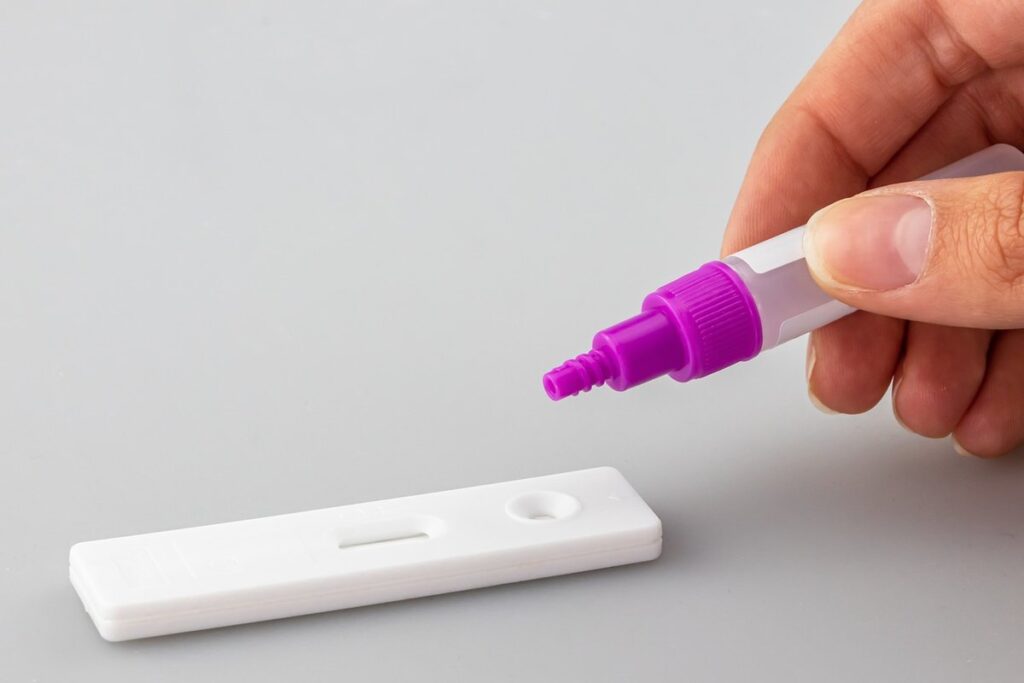
Soil testing kits are an excellent DIY method for determining nutrient levels in your soil. These kits typically consist of test strips or tablets that you dip into a soil sample to get a reading. For macronutrients, the most common measurement is NPK (nitrogen, phosphorus, and potassium). A good soil testing kit will provide you with an approximate measure of these three essential nutrients.
When it comes to micronutrients like zinc and iron, soil testing kits may not be as accurate. However, they can still give you a general idea of whether your soil is deficient in these nutrients. Zinc deficiency can cause stunted growth and yellowing leaves, while iron deficiency can lead to chlorosis (yellowing) of the leaves.
To get an accurate reading with a soil testing kit, make sure to follow the instructions carefully. Collect a representative sample from your garden bed or pot, then mix it with distilled water according to the manufacturer’s instructions. Compare the resulting color change against the provided chart to determine nutrient levels. Keep in mind that these kits are not as precise as laboratory tests, but they’re a great starting point for DIY soil testing.
Interpreting Test Results and Making Adjustments
When interpreting test results, it’s essential to understand what each value means and identify potential issues that may be affecting your soil’s nutrient levels. Start by comparing the lab’s recommendations for optimal values with your actual test results. If a nutrient level is below the recommended range, you’ll need to take action.
Begin by determining which nutrients are most critical to improve first. For example, if your pH level is too high or low, it may be affecting nutrient availability and uptake by plants. If your phosphorus levels are low, this could lead to weak root growth and reduced plant yields. Identify the specific nutrient that requires attention and prioritize correcting it.
To make adjustments, consider applying organic amendments such as compost, manure, or green sand, which can help restore nutrient balance. Additionally, you may need to adjust fertilization schedules based on test results. Keep in mind that over-fertilization is common among DIY gardeners; instead of throwing more nutrients at the problem, try reducing fertilizer applications and allowing the soil to recover.
Actionable tips for interpreting test results:
* Compare lab recommendations with actual values.
* Identify critical nutrients that require attention first.
* Prioritize correcting the most pressing nutrient imbalance.
* Consider applying organic amendments like compost or manure.
* Adjust fertilization schedules based on test results.
Advanced DIY Soil Testing Methods
If you’re looking for more advanced ways to analyze your soil, we’ll dive into some specialized techniques that take it up a notch from basic testing methods. These involve more complex tools and procedures.
Using Hydroponic or Aquaponic Systems for Nutrient Analysis
When it comes to analyzing nutrient levels in your soil, hydroponic and aquaponic systems offer a more controlled environment for testing. These closed-loop systems allow you to accurately measure the uptake of nutrients by plants without the variables present in traditional soil-based testing methods.
To use a hydroponic system for nutrient analysis, start by setting up a small growing chamber with a few plants. Connect the chamber to a nutrient delivery system that can be easily calibrated and adjusted as needed. This will allow you to simulate different nutrient conditions and observe how your plants respond.
For example, you could test the effects of varying nitrogen levels on plant growth. Simply adjust the nitrogen dosage in the nutrient solution and monitor your plants’ response over time. By doing so, you’ll gain valuable insights into how different nutrients impact your plants and make more informed decisions about soil amendment.
In a similar way, aquaponic systems can be used to test nutrient levels in water rather than soil. This method is particularly useful for analyzing the relationship between water chemistry and plant growth.
Creating Your Own Soil Testing Kit with Local Labs
Creating a custom soil testing kit with local labs is an innovative approach to DIY soil testing. This method leverages the expertise of nearby laboratories, allowing you to tailor a testing kit to your specific needs and budget.
To get started, research local labs that offer soil testing services and contact them to discuss your requirements. Be prepared to provide information about the type of tests you need, the sample size, and any specific parameters you want to focus on. Some labs may require you to collect samples yourself, while others might have their own sampling procedures.
Benefits of this approach include cost-effectiveness, as you can choose which tests are necessary for your specific needs, and potentially faster turnaround times since the lab is local. However, potential drawbacks include limited flexibility in terms of test selection, and dependence on the expertise and reputation of the chosen laboratory.
Interpreting Test Results and Making Decisions
Now that you’ve collected your test results, it’s time to decipher what they mean and make informed decisions about your soil. We’ll walk you through how to accurately interpret these numbers.
Understanding Soil Classification Systems
Soil classification systems are essential tools for gardeners and farmers to understand their soil’s characteristics and make informed decisions about land use. One widely recognized system is the USDA (United States Department of Agriculture) Soil Taxonomy, which categorizes soils based on factors like texture, temperature, and moisture regime. Understanding these classifications can help you determine your soil’s potential uses, fertility levels, and susceptibility to erosion.
For example, if your soil falls under the Inceptisol category (a subgroup within USDA classification), it indicates a relatively young soil with a mix of sand, silt, and clay particles. This knowledge helps you tailor fertilizer applications or adjust irrigation strategies accordingly. Soil classifications also inform decisions about crop selection and rotation, as certain plants thrive in specific soil types.
To apply this knowledge, start by identifying your local USDA Hardiness Zone and corresponding soil classification. You can then consult online resources or consult with a local nursery expert to determine the best course of action for your specific soil type. By understanding these classifications, you’ll be better equipped to care for your garden and make informed decisions about land use.
Using Test Results to Inform Gardening or Landscaping Decisions
When you receive your DIY soil test results, it’s essential to use that information to make informed decisions about fertilization, irrigation, and other gardening practices. This may seem like a no-brainer, but many gardeners overlook the importance of linking their testing data to real-world applications.
Start by reviewing your pH level results. If your soil is too alkaline or acidic, you’ll need to adjust your fertilizer choices accordingly. For example, if your soil is highly alkaline and you’re trying to grow acid-loving plants like azaleas or blueberries, you may need to add sulfur or aluminum sulfate to lower the pH.
Similarly, consider your nutrient levels when selecting fertilizers. If test results show low phosphorus or potassium levels, for instance, choose a balanced fertilizer that includes these essential nutrients.
In addition to fertilization decisions, use your test results to inform irrigation strategies. If your soil is sandy and drains quickly, you may need to water more frequently. Conversely, if it’s clay-based and retains moisture poorly, watering should be less frequent.
Best Practices and Safety Precautions
When testing your soil at home, it’s essential to follow some crucial guidelines to ensure accuracy and prevent potential hazards. Follow these best practices and safety precautions carefully to get reliable results.
Handling Chemicals and Equipment Safely
When working with chemicals and equipment to conduct soil tests, safety should be your top priority. It’s essential to handle these substances carefully to avoid exposure to potentially hazardous materials.
Before starting a test, familiarize yourself with the Material Safety Data Sheets (MSDS) for each chemical you’ll be using. These documents provide critical information on proper handling, storage, and emergency procedures in case of accidents. For instance, wearing gloves and protective eyewear is crucial when working with acidic or alkaline solutions.
When handling equipment, ensure it’s properly calibrated to deliver accurate results. Regularly inspect your tools for signs of wear and tear, and replace them if necessary. When collecting soil samples, use a clean container to avoid contamination.
Proper ventilation is also vital in your workspace. Choose a well-ventilated area or work outdoors when possible. Avoid mixing chemicals indoors without proper ventilation, as this can lead to the buildup of hazardous fumes.
By following these guidelines, you’ll be able to conduct soil tests safely and accurately, minimizing risks associated with chemical exposure.
Avoiding Contamination and Ensuring Sample Integrity
When collecting and testing soil samples, it’s easy to compromise their integrity. Contamination can occur through contact with dirty equipment, exposure to pollutants, or even just poor handling techniques. To prevent this, make sure to wear gloves when collecting samples and store them in airtight containers. Label each sample clearly, including the date and location where it was taken.
When testing soil samples, use distilled water instead of tap water to prevent mineral contamination. Also, ensure your equipment is properly calibrated before use. For instance, pH meters need regular calibration checks to maintain accuracy. Consider using a dedicated testing area with minimal distractions and controlled lighting to minimize human error.
Remember, a contaminated or compromised sample can lead to inaccurate results, which may have serious consequences for plant growth or environmental health. By being mindful of these factors, you can ensure the integrity of your soil samples and achieve reliable test results.
Frequently Asked Questions
What if I don’t have a lot of time to dedicate to DIY soil testing? Can I still get reliable results?
You can definitely get reliable results with DIY soil testing, even on a tight schedule. Focus on the most essential tests, such as pH and nutrient levels, and use simple methods like baking soda and vinegar for pH testing. Prioritize your garden’s specific needs and allocate time accordingly.
How do I store my soil samples before sending them off for analysis or conducting further DIY tests?
Proper storage is crucial to maintaining sample integrity. Store soil samples in airtight containers, such as plastic bags or glass jars with tight-fitting lids. Keep them away from direct sunlight, moisture, and extreme temperatures (around 40°F to 80°F). Label each container clearly with the sample’s location and date.
Can I use DIY methods for testing other types of soil properties, like organic matter content?
While DIY soil testing kits may not be available for every type of analysis, you can still estimate some parameters. For instance, measure organic matter content by drying a small amount of soil in an oven at 300°F (150°C) for several hours and then weighing the dried sample.
What if I have multiple gardens or properties to test? Are there any cost-effective ways to scale up my DIY testing efforts?
Yes, you can definitely scale up your DIY testing efforts while keeping costs down. Consider purchasing soil testing kits in bulk or repurposing materials from previous tests. Additionally, look into local resources like universities, extension offices, or community gardens that may offer low-cost or free testing services.
How do I know if my DIY test results are accurate enough for making informed decisions about fertilization and amendments?
To ensure accuracy, it’s essential to understand the limitations of your DIY testing methods. Compare your results with data from local labs or professional soil tests to validate your findings. Keep in mind that DIY tests may not provide precise values but can help you identify trends and areas for improvement.
Are there any DIY methods for testing soil structure and texture?
Yes, there are several DIY methods for assessing soil structure and texture. One simple approach is the “ball-and-spoon test”: wet a small amount of soil and try to shape it into a ball or a ribbon. The resulting shape will give you an indication of your soil’s texture.