
Are you tired of using commercial potting mixes that may not be tailored to your specific vegetable needs? Creating your own customized potting mix can make all the difference in achieving optimal plant growth and reducing reliance on chemical-laden products. By making a simple potting mix recipe, you’ll have more control over the ingredients and ensure that your vegetables receive exactly what they need to thrive.
With this comprehensive guide, we’ll walk you through step-by-step recipes for creating potting mixes specifically designed for vegetables. From understanding the essential components of a successful potting mix to incorporating beneficial additives like compost and perlite, our expert tips will empower you to create customized mixes that cater to your garden’s unique requirements. By making this simple switch, you’ll enjoy healthier plants, reduced waste, and a more sustainable gardening practice.
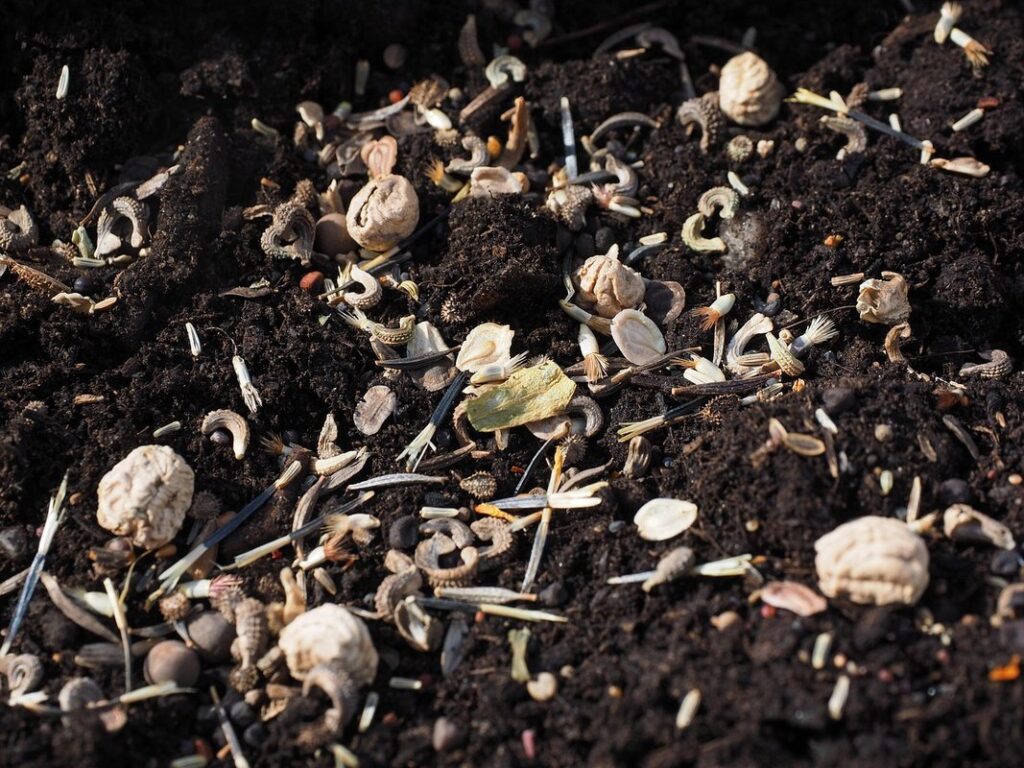
Understanding the Importance of a Well-Crafted Potting Mix
A well-crafted potting mix is crucial for healthy plant growth, and understanding its importance will help you create an optimal blend for your vegetable garden. Let’s dive into what makes a good potting mix.
Benefits of Using a Customized Potting Mix
Creating a customized potting mix is one of the most significant advantages of making your own DIY potting mix. When you buy commercial potting mixes, they often come with a hefty price tag and may not cater to the specific needs of your vegetables. On the other hand, making your own potting mix allows you to tailor it according to the requirements of your plants.
By using a homemade potting mix, you can save money in the long run. A bag of peat moss or vermiculite might seem expensive at first, but when you use them in bulk, you’ll find that they last longer and provide better results than commercial mixes. Moreover, making your own potting mix gives you the freedom to choose ingredients based on your garden’s specific needs.
For instance, if you’re growing vegetables like tomatoes or peppers, which require a slightly acidic pH, you can add peat moss to lower the pH level of your soil. Similarly, for plants that love moisture but don’t prefer waterlogging, you can mix in perlite or vermiculite for better drainage. This flexibility and customization make a homemade potting mix a game-changer for vegetable gardeners who want the best results for their crops.
Common Issues with Commercial Potting Mixes
When it comes to potting mixes available at most garden stores, there are several issues that can arise. One common problem is high salt content. This can occur due to the use of by-products from industrial processes, such as sawdust or bark fines, which contain high levels of salts. When these materials break down in the soil, they release excessive amounts of sodium and potassium. These high salt levels can be detrimental to your plants’ growth.
Another issue with commercial potting mixes is inadequate drainage. Many store-bought mixes are designed for indoor containers where moisture doesn’t evaporate quickly. However, this can lead to waterlogged conditions when used in outdoor gardens or larger containers. This results in root rot and other problems associated with excess moisture.
Lastly, some potting mixes may contain weed seeds, which can germinate within the mix itself. These weeds compete with your desired plants for nutrients and space, causing additional work for you as a gardener.
Choosing the Right Ingredients for Your DIY Potting Mix
When it comes to creating your own potting mix, selecting the right ingredients is crucial for healthy plant growth. Let’s explore what you need to look out for in this selection process.
Selecting the Perfect Soil Component
When it comes to creating a DIY potting mix for vegetables, selecting the perfect soil component is crucial. This is where most gardeners go wrong – using a generic potting mix that may not provide the necessary nutrients for their plants.
A well-balanced soil component should meet the nutritional needs of your vegetables. For instance, tomatoes require more calcium than peppers, so you’ll want to choose a mix with a higher concentration of limestone or dolomitic limestone. On the other hand, if you’re growing leafy greens like lettuce and spinach, you can opt for a mix with a lower pH level.
You can use different types of topsoil, peat moss, or compost as your base soil component. Topsoil is a great option as it’s rich in organic matter and microorganisms that help plants grow. Peat moss, on the other hand, helps retain moisture and suppresses weed growth. Compost adds essential nutrients like nitrogen, phosphorus, and potassium to the mix.
To create an effective blend, consider combining 20-30% topsoil, 10-20% peat moss, and 50-60% compost. This will give you a balanced mix that supports healthy root development, nutrient uptake, and overall plant growth.
Incorporating Organic Matter and Nutrients
When creating your DIY potting mix recipe for vegetables, incorporating organic matter is crucial to provide essential nutrients and improve fertility. Organic matter such as manure, bone meal, and fish emulsion can add beneficial microbes, increase water-holding capacity, and release vital nutrients slowly over time.
Manure, derived from animal waste, is an excellent source of nitrogen, phosphorus, and potassium (NPK). Use it in moderation – 10-20% of the total mix – as excessive amounts can cause nutrient burn. Bone meal, on the other hand, is a slow-release fertilizer providing sustained phosphorus supply for healthy root development.
To incorporate these nutrients effectively:
* Mix manure or bone meal into smaller batches before adding them to your main potting mix
* Use fish emulsion (1-2% of total mix) as an alternative source of NPK and beneficial microbes
* Balance the addition of organic matter with other ingredients to avoid nutrient imbalances
Creating a Balanced pH Level in Your Potting Mix
Achieving the right balance of acidity and alkalinity is crucial for optimal nutrient uptake, so let’s dive into the importance of maintaining a healthy pH level in your potting mix.
The Role of pH in Plant Growth
Understanding the role of pH in plant growth is crucial when creating a potting mix recipe for vegetables. pH affects not only the availability of nutrients but also influences microbial activity and root development.
For most vegetables, an ideal pH range lies between 6.0 and 7.0. This window allows plants to effectively absorb essential micronutrients like iron, zinc, and manganese, which are critical for optimal growth. For instance, tomatoes thrive in a slightly acidic to neutral soil pH (around 6.5-7.0), while lettuce prefers a more alkaline environment (pH 7.0).
When the pH deviates from this range, nutrient availability decreases significantly. For example, if your potting mix is too acidic (pH below 6.0), phosphorus and potassium may become unavailable to plants. Conversely, high pH levels can lead to micronutrient deficiencies, hindering plant growth.
To maintain a balanced pH in your potting mix, it’s essential to use ingredients that provide a stable buffering capacity. A mix of peat moss or coconut coir with perlite or vermiculite will help regulate pH fluctuations and create an optimal environment for vegetable growth. Monitor the pH levels regularly using pH testing kits and adjust your recipe accordingly to ensure your plants receive the necessary nutrients.
Methods for Achieving Optimal pH Levels
Achieving optimal pH levels in your potting mix is crucial for healthy vegetable growth. Different vegetables have varying pH requirements, ranging from slightly acidic to neutral or alkaline conditions. To adjust the pH level of your potting mix, you can use lime to raise it or sulfur to lower it.
Lime is an effective method for raising the pH level of your potting mix. You can add dolomitic limestone, which contains calcium and magnesium, to increase the pH level. For example, if your soil test indicates a pH of 5.5, you may need to add 1-2 pounds of lime per 100 square feet of garden bed. It’s essential to follow the manufacturer’s instructions for application rates to avoid over-liming.
On the other hand, sulfur is used to lower the pH level in your potting mix. Elemental sulfur or aluminum sulfate can be applied according to the soil test results. A general rule of thumb is to add 1/2 to 1 pound of sulfur per 100 square feet for every 1 point of pH reduction needed.
It’s crucial to retest your potting mix after adjusting the pH level to ensure the desired levels have been achieved. This will help you refine your adjustments and provide the optimal conditions for vegetable growth. By monitoring and adjusting the pH level, you can create a balanced potting mix that supports healthy plant development and maximizes yields.
Preparing Your Garden Bed for the New Potting Mix
Before you start mixing, make sure your garden bed is clean and free of debris, allowing your new potting mix to perform at its best. Remove any weeds and till the soil gently.
Preparing the Soil Before Application
Before applying the new potting mix to your garden bed, it’s essential to prepare the soil properly. This step is often overlooked, but it makes a significant difference in the overall health and productivity of your vegetable plants.
Start by loosening the soil using a fork or spade, working from one end of the bed to the other. This will help break up any clods and compacted areas, allowing the new potting mix to settle evenly and penetrate deep into the soil. Remove any debris such as rocks, twigs, or weeds that could hinder root growth.
Next, check for and remove any existing weeds by digging them out completely. Don’t just pull them out, as this can damage the roots of nearby plants. If you have a lot of debris to remove, consider using a garden hose to flush it away, making the process more manageable.
Finally, level the soil to ensure it’s even and smooth. This is crucial for proper drainage and root development. Once your soil is prepared, you’ll be ready to apply the DIY potting mix recipe and get started on growing healthy, thriving vegetables.
Tips for Smooth Transition from Old to New Mix
When transitioning from an old to new potting mix, it’s essential to ensure that your garden bed adapts smoothly to minimize shock and stress on the plants. Watering thoroughly after application is crucial to help the new mix settle and allow the plants’ roots to adjust.
Start by watering the garden bed generously, ensuring the soil is consistently moist but not waterlogged. This will give the new mix time to absorb excess moisture and stabilize its structure. For a more intense transition, you can also apply a 2-inch layer of mulch or compost on top of the new mix, which will help retain moisture and regulate temperature fluctuations.
Another key tip is to avoid over-tilling the soil during this period, as it can cause damage to existing root systems. Instead, gently rake the surface to integrate the new mix with the old soil. Regularly monitoring your plants’ response to the new mix will also allow you to make any necessary adjustments and prevent potential stress or nutrient deficiencies.
By following these steps and allowing a gradual transition period, your garden bed should adjust smoothly to the new potting mix, setting the stage for optimal plant growth and development.
Maintenance and Upkeep of Your DIY Potting Mix
To keep your homegrown veggies thriving, it’s essential to regularly inspect and maintain your homemade potting mix, making adjustments as needed. This involves monitoring pH levels, replenishing nutrients, and controlling moisture.
Monitoring pH Levels and Adjusting as Necessary
Regularly monitoring the pH levels of your potting mix is crucial to maintain optimal growth conditions for your vegetables. The ideal pH range for most vegetables falls between 6.0 and 7.0, but some plants like blueberries and azaleas require more acidic or alkaline environments.
To monitor pH levels, you can purchase a DIY pH test kit from a gardening store or online. These kits typically include a small container of testing solution and a color chart for comparison. To conduct the test, simply mix 1 tablespoon of potting mix with 1 tablespoon of testing solution in a separate container. Wait for 30 seconds to observe the resulting color change on the chart.
If your pH readings are consistently outside the optimal range, you’ll need to adjust them accordingly. This can be done by adding either acidic (sulfur or peat moss) or alkaline (lime) materials to the potting mix. For example, if your soil is too alkaline, adding a 1-inch layer of sulfur-based fertilizer at the bottom of the container can help lower the pH.
It’s essential to note that adjusting pH levels can be a gradual process, requiring repeated testing and adjustments over several weeks or months. Be patient and observe changes in plant growth as you make adjustments to the potting mix.
Managing Water Retention and Drainage
Managing water retention and drainage is crucial when it comes to maintaining your potting mix. If you’ve noticed that your plants are prone to overwatering or underwatering, it’s likely due to issues with the mix’s ability to retain moisture and drain excess water.
To improve this balance, consider incorporating materials like perlite or vermiculite into your potting mix recipe. These ingredients are designed to help regulate water retention while preventing waterlogged soil conditions. Perlite is a popular choice for its excellent drainage properties and ability to prevent compaction in the soil. Add 10-20% of perlite to your mix to see significant improvements.
Another option is vermiculite, which helps retain moisture but still allows for good drainage. Mix in 5-15% vermiculite into your recipe to achieve a more balanced water retention and drainage system. Be sure to adjust the ratio based on your specific climate and plant needs.
Remember that small changes can make a big difference. Experiment with different ratios of perlite or vermiculite to find what works best for your potting mix and plants.
Troubleshooting Common Issues with Your DIY Potting Mix
We’ve all been there – a batch of potting mix doesn’t quite turn out as expected, leading to struggling plants and disappointing harvests. Let’s address these common issues together and find solutions!
Identifying Causes of Poor Plant Growth
Poor plant growth can be frustrating and puzzling, especially when you’ve put so much care into creating your DIY potting mix. To get to the root of the problem, it’s essential to identify common signs of poor plant growth and their underlying causes.
Look out for yellowing leaves, stunted growth, or a general decline in plant vigor – these symptoms can be indicative of nutrient deficiencies or pH imbalances. Nutrient deficiencies are often caused by inadequate fertilizer application or using low-quality potting mix ingredients. To diagnose this issue, check your fertilizers’ NPK (nitrogen-phosphorus-potassium) ratio and consider adjusting the formula for a more balanced blend.
Another common cause is pH imbalance – if your potting mix has an excessively high or low pH, it can be detrimental to plant growth. Most vegetables prefer a slightly acidic to neutral soil pH between 6.0 and 7.0. To check your potting mix’s pH level, use a soil testing kit. Based on the test results, you may need to adjust the pH by adding lime or sulfur.
Keep in mind that poor drainage or waterlogged conditions can also hinder plant growth. Make sure your DIY potting mix has adequate perlite or vermiculite to prevent waterlogging and ensure proper aeration.
Solutions for Addressing Specific Issues
When you notice issues with pests, diseases, or nutrient deficiencies in your potting mix, it’s essential to address them promptly to prevent further damage. One common pest issue is aphids, which can be controlled using neem oil or insecticidal soap. For example, if you’re experiencing an infestation of whiteflies, try spraying a solution of water and mild dish soap directly on the affected plants.
Diseases like fungal infections can often be prevented by ensuring good air circulation around your plants and watering carefully to avoid overwatering. If you notice any signs of disease, remove infected leaves or stems immediately and dispose of them properly. To combat nutrient deficiencies, consider getting a soil test done to determine the pH level and nutrient availability in your potting mix.
Common nutrient deficiencies include nitrogen, iron, or magnesium insufficiencies. To address these issues, add organic fertilizers like compost tea or fish emulsion according to the product’s instructions. For instance, if you suspect a nitrogen deficiency, try side-dressing with a high-nitrogen fertilizer during the growing season.
Frequently Asked Questions
What if I’m new to gardening or don’t know where to start with making my own potting mix?
Start by identifying the specific needs of your vegetable garden, such as soil type, climate, and desired nutrient levels. Read through the main article to understand the essential components of a successful potting mix and how to incorporate beneficial additives like compost and perlite.
How do I know if my DIY potting mix is balanced in terms of pH levels?
To ensure your potting mix has an optimal pH level for plant growth, you can use a soil testing kit or send a sample to a lab for analysis. Based on the results, adjust your recipe accordingly by adding more acidic or alkaline ingredients.
Can I reuse my old potting mix with the new customized blend?
Yes, but it’s generally recommended to start fresh with a completely new potting mix, especially if you’re making significant changes to your recipe. This will prevent potential contamination and ensure that your plants receive the optimal nutrients they need.
How often should I adjust the pH levels in my DIY potting mix?
No, it’s not necessary to regularly adjust the pH levels in your potting mix unless you notice a significant change in plant growth or soil conditions. Monitoring pH levels and making adjustments as necessary is key to maintaining an optimal environment for your vegetables.
What if I don’t have access to certain ingredients like perlite or vermiculite?
You can substitute these ingredients with other materials that provide similar benefits, such as pumice or coconut coir. However, keep in mind that the performance and texture of your potting mix may vary depending on the alternatives you choose.
Can I use my DIY potting mix for indoor plants as well?
Yes, but be sure to adapt your recipe according to the specific needs of your indoor plants, which may require more water retention or drainage. Additionally, consider using a potting mix specifically designed for indoor containers.