
Are you tired of feeling cooped up indoors while your plants suffer from lack of sunlight? Creating a DIY mini greenhouse indoor is an amazing solution to bring some life and greenery into your space, all year round! Not only is it budget-friendly, but it’s also an eco-conscious way to grow your favorite plants without consuming excess energy.
With a little creativity and the right materials, you can build a thriving mini greenhouse that’s perfect for indoor growing. In this article, we’ll show you how to create a mini greenhouse using recycled materials, optimize growing conditions, and enjoy year-round plant growth without breaking the bank. From choosing the right location to selecting the ideal plants, we’ll cover it all – from basics to expert tips. Get ready to breathe new life into your indoor space with this easy DIY project!
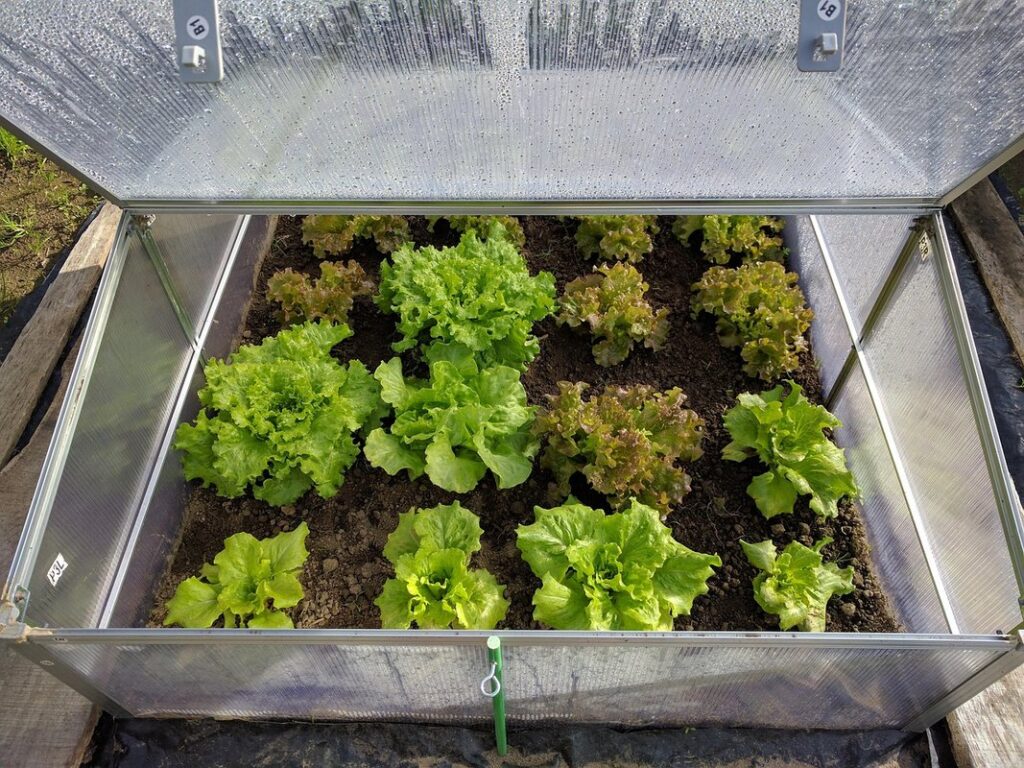
Benefits of a Mini Greenhouse
A mini greenhouse is not just a pretty addition to your home, but it also provides numerous benefits that will enhance your indoor gardening experience. You’ll discover how these advantages can transform your plant-growing hobby.
Space-Saving Designs
When it comes to small indoor spaces, a mini greenhouse might seem like an unattainable luxury. However, with space-saving designs, you can grow a variety of plants year-round without taking over your home. Consider a wall-mounted mini greenhouse that can be installed near a window or on the balcony. These designs not only save floor space but also provide excellent ventilation and natural light.
For smaller spaces, look into tiered mini greenhouses that can fit snugly in corners or against walls. These multi-level designs allow for maximum plant density while minimizing footprint. You can even repurpose old pallets to create a vertical garden greenhouse that is both eco-friendly and budget-friendly.
When designing your space-saving mini greenhouse, don’t forget about portability. Consider using lightweight materials like polycarbonate panels or acrylic glazing that are easy to move around when needed. This flexibility will come in handy during seasonal changes or when rearranging your indoor space.
Energy Efficiency
One of the most significant benefits of a mini greenhouse is its ability to reduce energy consumption. By retaining heat and creating a stable microclimate, you can keep your plants healthy and thriving without breaking the bank. In fact, studies have shown that greenhouses can reduce heating costs by up to 40% in cold climates.
This is because a mini greenhouse acts as an insulating layer around your plants, trapping warm air and moisture close to the soil and roots. This microclimate effect allows you to regulate temperature fluctuations, reducing the need for artificial heating or cooling systems. For example, if you’re growing tropical plants indoors during winter, a mini greenhouse can provide a cozy environment that’s up to 10°F warmer than the surrounding room.
To maximize energy efficiency in your mini greenhouse, make sure it’s well-insulated and sealed tightly around the edges. You can also use thermal mass materials like brick or concrete to absorb heat during the day and release it at night, helping to maintain a stable temperature.
Increased Yield
One of the most exciting benefits of having a mini greenhouse indoors is the potential for increased yields. By optimizing growing conditions, you can create an environment that’s perfect for your plants to thrive. With a mini greenhouse, you have more control over temperature, humidity, and light levels, which are all crucial factors in plant growth.
For example, let’s say you’re trying to grow tomatoes indoors during the winter months. A traditional indoor growing setup might not provide enough light, leading to weak and spindly plants that struggle to produce fruit. But a mini greenhouse can be equipped with supplemental lighting, such as LED grow lights, which can extend the day length and provide the necessary spectrum for optimal growth.
As a result, you can expect your tomato plants to grow stronger and healthier, producing more fruit than they would in a traditional indoor setup. In fact, studies have shown that mini greenhouses can increase yields by up to 30% compared to outdoor growing conditions. With careful planning and attention to detail, you can replicate these results in your own DIY mini greenhouse project.
Choosing the Right Materials
When it comes to building a mini greenhouse, selecting the right materials is crucial for durability and effectiveness. Let’s take a look at what you’ll need.
Recycled and Repurposed Materials
When it comes to building a mini greenhouse indoor, repurposing and reusing materials can be a great way to reduce waste, get creative, and save money. One of the most popular options is using old windows as glazing material. You can find them at thrift stores, garage sales, or even in your own attic or basement. Just make sure they’re free from any broken glass or other hazards.
Another idea is to repurpose an old picture frame or a wooden crate as the base of your mini greenhouse. This can add a touch of rustic charm and provide a unique look for your indoor garden. You can also use old pallets, which are readily available and perfect for creating shelves or planters.
When reusing materials, it’s essential to clean and disinfect them thoroughly before using them in your mini greenhouse. This will prevent any potential diseases from spreading to your plants. With a little creativity, you can turn discarded items into functional and beautiful elements of your indoor garden.
Insulation and Weatherproofing Options
When it comes to building a DIY mini greenhouse indoor, insulation and weatherproofing are crucial components to ensure a healthy environment for your plants. You have several options to choose from, each with its pros and cons.
Foam board is an affordable and easy-to-use option that provides excellent insulation against cold temperatures. However, it may not be suitable for warmer climates or during periods of high humidity. Another popular choice is plastic sheeting, which comes in various thicknesses and can be applied to walls and ceilings. It’s waterproof and durable but may require additional support to prevent sagging.
You can also consider polycarbonate glazing, a more expensive option that offers superior light transmission and durability. Fiberglass-reinforced plastic (FRP) is another option that combines strength with insulation properties. When choosing an insulation material, remember to consider factors like climate, budget, and ease of installation. Make sure to follow the manufacturer’s instructions for application and ensure proper sealing to prevent air leaks.
Frame Selection: Wood, PVC, or Metal?
When it comes to choosing a frame material for your mini greenhouse, you have three popular options: wood, PVC (polyvinyl chloride), and metal. Each has its pros and cons that will impact the overall durability, cost, and aesthetics of your project.
Wooden frames are a classic choice, offering a natural, rustic look that blends well with indoor spaces. However, they require regular maintenance to prevent rot and warping, which can be time-consuming and costly in the long run. Wood is also prone to damage from pests and weather conditions, which may compromise the structural integrity of your greenhouse.
PVC frames are a low-maintenance alternative to wood, resistant to corrosion and rot. They are also relatively affordable and easy to install. However, PVC can become brittle over time, making it more susceptible to cracking under extreme temperatures or humidity levels.
Metal frames offer exceptional durability and resistance to weather conditions but can be more expensive upfront. Aluminum and steel options are popular for their strength-to-weight ratio and corrosion-resistant properties.
Designing Your Mini Greenhouse
Now that you have a solid foundation, it’s time to bring your mini greenhouse design to life. This section will walk you through the process of creating a functional and visually appealing structure.
Size Matters: Finding the Perfect Scale
When it comes to designing your mini greenhouse, size truly is a crucial factor to consider. It may seem obvious, but it’s essential to choose a scale that fits perfectly within the available space in your home or office. A mini greenhouse that’s too large can dominate an entire room, while one that’s too small might not provide enough space for your plants to thrive.
Consider the type and number of plants you plan to grow. For example, if you’re growing a single tray of herbs, a compact model measuring around 2×3 feet would be sufficient. However, if you want to cultivate a variety of vegetables or flowers, you’ll need more space – ideally between 4×6 to 6×8 feet.
Another critical aspect is the desired level of complexity. Are you looking for a simple, plug-and-play solution, or are you willing to invest time and effort into customizing your mini greenhouse? Assessing these factors will help you determine the ideal size for your project.
Ventilation and Air Circulation
When designing your mini greenhouse, it’s essential to prioritize ventilation and air circulation. Proper airflow is crucial to prevent overheating, which can be detrimental to plant growth. If the air inside your mini greenhouse becomes stagnant, it can lead to fungal diseases, pest infestations, and even kill your plants.
To achieve good ventilation, consider installing windows or vents on opposite sides of the structure. This will create a cross breeze that allows hot air to escape while drawing in cooler air from outside. You can also use fans to supplement natural airflow, especially during periods of intense sunlight.
Another crucial aspect is air circulation within the greenhouse itself. Plant leaves need space to breathe and exchange gases, which can be compromised when plants are too close together. Leave enough room between your plants for adequate growth and prune them regularly to maintain optimal spacing. By prioritizing ventilation and air circulation, you’ll create a healthy environment that promotes plant growth year-round.
Additional Features: Shading, Lighting, and Irrigation
When designing your mini greenhouse, it’s essential to consider additional features that will enhance plant growth and health. One crucial aspect is shading, which helps prevent scorching and promotes healthy growth. You can incorporate shading devices such as louvers or shades, which can be installed on the roof or sides of the greenhouse. These not only block intense sunlight but also reduce heat gain during warm months.
In areas with limited natural light, supplemental lighting becomes necessary to promote plant growth. Options include LED grow lights, fluorescent lights, or high-intensity discharge (HID) lamps. When selecting a lighting system, consider the type and quantity of plants, as well as the available space within your mini greenhouse. For instance, if you’re growing leafy greens, which require lower light levels, a single T5 fluorescent light can suffice.
Irrigation systems are also vital for maintaining optimal moisture levels in your mini greenhouse. A drip irrigation system or soaker hose can deliver water directly to plant roots, reducing evaporation and runoff. You can install an automatic timer to ensure consistent watering schedules. This not only conserves water but also saves you time and effort.
Building Your Mini Greenhouse
Now that you’ve chosen a perfect spot for your mini greenhouse, let’s focus on building it, starting with selecting the right materials and designing the structure.
Step-by-Step Assembly Guide
As you begin assembling your mini greenhouse, it’s essential to follow these step-by-step instructions carefully. This will ensure that your structure is sturdy and secure for years of plant growth.
Start by attaching the legs to the frame using screws or nails. Make sure they are evenly spaced and securely fastened. Next, install the roof supports and attach the glazing materials – polycarbonate panels or glass – to the frame. Ensure a snug fit and use silicone sealant around the edges to prevent water entry.
Now it’s time to add the finishing touches: install shelving for your plants, attach any additional features such as ventilation systems or irrigation drippers. Use wire mesh to cover the bottom of the greenhouse to keep pests out. Finally, inspect every aspect of your mini greenhouse, making sure all parts are securely attached and the structure is level.
If you’re unsure about any part of the assembly process, consult the manufacturer’s instructions or seek advice from a seasoned DIY enthusiast.
Troubleshooting Common Issues
One of the most frustrating things that can happen during DIY projects is encountering unexpected issues. If you’re building a mini greenhouse, there are a few common problems to watch out for. Leaky joints and uneven frames can be particularly troublesome.
To address leaky joints, make sure all parts are properly assembled and tightened before sealing any gaps with silicone sealant or weatherstripping. For example, if your frame is made of PVC pipes, use a pipe cement to secure the connections between them. This will help prevent water from seeping in and causing damage.
Uneven frames can be corrected by re-checking the plans and making necessary adjustments. Double-check that all measurements are accurate and make any necessary cuts or adjustments before proceeding with assembly. If you notice an issue during the build process, don’t hesitate to take a step back and assess what needs to be done.
It’s also essential to have some basic tools on hand, such as a level, tape measure, and utility knife, which will help you troubleshoot any issues that arise.
Safety Precautions: Working with Power Tools and Glass
When working on your mini greenhouse project, safety should always be your top priority. This is especially true when handling power tools and glass, which can pose significant risks if not handled correctly.
First and foremost, ensure you’re wearing proper protective gear while using power tools, including safety glasses, ear protection, and a dust mask. It’s also crucial to maintain a clean and clutter-free workspace to avoid tripping hazards and electrical shocks.
When working with glass, be mindful of the sharp edges and points that can cause cuts and other injuries. Always handle glass with care, using gloves or a towel to grip it securely, and store it safely away from children and pets.
Additionally, make sure your building area is well-ventilated to avoid inhaling fumes from power tools or chemicals. Regularly check the condition of your tools and equipment to prevent any accidents caused by worn-out parts.
Maintaining Your Mini Greenhouse
To keep your mini greenhouse thriving, you’ll want to maintain a consistent watering schedule and monitor temperature fluctuations to ensure optimal growing conditions. Regular maintenance is key!
Temperature Control: Heating and Cooling Strategies
Temperature control is one of the most critical aspects of maintaining a mini greenhouse. Since these structures are essentially enclosed spaces, temperature fluctuations can be significant, affecting plant growth and overall health. To regulate these changes, you’ll want to consider implementing both heating systems and passive cooling techniques.
For heating, options include electric heaters, space heaters, or even hydronic heating systems. When choosing a heating method, keep in mind the size of your mini greenhouse and the type of plants you’re growing. For example, seedlings require warmer temperatures (around 70-80°F) than mature plants, which can tolerate cooler temps.
Passive cooling strategies involve design elements that minimize heat gain during warmer months. Use shading materials like shade cloth or louvers to filter direct sunlight. Also, consider the color of your greenhouse’s exterior – lighter colors tend to reflect rather than absorb heat. Additionally, ensure good air circulation by installing vents and fans to promote cross-ventilation and reduce temperature buildup.
Humidity Management: Monitoring and Adjusting
Maintaining optimal humidity levels is crucial for healthy plant growth within your mini greenhouse. When the air is too dry, plants may become stressed, leading to weak and brittle leaves. On the other hand, excessively high humidity can foster fungal diseases and pests.
To monitor the humidity level in your mini greenhouse, you can use a hygrometer, which is available at most gardening stores or online. This simple device will help you gauge whether the environment is too dry (usually below 40%) or too humid (above 60%). Place it near the plants to get an accurate reading.
For adjusting the humidity levels, consider using methods such as:
• Grouping plants together to create a microclimate
• Using a spray bottle to mist the leaves occasionally, maintaining a fine balance between moisture and dryness
• Positioning the mini greenhouse near a water source or air conditioning unit for better temperature control
By understanding how to manage humidity levels in your mini greenhouse, you’ll be able to provide optimal conditions for your plants to thrive year-round.
Pests and Diseases: Prevention and Treatment
When it comes to maintaining your mini greenhouse, one of the biggest challenges you’ll face is dealing with pests and diseases. Indoor plants are particularly susceptible to infestations due to their enclosed environment. To prevent this from happening, make sure to inspect your plants regularly for signs of pest or disease.
Common pests include spider mites, mealybugs, and aphids. These tiny creatures can quickly multiply and spread to other plants if not addressed promptly. For prevention, use a gentle soap-based solution as a preventative spray, and ensure good air circulation within the mini greenhouse.
If you notice any signs of pest infestation, treat your plants with neem oil or insecticidal soap. Fungal diseases like root rot can be treated by adjusting watering schedules, improving drainage, and using fungicides. If you’re unsure about how to address a specific issue, consider seeking advice from a local nursery or gardening expert.
By staying vigilant and taking proactive measures, you can minimize the risk of pests and diseases affecting your indoor plants and keep them thriving year-round in your mini greenhouse.
Frequently Asked Questions
Can I use a mini greenhouse indoors if I have limited natural light?
Yes, while natural light is beneficial for plants, many varieties can thrive under artificial lighting. Choose low-light tolerant plants like Chinese Evergreen or Pothos, and consider investing in LED grow lights to supplement the available light.
How do I ensure proper ventilation in my mini greenhouse?
Proper air circulation is crucial for preventing fungal diseases and maintaining a healthy growing environment. Install vents at both ends of your mini greenhouse and consider adding windows or louvers to promote cross-ventilation, ensuring at least 20% of the surface area is dedicated to ventilation.
Can I use any type of plastic sheeting for my mini greenhouse?
No, not all plastic sheetings are suitable for a mini greenhouse. Look for UV-stabilized polyethylene or polycarbonate sheets that can withstand exposure to sunlight and prevent degradation over time. These materials also provide better insulation and durability than regular plastic sheets.
What’s the best way to water plants in my mini greenhouse?
Overwatering is common in mini greenhouses, so it’s essential to implement an efficient watering system. Consider installing a drip irrigation system or using self-watering planters with built-in reservoirs to reduce waste and ensure consistent moisture levels for your plants.
How do I maintain the temperature inside my mini greenhouse during extreme weather conditions?
To regulate the temperature in your mini greenhouse, use insulation materials like foam board or bubble wrap on walls and ceiling. During hot summer months, consider installing a shading system or using UV-blocking window film to prevent overheating. In colder periods, utilize passive solar heating by placing plants near south-facing windows or install space heaters with thermostatic controls.