
Are you ready to turn trash into treasure for your garden? Creating a DIY compost bin using reclaimed pallets is an excellent way to reduce waste, save money, and produce rich soil for your plants. With a little creativity and some basic materials, you can transform unwanted pallets into a functional and efficient composting system. In this article, we’ll guide you through the process of selecting the perfect materials, designing your space, and maintaining your pile to ensure optimal results. You’ll learn how to create a compost bin that’s not only eco-friendly but also tailored to your specific needs and garden size. By the end of this tutorial, you’ll be well on your way to creating nutrient-rich soil for a thriving garden using reclaimed pallets as your starting point.
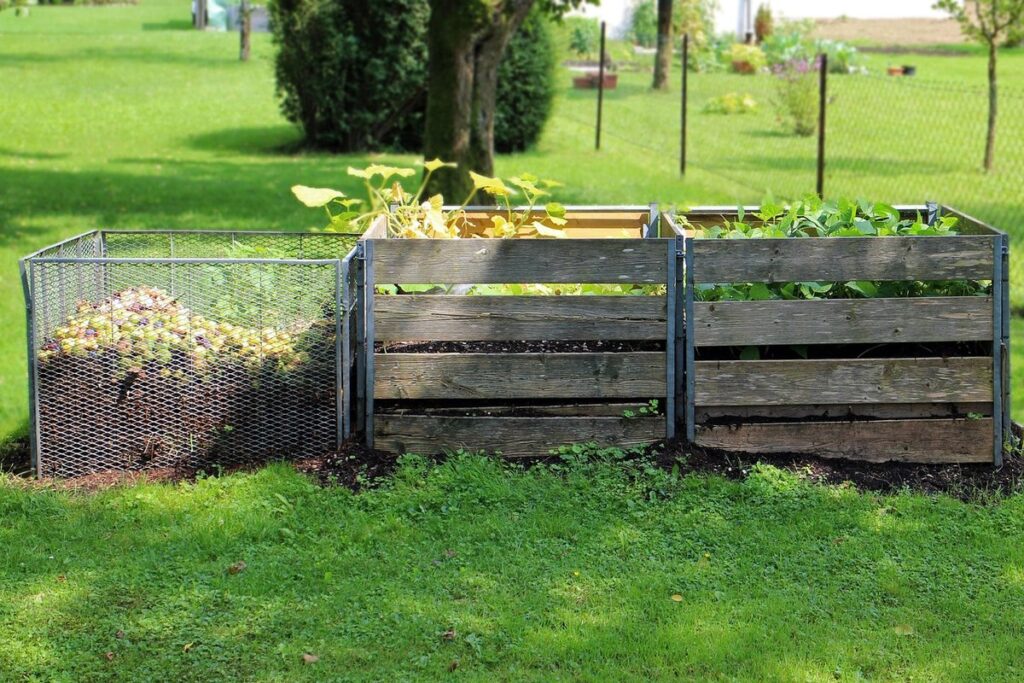
Choosing the Right Materials
When it comes to building a DIY compost bin pallet, selecting the right materials is crucial for durability and sustainability. Make sure you have these essential items on hand before moving forward.
Selecting the Perfect Pallets
When it comes to building a DIY compost bin pallet, selecting the right materials is crucial. The foundation of your compost bin is the pallets you choose, and they need to be sturdy enough to hold the weight of the composting materials. To ensure your pallets meet this requirement, look for ones made from high-quality wood that can withstand moisture and outdoor conditions.
Avoid using pallets with nails or screws, as these can rust and contaminate your compost. Opt for pallets that are specifically designed for outdoor use and have been treated to resist rot and insect damage. You should also inspect the pallets carefully for any signs of damage or wear, such as cracks or splinters.
When selecting pallets, consider their size and material thickness. Thicker pallets will provide more stability and support, while larger pallets can accommodate more composting materials. With these factors in mind, you’ll be able to choose the perfect pallets for your DIY compost bin project.
Understanding Wood Types for Composting
When it comes to building a compost bin pallet, selecting the right type of wood is crucial for its durability and performance. There are two main categories of wood: hardwoods and softwoods.
Hardwoods, such as oak, maple, and ash, are denser and heavier than softwoods. They contain more carbon and less nitrogen, making them ideal for composting. Hardwoods also resist rot and decay better, ensuring the pallet lasts longer in outdoor conditions. However, they can be expensive and harder to find.
Softwoods, like pine, spruce, and fir, are softer and lighter than hardwoods. They have a higher nitrogen content, which can attract pests and create unpleasant odors during composting. While softwoods are often cheaper, they may not provide the best performance for your compost bin.
When choosing wood for your pallet, consider the pros and cons of each type. If you opt for hardwoods, be prepared to spend more on materials. Alternatively, if you choose softwoods, ensure you take extra precautions to minimize potential drawbacks. Ultimately, a well-designed pallet can help optimize the composting process, regardless of the wood type used.
Designing Your Compost Bin Pallet
Now that you have your pallet selection nailed down, let’s move on to designing your compost bin itself. We’ll walk you through the process of creating a sturdy and functional design.
Overview of Different Designs
When it comes to designing your compost bin pallet, there are several shapes and styles to choose from. One of the most popular designs is the rectangular shape, which offers a large capacity for holding waste. This design typically features four equal sides and is easy to build using standard pallet dimensions.
Another option is the square shape, which provides an even surface area for adding compost materials. The square design can be more aesthetically pleasing than the rectangular design, but it may require some additional support to maintain its structural integrity.
Circular designs are also gaining popularity among DIY enthusiasts due to their unique appearance and ability to maximize space. However, they often require more complex calculations and planning to ensure proper proportions and stability. Regardless of which shape you choose, make sure to consider factors like accessibility, ease of maintenance, and pest control when selecting your compost bin design.
Some examples of rectangular designs include using 4-6 pallets with a central gate or adding support beams for added strength. Square designs can be built by stacking four identical pallets in a square pattern. Circular designs may involve more creative planning, such as using curved supports or a rotating drum system.
Measuring and Planning Your Space
When building a DIY compost bin pallet, it’s essential to measure and plan your available space carefully. This will not only ensure that your compost bin is functional but also efficient and well-suited for the specific needs of your garden or yard.
Before you start gathering materials or designing your pallet, take some time to assess the space where your compost bin will reside. Consider factors such as accessibility, sunlight, and drainage. Make sure there’s enough space around the bin for easy access and maintenance.
To measure your available space accurately, use a tape measure to determine the length, width, and depth of the area. Take note of any obstructions or constraints that may impact your design choices. For example, if you have limited vertical clearance, you may want to opt for a shorter compost bin or consider a wall-mounted option.
By carefully measuring and planning your space, you’ll be able to create a custom-designed compost bin that meets the unique needs of your garden or yard, ensuring efficient and effective composting results.
Building the Compost Bin Pallet
Now that you’ve gathered your materials, let’s start building the frame of our compost bin pallet using some basic carpentry skills and tools. We’ll begin with the bottom panel and work our way up.
Preparing the Pallets for Assembly
When working with pallets for your DIY compost bin project, it’s essential to prepare them properly before assembly. Start by disassembling the pallets into individual planks and sets of slats. This will make it easier to inspect each component for damage or defects.
Next, remove any nails or staples that may be holding the slats together. Use a hammer or pry bar to carefully loosen the fasteners, then pull them out completely. Be cautious not to damage the surrounding wood during this process. Remove any debris or loose splinters from the pallet components and clean each piece thoroughly with a wire brush.
Once you’ve disassembled and cleaned the pallets, inspect each component for any signs of rot, mold, or pest infestation. If you find any damaged or compromised planks, set them aside to use elsewhere in your project or discard them altogether. This step is crucial to ensuring your compost bin is durable and effective.
Assembling the Frame and Adding Supports
Now that you have your pallets disassembled and cleaned up, it’s time to assemble the frame of your compost bin. This is a crucial step, as it will provide the structure for your entire project. To begin, gather four pallet planks that are roughly the same length. These will form the base of your frame.
Using a drill or a screwdriver, attach two parallel planks to each other, creating a rectangular shape. Make sure they’re flush and evenly spaced – you can use a level to ensure accuracy. Repeat this process for the remaining two sides, until you have a sturdy rectangular frame. Next, add supports between the horizontal slats by attaching additional pallet planks perpendicularly. This will provide extra stability and prevent the structure from sagging.
Remember, the key to a secure structure is in the assembly. Ensure that all screws or nails are tightened firmly, and double-check your measurements before moving on to the next step.
Adding Composting Components
Now that you’ve built your pallet frame, let’s add the composting components that will help break down your waste into nutrient-rich soil. This is where things get really exciting!
Layering for Optimal Composting
When it comes to composting with your DIY pallet bin, one of the most crucial steps is layering. This might seem like a simple concept, but it’s essential for creating the perfect balance of nutrients and carbon-rich materials that will turn into nutrient-rich compost.
You’ll want to alternate between “green” (nitrogen-rich) and “brown” (carbon-rich) materials. Green materials include kitchen scraps, grass clippings, and manure from herbivores like rabbits or horses. These materials are high in nitrogen and provide the necessary nutrients for microorganisms to break down organic matter.
Brown materials, on the other hand, are high in carbon and help balance out the nitrogen-rich green materials. Examples of brown materials include dried leaves, shredded newspaper, and cardboard. By layering these two types of materials, you’ll create a compost pile that’s teeming with life and will break down quickly.
Aim to have 2/3 of your compost pile made up of brown materials and 1/3 green materials. This balance will help regulate moisture levels and prevent the growth of pests and odors. As you add new layers, mix them gently to maintain oxygen flow and ensure that all materials are exposed to microorganisms.
Creating an Efficient Turning System
When designing your DIY compost bin pallet, it’s essential to create an efficient turning system that makes it easy to mix and aerate the compost pile. This will help speed up the decomposition process, reduce odors, and prevent pests from taking over. A well-designed turning system should enable you to easily turn the compost every week or two, without straining your back.
To achieve this, consider incorporating a sloping floor or a removable door into your pallet design. These features allow for easy access and visibility of the compost pile, making it simple to identify when it’s time to turn it over. Additionally, think about installing a pair of long-handled tools, such as a pitchfork or shovel with a long handle, which will enable you to reach the entire depth of the compost pile without having to bend or strain.
By incorporating these design elements, you’ll be able to create a smooth and efficient turning system that makes composting easier and more enjoyable.
Maintaining Your Compost Bin
Now that you’ve built and started using your compost bin, it’s essential to maintain it properly to ensure optimal decomposition and prevent pests. This section will cover essential tips for maintaining a healthy and thriving compost bin.
Regular Monitoring and Maintenance
Regular monitoring of your compost bin is crucial to ensure that it’s breaking down efficiently and safely. This involves keeping an eye on temperature, moisture levels, and odors. A healthy compost pile should reach temperatures between 130°F to 140°F (54°C to 60°C) due to microbial activity. If the temperature exceeds this range, it may be a sign of too many green materials or inadequate carbon-rich materials.
To monitor temperature, simply insert a food thermometer into your compost bin about once a week. When it comes to moisture levels, aim for the compost pile to feel like a damp sponge. Excessive dryness can slow down decomposition, while too much water can lead to anaerobic conditions and unpleasant odors.
Pay attention to odors as well – if they’re overpowering or sour-smelling, it’s likely that your bin has an imbalance of carbon-rich materials. Adjust the mix by adding more browns (dried leaves, straw) to balance out the greens (food scraps, grass clippings).
Harvesting Your Rich Compost
Now that you’ve been maintaining your compost bin for several weeks, it’s time to harvest the rich rewards of your efforts! Your finished compost is a nutrient-rich goldmine, just waiting to be incorporated into your garden or yard. But how do you know when it’s ready?
Look for these signs: your compost should have an earthy aroma, be dark and crumbly in texture, and be free of recognizable pieces of food or other materials. If you’re unsure, conduct the “squeeze test”: if a handful of compost crumbles easily between your fingers, it’s ready to use.
To incorporate your finished compost into your garden, spread it evenly around plants, mixing it into the soil to a depth of 6-8 inches. You can also use it as a mulch or add it to potting mixes for indoor plants. For example, adding just 2-3 inches of compost to your vegetable beds can increase yields by up to 30%. So go ahead, give your garden a boost with the fruits of your labor – your finished compost is ready to shine!
Tips and Variations for the Advanced User
Now that you’ve built your pallet compost bin, take it to the next level by experimenting with unique designs and techniques to maximize its effectiveness. We’ll share some expert tips and variations to try out.
Adding a Roof or Cover
Adding a roof or cover to your DIY compost bin pallet is a fantastic way to protect your valuable nutrient-rich soil from pests, animals, and harsh weather conditions. By doing so, you’ll not only preserve the quality of your compost but also make it more efficient and convenient to maintain.
One of the primary benefits of adding a roof or cover is that it prevents unwanted visitors like rodents, insects, and other small animals from accessing your compost pile. These pests can contaminate your soil with weeds, pathogens, and other debris, rendering it useless for gardening purposes. A roof or cover also shields your compost from extreme weather conditions such as heavy rainfall, scorching sun, and strong winds that could disrupt the decomposition process.
To add a roof or cover to your DIY compost bin pallet, you can use materials like wood planks, plastic sheets, or even old metal roofing. Ensure that the material is durable, waterproof, and easy to clean. Attach the roof or cover securely to the pallet using screws, nails, or hinges, making sure it doesn’t obstruct the airflow inside the bin.
Creating a Self-Sustaining Ecosystem
Creating a self-sustaining ecosystem within your DIY compost bin pallet is not only beneficial for the environment but also creates a thriving community of microorganisms that break down organic matter efficiently. To start, you can introduce red wiggler worms to your compost pile. These worms are excellent at aerating and breaking down waste, speeding up the decomposition process by 20-30%. Simply add a layer of finished compost or worm tea to attract them.
Another way to create a self-sustaining ecosystem is by incorporating beneficial microorganisms such as bacteria and fungi. You can do this by adding compost tea bags, which contain a high concentration of beneficial microbes, to your pile. These microbes will colonize the area and break down organic matter quickly. Keep in mind that you’ll need to maintain optimal moisture levels, around 50-60%, for these microorganisms to thrive.
Some essential tips when creating a self-sustaining ecosystem are to maintain adequate carbon-to-nitrogen ratios (around 20:1) and to ensure your compost bin has sufficient oxygen flow. Regularly monitoring temperature fluctuations is also crucial as beneficial organisms prefer temperatures between 130-140°F.
Frequently Asked Questions
What if I don’t have access to pallets, are there alternative materials for a DIY compost bin?
You can use other types of reclaimed wood or even bricks as an alternative to pallets. Just ensure they’re sturdy and can withstand outdoor conditions. Consider repurposing old fences, decking, or wooden crates for your compost bin.
How often should I turn my compost pile for optimal results?
Regular turning is crucial for efficient composting. Aim to turn your pile every 7-10 days during the active phase (when it’s producing heat). This will help aerate the materials and speed up decomposition. Yes, a well-designed pallet compost bin with adequate ventilation can reduce the need for frequent turning.
Can I add meat, dairy, or oily foods to my compost pile?
No, these items should be avoided as they can attract pests and create unpleasant odors. Stick to adding fruit and vegetable scraps, leaves, grass clippings, and other carbon-rich materials to maintain a balanced composting ecosystem. A good rule of thumb is to add ‘green’ (nitrogen-rich) materials like food waste in moderation.
How do I prevent pests from invading my DIY compost bin?
Pest control is essential for maintaining a healthy compost pile. Consider adding a 4-6 inch layer of finished compost or ashes at the bottom of your bin to deter pests. Also, ensure good ventilation and avoid over-moistening the materials. Regular turning will also help maintain a balanced ecosystem.
Can I use my DIY pallet compost bin year-round in extreme weather conditions?
Yes, with proper design and maintenance, your pallet compost bin can withstand various weather conditions. Make sure to add a waterproof cover or lid to protect from heavy rain and snow. Also, consider adding insulation around the frame for cold climates. Regular monitoring will help you adapt to changing seasons and weather patterns.