
Are you tired of throwing away your grass clippings, only to see them end up in landfills? Not only is this wasteful, but it also means you’re missing out on a valuable resource for your garden. By composting your grass clippings, you can create a nutrient-rich fertilizer that will improve soil structure and promote healthy plant growth. In this article, we’ll show you how to build a DIY compost bin specifically designed for processing grass clippings. We’ll walk you through the materials you’ll need and provide step-by-step instructions on how to assemble your bin. Whether you’re a seasoned gardener or just starting out, creating a DIY compost bin is an easy and effective way to reduce waste and improve your garden’s fertility. Let’s get started!
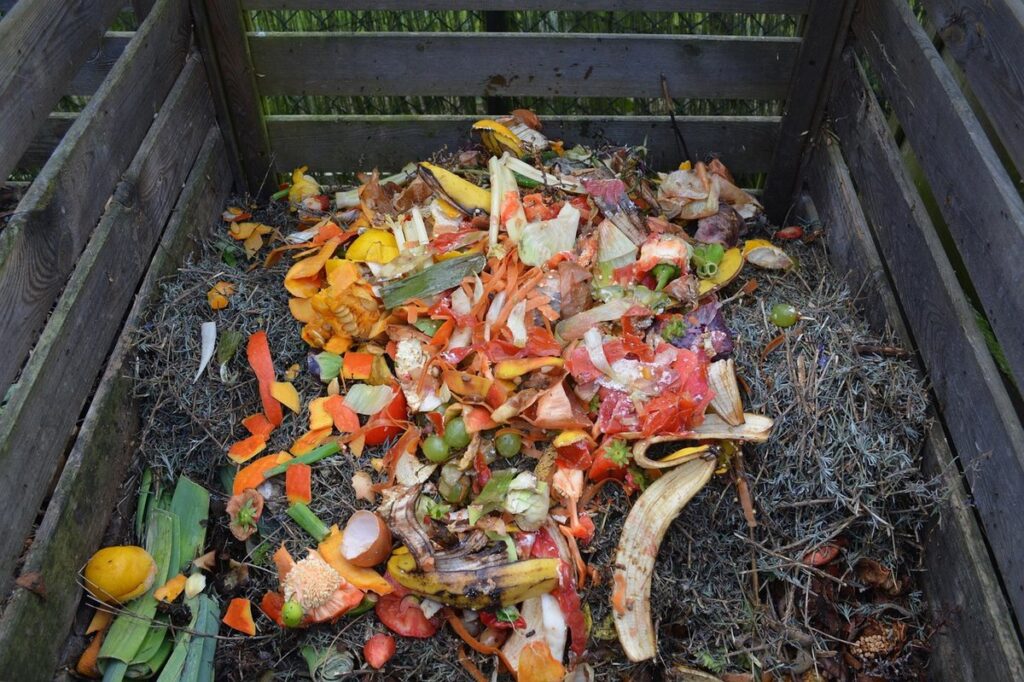
Choosing the Right Location
When choosing a location for your DIY compost bin, consider factors such as sunlight, accessibility, and nearby water sources to ensure easy maintenance. Think about how you’ll use the finished compost too!
Section Overview
When selecting a location for your DIY compost bin, it’s essential to consider a few key factors that will ensure its success. First and foremost, think about sunlight. Compost needs oxygen to break down efficiently, and direct sunlight helps speed up the process. A spot with partial shade is ideal, but avoid areas with dense tree cover or heavy leaf litter.
Accessibility is another crucial consideration. You’ll want to place your compost bin in a location where you can easily add materials throughout the day. Aim for a spot near your kitchen or gardening area, so it’s convenient to transfer food scraps and yard waste. Proximity to water sources is also important, but avoid areas prone to standing water or flooding.
Lastly, think about proximity to your garden beds. You’ll want your compost bin close enough to easily transfer finished compost to your plants when needed. Aim for a spot within 10-15 feet of your garden beds to make maintenance and harvesting easier. By considering these factors, you’ll be well on your way to creating a thriving DIY compost bin that will yield nutrient-rich soil for your grass and other plants.
Understanding Space Requirements
When it comes to choosing the right location for your DIY compost bin, understanding space requirements is crucial. The size of your yard and the amount of grass clippings you plan to compost will determine the minimum space needed for your bin.
A general rule of thumb is to have a bin that’s at least 3 feet by 3 feet in size. However, if you have a small yard or want to compost a large volume of grass clippings, consider a larger bin. For example, a 4×4 foot bin can hold up to 2 cubic yards of material.
You don’t need a lot of space for your DIY compost bin either. Consider using a compact design like a vertical bin that takes up minimal floor space but can still hold a significant amount of material. Alternatively, you can use a freestanding bin that’s designed specifically for small spaces.
When deciding on the size and shape of your bin, consider the following factors: the accessibility of the area, the proximity to a water source, and the ability to turn or aerate the compost pile. By choosing the right location and size for your DIY compost bin, you’ll be well on your way to creating nutrient-rich soil for your garden.
Considerations for Your Lawn Type
When it comes to choosing the right location for your DIY compost bin, it’s essential to consider the type of lawn you have. Different soil types and levels of sunlight can affect the composting process, so you’ll want to adapt your bin accordingly.
For example, if you have a lawn with clay soil, you may need to add more ventilation to prevent moisture buildup in your bin. Clay soils tend to retain water, which can lead to anaerobic conditions that hinder decomposition. To mitigate this, consider adding a layer of coarse material like straw or bark chips at the bottom of your bin to improve airflow.
On the other hand, if you have a lawn with sandy soil, you may need to add more moisture-rich materials to your compost pile. Sandy soils drain quickly, which can lead to dry conditions that slow down decomposition. Be sure to balance out the dryness by incorporating more green materials like kitchen scraps or grass clippings.
Additionally, consider the level of sunlight your lawn receives. A shaded area may require a different bin design to ensure sufficient light penetration for optimal decomposition. If you’re not sure about the specific requirements for your lawn type, consult with local experts or conduct further research to determine the best approach for your DIY compost bin.
Designing Your Compost Bin
Now that you’ve chosen your location and materials, let’s dive into designing a compost bin that suits your needs and yard space effectively.
Selecting a Style
When it comes to selecting a design for your DIY compost bin, you’ll want to consider several factors that will impact its performance and functionality. One popular option is the pallet-based bin, which is budget-friendly and easy to assemble using reclaimed wood. However, keep in mind that pallets can be prone to rotting if not properly treated.
Another consideration is durability – a wire mesh enclosure can provide excellent airflow and pest control, but may require more maintenance than other designs. Wooden frames are also an option, offering a sturdy structure that can withstand the elements.
Ultimately, your choice will depend on your specific needs and preferences. For example, if you have limited space, a compact design like a wooden pallet bin might be the best fit. On the other hand, if you’re concerned about pests, a wire mesh enclosure could provide added peace of mind. Consider your climate, available materials, and personal style when making your decision – after all, your compost bin will likely be visible in your garden or yard!
Materials Needed and Cost Estimates
To get started with designing and building your DIY compost bin for grass, you’ll need to gather the necessary materials. The specific requirements will vary depending on the design you choose, but here are some general materials and estimated costs:
For a simple wire mesh enclosure, you’ll need:
• 2″ x 4″ lumber for the frame (approx. $20-$30)
• Wire mesh (approx. $10-$15 per roll)
• Hinges and latches for easy access (approx. $5-$10)
• Screws and wire cutters
The total initial cost for this design should be around $50-$70.
For a wooden pallet bin, you’ll need:
• Wooden pallets (free or approx. $20-$30 each)
• Wire mesh or hardware cloth (approx. $10-$15 per roll)
• Hinges and latches for easy access (approx. $5-$10)
• Screws and wire cutters
The total initial cost for this design should be around $0-$50, depending on the source of the pallets.
Regular composting can also save you money in the long run by reducing your waste disposal costs. According to the EPA, a household can reduce its landfill-bound waste by up to 30% through proper composting practices.
Building Your Compost Bin
Building a compost bin is an exciting part of creating your DIY composting system for grass clippings. Let’s get started!
First, gather the necessary materials: wooden pallets or a plastic container (at least 3x3x3 feet), wire mesh or chicken wire, a drill with screwdriver and drill bits, gloves, and a trash bag.
Begin by laying down two of the pallets side by side to form the base. Next, place two more pallets on top, perpendicular to the first ones, to create a square shape. Secure these using screws through the pallet slats for added stability. Attach the wire mesh or chicken wire around the frame, ensuring there are no gaps for pests to enter.
For optimal airflow, drill holes of about 1 inch diameter along the sides and bottom of the bin. This will help with decomposition and prevent anaerobic conditions. Finally, place a lid on top – you can use a wooden pallet or a plastic container as is – and secure it using wire or screws. Your compost bin is now ready to receive your grass clippings!
Preparing Grass Clippings for Composting
Before adding those fresh clippings to your compost bin, it’s essential to properly prepare them to speed up decomposition and prevent pests. Let’s get started on chopping and layering these valuable greens.
Benefits of Composting Grass Clippings
Composting grass clippings is a game-changer for gardeners who want to reduce waste and create a nutrient-rich soil amendment. By diverting these clippings from the landfill, you’re doing your part to minimize the environmental impact of lawn maintenance. In fact, it’s estimated that lawns alone account for up to 30% of urban water consumption.
One of the most significant benefits of composting grass clippings is their potential to improve soil structure. As they break down, they add organic matter and help retain moisture in the soil. This leads to healthier roots, improved drainage, and increased fertility. Composted grass clippings are also an excellent natural fertilizer, providing essential nutrients like nitrogen, phosphorus, and potassium.
By incorporating composted grass clippings into your garden, you can say goodbye to synthetic fertilizers and hello to a more sustainable gardening approach. To make the most of this benefit, be sure to balance the C:N ratio in your compost pile by mixing grass clippings with other carbon-rich materials like leaves or straw. This will ensure optimal decomposition and prevent any potential odors or messes.
Preparing Grass Clippings for Compost
Collecting and preparing grass clippings for composting is an essential step in creating nutrient-rich soil for your garden. To get started, it’s crucial to collect the right amount of clippings from your lawn. A good rule of thumb is to collect one-quarter to one-half inch of clippings at a time. This will prevent overloading the bin and promote aerobic decomposition.
When collecting grass clippings, aim for a mix of 10-20% dry material like leaves or straw and 80-90% wet material like grass clippings. This balance is crucial in maintaining optimal moisture levels in your compost pile. Excessively high water content can lead to anaerobic conditions, while too little moisture can slow down the decomposition process.
Mixing grass clippings with other materials helps speed up the composting process and creates a balanced nutrient profile. You can add kitchen scraps, leaves, or straw to create an ideal mix of carbon-rich and nitrogen-rich materials. To avoid contamination, make sure to wash your hands before handling food waste, and never add meat, dairy products, or pet waste to your compost pile.
Common Challenges with Grass Clippings
When composting grass clippings, you may encounter some common challenges that can hinder the process. One of the most noticeable issues is odor. As grass clippings break down, they release a strong, pungent smell that can be overwhelming. To minimize odors, make sure to balance your compost pile with ‘green’ materials (like fresh grass clippings) and ‘brown’ materials (such as dried leaves or shredded newspaper). Regular turning of the compost pile also helps to aerate it and reduce odor.
Another issue you may face is pests like rodents, raccoons, or even flies. To prevent these pests from taking over your compost pile, use a secure lid on your bin and keep it clean by removing any debris or food scraps that might attract them. You can also add a layer of finished compost or a natural pest deterrent like diatomaceous earth to the top of your compost pile.
Finally, be aware that grass clippings can harbor weed seeds, which can sprout in your compost pile and spread into your garden. To minimize this risk, make sure to use fresh grass clippings from your own lawn, which are less likely to contain weeds, and add a layer of mulch or finished compost on top of the grass clippings to suppress seed germination.
Maintaining Your Compost Bin
Now that you have a thriving compost bin, it’s essential to keep it running smoothly. This section covers the simple tasks required to maintain your DIY compost bin and ensure optimal results.
Understanding the Composting Process
Composting is a natural process that involves aeration, decomposition, and maintaining the perfect balance of carbon to nitrogen. Think of it like cooking a recipe: you need the right ingredients in the right proportions for everything to come together beautifully. In composting, these ingredients are organic matter such as food scraps, leaves, grass clippings, and other yard waste.
As your compost bin starts to break down, microorganisms like bacteria and fungi begin to feed on the organic matter. This process creates heat, which is why you might notice your compost pile getting warm to the touch. Aeration is crucial at this stage – it allows oxygen to reach the microorganisms, speeding up decomposition.
To monitor progress, regularly check for the following: temperature (it should be around 130-140°F), moisture levels (it should be like a damp sponge), and odors (if it smells sour or unpleasant, it’s too wet). Adjust your bin as needed by adding more carbon-rich materials like shredded newspaper or brown leaves to balance out excess nitrogen from green materials like grass clippings. This balance is key – aim for 2/3 “brown” materials and 1/3 “green.”
Turning and Aerating Your Compost
Regular turning and aeration of your compost pile are essential tasks that can make all the difference in creating nutrient-rich soil for your grass. When materials like leaves, grass clippings, and kitchen scraps break down, they release carbon dioxide and heat up the pile. If not turned regularly, this process can become anaerobic, leading to a sour smell and reduced efficiency.
To turn and aerate safely, start by removing any large pieces of debris from the bin’s surface. Then, use a pitchfork or shovel to gently loosen the material at the bottom, working your way up. Aim for 3-4 rotations every week to maintain airflow and prevent compacting. As you turn, be mindful of the pile’s temperature – if it exceeds 160°F (71°C), stop turning immediately to avoid damaging beneficial microbes.
By incorporating regular turning and aeration into your compost routine, you’ll create a well-oxygenated environment where microorganisms thrive. This will result in faster decomposition, improved soil structure, and a healthier lawn.
Managing Odors and Pests
As you start composting with your DIY bin, you might encounter some issues that can be frustrating if not managed properly. Odors and pests are two common problems that can arise during the decomposition process.
To control odors, ensure your compost pile has adequate airflow by regularly turning it over and adding brown materials like dry leaves or straw to balance out the green waste. You can also add a layer of finished compost on top to help absorb excess moisture and unpleasant smells. Remember, a balanced C:N ratio (carbon-to-nitrogen ratio) is key to preventing anaerobic conditions that lead to odors.
Pests like rodents, raccoons, or flies can be attracted to the nutrient-rich environment of your compost pile. To deter them, consider adding a physical barrier around the bin or using materials like diatomaceous earth, which repels insects without harming beneficial organisms. Regularly cleaning and disinfecting your bin will also help prevent pest infestations.
By following these tips, you’ll be able to maintain a healthy, odor-free compost pile that attracts beneficial microorganisms and produces nutrient-rich soil amendments for your garden.
Harvesting Your Compost
Now that you’ve waited patiently for your compost to break down, it’s time to harvest the nutrient-rich goldmine it’s become: a healthy batch of finished compost. Let’s learn how to collect and use it in our garden.
Recognizing Finished Compost
Now that you’ve successfully created compost using your DIY compost bin for grass, it’s essential to know when your compost is ready for use. Recognizing finished compost isn’t just about its appearance; it also involves understanding its texture and aroma.
Finished compost should have an earthy or loamy smell, which indicates the absence of strong odors associated with decaying materials. If you notice a sour, ammonia-like, or unpleasant smell, your compost still needs more time to break down completely. Check the texture by compressing a small handful of compost; if it holds its shape and doesn’t crumble easily, it’s ready for use.
Finished compost has numerous applications in gardening and landscaping. It can be used as a natural fertilizer to improve soil structure and fertility, reducing the need for synthetic fertilizers. You can also mix it with potting mixes or topsoil to create a nutrient-rich blend for container gardens or raised beds. Additionally, finished compost can help retain moisture, suppress weeds, and regulate soil temperature.
Using Your Composted Grass Clippings
Now that you’ve successfully created nutrient-rich compost from your DIY grass clippings, it’s time to think about all the wonderful ways you can use this treasure trove of goodness. One of the most satisfying aspects of composting is getting creative with how you repurpose your finished product.
Start by improving soil structure in your garden beds or lawns. Mix a 2-inch layer of compost into the top 6-8 inches of soil to enhance drainage, increase water retention, and support healthy root growth. Alternatively, use your compost as a natural fertilizer for your plants. You can either mix it directly into the soil or create a liquid fertilizer by steeping the compost in water.
Another creative way to utilize your finished compost is by turning it into a natural mulch. Simply spread a 2-3 inch layer of compost on top of the soil around your plants, and enjoy the benefits of reduced weed growth, improved moisture retention, and increased soil temperature. You can also use your compost as a component in potting mixes or as an ingredient in seed starting blends.
By getting creative with how you use your finished compost, you’ll be able to maximize its value and reap even more rewards from your DIY grass clippings composting efforts.
Frequently Asked Questions
Can I use a pre-existing compost bin for processing grass clippings, or do I need to build one from scratch?
You can definitely repurpose an existing compost bin for your grass clippings. However, keep in mind that most standard compost bins are designed for food waste and yard trimmings. Grass clippings can be high in moisture, which may cause issues with decomposition. Consider adding aeration features or adjusting the bin’s design to accommodate the specific needs of grass clippings.
How often should I turn and aerate my compost pile, especially during hot summer months?
Regular turning is crucial for maintaining optimal oxygen levels and preventing anaerobic conditions. For a DIY compost bin specifically designed for grass clippings, aim to turn the pile every 7-10 days during hot weather. This will help prevent temperature spikes, odors, and pest infestations.
Can I add weeds with seeds to my compost bin, or will they contaminate the finished compost?
Yes, it’s generally safe to add weeds with seeds to your compost bin. However, ensure that you’re following proper composting guidelines, including adequate carbon-to-nitrogen ratios and regular turning. This should help suppress weed growth in the finished compost. Still, be cautious not to overdo it – excessive weed material can create problems.
How do I manage odors and pests in my DIY compost bin, especially during peak grass-cutting seasons?
Managing odors and pests is crucial for maintaining a healthy composting environment. To mitigate these issues, make sure your compost bin has adequate ventilation, turning, and aeration features. Consider adding a lid or cover to reduce pest entry points. Regularly monitoring the pile’s temperature and moisture levels can also help prevent problems.
Can I use composted grass clippings as mulch directly on my garden beds, or should I incorporate them into the soil?
While composted grass clippings make an excellent fertilizer, it’s generally recommended to mix them into the soil rather than using them as mulch. This allows the nutrients to be absorbed by plant roots more effectively. If you do choose to use them as mulch, ensure that they’re fully broken down and well-aged to prevent any potential issues with weed growth or nutrient imbalances.