
Are you tired of slow-growing plants and nutrient-deprived soil? A DIY compost accelerator can be just what your garden needs to get a boost. By creating your own custom blend, you’ll not only save money but also tailor it to your specific soil’s needs. With the right combination of natural ingredients, you can accelerate the composting process and unlock the full potential of your garden.
In this article, we’ll show you how to make a compost accelerator at home using simple recipes and readily available materials. We’ll cover the benefits of DIY compost accelerators, including increased soil fertility, reduced waste, and cost savings. You’ll also learn about the different types of ingredients to use and how to customize your blend for optimal results. Whether you’re a seasoned gardener or just starting out, this guide will walk you through the process of creating a custom compost accelerator that will take your garden to the next level.
What is a Compost Accelerator?
So, you’re curious about compost accelerators and how they can boost your garden’s fertility? Let’s dive into what exactly a compost accelerator is.
Definition and Purpose
A compost accelerator is essentially a tool that helps speed up the decomposition process of organic matter, making it possible to create rich and nutrient-dense compost more efficiently. This device can significantly shorten the time it takes for kitchen scraps and yard waste to break down into a valuable soil amendment.
The importance of compost accelerators lies in their ability to improve soil fertility, structure, and overall health. By accelerating the composting process, gardeners can create a nutrient-rich environment that promotes healthy plant growth. A well-crafted compost accelerator can also help reduce odors and pests associated with traditional composting methods.
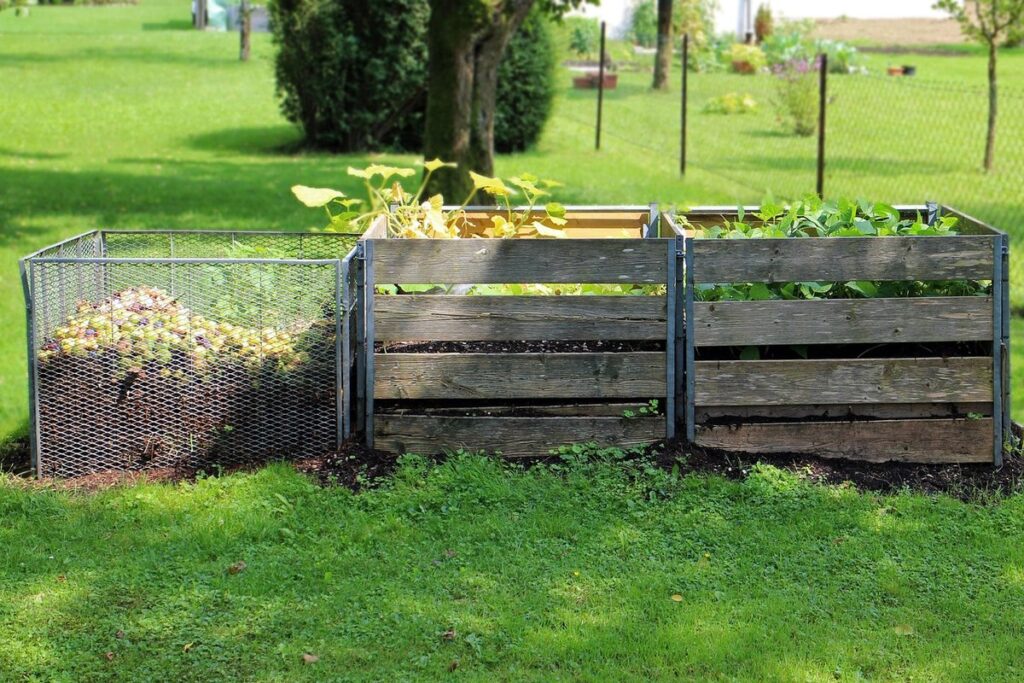
When it comes to DIY compost accelerators, you’ll want to look for materials that promote aeration, moisture retention, and microbial activity. Some examples of materials you can use include old pallets, bricks, or wooden boards. You can also experiment with different shapes and designs to suit your specific needs and space constraints.
Benefits of Using a Compost Accelerator
Using a compost accelerator can bring numerous benefits to your garden’s fertility. One of the most significant advantages is the increased availability of nutrients for plants to absorb. Compost accelerators work by breaking down organic matter more efficiently, releasing essential micronutrients and macronutrients that promote healthy plant growth. This leads to bigger, healthier crops and a more robust garden ecosystem.
Another benefit of using compost accelerators is improved soil structure. By enhancing the decomposition process, they help create a more balanced and aerated soil composition. This allows roots to grow deeper, water to penetrate more easily, and nutrients to be retained better, ultimately reducing erosion and runoff.
By incorporating a compost accelerator into your DIY formula, you’ll also reduce waste management needs. Traditional composting methods often require large bins or areas for decomposition, but with an accelerator, the process becomes faster and more efficient, minimizing space requirements and waste output. This makes it easier to maintain a balanced ecosystem in small gardens or urban spaces.
Understanding Your Soil: Why You Need a Compost Accelerator
Before you start making your compost accelerator, it’s essential to understand what’s really going on in your soil and why adding an extra boost can make all the difference for your garden. Let’s take a closer look at your soil profile.
Analyzing Your Garden’s Needs
When working with a compost accelerator, it’s essential to start by understanding your garden’s specific needs. Every plot of land is unique, and what might work for one garden may not be effective for another. Factors such as climate, soil type, and the types of plants you’re growing all play a crucial role in determining how your garden will respond to compost.
Consider the pH level of your soil. If it’s too alkaline or acidic, it can limit the availability of essential nutrients for your plants. A compost accelerator can help adjust the pH balance and provide necessary micronutrients. For instance, if you’re growing tomatoes, which prefer a slightly acidic soil pH between 6.0-7.0, adding a compost accelerator with a balanced pH will ensure they get what they need.
Additionally, think about your garden’s moisture levels. If it tends to dry out quickly or retains too much water, this affects root growth and nutrient uptake. Compost accelerators can help improve soil structure and increase its water-holding capacity.
Common Soil Challenges and How Compost Accelerators Can Help
Soil challenges are an inevitable part of gardening. A lack of essential nutrients can leave your plants struggling to grow, while poor drainage can lead to waterlogged soil and root rot. Compost accelerators can help alleviate these issues by enriching the soil with beneficial microbes, improving its structure, and enhancing its ability to retain water.
For instance, if you notice your plants are pale or stunted, it may be due to nutrient deficiencies such as nitrogen, phosphorus, or potassium. Compost accelerators can address this issue by introducing microorganisms that break down organic matter into available nutrients. By adding a compost accelerator to your soil mix, you’re essentially giving your garden the equivalent of a nutrient-rich fertilizer.
Similarly, if you’ve noticed water pooling around the base of your plants or if they’re constantly struggling to absorb moisture, it could be due to poor drainage. Compost accelerators can improve soil porosity by promoting the growth of beneficial fungi and bacteria that help break down compacted soil particles. This allows for better water penetration and aeration, making your garden more resilient against extreme weather conditions.
Incorporating compost accelerators into your gardening routine is relatively easy. Simply mix them with your potting soil or add it to your existing garden beds as part of your regular maintenance schedule. By addressing these common soil issues, you’ll be well on your way to creating a thriving and fertile garden ecosystem.
DIY Compost Accelerator Recipes
Take your composting game to the next level with these simple and effective DIY recipes that will supercharge your soil’s fertility and boost plant growth. From household scraps to natural ingredients, we’ve got you covered!
Basic Compost Accelerator Ingredients
A DIY compost accelerator is only as effective as its ingredients. The essential components of a successful recipe include activators, bulking agents, and carbon-rich materials. Activators are the catalysts that kickstart the decomposition process, breaking down organic matter quickly. These can be in the form of nitrogen-rich additives like blood meal or fish emulsion.
Bulking agents, on the other hand, help maintain aeration within the compost pile by adding bulk and structure. Materials such as straw, shredded newspaper, or coconut coir serve this purpose effectively. Carbon-rich materials provide the carbon source needed for decomposition to occur efficiently. Examples include dried leaves, grass clippings, or wood chips.
When selecting these ingredients, consider their NPK (nitrogen-phosphorus-potassium) ratios. A balanced mix is key to creating a nutrient-dense compost accelerator. Aim for a combination of 2/3 carbon-rich materials and 1/3 activators and bulking agents. Remember to mix in smaller quantities of nitrogen-rich additives, as excessive amounts can lead to unpleasant odors and slowed decomposition.
Customizing Your Recipe: Tips for Experimentation
When it comes to creating a DIY compost accelerator recipe, there’s no one-size-fits-all approach. Your garden’s unique needs and conditions demand a tailored solution. Experimenting with different ingredients is the key to unlocking a customized recipe that boosts fertility just where you need it.
Start by identifying your garden’s specific challenges. Do you struggle with pests or diseases? Are certain plants consistently underperforming? This will guide your selection of ingredients. For example, if slugs are plaguing your lettuce crop, consider adding worm castings to repel them. Or, if your tomatoes are yellowing due to nutrient deficiencies, add a boost of fish emulsion.
Don’t be afraid to combine seemingly disparate ingredients – they may just become the perfect pairing for your garden’s needs. Consider blending kelp meal with alfalfa meal for a nitrogen-rich and mineral-dense mix. Remember, experimentation is all about trial and error. Start small, observe the results, and adjust accordingly. With patience and persistence, you’ll develop a customized DIY compost accelerator recipe that delivers exactly what your garden requires to thrive.
How to Make a Compost Accelerator at Home
Now that you’ve got your compost accelerator ingredients, let’s move on to mixing them together and creating a potent blend that’ll supercharge your garden’s fertility. Follow our simple recipe below.
Preparation and Safety Precautions
Before creating your compost accelerator mix, it’s essential to take some preparation and safety precautions. This will not only ensure the success of your DIY project but also protect you from potential hazards.
To begin with, make sure you have a dedicated workspace for mixing your compost accelerator. Clear any clutter or obstructions in the area and lay down a protective covering such as plastic sheets or a tarp to prevent spills and stains. Wear protective gear like gloves and goggles to safeguard yourself from potential splashes and spills of acidic ingredients.
When handling acidic substances, be cautious not to mix them with other materials, as this can lead to a chemical reaction. Keep the area well-ventilated by opening windows or using an exhaust fan to prevent inhaling fumes. Use measuring cups or spoons to accurately mix your ingredients and avoid over-mixing, which can cause damage to plants.
In addition, always follow the recommended proportions for each ingredient to ensure the right pH balance. If you’re unsure about any aspect of the process, consider consulting online resources or gardening experts in your area for guidance.
Mixing and Applying Your DIY Compost Accelerator
Now that you’ve created your DIY compost accelerator, it’s time to mix and apply it for optimal results. To do this effectively, follow these steps:
Mix the accelerator with a small amount of water according to the ratio specified earlier (usually 1 part accelerator to 10 parts water). This will create a liquid concentrate that can be easily applied to your soil.
Before applying the accelerator, loosen up the top layer of your soil to a depth of about 6-8 inches. This will help the accelerator penetrate deeper into the soil and reach the microorganisms that need it most.
Apply the liquid concentrate evenly across the entire area where you want to boost fertility. You can use a spray bottle or a watering can to do this, depending on the size of your garden.
After application, gently rake the top layer of soil to ensure even distribution and prevent any clumping. Keep in mind that it may take some time for the accelerator to take effect, but with consistent application, you should start seeing improvements in soil fertility within a few weeks.
Alternative Methods: Store-Bought Compost Accelerators
If you’re short on time or not feeling DIY inclined, store-bought compost accelerators can be a convenient alternative to boost your garden’s fertility quickly and easily. We’ll explore some popular options below.
Overview of Commercial Options
Store-bought compost accelerators offer convenience and ease of use, making them an attractive option for gardeners. These products usually contain a blend of microorganisms, nutrients, and other additives designed to break down organic matter quickly. The benefits of commercial compost accelerators include:
* Faster decomposition rates: Commercial products can speed up the composting process by 2-3 times compared to traditional methods.
* Easy to use: Simply add the product to your compost pile or bin and wait for it to work its magic.
* Consistent results: Store-bought accelerators typically produce consistent results, regardless of the type of organic matter used.
However, there are drawbacks to consider. Commercial products can be expensive, especially if you have a large garden or need to purchase multiple packets. Additionally, some store-bought accelerators may contain artificial additives or preservatives that could harm beneficial microorganisms in your compost. It’s essential to carefully read the label and choose a product from a reputable manufacturer.
If you’re short on time or want a hassle-free composting experience, commercial options can be a good choice. But if you’re looking for a more cost-effective and natural solution, consider making your own DIY compost accelerator at home.
Choosing the Right Product for Your Needs
When it comes to selecting a commercial compost accelerator for your garden, there are several factors to consider. First and foremost, think about the size of your garden and the amount of waste you generate. A larger garden may require a more potent formula to break down organic matter quickly.
Consider the type of plants in your garden as well – if you’re growing acid-loving plants like azaleas or blueberries, look for an accelerator with an acidic pH balance. On the other hand, if you have alkaline-tolerant plants like succulents or roses, a neutral or slightly alkaline formula will suffice.
Additionally, think about your waste composition. If you generate a lot of nitrogen-rich materials like food scraps and grass clippings, choose an accelerator that promotes carbon-to-nitrogen balance.
Some popular types of compost accelerators include enzymes-based formulas, microbe-rich blends, and natural co-fermenters. Research each type to determine which one aligns best with your garden’s specific needs and preferences.
Ultimately, the right product will depend on your unique circumstances – consult reviews, manufacturer recommendations, and gardening experts if necessary.
Monitoring Progress and Maintenance Tips
Now that you’ve successfully created a compost accelerator, let’s dive into how to monitor its progress and keep it running smoothly over time.
Measuring Success: Tracking Soil Changes
Monitoring soil changes is crucial to ensure that your DIY compost accelerator is working effectively. To do this, you’ll need to set up a regular monitoring schedule. Every 2-3 weeks, dig a small trench in the area where you applied the compost accelerator and extract a few inches of the topsoil. Take note of its color, texture, and any visible signs of life such as roots or insects.
Compare these observations with your initial soil sample to identify changes. Look for improvements like increased earthworm activity, better drainage, and improved water retention. You can also use a simple pH test kit to monitor the pH level of your soil. Aim for a slightly acidic to neutral pH range (around 6.0-7.0) for optimal plant growth.
If you notice any issues or stagnation in the soil’s progress, don’t hesitate to adjust the compost accelerator recipe accordingly. You can either add more materials or try different ratios of ingredients. Some common problems that may require adjustments include poor aeration, inadequate nutrient supply, or excessive moisture levels.
Ongoing Care and Compost Accelerator Replenishment
Maintaining a healthy soil ecosystem is crucial for optimal compost accelerator performance. Over time, the microorganisms in the accelerator can break down and lose potency. Signs of depleting microorganisms may include reduced decomposition rates, increased odors, or decreased nutrient availability.
To replenish your compost accelerator, simply add more DIY accelerator to the pile, maintaining a ratio of about 1:10 with existing material. You can also reapply it as a top dressing around plants in need of a boost. This is especially beneficial for seedlings or areas with poor soil structure.
Monitor your garden’s progress and adjust replenishment schedules accordingly. Typically, you’ll want to add more accelerator every 2-3 months during active decomposition periods (spring-fall). During slower seasons, less frequent applications may suffice. Keep in mind that over-replenishing can lead to an imbalance of microorganisms, hindering the composting process.
By regularly replenishing your DIY compost accelerator, you’ll ensure a sustained supply of beneficial microbes and maintain a thriving garden ecosystem.
Frequently Asked Questions
How long does it take to notice the effects of a DIY compost accelerator?
After applying your custom blend, you can expect to see noticeable improvements in soil fertility within 1-3 weeks. Keep in mind that this timeframe may vary depending on factors like climate, soil type, and the specific ingredients used.
Can I use a store-bought fertilizer alongside my DIY compost accelerator?
Yes, but it’s essential to follow a balanced approach to avoid over-fertilizing your plants. A general rule of thumb is to mix 1 part store-bought fertilizer with 3 parts DIY compost accelerator for optimal results.
How do I troubleshoot common issues like mold or pests in my compost accelerator?
Mold and pest infestations can be signs of an imbalance in your recipe. Check the moisture levels, ensure proper aeration, and consider adjusting the ingredient ratios to prevent these issues. If problems persist, consult with gardening experts or online forums for guidance.
Can I reuse old potting mix as part of my DIY compost accelerator?
While it’s tempting to repurpose old potting mix, it may contain contaminants that can harm your garden. Instead, focus on using fresh, organic materials like kitchen scraps, yard waste, and natural fertilizers to create a high-quality compost accelerator.
How do I measure the success of my DIY compost accelerator in terms of soil health?
Monitor changes by tracking metrics such as increased plant growth rates, improved leaf color, and reduced water consumption. Regularly test your soil’s pH levels, nutrient content, and microbial activity to gauge the effectiveness of your custom blend.