
If you’re an avid gardener with iris plants, chances are you’ve wondered how to divide iris rhizomes at some point. Dividing iris rhizomes is a crucial step in maintaining healthy and thriving irises, as it allows you to increase your plant collection, share with friends, or simply rejuvenate tired-looking blooms. However, dividing rhizomes can be intimidating if you’re unsure of the right techniques or timing.
In this article, we’ll walk you through everything you need to know about dividing iris rhizomes successfully, including when to do it, how to prepare the rhizomes, and valuable aftercare tips. By learning these essential steps, you’ll be able to improve growth rates and bloom performance in your irises, ensuring they continue to flourish for years to come. Whether you’re a seasoned gardener or just starting out, this comprehensive guide will provide you with all the necessary knowledge to divide iris rhizomes like a pro.
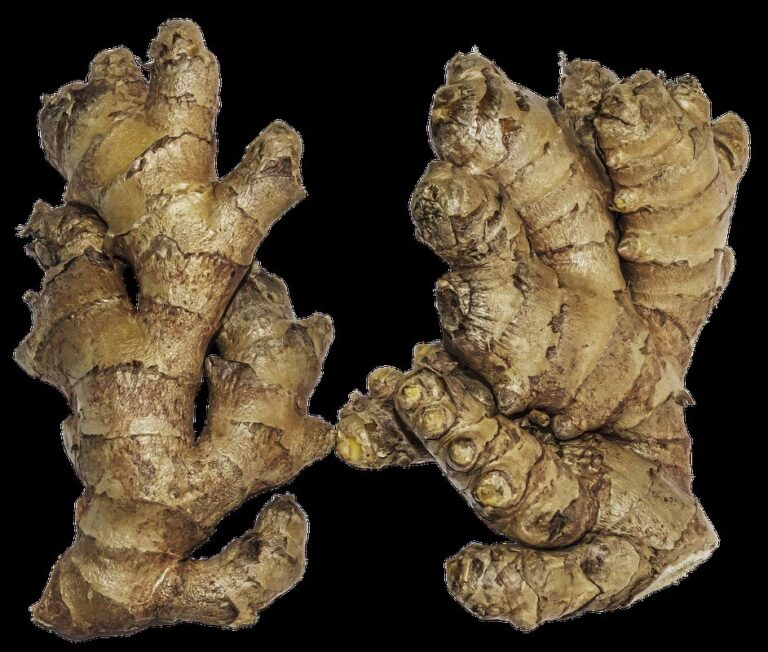
Choosing the Right Time to Divide
When it comes to dividing iris rhizomes, timing is crucial. In this section, we’ll walk you through the best times to divide your irises for healthy growth and maximum blooms.
When to Divide in Spring
Spring is often considered an ideal time to divide iris rhizomes, and for good reason. One key factor is climate: spring’s cooler temperatures allow for a more gradual transition of the newly divided rhizome into its new environment. This reduces stress on the plant, making it easier for it to establish itself.
Another important consideration is soil temperature. In most regions, soil temperatures rise significantly in spring, typically reaching optimal levels for iris growth between 55°F and 65°F (13°C and 18°C). This warming of the soil signals to the iris that it’s time to start growing, making it an excellent time to divide.
By dividing your irises in spring, you’ll be able to assess their condition, remove any dead or damaged roots, and separate the healthy rhizomes before new growth begins. This ensures a healthy, thriving plant that will produce vibrant blooms come summer.
Identifying Dormant vs. Active Growth
When it comes to dividing iris rhizomes, timing is crucial. Before you start digging and separating the roots, you need to determine whether your irises are dormant or actively growing. Dormant growth occurs when the plant’s top growth has died back, often during the winter months. This is a normal process for many perennial plants, including irises.
To check if your iris rhizomes are dormant, gently dig around the clump with a fork and carefully lift it out of the ground. Check the color and texture of the foliage: if it’s brown or dead, it’s likely dormant. On the other hand, actively growing irises will have green, healthy-looking leaves.
If your irises are dormant, it’s best to wait until spring when new growth begins to emerge before dividing them. If they’re actively growing, you can divide them in fall after blooming has finished or in early spring before new growth starts. Keep in mind that dividing irises during active growth can cause shock to the plant, so it’s generally recommended to do it at a more dormant state.
Preparing the Rhizomes
Before you begin dividing, it’s essential to prepare your iris rhizomes by gently washing them and allowing them to dry completely to prevent rot and disease. This step will help ensure healthy roots and successful division.
Cleaning and Inspecting the Rhizomes
Before you start dividing those iris rhizomes, it’s essential to give them a good cleaning and inspection. Old growth, dead leaves, and debris can be hiding among the new ones, making it challenging to identify healthy sections for division. Remove as much of the old growth as possible using a sharp, sterile knife or pruning tool, taking care not to damage the new rhizome.
Next, gently scrub the rhizomes under running water to dislodge any remaining debris. This is also an excellent opportunity to inspect each section closely for signs of disease, pests, or rot. Check for soft spots, cracks, or moldy areas that could be indicative of problems.
Some tips to keep in mind: when cleaning and inspecting, handle the rhizomes gently to avoid causing further damage. If you notice any severely diseased or damaged sections, it’s best to remove them entirely to prevent the issue from spreading to the rest of the rhizome. By taking this crucial step, you’ll be able to divide your iris rhizomes more efficiently and ensure healthy new plants grow from each section.
Trimming Old Dead Leaves
Before you can divide your iris rhizomes, it’s essential to remove old dead leaves that may be weighing them down. This process is called “trimming” and it serves two purposes: removing debris that can harbor diseases and pests, and encouraging new growth.
Dead leaves can collect moisture, creating an ideal environment for fungal diseases like root rot and leaf spot. By trimming them off, you’re preventing the spread of these problems to your rhizomes. Additionally, dead leaves can also attract pests like aphids and slugs that feed on plant tissues.
To trim old dead leaves from your iris rhizomes, use a pair of sharp pruning shears or loppers to cut off the affected areas just above the crown. Make clean cuts about 1-2 inches above the growth nodes. This will help prevent damage to the healthy tissue below and encourage new growth.
Remember to disinfect your pruning tools between cuts to prevent cross-contamination. It’s also a good idea to remove any dead or dying rhizomes altogether, as these can be a source of disease and decay. By taking this extra step, you’ll be ensuring that your iris rhizomes are healthy and strong enough for successful division.
The Division Process
Now that you have a healthy iris plant, it’s time to learn how to divide its rhizomes effectively, which is crucial for their growth and overall health. Dividing irises is a relatively simple process.
Tools Needed for Dividing
To divide iris rhizomes successfully, you’ll need to have the right tools on hand. This may seem obvious, but it’s essential to ensure that you’re prepared for the task at hand.
First and foremost, you’ll need a good quality fork or spade specifically designed for digging up roots and rhizomes. A sturdy, sharp tool will make it easier to gently tease apart the rhizome without causing damage to the delicate roots. Look for one with long handles that allow for comfortable leverage and control.
In addition to your trusty gardening fork or spade, you’ll also want to wear a good pair of gloves to protect your hands from the rough skin of the rhizomes. This will prevent any accidental punctures or scratches, making the process much more enjoyable.
A potting tray is another must-have for dividing iris rhizomes. This will give you a place to gently separate and clean the divided rhizomes before replanting them in their new home.
Step-by-Step Division Guide
To divide an iris rhizome successfully, follow these step-by-step instructions. Begin by gently lifting the rhizome out of its container, taking care not to damage the delicate roots. Examine the rhizome to identify sections that have at least one “fan” or leaf growth emerging from them – this will indicate where new plants can be separated.
Using a sharp, sterile knife or tool, carefully separate these identified sections from the rest of the rhizome. Cut just above a node, making sure each section has at least one fan of leaves and a small amount of roots attached. This will give your newly divided iris plant the best chance to establish itself quickly.
Replant the separated sections immediately, firming the soil gently around them as you go. Make sure the crown – or base – of the rhizome is level with the surrounding soil, and water thoroughly after planting to settle everything in place.
Aftercare: Watering and Mulching
Now that you’ve successfully divided your iris rhizomes, it’s essential to provide them with proper care, starting with adequate watering and a layer of protective mulch.
Watering Requirements Post-Division
After dividing iris rhizomes, it’s essential to provide them with optimal watering conditions to promote healthy growth and establishment. Newly divided iris plants require more frequent watering than established irises due to the disturbed soil and reduced root system.
Water your newly divided irises when the top 1-2 inches of soil feels dry to the touch. This is usually every 3-4 days during hot weather, but may be less often in cooler temperatures. Be cautious not to overwater, as this can lead to rot and other problems.
To check soil moisture, insert your finger into the soil up to the first knuckle. If the soil feels dry, it’s time to water. Aim for about 1 inch of water per week, either from rainfall or irrigation. You can also use a moisture meter to help determine when to water.
Some signs that your irises need watering include yellowing leaves, wilted stems, and a general appearance of stress. Conversely, if the leaves are floppy and the soil is consistently wet, you may be overwatering.
Applying Mulch for Protection
When dividing iris rhizomes, it’s essential to apply mulch for protection. Newly divided irises are vulnerable to extreme temperatures, pests, and diseases. Mulch acts as a barrier between the soil and the air, regulating soil temperature and moisture levels.
Apply 2-3 inches of organic mulch such as wood chips or bark around the newly divided irises. Avoid using pine straw, as it can be acidic and potentially harm your plants. As you apply mulch, create a thin layer around each rhizome, leaving some space for water to penetrate.
Mulch also helps retain moisture in the soil during dry periods, reducing the need for frequent watering. Additionally, it suppresses weeds that might compete with your irises for nutrients and resources. To maintain a healthy barrier, reapply mulch as needed or after significant rainfall events. By applying mulch, you’ll shield your newly divided irises from potential threats, promoting their growth and development in the long run.
Regularly inspect your plants for signs of pest infestations or diseases, taking prompt action to address any issues that arise.
Benefits and Considerations
Now that you’ve learned how to divide iris rhizomes, it’s time to consider what factors will affect your new plants’ success. We’ll explore the benefits and considerations to keep in mind.
Advantages of Regular Division
Regularly dividing iris rhizomes can have a significant impact on their overall health and performance. One of the most notable benefits is improved growth rates. When old rhizomes are divided, new, vigorous growth emerges from the divisions, resulting in more robust and healthy plants. This process also promotes better bloom performance, as divided rhizomes tend to produce more flowers and have a longer blooming season.
In addition, regular division can help reduce disease susceptibility. Over time, iris rhizomes can become congested, making them more vulnerable to diseases such as crown rot and root rot. By dividing the rhizomes every 3-4 years, you’re giving your irises room to breathe and reducing the risk of these issues. As an example, a gardener in zone 5 reported that after regularly dividing her iris collection, she noticed a significant decrease in disease problems and a corresponding increase in flower count.
When done correctly, regular division can also lead to healthier and more vigorous offspring. By selecting healthy divisions with good foliage and growth potential, you’re giving your irises the best chance to thrive.
Potential Drawbacks to Be Aware Of
When dividing iris rhizomes, it’s essential to be aware of potential drawbacks that may arise. One of the main concerns is root disturbance, which can cause stress to the plant and lead to temporary loss of blooms. This is particularly true if the rhizome is severely divided or damaged during the process.
In some cases, dividing iris rhizomes too aggressively can cause the roots to become exposed, making them vulnerable to disease and pests. To minimize this risk, it’s crucial to handle the rhizomes with care and avoid over-dividing. It’s also essential to replant the newly divided sections promptly to ensure the roots have enough moisture and nutrients.
Temporary loss of blooms is another common drawback of dividing iris rhizomes. This can be due to the plant focusing its energy on recovering from the division process rather than producing flowers. To mitigate this, make sure to provide your irises with optimal growing conditions, including sufficient sunlight, water, and fertilizer. With proper care, your divided irises should recover quickly and return to their usual flowering habits within a year or two.
Tips for Success: Expert Advice
Now that you’ve divided your irises, let’s talk strategy on how to care for and maintain healthy rhizomes for next year’s blooms. Our experts share their top tips.
Insights from Experienced Gardeners
Many gardeners have successfully divided their iris rhizomes for years. I spoke with several experienced gardeners to gather insights on their methods and best practices.
When dividing iris rhizomes, timing is crucial. In an interview, Susan, a seasoned gardener from the Pacific Northwest, emphasized the importance of dividing in the fall or early spring when the plant is dormant. “This allows me to avoid damaging any emerging growth,” she explained. She also noted that it’s essential to choose healthy rhizomes with firm, white roots and at least two growing points.
For Laura, a gardener from the Midwest, visual cues are key. She looks for natural divisions between the rhizome segments, making it easier to separate them without causing damage. “I always make sure to leave a few of the smallest leaves intact on each new section,” she advised. This helps the newly divided rhizomes establish themselves quickly.
By incorporating these expert tips into your division routine, you’ll be well-equipped to successfully divide your iris rhizomes and enjoy healthy, thriving plants for years to come.
Common Mistakes to Avoid
When dividing iris rhizomes, there are several common mistakes that beginners may make, which can impact the success of the process. One mistake is to divide the rhizome at the wrong time. Iris rhizomes typically need to be divided when they’re dormant, usually in late summer or early fall. Dividing them too soon can cause damage to the new growth, while dividing them too late can make it difficult for the plant to establish itself.
Another mistake is to cut the rhizome into pieces that are too small. While it’s tempting to divide the rhizome into multiple sections to increase the chances of getting a healthy transplant, cutting it into pieces that are too small can cause them to dry out quickly and struggle to establish themselves. Aim for divisions that have at least two “eyes” or growing points each.
It’s also essential to handle the rhizomes gently to avoid damaging them. Use a sterile tool to make clean cuts, and avoid exposing the cut surfaces to air, which can cause them to dry out. By being mindful of these potential pitfalls, you can successfully divide your iris rhizomes and give yourself a head start on growing healthy, thriving plants.
Frequently Asked Questions
Can I divide iris rhizomes in the fall, or is spring really the best time?
Yes, while spring is ideal for dividing iris rhizomes due to cooler temperatures, it’s not the only option. Fall can also be a suitable time if you live in an area with mild winters and a long growing season. However, make sure the soil has cooled down enough to prevent new growth from beginning too quickly. This will help reduce stress on the plant during division.
How do I know if my iris rhizomes are truly dormant or just under active growth?
This can be tricky, but look for signs of dormancy like a lack of greenery and a harder, more compact texture to the rhizome. Active growth usually means you’ll see some green leaves attached to the rhizome. If in doubt, wait until spring when new growth emerges from the center of the plant.
Can I divide iris rhizomes that are still blooming?
No, it’s generally best to divide irises after they’ve finished blooming and before new foliage starts growing. This allows for a cleaner separation of roots and minimizes stress on the newly divided plants. Timing this right can be tricky, but observing your plant’s growth habits will help you make an informed decision.
What if I notice pests or diseases on my iris rhizomes during division?
Yes, regularly inspect your rhizomes before dividing to catch any issues early on. If you spot pests like aphids or slugs, treat the affected areas with insecticidal soap or neem oil. For fungal diseases like root rot, remove infected sections and increase air circulation around the plants.
Can I divide iris rhizomes in containers, or do they need to be directly in the ground?
While dividing irises in containers can work, it’s generally easier to do so in the ground where the roots have more room to spread. Container-grown irises may require extra care during division due to restricted root growth and potential moisture fluctuations.