
Garlic is one of those ingredients that can elevate any dish, but did you know there are many varieties to choose from? Beyond the familiar elephant and silverskin types, there’s a whole world of garlic waiting to be explored. From the strong flavor of Russian Red to the sweet taste of Ransom, each type has its unique features and uses in cooking. But that’s not all – some types also boast impressive health benefits, making them a great addition to your diet. In this article, we’ll delve into ten types of garlic, examining their distinctive characteristics, culinary applications, and potential health advantages. Whether you’re a seasoned chef or just starting out in the kitchen, learning about these diverse varieties will take your cooking to the next level and give you more flexibility in the kitchen.
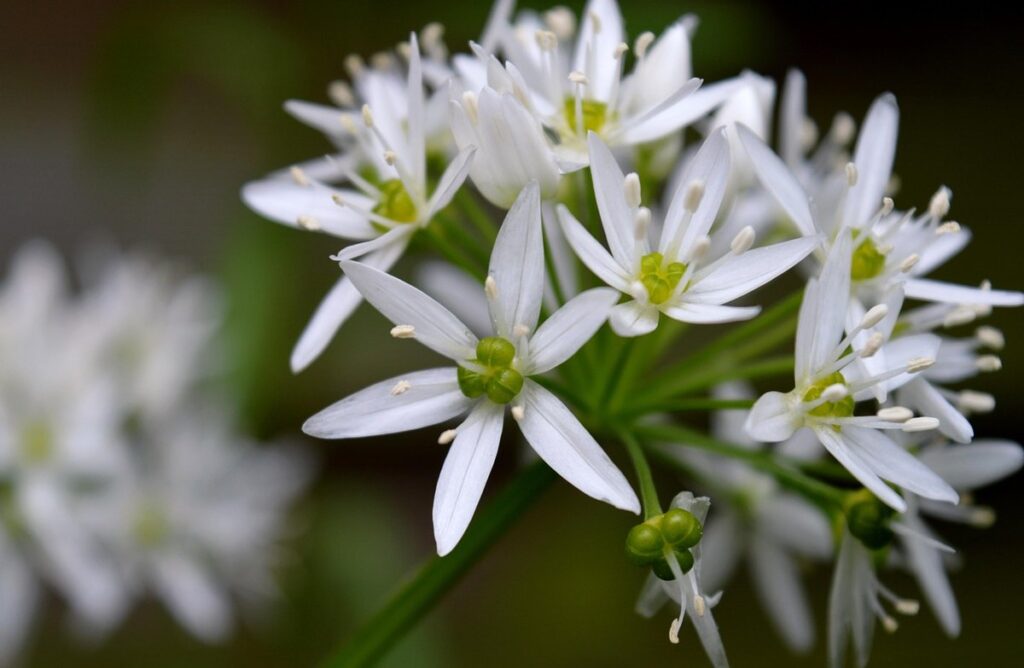
Type 1: Elephant Garlic
Let’s take a closer look at Elephant Garlic, also known as Russian garlic, which has a milder flavor and larger cloves than other varieties. Its unique characteristics make it a great choice for cooks looking to add depth without overpowering dishes.
Characteristics and Uses
Elephant garlic is often referred to as “elephant” due to its enormous cloves, which can be up to 2 inches long. This mild and sweet flavor profile makes it a perfect choice for those who find traditional garlic too pungent. The large size of the cloves also means that less elephant garlic is needed in recipes compared to other types, making it a convenient option for home cooks.
The versatility of elephant garlic extends beyond its flavor and size. It can be used raw or cooked, and pairs well with a variety of ingredients such as olive oil, herbs, and acidic elements like lemon juice. To bring out the full flavor potential of elephant garlic, try roasting or sautéing it before using in recipes.
In terms of usage, elephant garlic is particularly well-suited for dishes where a subtle depth of flavor is desired. It’s an excellent choice for sauces, marinades, and dressings, as its mild flavor won’t overpower other ingredients. Try adding roasted elephant garlic to soups or stews for added richness, or use it as a topping for meats and vegetables.
Health Benefits
Elephant garlic is not only a flavorful addition to many dishes but also offers several potential health benefits. One of its most notable advantages lies in its high antioxidant content. These compounds help protect the body from oxidative stress, which can lead to cell damage and various diseases.
Research suggests that elephant garlic’s antioxidants may play a role in reducing inflammation and improving cardiovascular health. Its antibacterial properties could also contribute to its immune-boosting effects. Some studies even point to its potential anticancer properties, although more research is needed to confirm this.
To reap the benefits of elephant garlic, consider incorporating it into your meals in moderation. Roasting or sautéing it can bring out its natural flavors and enhance its nutritional value. Aim to consume at least 1-2 cloves per serving, as excessive consumption may cause stomach discomfort.
Remember that individual results may vary, and more research is necessary to fully understand the extent of elephant garlic’s health benefits. However, adding this versatile ingredient to your diet can be a flavorful and nutritious choice.
Type 2: Silverskin Garlic
Let’s dive into the characteristics and unique traits of Silverskin garlic, one of the most popular varieties among home cooks and professional chefs alike. Known for its exceptional storage life and mild flavor, this type of garlic is a staple in many kitchens around the world.
Description and Flavour Profile
Silverskin garlic is one of the most recognizable types due to its unique appearance. Its bulbs have a thin, papery skin that’s often described as silvery-gray, giving it a distinctive look. In terms of flavor profile, Silverskins are known for their sweeter taste compared to other varieties. This makes them an excellent choice for those who prefer milder flavors in their cooking.
When cooked, the sweetness of Silverskin garlic mellows out, and its flavor becomes more complex. Its flavor profile is often described as a balance between sweet and savory notes. In contrast to other types like Elephant or Artichoke, which have stronger, pungent flavors, Silverskins are a great choice for dishes where you want a more subtle garlic taste.
In cooking, the milder flavor of Silverskin garlic makes it an excellent addition to recipes where strong flavors might overpower other ingredients. Try using it in sauces, marinades, or roasted as a side dish. Its sweetness also pairs well with vegetables like asparagus and Brussels sprouts. When shopping for Silverskins, look for firm bulbs with tightly closed scales – this ensures they’ll store well and retain their flavor.
Preparation Methods
When it comes to cooking with Silverskin garlic, preparation is key. This variety holds its cloves together tightly, requiring a bit more effort to separate them before using. To make the most of Silverskin’s sweet and nutty flavor, try the following preparation methods.
Roasting brings out the best in Silverskin, as the high heat caramelizes the natural sugars and adds depth to the dish. Simply slice off the top of the head, drizzle with olive oil, and roast at 400°F (200°C) for 20-25 minutes or until tender.
For a more intense flavor, try grilling whole heads over medium heat for 10-15 minutes on each side, or until the cloves are soft and caramelized. This method is perfect for adding a smoky twist to your favorite sauces or marinades.
Sautéing is another great way to cook with Silverskin, as it quickly adds flavor and texture to any dish. Simply peel and mince the cloves, then sauté in a pan with olive oil over medium heat until softened and fragrant.
Type 3: Ransom Garlic
Let’s dive into one of the most fascinating types yet, where flavor and drama meet in perfect harmony – the enigmatic Ransom garlic. This type is sure to leave you intrigued.
Unique Features and History
Ransom garlic has its roots in the Caucasus region, specifically in Georgia and Azerbaijan. Its history dates back to ancient times, where it was cultivated and traded extensively throughout the Mediterranean region. The name “ransom” is believed to have originated from the fact that this variety of garlic was highly prized by European colonizers, who would often trade valuable goods or even ransom money for a few bulbs.
Ransom garlic is known for its distinct flavor profile, which is both milder and sweeter than other types. This is due in part to its cultivation practices, which typically involve longer growing periods and more careful handling to minimize damage. Historically, Ransom garlic was used not only as a culinary ingredient but also for medicinal purposes, including the treatment of respiratory issues and as an antibacterial agent.
Today, Ransom garlic remains a popular choice among chefs and home cooks due to its unique flavor and aroma. If you’re interested in trying it out, look for bulbs with a smooth, thin skin and avoid those that show signs of damage or mold. Store them in a cool, dry place to preserve their flavor and nutritional value. With proper care, Ransom garlic will add depth and complexity to a variety of dishes, from Mediterranean salads to hearty stews.
Comparison with Other Types
When compared to other types of garlic, Ransom garlic stands out for its distinct flavor profile and aromatic characteristics. Unlike soft-necked varieties like Silverskin and Creole, which have a more delicate taste and aroma, Ransom garlic is known for its robust and intense flavor.
In terms of texture, Ransom garlic also differs from other types. Its cloves are typically larger and firmer than those found in Elephant or Artichoke garlic, with a thicker skin that’s easier to peel. This makes it an ideal choice for roasting and grilling, as the cloves hold their shape well and release a rich, savory flavor when cooked.
One of the key differences between Ransom garlic and Asiatic garlic is its aroma. While Asiatic garlic has a sweet, nutty scent, Ransom garlic is often described as pungent and slightly bitter. This makes it a popular choice for chefs who want to add depth and complexity to their dishes without overpowering other flavors.
Type 4: Softneck Garlic
Softneck garlic is one of the most widely cultivated types, prized for its mild flavor and high yield potential. Let’s dive into what makes softneck garlic stand out.
Characteristics and Curing Process
Softneck garlic is prized for its ease of cultivation and mild to medium-strong flavor profile. When it comes to the curing process, softneck garlic is typically left in the field until the tops begin to yellow and fall over, indicating that the bulbs are fully mature.
At this stage, the bulbs are carefully lifted out of the ground, leaving as much of the stem attached as possible. This is crucial, as the stem acts as a natural handle for harvesting and storing the garlic. The bulbs are then tied in small bunches and hung upside down in a warm, dry, well-ventilated area.
This curing process is essential for preserving the quality and longevity of the bulb. If done correctly, it can last up to 8 months in storage, with some varieties even lasting longer. Proper curing also enhances the flavor profile, allowing the natural sweetness to develop and mellow out over time.
Storage Tips
When it comes to storing softneck garlic, proper care is crucial to maintain its flavor and freshness. Unlike hardneck varieties, softneck garlic has a weaker neck that’s more susceptible to drying out. To prevent spoilage, store the bulbs in a cool, dry place with good air circulation.
Keep them away from direct sunlight, as it can cause moisture loss and promote sprouting. A temperature range of 40-50°F (4-10°C) is ideal for storage. You can also consider storing softneck garlic in a mesh bag or breathable container to maintain humidity levels.
To further prolong the shelf life, check on the bulbs regularly and remove any that show signs of mold or sprouting. This will prevent the spread of disease and encourage healthy growth. By following these simple tips, you can enjoy your softneck garlic for several months after harvesting, ensuring a steady supply of this versatile ingredient in your kitchen. Regular monitoring and proper storage techniques will help preserve its flavor and aroma.
Type 5: Rocambole Garlic
You’re probably curious about the sweet, nutty flavor of Rocambole garlic, which is a popular choice for its mild taste and versatility in cooking. Let’s take a closer look at what makes it unique.
Appearance and Aroma
Rocambole garlic is easily identifiable by its unique appearance. Its necks are twisted and contorted in a distinctive way, setting it apart from other types of garlic. The bulbs themselves are typically large and have multiple cloves, making them ideal for roasting or cooking whole.
When you bring the aroma of rocambole garlic to your nose, be prepared for a pungent punch that will leave no doubt about its presence in your kitchen. Its strong scent is one of the most distinctive characteristics of this variety, often described as overpowering by those who are not familiar with it. While some cooks might find the aroma too intense, others swear by its ability to add depth and complexity to even the simplest dishes.
In terms of handling rocambole garlic, be sure to use gloves when peeling or chopping it, as the oils in the bulb can cause skin irritation in some people. The twisting necks also make them more difficult to peel than other types of garlic, so patience is key when preparing this variety for cooking.
Versatility in Recipes
When working with rocambole garlic, one of its most valuable traits becomes apparent: versatility. This type of garlic is an excellent addition to a wide range of dishes, from the simplest sauces and marinades to more complex, layered flavors found in roasted meats and vegetables.
One popular way to showcase rocambole’s depth is through its use in Indian-inspired curries. Its pungency pairs well with warming spices like cumin and coriander, creating a rich, aromatic flavor profile. For example, try incorporating it into a chicken tikka masala recipe by mincing the garlic and sautéing it before adding your favorite spices.
Rocambole’s robust flavor also lends itself to Mediterranean-inspired dishes, such as roasted eggplant or zucchini. To bring out its complexity in these applications, try roasting the garlic first to mellow its sharpness. This process can be done by cutting the top off a whole head of rocambole and drizzling it with olive oil before placing it in the oven.
Another advantage of using rocambole is that it holds its own against bold flavors like chili peppers or soy sauce, making it an excellent choice for fusion dishes or those requiring a strong savory element.
Type 6: Asiatic Garlic
Let’s dive into the wonderful world of Asiatic garlic, a type that’s prized for its rich, full-bodied flavor and versatility in cooking. Its unique characteristics make it a standout among other types of garlic.
Flavor Profile and Heat Level
Asiatic garlic’s unique flavor profile sets it apart from other varieties. With its mild to medium heat level, it’s an excellent choice for those who prefer a subtle kick without overpowering their dishes. When cooked, Asiatic garlic develops a sweet and nutty undertone that complements various ingredients.
One of the standout features of Asiatic garlic is its versatility in pairings. It pairs well with delicate flavors like fish or vegetables, as well as heartier ingredients like meats and legumes. For example, try roasting chicken with sliced Asiatic garlic for a flavorful main dish. The sweet and savory notes will elevate the overall taste.
When working with Asiatic garlic, consider its potential to add depth to soups, sauces, and marinades. Its mild heat level makes it an excellent choice for adding a slow-building warmth without overpowering other flavors. Experiment with combining Asiatic garlic with herbs like parsley or rosemary for added brightness and complexity.
Pairing Suggestions
Asiatic garlic is a versatile ingredient that can elevate a wide range of dishes. When it comes to pairing Asiatic garlic with other ingredients, the possibilities are endless. For stir-fries, try combining it with marinated chicken or beef, along with some crunchy bell peppers and snap peas for added texture. The pungency of Asiatic garlic pairs particularly well with sweet soy sauce, making it a staple in many Chinese-inspired dishes.
In soups, use Asiatic garlic to add depth to traditional favorites like wonton soup or hot and sour soup. Simply mince the garlic and sauté it before adding your choice of broth and ingredients. For salads, try pairing Asiatic garlic with roasted beets and crumbled goat cheese for a sweet and savory combination.
In general, Asiatic garlic is a great addition to any dish that benefits from a boost of flavor without overpowering other ingredients. Experiment with different combinations to find your new favorite way to use this aromatic ingredient.
Type 7: Creole Garlic
Get ready to spice up your cooking with Type 7, also known as Creole garlic, a mild and aromatic variety from Louisiana. Let’s dive into its unique characteristics and uses in Creole cuisine.
Spicy Twist and Cultural Significance
One of the most distinctive characteristics of Creole garlic is its spicy kick. Unlike other types of garlic that are typically mild and aromatic, Creole garlic has a pungency that’s often described as fiery. This unique flavor profile is a direct result of the type of climate and soil in which it’s grown, particularly in the southern United States.
Originating from Louisiana Creole cuisine, this variety of garlic is deeply rooted in the state’s rich cultural heritage. It’s a staple ingredient in many classic dishes like gumbo, jambalaya, and shrimp creole. The spicy flavor of Creole garlic adds depth and complexity to these traditional recipes, making them all the more flavorful and authentic.
For those who want to experience the authentic taste of Creole garlic, try using it in place of regular garlic in your favorite recipes. You can also experiment with adding a pinch of cayenne pepper or red pepper flakes to give your dishes an extra kick. By incorporating this spicy twist into your cooking, you’ll be able to transport yourself to the vibrant city of New Orleans and experience the rich flavors of Creole cuisine firsthand.
Recipes Featuring Creole Garlic
When it comes to Creole garlic, there’s no better way to experience its unique flavor than by using it in traditional Louisiana dishes. One of the most iconic recipes featuring Creole garlic is gumbo, a hearty stew that originated in southern Louisiana. This flavorful dish typically consists of a combination of ingredients including okra, rice, and a variety of meats and seafood.
To make a classic gumbo using Creole garlic, start by sautéing 3-4 cloves of minced Creole garlic with some oil until fragrant. Then, add in your choice of protein (such as chicken, shrimp, or andouille sausage) and cook until browned. Next, add in diced vegetables like onions, bell peppers, and celery, followed by a mixture of okra and tomato-based broth.
For an authentic Creole flavor, be sure to use the “holy trinity” of Cajun cooking – onion, bell pepper, and celery – along with your Creole garlic. This combination will add depth and richness to your gumbo, making it truly unforgettable.
Type 8: Korean Red Garlic
Korean Red Garlic is a fiery and aromatic variety that adds a bold kick to any dish, thanks to its rich, spicy flavor profile. Let’s dive into what makes this type of garlic so unique.
Unique Features and Heat Level
When it comes to Korean red garlic, you can expect a truly unique experience. The first thing that sets it apart is its appearance – the cloves have a bright, vibrant red skin that’s almost impossible to miss. This stunning coloration not only adds to the bulb’s visual appeal but also hints at the flavor profile within.
In terms of heat level, Korean red garlic falls somewhere in the middle ground. It has a moderate level of pungency, which makes it an excellent choice for those who want to add some depth and warmth to their dishes without overpowering them. The flavor is complex, with notes of sweet, nutty, and slightly smoky undertones that will elevate your cooking to new heights.
If you’re looking to try Korean red garlic in your kitchen, be prepared to experience a whole new world of flavors. Use it as a finishing touch for stir-fries, sauces, or marinades – its subtle heat and rich flavor will add a level of sophistication to even the most simple dishes. With its unique appearance and balanced flavor profile, Korean red garlic is definitely worth trying out.
Traditional Use and Pairing Suggestions
In Korean cuisine, Korean red garlic is a staple ingredient that adds depth and complexity to many traditional dishes. One of its most iconic uses is as an essential component of kimchi, the country’s national fermented vegetable dish. The pungency of Korean red garlic perfectly complements the bold flavors of kimchi, creating a harmonious balance of sweet, sour, salty, and spicy notes.
When using Korean red garlic in kimchi, it’s best to chop or mince it finely so that its flavor can infuse evenly throughout the dish. You can also add it towards the end of fermentation for an even more pronounced taste. In addition to kimchi, Korean red garlic pairs beautifully with other fermented foods like gochujang (Korean chili paste) and doenjang (Korean soybean paste). Try mixing minced Korean red garlic into a stir-fry with gochujang for a bold, savory sauce.
When incorporating Korean red garlic into your cooking, remember that its flavor can be quite potent, so use it sparingly. Start with small amounts and adjust to taste. By doing so, you’ll unlock the full potential of this versatile ingredient and add an authentic touch to your Korean-inspired dishes.
Type 9: Beltsville Bunching Garlic
Let’s dive into one of our favorite varieties, Beltsville Bunching Garlic, a hardy and adaptable type that thrives in cooler climates. Its unique characteristics make it perfect for gardeners who want to grow garlic without fuss.
Easy-to-Grow Characteristics
One of the most appealing aspects of Beltsville bunching garlic is its ease of cultivation. This variety can thrive in a wide range of climates and garden conditions, making it an excellent choice for growers with varying levels of experience.
Beltsville bunching garlic is highly adaptable to different soils and temperatures, requiring minimal maintenance once established. It’s also relatively pest- and disease-resistant, reducing the need for chemical treatments. This hardiness allows growers to focus on more delicate aspects of cultivation, such as pruning and harvesting.
In terms of growing conditions, Beltsville bunching garlic prefers well-draining soil with a slightly acidic pH (around 6.0). However, it can tolerate minor variations in these parameters, making it suitable for gardens with less-than-ideal soil compositions. When choosing the right spot, consider providing partial shade to protect from intense sunlight, which can cause the garlic to become scorched.
Growers can also plant Beltsville bunching garlic throughout the year, depending on their location and desired harvest time. This flexibility is a significant advantage over other varieties, allowing growers to stagger plantings and enjoy a consistent supply of fresh garlic throughout the growing season.
Versatility and Recipes
Beltsville Bunching garlic is incredibly versatile and can be used in a variety of dishes to add depth and richness. One of its most popular uses is as a roasted vegetable accompaniment, where its mild flavor pairs perfectly with the caramelized sweetness of vegetables like Brussels sprouts or carrots.
In soups, Beltsville Bunching garlic adds a subtle depth that enhances flavors without overpowering them. For example, in a creamy broccoli soup, mince 2-3 cloves and sauté until fragrant before adding to the pot. This will not only add flavor but also help bring out the natural sweetness of the broccoli.
You can also use Beltsville Bunching garlic in place of traditional garlic in many recipes. For instance, try making a homemade pasta sauce by roasting 2-3 cloves with olive oil and herbs until tender, then blending into a smooth sauce to serve over your favorite noodles.
Type 10: Wild Garlic
Wild garlic is one of the most recognizable and sought-after varieties, with its pungent aroma and delicate flavor making it a favorite among chefs. Let’s take a closer look at this fascinating type of garlic.
Foraging and Identification Tips
When foraging for wild garlic, it’s essential to exercise caution and ensure you’re harvesting from areas that are safe for consumption. Start by scouting out likely locations such as woodland edges, hedgerows, or areas with rich soil. Take note of the time of year – wild garlic typically grows between late winter and early spring.
To identify wild garlic safely, look for plants with broad, flat leaves that grow in a rosette pattern. The leaves should be a deep green color and have a strong, pungent aroma when crushed. Avoid any areas with signs of pollution or contamination, as well as areas where pesticides or herbicides may have been used.
When harvesting wild garlic, use a knife to carefully dig around the plant, leaving as much root system intact as possible. Only take what you need, and avoid over-harvesting from one area to preserve future growth. Be sure to check local regulations regarding foraging in your area and always follow best practices to minimize environmental impact.
Preparing Wild Garlic
Preparing wild garlic requires some special care to bring out its unique flavor and aroma. One of the best ways to enjoy wild garlic is to chop it finely and mix it into olive oil for a flavorful condiment that can be used on vegetables, meat, or as a dip. You can also use a food processor to create a wild garlic puree, which can then be frozen in ice cube trays for later use.
For more intense flavor, you can sauté chopped wild garlic with some onions and olive oil until softened, then add it to soups, stews, or pasta dishes. To preserve wild garlic for longer periods, consider freezing or dehydrating. Freezing is a great way to retain the delicate flavor and aroma of wild garlic; simply chop it finely and place it in an airtight container or freezer bag. Dehydrating also works well, but be sure to store the dried leaves in a cool, dark place.
Some tips to keep in mind: always use fresh, healthy-looking leaves for the best flavor, and avoid over-handling the wild garlic as this can cause bruising and loss of flavor.
Frequently Asked Questions
Can I grow my own garlic varieties at home?
Yes, many types of garlic are suitable for home cultivation, such as Beltsville Bunching Garlic. To get started, choose a variety that’s known to thrive in your region and follow proper planting and care instructions.
How do I store garlic to preserve its flavor and shelf life?
To keep garlic fresh, store it in a cool, dry place with good air circulation. You can also consider refrigerating or freezing the cloves for longer-term storage. For specific guidance on curing process and storage tips for Softneck Garlic, consult the main article.
What’s the best way to incorporate garlic into my diet if I have digestive issues?
If you experience digestive discomfort from consuming regular garlic, consider trying mild varieties like Elephant Garlic or Ransom Garlic. These types tend to be easier on the stomach and can help you reap the potential health benefits without discomfort.
Can I use different types of garlic interchangeably in recipes?
While some types share similar flavor profiles, using different types of garlic can significantly impact a dish’s taste and aroma. For optimal results, choose varieties that complement each other and consider factors like flavor intensity and heat level when substituting one type for another.
How do I identify and prepare Wild Garlic safely for consumption?
When foraging for Wild Garlic, ensure you correctly identify the plant to avoid confusion with toxic lookalikes. After harvesting, gently clean and peel the leaves, then use them in salads or as a flavoring agent in dishes like pasta sauces or soups.