
Plum blossom trees are often considered one of the most beautiful and symbolic trees in many Asian cultures. Their delicate, pale pink flowers that bloom in early spring bring joy and hope to communities worldwide. But beyond their stunning beauty, plum blossom trees also hold significant historical and cultural importance. These magnificent specimens have been a source of inspiration for art, literature, and even politics throughout history.
In this article, we’ll delve into the fascinating world of plum blossom trees, exploring not only their unique physical characteristics but also the many benefits they provide to our environment and communities. We’ll examine the challenges facing these remarkable trees in a rapidly changing world, from climate change to urbanization.
History and Origins
The plum blossom tree has a rich history dating back over 3,000 years to ancient China, where it was highly revered for its beauty. Let’s delve into how this stunning tree came to be cherished around the world.
Evolution of the Plum Species
The plum blossom tree has its roots in ancient China, where it was highly valued for its beautiful and fragrant flowers. This revered status is due to the unique characteristics of various species that evolved over time. One such species, Prunus mume, is considered to be one of the earliest cultivated plum varieties. Native to China, this tree produces small white or pink flowers in early spring, a sight often associated with the arrival of warmer weather.
Another notable species is the Prunus salicina, also known as the Chinese plum. This variety has smaller fruits and is widely cultivated for its ornamental value. Its delicate flowers bloom in shades of pale pink to deep red, adding vibrancy to any landscape. The Japanese plum, on the other hand, has been bred specifically for its larger fruit size, making it a popular choice among farmers.
Throughout history, these different species have influenced one another through selective breeding and natural hybridization. As a result, various unique characteristics have emerged, further enhancing their beauty and appeal.
Chinese Culture’s Connection to Plum Blossoms
In Chinese culture, plum blossoms are revered for their beauty and symbolic meaning. They signify hope and renewal, reminding people of the cyclical nature of life and the promise of new beginnings. As winter’s chill begins to recede, plum blossoms burst forth with vibrant pink and white petals, painting the landscape with a delicate yet striking hue.
This iconic flower has been immortalized in countless works of art, literature, and poetry throughout Chinese history. For instance, the famous Tang Dynasty poet Du Fu wrote poignant verses about plum blossoms, capturing their essence as a symbol of hope and resilience in times of hardship. In traditional Chinese painting, plum blossoms are often depicted against a backdrop of misty mountains or serene gardens, underscoring their tranquil and enigmatic beauty.
In Chinese culture, it’s not uncommon to see plum blossom motifs incorporated into decorative arts, such as intricate carvings on furniture or ornate designs on ceramics. These subtle yet elegant touches serve as reminders of the enduring power of nature’s cycles and the arrival of spring’s renewal. By embracing the symbolism of plum blossoms, we can tap into their profound meaning and allow ourselves to be revitalized by their beauty.
Physical Characteristics and Growth Habits
When it comes to admiring the plum blossom tree, its physical characteristics are just as captivating as its beauty. Let’s take a closer look at its unique growth habits.
Tree Structure and Size
One of the most striking features of the plum blossom tree is its unique tree structure and size. As you’d expect from a majestic tree like this, it typically grows to be around 20-30 feet tall, making it a stunning addition to any landscape. But what’s even more impressive is how its branches and trunk work together to create a haven for wildlife.
Its spreading canopy is particularly noteworthy, providing the perfect shelter for birds and other small creatures to call home. In fact, many gardeners intentionally plant plum blossom trees near birdhouses or feeders to attract a variety of species to their yard. This is because the tree’s broad leaves and dense branches create a cozy microclimate that’s perfect for hiding from predators or raising young.
Whether you’re growing your plum blossom tree in a small urban garden or a sprawling countryside estate, its size and structure make it an excellent choice for any space.
Leaf and Flower Description
When it comes to the physical characteristics of the majestic plum blossom tree, its leaves and flowers are undoubtedly its most striking features. The dark green, glossy leaves are ovate in shape, which means they are wider at the top than at the bottom, giving them a beautiful, rounded appearance. These leaves play a vital role in photosynthesis, allowing the tree to thrive even in cooler climates.
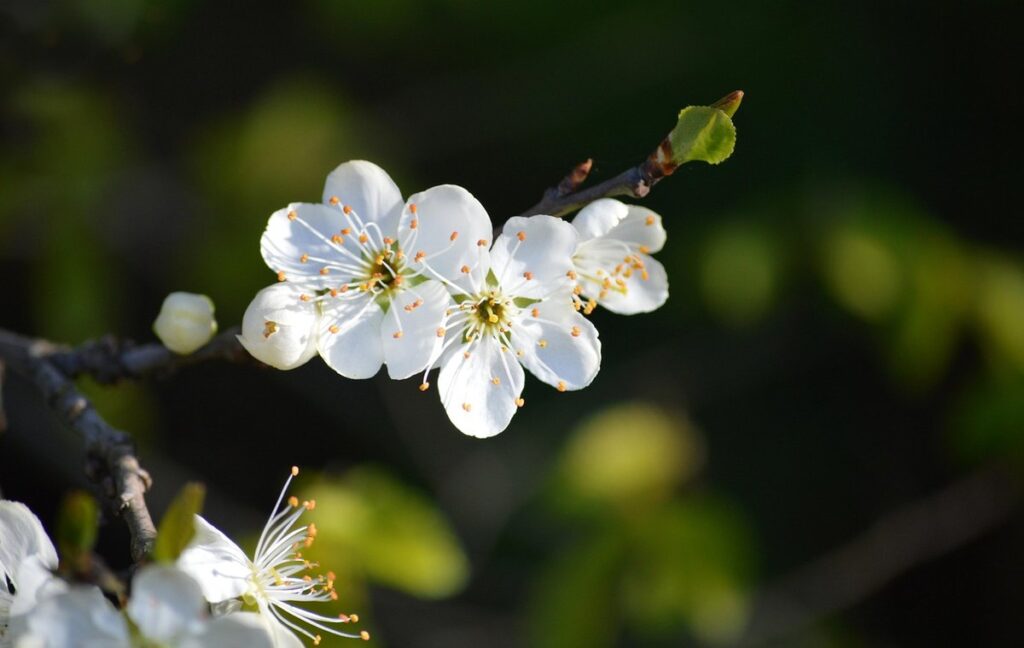
But it’s the flowers that truly steal the show – literally! Plum blossom trees produce showy flowers that bloom in shades of pink to white, often simultaneously on multiple branches. This is one reason why they’re such a popular sight during springtime: not only do their delicate petals add a touch of elegance to any landscape, but the sheer number of blooms creates a breathtaking spectacle that’s impossible to ignore.
As you gaze at the plum blossom tree’s flowers, notice how each bloom has five petals and a cluster of stamens in the center. This intricate design is not just aesthetically pleasing – it also plays a crucial role in pollination. When bees and other pollinators visit the flowers, they inadvertently transfer pollen from one tree to another, helping the plum blossom tree reproduce and set seeds for next year’s blooms.
Care and Maintenance Tips for Plum Blossom Trees
To keep your plum blossom tree thriving, it’s essential to follow some simple care and maintenance tips that will ensure its beauty and health for years to come. Regular pruning is a great place to start.
Soil Requirements and pH Levels
When it comes to providing the right conditions for your plum blossom tree to flourish, soil requirements and pH levels play a crucial role. These trees are not too picky when it comes to soil type, but they do prefer well-draining soil that allows excess water to seep through quickly. This is especially important in areas with heavy rainfall or where water tends to collect.
A slightly acidic pH between 5.5 and 6.5 is ideal for plum blossom trees. If your soil test reveals a higher or lower pH level, you can take steps to adjust it. For example, if your soil is too alkaline (high pH), adding peat moss or sulfur can help bring the pH down.
Regular fertilization is also essential for optimal growth and blooming. A balanced fertilizer with equal nitrogen, phosphorus, and potassium content will provide the necessary nutrients for healthy growth. Apply it in early spring, following the manufacturer’s instructions to avoid over-fertilizing, which can damage your tree. By getting the soil conditions just right, you’ll be rewarded with a beautiful display of plum blossoms every year.
Pruning Techniques for Shaping the Tree
Pruning your plum blossom tree during its dormant season is crucial for maintaining its shape and promoting new growth. Late winter to early spring is the ideal time to prune, as it allows the tree to focus on producing buds and flowers come springtime.
When pruning, remember to remove any dead or diseased branches, cutting them back to the base of the trunk. This will not only improve the overall appearance of your tree but also prevent the spread of disease. Next, take a closer look at the branches and remove any that are crossing over or rubbing against each other – this will help maintain an open canopy and allow for better air circulation.
For a more balanced shape, consider thinning out some of the smaller branches to encourage a fuller, more even growth pattern. This is especially important if you’re looking to maintain a specific shape or size for your tree.
Benefits of Plum Blossom Trees in Urban Landscapes
If you’re considering adding a touch of springtime charm to your city’s landscape, plum blossom trees are an excellent choice for their numerous benefits. They bring so much joy and beauty!
Air Quality Improvement
One of the most significant benefits of incorporating plum blossom trees into urban landscapes is their remarkable ability to improve air quality. As these trees absorb pollutants and carbon dioxide from the atmosphere, they contribute to a cleaner and healthier environment for residents. This process, known as phytoremediation, allows plum blossom trees to remove harmful substances from the air, thereby reducing pollution levels in cities.
To put this into perspective, studies have shown that a single mature tree can absorb up to 48 pounds of carbon dioxide annually. Imagine the collective impact when these trees are planted strategically throughout urban areas! By doing so, we not only create beautiful oases but also contribute to a cleaner and healthier environment for our communities. When selecting plum blossom trees for your urban landscape, look for varieties that have been specifically bred for their air-purifying properties.
Wildlife Habitat Creation
When it comes to urban landscapes, creating wildlife habitats is essential for supporting local biodiversity. Plum blossom trees play a crucial role in this effort by providing a source of food, shelter, and breeding grounds for various bird species and other wildlife.
In the spring, plum blossoms attract a variety of pollinators, including bees, butterflies, and hummingbirds. These visitors feed on nectar from the flowers, which helps to support their populations and ensures the successful pollination of nearby plants. As the trees grow, they provide a haven for birds seeking shelter and protection from harsh weather conditions.
To create a wildlife-friendly habitat around your plum blossom tree, consider planting native vegetation that provides food and shelter for local wildlife. You can also incorporate features such as birdhouses, nesting boxes, or birdbaths to supplement the resources offered by the tree itself. By doing so, you’ll not only enhance the beauty of your landscape but also contribute to the preservation of local ecosystems.
Culinary and Medicinal Uses of Plum Blossoms
Beyond its stunning beauty, the plum blossom tree also offers a range of culinary and medicinal uses that have been cherished for centuries. We’ll explore these practical applications next.
Traditional Chinese Medicine
In traditional Chinese medicine, plum blossoms have been valued for their medicinal properties for centuries. According to ancient texts, the blossoms are used to treat fever, coughs, and respiratory issues. The flowers themselves are often used in teas and infusions to help alleviate symptoms of bronchitis and pneumonia.
The bark of the plum blossom tree is also employed in herbal remedies. It’s believed to have anti-inflammatory properties, which can help soothe sore throats and calm irritated lungs. In fact, a traditional Chinese medicine formula known as “Sanyi Hejin” includes plum blossom bark among its ingredients to treat respiratory problems.
To harness the medicinal benefits of plum blossoms yourself, try making a warm tea by steeping dried flowers in hot water. You can also add a few drops of plum blossom extract to your bathwater for a soothing soak. When selecting herbal remedies or creating your own infusions, be sure to source high-quality ingredients from reputable suppliers to ensure maximum efficacy and safety.
Food and Beverage Applications
In many East Asian cultures, plum blossoms are cherished not only for their stunning beauty but also for their culinary uses. In Japanese cuisine, these delicate flowers are used as a garnish for traditional desserts like mochi and sakura-themed cakes. The subtle sweetness of the plum blossom’s fragrance pairs perfectly with the richness of the sweet fillings inside the mochi.
But that’s not all – plum blossoms are also used to create unique tea blends that evoke the essence of springtime. Imagine sipping a warm cup of tea infused with the delicate petals of these flowers, and you’ll experience the quintessential taste of Japan’s new season. To try this at home, look for high-quality Japanese green teas like gyokuro or sencha, and gently drop a few fresh plum blossoms into your teapot before brewing.
Whether used as a garnish or an ingredient in tea blends, plum blossoms add an unmistakable touch of elegance to any culinary creation.
Challenges Facing Plum Blossom Trees: Pests, Diseases, and Climate Change
As you’ve fallen in love with these beautiful trees, it’s essential to know that they’re not immune to threats like pests, diseases, and climate change. These challenges can significantly impact their health and appearance.
Common Pests and Diseases
One of the most significant challenges facing plum blossom trees is the threat of pests and diseases. These can be devastating to the tree’s health and beauty, making it essential for gardeners and caretakers to be vigilant. The plum moth is a common pest that targets plum blossom trees, feeding on the leaves and flowers. This can cause significant damage, especially if left unchecked.
Another major issue is powdery mildew, a disease caused by fungi that thrive in humid environments. It appears as a white, powdery coating on the leaves and stems, and can weaken the tree’s immune system, making it more susceptible to other diseases. Regular monitoring and management practices can help mitigate these issues. For example, pruning infected branches, removing weeds that compete for water and nutrients, and applying fungicides when necessary, can all play a crucial role in maintaining healthy trees.
To protect your plum blossom tree from pests and diseases, inspect it regularly during the growing season, looking out for signs of damage or disease. Catching problems early on is key to preventing further damage and ensuring the tree remains healthy and vibrant.
Climate Change Impacts on Plum Blossoms
Plum blossom trees have long been revered for their breathtaking beauty and symbolic significance. However, as the climate continues to change, these stunning trees are facing unprecedented challenges. Rising global temperatures are having a profound impact on plum blossoms, putting them at risk of heat stress, drought, and altered bloom cycles.
Heat stress is becoming an increasingly common issue for plum blossom trees, particularly in regions where temperatures are already soaring during blooming periods. This can cause damage to the delicate flowers and reduce their overall yield. For example, a study conducted in Japan found that high temperatures during the blooming period significantly reduced the number of flowers and fruit produced by plum blossoms.
Drought is another major concern for plum blossom trees. As water scarcity increases due to climate change, these trees are struggling to access the moisture they need to thrive. This can lead to premature leaf drop, reduced growth, and a shorter lifespan for the tree. To mitigate this risk, gardeners can take steps to ensure their plum blossom trees receive adequate watering, especially during periods of drought.
Altered bloom cycles are also affecting plum blossoms, causing them to bloom earlier or later than usual. This can disrupt the delicate timing of other plants in the ecosystem and make it difficult for bees and other pollinators to access the flowers at the right time. To adapt to these changes, gardeners may need to adjust their pruning schedules and provide additional support for the trees during periods of stress.
By understanding the impacts of climate change on plum blossom trees, we can take proactive steps to protect these stunning specimens and ensure they continue to thrive in years to come.
Conclusion: Preserving the Beauty of Plum Blossom Trees
As we’ve explored the beauty and significance of plum blossom trees, it’s time to think about how we can protect these stunning plants for generations to come. Let’s explore some practical ways to preserve their loveliness.
Importance of Conservation Efforts
As we come to the end of our exploration of the majestic plum blossom tree, it’s essential to acknowledge the importance of conservation efforts in protecting these remarkable specimens. The cultural significance and environmental benefits of plum blossom trees are undeniable, making it crucial that we take steps to preserve them for future generations.
One of the primary reasons why conservation is essential is the role plum blossom trees play in promoting biodiversity. These trees provide a vital source of food and shelter for countless species of birds, insects, and other wildlife. By preserving plum blossom trees, we are also safeguarding the ecosystems they support. In fact, studies have shown that areas with high concentrations of plum blossom trees exhibit significantly higher levels of biodiversity compared to those without.
In addition to their ecological importance, plum blossom trees hold immense cultural significance. They have been a symbol of spring and beauty for centuries in many cultures, particularly in East Asia. To preserve these trees is not only an environmental imperative but also a way to honor the rich cultural heritage associated with them. In fact, the Chinese government has designated plum blossom trees as a “national treasure,” highlighting their significance in the country’s cultural landscape.
As we reflect on the importance of conservation efforts, it’s essential to remember that every small action counts. Whether you’re an individual or part of an organization, there are many ways to contribute to preserving plum blossom trees. You can start by supporting reforestation initiatives, donating to organizations dedicated to tree conservation, or even planting your own plum blossom tree in a local park or garden.
Frequently Asked Questions
How can I propagate a plum blossom tree from seed?
Propagation of plum blossom trees from seeds is possible but challenging due to their unique reproductive requirements. It’s recommended to use grafted saplings for faster growth and better flowering results. If you do choose to propagate from seed, ensure the seeds are fresh, and provide optimal conditions for germination.
What’s the ideal location for planting a plum blossom tree in my garden?
When selecting a spot for your plum blossom tree, consider its mature size and space requirements. Provide full sun to partial shade and well-draining soil with a slightly acidic pH (5.5-6.5). Avoid areas prone to waterlogging or frost pockets.
Can I prune my plum blossom tree heavily without damaging it?
Yes, regular pruning is essential for maintaining the shape, promoting healthy growth, and encouraging blooming in plum blossom trees. Prune during dormancy (winter to early spring) using sharp, clean tools to minimize damage.
How do I protect my plum blossom tree from pests and diseases?
Regularly inspect your tree for signs of pests or diseases. For common issues like aphids, whiteflies, or powdery mildew, use organic methods whenever possible, such as neem oil sprays or copper-based fungicides. Introduce beneficial insects to maintain a balanced ecosystem.
Can I grow plum blossom trees in containers?
While possible, growing plum blossom trees in containers can be challenging due to their large size and deep root systems. Choose compact varieties like ‘Moyashi’ or ‘Redwing,’ and ensure the container is at least 24 inches deep with good drainage and a slightly acidic potting mix.