
Are you ready to be mesmerized by one of the most breathtaking flowers in the garden? The stunning bearded iris is more than just a pretty face – it has a rich history, cultural significance, and symbolism that’s waiting to be uncovered. These gorgeous blooms have captivated artists, poets, and gardeners for centuries with their vibrant colors and delicate patterns. But what makes them truly special? From their unique care requirements to the fascinating stories behind their photography and symbolism, we’re about to delve into the wonderful world of bearded irises. In this comprehensive guide, we’ll explore everything you need to know about these stunning flowers, from growing tips to creative inspiration. Whether you’re a seasoned gardener or just starting out, get ready to fall in love with the beauty and charm of the bearded iris.
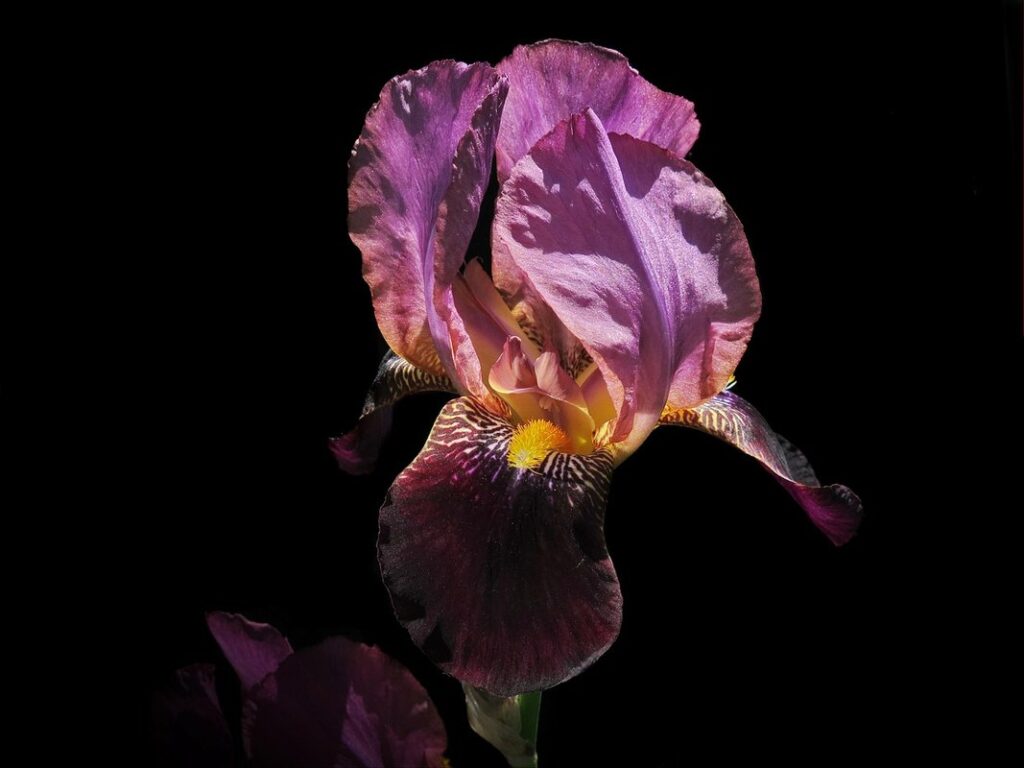
Introduction to Bearded Irises
Welcome to our exploration of bearded irises, where we’ll delve into the fascinating history and unique characteristics that make these stunning flowers truly special. Let’s start by understanding their origins.
What Are Bearded Irises?
Bearded irises are one of the most beloved perennials among gardeners and flower enthusiasts. These stunning flowers belong to the Iridaceae family and have been a favorite for centuries due to their unique beauty and adaptability. Native to Europe, Asia, and North Africa, bearded irises have been selectively bred over time to produce a vast array of colors, shapes, and sizes.
There are several common types of bearded irises that you can grow in your garden. These include the Dwarf Bearded Iris, Intermediate Bearded Iris, and Tall Bearded Iris. Each type has its own unique characteristics, with the Dwarf Bearded Iris growing to only 10-15 inches tall, while the Tall Bearded Iris can reach up to 36 inches. When choosing a bearded iris for your garden, consider factors like climate, soil type, and sunlight requirements to ensure that you select a variety that will thrive in your specific conditions.
Some popular types of bearded irises include ‘Immortal’, which boasts vibrant purple blooms with a yellow beard, and ‘Bluebird’, known for its delicate blue flowers with white streaks. By understanding the different types of bearded irises available, you can begin to explore the vast world of these stunning flowers and find the perfect variety to add to your garden.
History and Cultural Significance
Bearded irises have been adorning gardens for centuries, their beauty and significance deeply rooted in history. Their origins date back to ancient civilizations, where they were prized for their striking colors and vibrant blooms. In Greece and Rome, bearded irises were considered symbols of royalty and power, often depicted in art and literature as a symbol of nobility.
As we journey through the ages, we see that the appeal of bearded irises transcends cultures and continents. In the Middle East, they were used to represent spiritual growth and enlightenment, while in Asia, they signified good fortune and prosperity. The intricate patterns and colors of these flowers have captivated artists and craftspeople throughout history, inspiring countless works of art and decorative motifs.
Today, bearded irises remain a beloved choice for gardeners worldwide, not just for their stunning beauty but also for the rich cultural heritage they represent. By incorporating them into your garden design, you can tap into this historical significance and add an extra layer of meaning to your outdoor space. Whether used as a focal point or incorporated into a larger floral arrangement, bearded irises are sure to bring a touch of elegance and sophistication to any setting.
Characteristics and Types of Bearded Irises
Bearded irises come in a stunning array of colors, shapes, and sizes, each with its unique characteristics and types that make them a beloved addition to any garden. Let’s explore these differences together.
Physical Characteristics
Bearded irises are known for their striking physical characteristics that set them apart from other types of irises. One of the most distinctive features is the shape and size of their flowers. These blooms come in a wide range of shapes, from the traditional bell-shaped to more exotic forms like ruffled, recurved, or even spoon-shaped varieties.
The color palette of bearded irises is equally impressive, with hues that span the entire spectrum of colors, including vibrant shades of purple, blue, yellow, pink, and white. Many bearded iris flowers also feature intricate patterns on their petals, such as stripes, swirls, or subtle gradations in shade. These patterns add an extra layer of visual interest to the already stunning blooms.
The foliage of bearded irises is often overlooked but is equally impressive. Their sword-shaped leaves are typically a deep green color and can grow up to 3-4 feet tall, depending on the specific variety. When planted en masse, these striking foliage can create a beautiful backdrop for the showy flowers that follow in spring.
Classification and Types
Bearded irises come in an impressive array of types, each offering unique characteristics that cater to different tastes and gardening needs. If you’re a beginner, you might want to start with dwarf varieties, such as ‘Dusky Challenger’ or ‘Bluebird’, which grow smaller than 12 inches tall but still produce vibrant blooms. These compact plants are ideal for containers or small gardens where space is limited.
Rebloomers, on the other hand, are a type of bearded iris that produces multiple flowers per stem over an extended period, often from spring to fall. ‘Immortality’ and ‘Romantic Reflections’ are popular rebloomer varieties that can bring months of color to your garden. To encourage reblooming, make sure to deadhead spent blooms regularly and divide the rhizomes every 3-4 years.
Species bearded irises, also known as Siberian irises, have smaller flowers with three petals (the standards) and three sepals (the falls), which are often fragrant. These hardy perennials thrive in wet conditions and are perfect for naturalizing along ponds or streams.
Growing and Caring for Bearded Irises
Now that you have a beautiful bearded iris, it’s time to learn how to care for them properly so they continue to thrive in your garden. This section will walk you through the essential steps for growing and maintaining these stunning flowers.
Planting and Soil Requirements
When planting bearded irises, selecting the right location is crucial for their growth and blooming success. Bearded irises prefer full sun to partial shade, with a minimum of six hours of direct sunlight per day. A location that receives consistent moisture but also has good air circulation is ideal. Avoid planting them in low-lying areas where water may collect, as this can lead to root rot.
To prepare the soil, test its pH level and amend it if necessary. Bearded irises thrive in well-draining soil with a slightly acidic to neutral pH (6.0-7.0). Mix in compost or well-rotted manure to improve soil structure and fertility. Dig a planting hole that is twice as wide and as deep as the rhizome, gently spreading out the roots before placing it in the hole.
Plant the rhizome about 3-4 inches below the surface, with the “beard” (the fuzzy tuft of hair at the base of the flower stem) pointing upwards. Water thoroughly after planting and keep the soil consistently moist during their first growing season.
Watering and Fertilization
When it comes to growing stunning bearded irises, proper watering and fertilization are crucial for promoting healthy growth and flowering. Overwatering is a common mistake that can lead to root rot and other issues, so make sure the soil drains well and water only when the top inch of soil feels dry.
As a general rule, water your bearded irises in the morning or early afternoon, allowing the plants to dry out slightly between waterings. During periods of drought, reduce watering to once every 10-14 days. As for fertilization, feed your bearded irises with a balanced, slow-release fertilizer in early spring when new growth appears.
You can also provide an additional dose of fertilizer after blooming has finished, but avoid overfertilizing as this can lead to weak and leggy growth. Consider using a low-nitrogen, high-potassium fertilizer to promote healthy root development and strong stems.
Designing with Bearded Irises: Tips and Tricks
Now that you’ve learned about these stunning flowers, let’s dive into designing with bearded irises – a crucial step in showcasing their beauty in your garden. We’ll share expert tips on making them shine!
Combinations with Other Plants
Bearded irises are versatile flowers that can be paired with a variety of other plants to create stunning combinations. When it comes to combining them with other flowers, consider pairing them with bulbs like tulips and daffodils for a vibrant spring display. The tall stalks of the bearded iris provide a perfect backdrop for these bulbs to shine.
If you’re looking to add some foliage interest, combine bearded irises with shrubs like boxwood or lavender. The delicate blooms of the bearded iris will complement the lush greenery of these shrubs perfectly. You can also plant them alongside trees like weeping willows or cherry blossoms for a beautiful and dynamic display.
For a more dramatic look, pair bearded irises with ornamental grasses like pampas grass or fountain grass. The tall stalks of the bearded iris will sway in the breeze alongside these grasses, creating a soothing visual effect. When choosing companion plants, remember to consider their mature sizes and growth habits to ensure they don’t compete for space or resources.
Considerations for Sunlight and Soil Conditions
When designing with bearded irises, it’s essential to consider the location’s sunlight exposure and soil conditions to ensure these stunning flowers thrive. Bearded irises generally require at least six hours of direct sunlight per day, making them perfect for sunny spots in your garden.
If you have a partially shaded area, look for varieties that are tolerant of shade or partial sun. Some popular bearded iris varieties like ‘Immortality’ and ‘Dusky Challenger’ can grow well in areas receiving four to five hours of direct sunlight.
When it comes to soil conditions, bearded irises prefer well-draining, fertile soils with a pH between 6.0 and 7.0. If your garden’s soil is heavy clay or prone to waterlogging, consider raised beds or containers to improve drainage. In areas with alkaline soil, add peat moss or sulfur to lower the pH.
Consider testing your soil before planting bearded irises to determine its nutrient content and pH level. Based on the test results, you can amend the soil accordingly to provide the best growing conditions for these beautiful flowers.
Bearded Irises in Art, Literature, and Symbolism
Bearded irises have made their mark on art and literature throughout history, often symbolizing hope, faith, and purity. Let’s explore some fascinating examples of their cultural significance.
Representation in Art and Literature
Bearded irises have long been a source of inspiration for artists, writers, and poets across various eras. Their striking beauty and symbolism have led to numerous depictions in art, literature, and poetry. In ancient Greece, bearded irises were associated with spring and renewal, as seen in Greek vase paintings from the 5th century BCE.
In literature, bearded irises often symbolize creativity, hope, and faith. For example, in John Keats’ poem “To Autumn,” bearded irises are described as a vibrant display of color, representing the fleeting beauty of nature. Similarly, in Emily Dickinson’s poetry, bearded irises are used to convey themes of mortality and the passage of time.
In modern art, bearded irises continue to captivate artists. Painters like Monet and Van Gogh have featured the flower in their works, highlighting its expressive qualities. These artistic interpretations demonstrate the enduring appeal of bearded irises, transcending eras and styles. When admiring or painting bearded irises, consider the symbolism and emotional resonance they evoke – allowing you to tap into their beauty and significance.
Symbolic Meanings
Bearded irises have long been imbued with symbolic meanings that transcend their breathtaking beauty. In many cultures and faiths, these stunning flowers are seen as a symbol of hope and renewal, particularly during the spring season when they bloom. For instance, in Christianity, bearded irises are often associated with faith, representing the unwavering trust in a higher power.
In Greek mythology, the iris was said to have been created by the gods to carry messages between Mount Olympus and the earth below. This mythological significance has led some to interpret bearded irises as messengers of hope and guidance. When these flowers bloom, it’s not uncommon for people to see them as a reminder that better times are ahead.
In practical terms, you can incorporate the symbolic meaning of bearded irises into your own life by cultivating them in your garden or surrounding yourself with their beauty through art or literature. By doing so, you may find that these stunning flowers inspire hope and renewal within you, much like they have for centuries in various cultures around the world.
Tips for Photographing Bearded Irises
When it comes to capturing the vibrant beauty of bearded irises, a little planning and creativity can go a long way in getting stunning shots. Let’s dive into some expert tips for photographing these stunning flowers!
Choosing the Right Camera Settings
When it comes to capturing stunning photographs of bearded irises, understanding the right camera settings is crucial. To start, you’ll want to experiment with different modes such as manual (M), aperture priority (A/Av), and shutter priority (S/Tv). Manual mode gives you complete control over both aperture and shutter speed, allowing for precise adjustments.
For bearded iris photography, a wide-aperture lens between f/2.8 and f/4 is ideal to capture the delicate details of the flower. This will also help create a shallow depth of field, separating the subject from the background. Shutter priority mode can be used to freeze fast-moving bees or butterflies visiting the flowers.
When shooting in bright sunlight, consider using a lower ISO (100-400) and a shorter shutter speed (1/500s-1/8000s) to avoid overexposure. You may also want to experiment with a polarizing filter to reduce glare and enhance colors. Remember to adjust your camera settings according to the time of day and weather conditions for optimal results.
Composition and Lighting Tips
When photographing bearded irises, composition plays a crucial role in capturing their unique beauty. To create visually appealing images, look for simple yet elegant backgrounds such as stone walls, wooden fences, or lush greenery that won’t compete with the flowers’ vibrant colors. Place the bearded iris in the frame so its sword-shaped leaves are partially hidden from view and focus on the blooms.
When it comes to lighting, natural light is your best ally. Shoot during overcast days when direct sunlight can create harsh shadows that might detract from the irises’ delicate petals. Position yourself with the sun behind you or slightly above the iris’s center to achieve soft, gentle illumination. If shooting in the morning or late afternoon, be mindful of sidelighting effects that can add depth and interest to your images.
To emphasize the irises’ majestic stems, experiment with low-angle shots where you’re positioned below them. This will make the flowers appear more dramatic and statuesque.
Frequently Asked Questions
Can I grow bearded irises in containers?
Yes, you can successfully grow bearded irises in containers as long as they have good drainage holes to prevent waterlogged soil. Choose a container that’s at least 6-8 inches deep and wide enough for the rhizome (thick underground stem) to spread out. Use a well-draining potting mix specifically designed for perennials, and follow the same care instructions mentioned in the main article.
How do I choose the right camera settings for photographing bearded irises?
To capture stunning photos of bearded irises, use a tripod to avoid camera shake, and set your camera to an aperture between f/5.6 to f/8 for optimal sharpness. Use a macro lens or extension tubes if you have them, as they will allow you to focus on the intricate details of the flowers. Shoot in RAW format for greater flexibility during post-processing.
What are some common challenges when growing bearded irises?
Common issues when growing bearded irises include inadequate sunlight (they need at least 6 hours of direct sunlight per day), overwatering, and poor soil quality. To prevent these problems, choose a location with full sun, ensure good drainage by raising the bed slightly or using a raised planter, and fertilize lightly during the growing season.
Can I use bearded irises in cut flower arrangements?
Yes, bearded irises make beautiful additions to cut flower arrangements due to their striking colors and delicate patterns. Cut the stems when they’re in bloom, removing any dead leaves that will fall below the waterline. Keep the stems hydrated by changing the vase water daily, and enjoy your stunning bearded iris arrangements.
How do I propagate bearded irises?
To propagate bearded irises, dig up rhizomes in the fall after the foliage has died back, or in early spring when new growth begins to emerge. Divide each rhizome into sections with at least one “beard” (the fuzzy part) attached, and replant them immediately in well-draining soil with full sun. Water thoroughly and keep the area consistently moist until the new plants are established.