
Rainbow trees have always been a source of wonder and awe, their vibrant colors captivating us with an otherworldly beauty. But beyond their stunning appearance, these natural wonders hold a wealth of scientific secrets waiting to be uncovered. From the intricacies of their coloring process to their crucial role in supporting local ecosystems, rainbow trees are a testament to the incredible diversity of life on our planet.
In this article, we’ll delve into the fascinating world of rainbow trees, exploring their types, cultural significance, and the efforts being made to conserve these remarkable species. We’ll examine why rainbow trees matter not just for their beauty but also for their ecological importance. By the end of this journey, you’ll gain a deeper appreciation for these incredible trees and understand the urgent need to protect them for future generations.
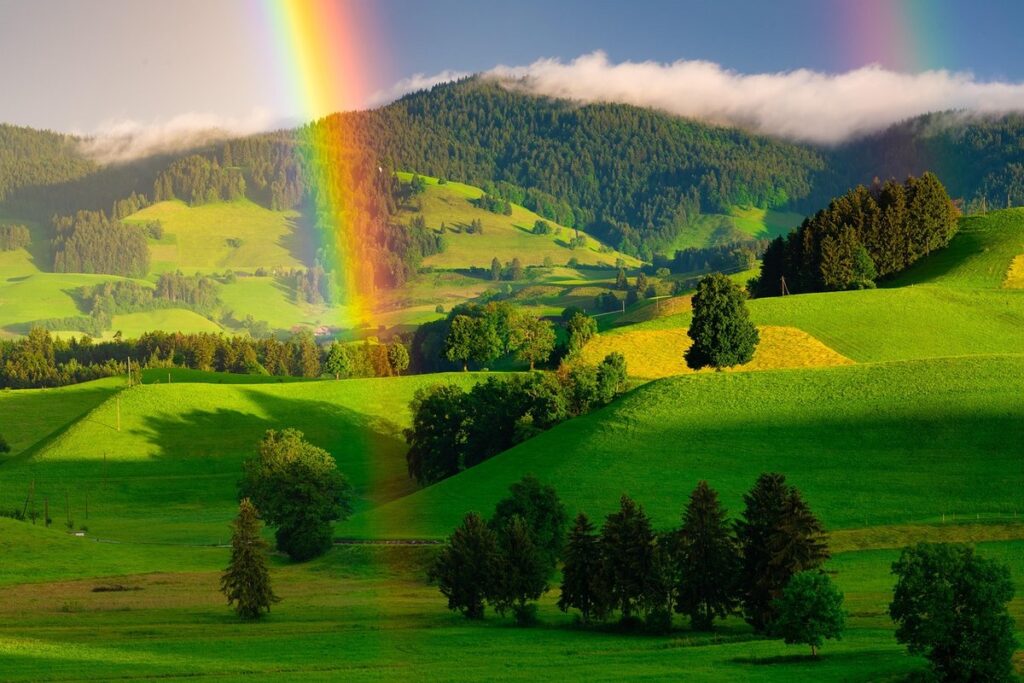
What are Rainbow Trees?
Let’s dive into what makes rainbow trees so unique and how they come to be, with their striking colors a wonder of nature.
The Science Behind Rainbow Eucalyptus
The vibrant colors of rainbow eucalyptus trees are a result of a unique combination of factors. One key aspect is the tree’s sap flow. Unlike most plants, which release their sap through normal metabolic processes, rainbow eucalyptus trees have a distinct characteristic where they bleed sap from wounds and scratches on their bark. This process is called phloem bleeding. As the sap flows out, it reveals the vibrant colors beneath.
The colors themselves are due to the tree’s high concentration of a pigment called tannin. Tannins are naturally occurring compounds that give plants their brown or red coloration. However, in rainbow eucalyptus trees, these pigments break down over time into smaller components, resulting in the distinctive rainbow hues.
Interestingly, each layer of sap flow contains varying concentrations of different pigments, creating a layered effect and contributing to the tree’s multicolored appearance.
Types of Rainbow Trees Found Around the World
Rainbow trees can be found in various parts of the world, each displaying unique characteristics that contribute to their breathtaking display. One of the most common types is the Rainbow Eucalyptus (Eucalyptus deglupta), native to the Philippines and Indonesia. Its multicolored bark peels off in horizontal strips, revealing a vibrant spectrum of colors beneath.
The Rainbow Ash Tree (Fraxinus ornus) is another popular species found in Europe and Asia. Its smooth gray bark becomes adorned with bright green leaves and white flowers during spring, gradually giving way to autumn hues. The Bald Cypress Tree (Taxodium distichum), common in North America, develops striking red to orange foliage in the fall, creating a kaleidoscope effect.
The Rainbow Gum Tree (Eucalyptus grandis) is native to Australia and exhibits stunning coloration due to its fibrous bark. In ideal conditions, this tree can grow up to 100 feet tall, displaying vibrant green leaves during spring and summer, followed by autumnal hues of red, orange, and yellow. While these species may not display the exact same colors as each other, they all contribute to the natural beauty of rainbow trees.
How Do Rainbow Trees Get Their Colors?
One of the most fascinating questions about rainbow trees is how they manage to display such vibrant, colorful hues. Let’s explore the science behind their striking appearance.
The Role of Sap Flow in Creating the Rainbow Effect
As we delve into the world of rainbow trees, it’s essential to understand the role of sap flow in creating these breathtaking colors. The constant movement of sap through the tree’s bark is responsible for the formation of the colorful patterns that make rainbow trees so unique.
This process is influenced by several factors, including temperature, humidity, and the presence of specific pigments within the sap. As the sap flows through the tree’s vascular system, it absorbs and releases water and minerals, which in turn affects its color intensity. For instance, during periods of high temperatures and low humidity, the sap tends to be more concentrated, resulting in deeper, richer colors.
But what exactly triggers this colorful display? Research suggests that the presence of specific pigments, such as anthocyanins and carotenoids, plays a significant role. These pigments are naturally occurring within the tree’s cells and are responsible for the red, purple, and yellow hues found in rainbow trees.
Environmental Factors Affecting the Rainbow Color Display
The vibrant colors of rainbow trees are not only breathtakingly beautiful but also sensitive to environmental conditions. Temperature and humidity play a significant role in determining the intensity and visibility of these colors.
For instance, did you know that some species of rainbow trees display more vibrant colors during periods of high humidity? This is because excess moisture helps to amplify the colors, making them appear more intense. Conversely, dry spells can cause the colors to fade, almost like a watercolor painting drying out.
Rainfall patterns also impact the color display. In areas with consistent rainfall, the colors tend to remain bright and vibrant throughout the year. However, in regions with unpredictable or scarce rainfall, the colors may appear dull or inconsistent.
To observe the optimal color display on a rainbow tree, it’s essential to consider the time of year and weather conditions. Typically, the colors are most pronounced during the wet season or after consistent rainfall. If you’re planning to witness this natural wonder in person, research the local climate and plan your visit accordingly.
The Benefits and Drawbacks of Having Rainbow Trees in Your Ecosystem
When considering adding rainbow trees to your ecosystem, it’s essential to weigh the advantages against the potential drawbacks, including their unique growth requirements. This section will explore both sides of the coin.
Ecological Importance of Rainbow Trees
Rainbow trees play a vital role in supporting local wildlife and ecosystems. As food sources, they provide sustenance for various species of birds, insects, and small mammals. The colorful fruits and nectar-rich flowers attract pollinators like bees and butterflies, which in turn support the entire ecosystem’s health.
The trees’ diverse habitats also offer shelter and nesting sites for numerous animals. For instance, some bird species rely on the dense foliage of rainbow trees as a safe haven from predators, while others use their hollow trunks as nesting grounds. This biodiversity is essential for maintaining ecological balance within an area.
In addition to supporting wildlife, rainbow trees help maintain soil quality through their extensive root systems and leaf litter. This process contributes to nutrient cycling, which benefits other plants in the surrounding environment. By incorporating rainbow trees into your ecosystem, you can create a more resilient and thriving environment that supports local wildlife.
Challenges Faced by Rainbow Tree Growers and Conservation Efforts
While rainbow trees offer numerous benefits, cultivating and conserving them comes with its own set of challenges. One major issue is their susceptibility to diseases such as the infamous Rainbow Tree Blight (RTB). This fungal disease can quickly spread through infected branches, causing widespread damage to entire groves.
Environmental pressures also pose a significant threat to rainbow tree cultivation. Rising temperatures and changing precipitation patterns due to climate change disrupt the delicate balance of these trees’ ecosystems, making it increasingly difficult for growers to replicate the optimal conditions needed for growth. Moreover, the high demand for rainbow tree saplings has led to over-harvesting in some areas, further stressing the trees.
To mitigate these challenges, conservation efforts are underway to develop more disease-resistant varieties and promote sustainable growing practices. For instance, researchers have begun experimenting with grafting techniques to transfer desirable traits from disease-resistant species onto sensitive ones.
Cultural Significance and Symbolism of Rainbow Trees
Rainbow trees have been imbued with profound cultural significance across various societies, often representing harmony, diversity, and the beauty of nature. Let’s dive into their symbolic meanings and importance in different cultures worldwide.
Historical and Mythological Associations with Rainbow Trees
Rainbow trees have been a source of fascination and reverence across various cultures throughout history. In many ancient mythologies, these trees are associated with divine beings and sacred energies. For instance, the Celtic tradition revered the rainbow as a symbol of hope and promise, while the Norse mythology linked it to the god Freyja, goddess of love and fertility.
In many Asian cultures, rainbow trees are seen as bridges between heaven and earth, facilitating communication between mortals and deities. The ancient Chinese considered them sacred vessels for conveying divine messages, while in Hinduism, the rainbow tree is associated with the god Indra, king of the gods. These mythological connections not only underscore the significance of rainbow trees but also highlight their role as messengers of the divine.
By embracing these rich cultural associations, we can deepen our appreciation and understanding of rainbow trees as natural wonders that embody spiritual significance and symbolism.
Contemporary Art and Inspiration from Rainbow Trees
Rainbow trees continue to captivate artists, writers, and designers with their breathtaking beauty. These natural wonders have become a symbol of diversity and inclusivity, inspiring countless works across various mediums. For instance, the vibrant colors of rainbow trees have influenced the palette of many contemporary art pieces, from paintings to installations.
In literature, authors often draw inspiration from these trees’ majestic presence. A case in point is the novel “The Rainbow Tree” by Iranian author Amir Hassan Cheheltan, where a magical tree with changing colors becomes a metaphor for life’s journey. Similarly, poets use the imagery of rainbow trees to convey emotions and themes.
Rainbow trees have also made their mark on design. Interior designers often incorporate elements reminiscent of these trees into their creations, such as colorful murals or abstract patterns. If you’re inspired by rainbow trees, consider experimenting with analogous color schemes in your art projects. Choose colors that reflect the tree’s natural palette to create a harmonious and visually striking piece.
Conservation Efforts for Rainbow Trees
We’ll delve into the ways you can contribute to preserving these incredible trees, from supporting eco-friendly projects to adopting sustainable practices at home. Let’s explore how we can protect this natural wonder together.
Threats Facing Rainbow Tree Populations
Rainbow trees are facing numerous threats that put their populations at risk. Habitat loss is one of the primary concerns, as urbanization and agriculture continue to encroach on natural habitats, leaving rainbow trees without sufficient space to grow. Climate change also poses a significant threat, as rising temperatures and changing weather patterns disrupt the delicate balance of these trees’ ecosystems.
Human activities such as logging, pollution, and over-harvesting also harm rainbow tree populations. In some regions, they are cut down for their timber or other forest products, while in others, they are killed by pollutants or invasive species. For example, a recent study found that in certain parts of the world, up to 70% of rainbow trees have been lost due to human activities.
It’s essential for individuals and organizations to take action to protect these magnificent trees. By supporting conservation efforts, reducing our carbon footprint, and promoting sustainable land use practices, we can help mitigate the threats facing rainbow tree populations. We must also raise awareness about the importance of preserving these natural wonders, so that future generations can continue to marvel at their beauty and significance.
Initiatives to Protect and Preserve Rainbow Trees
To preserve these breathtaking natural wonders for future generations, numerous initiatives have been launched globally. The Rainbow Tree Trust, a leading organization dedicated to conserving rainbow trees, has implemented extensive reforestation programs across Africa and Asia. These efforts not only involve planting seedlings but also educate local communities on the importance of maintaining healthy habitats.
A crucial aspect of conservation is habitat restoration. This involves clearing invasive species, controlling pests, and revitalizing degraded lands to create a favorable environment for rainbow trees to thrive. Organizations like the World Wildlife Fund have launched targeted campaigns to protect these ecosystems, working closely with governments and local stakeholders to ensure long-term success.
Education plays a vital role in preserving rainbow trees. Many conservation groups offer guided tours and workshops to raise awareness about the significance of these trees. Participants learn about their unique characteristics, ecological importance, and the threats they face due to human activities like deforestation and pollution. By empowering local communities with knowledge and skills, we can safeguard the future of these incredible natural wonders.
Frequently Asked Questions
Can I grow rainbow trees in my backyard?
Yes, with the right climate and conditions, you can cultivate rainbow eucalyptus trees in your yard. They thrive in tropical and subtropical regions with high humidity and temperatures between 64°F to 90°F (18°C to 32°C). However, be aware that these trees can grow quite large, up to 100 feet tall, so ensure you have sufficient space before planting.
How often should I water a rainbow tree?
Rainbow eucalyptus trees prefer well-draining soil and moderate watering. Water them when the top inch of soil feels dry to the touch. Avoid overwatering, which can lead to root rot and other issues. Also, be mindful that these trees have a unique ability to adapt to drought conditions, so they may not require frequent watering.
Can rainbow trees be used for medicinal purposes?
While there’s no conclusive evidence supporting medicinal uses of rainbow eucalyptus trees specifically, the sap of certain eucalyptus species has been traditionally used in herbal remedies for various ailments. However, more research is needed to fully explore their potential health benefits and ensure safe usage.
Are rainbow trees endangered?
Some rainbow tree populations face threats due to habitat loss, logging, and climate change. Conservation efforts are underway to protect these remarkable trees. By supporting reforestation programs and spreading awareness about the importance of preserving biodiversity, you can contribute to safeguarding the future of rainbow eucalyptus trees.
How can I support conservation efforts for rainbow trees?
You can make a difference by donating to reputable organizations focused on rainforest preservation and sustainable forestry practices. Additionally, spread awareness about the significance of these trees through social media and local communities. By working together, we can ensure the continued existence of these natural wonders for future generations.