
Prairie plants are often overlooked, yet they play a vital role in maintaining the health and biodiversity of our ecosystems. These unique plants have been thriving for centuries, but their populations are facing unprecedented threats due to habitat destruction and fragmentation. As we strive to protect these remarkable ecosystems, it’s essential to understand the ecological significance of prairie plants and the challenges they face. In this article, we’ll delve into the world of prairie plants, exploring their diverse range, uses in conservation efforts, and community-led initiatives aimed at preserving these precious habitats. From habitat creation to innovative conservation strategies, we’ll examine the ways in which prairies can be protected and restored for future generations to enjoy.
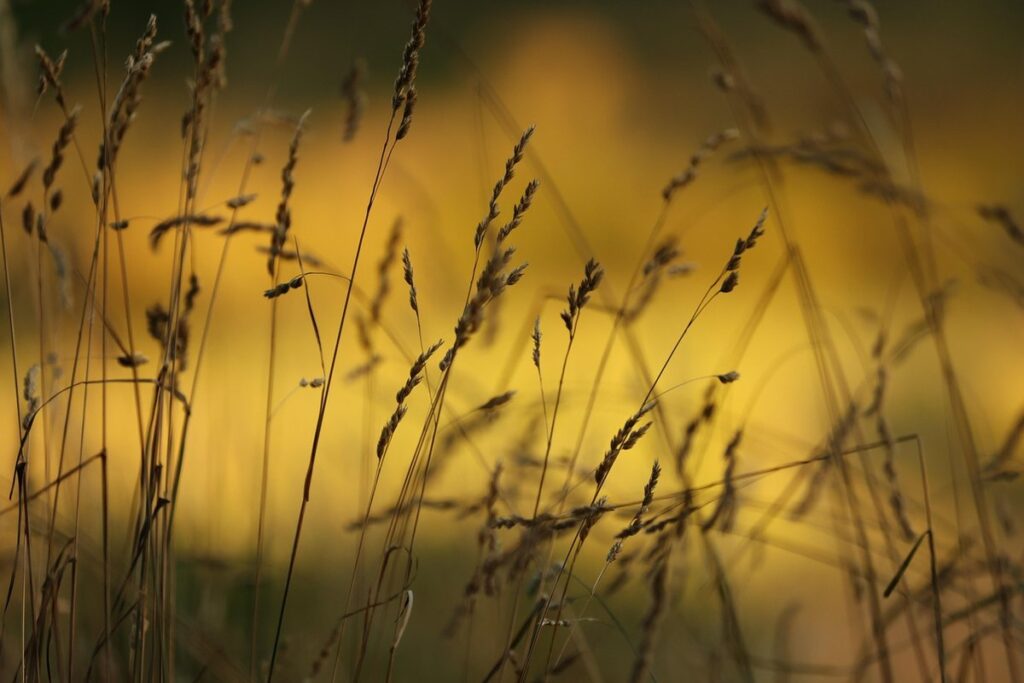
What are Prairie Plants?
Prairie plants are incredibly diverse, comprising a wide range of grasses and wildflowers that have adapted to life on these unique ecosystems. Let’s take a closer look at what prairie plants are all about.
Defining Prairie Plants
Prairie plants are native to North America’s grasslands and prairies, where they’ve evolved over thousands of years to thrive in the region’s unique climate and soil conditions. These plants can be broadly classified into several types based on their growth habits: forbs (broad-leaved flowering plants), grasses, sedges, and wildflowers.
Native prairie species include iconic plants like purple coneflower (Echinacea purpurea), black-eyed Susan (Rudbeckia hirta), and butterfly milkweed (Asclepias tuberosa). These plants have adapted to the prairie’s periodic droughts, intense sunlight, and rich soil, often developing deep roots or specialized leaf structures to conserve water. For example, the prickly pear cactus (Opuntia spp.) stores water in its stems, while the leaves of the big bluestem grass (Andropogon gerardii) have a waxy coating to prevent moisture loss.
Understanding prairie plants is essential for their conservation and responsible use. By identifying native species and their characteristics, you can create a sustainable garden or restore degraded prairies, supporting local ecosystems and preserving biodiversity.
Importance of Prairie Plants
Prairie plants play a vital role in supporting biodiversity, pollinators, and wildlife habitats. They provide a unique ecosystem that is home to numerous species of plants and animals that have adapted to the prairie environment over thousands of years.
One of the most significant contributions of prairie plants is their ability to support pollinators such as bees, butterflies, and hummingbirds. Many prairie plant species produce flowers that are rich in nectar and pollen, serving as a vital source of nutrition for these creatures. For example, coneflowers (Echinacea spp.) and black-eyed susans (Rudbeckia hirta) are two popular prairie plants that attract pollinators.
Prairie plants also provide habitat for various wildlife species, including birds, small mammals, and reptiles. The tall grasses and wildflowers create a sheltered environment that protects these animals from harsh weather conditions and predators. Furthermore, the diversity of prairie plant species supports a wide range of microorganisms in the soil, which is essential for maintaining soil health.
To incorporate prairie plants into your garden or landscape, start by choosing native species that are well-suited to your local climate and soil type. Plant a mix of tall grasses and wildflowers to create a diverse ecosystem that will attract pollinators and support local wildlife.
Types of Prairie Plants
Prairies are home to a diverse array of plant species, each with unique characteristics and growth habits that contribute to their rich biodiversity. Let’s explore some of the most common types of prairie plants found in these ecosystems.
Grasses and Wildflowers
Grasses are one of the primary components of prairie ecosystems, providing structural support and habitat for countless species. They come in a variety of shapes and sizes, from the delicate little bluestem to towering big bluestem. Some common grasses found on the prairies include switchgrass, indiangrass, and sideoats grama.
Wildflowers are perhaps the most vibrant and recognizable aspect of prairie ecosystems, with their bold colors and intricate patterns adding beauty and diversity to the landscape. Sunflowers, coneflowers, and black-eyed susans are just a few examples of the many wildflower species that can be found on the prairies. Wildflowers serve as an important food source for pollinators like bees and butterflies.
Shrubs also play a vital role in prairie ecosystems, providing habitat and shelter for wildlife. Some common shrub species include butterfly bush, little bluestem goldenrod, and oakleaf hydrangea. These plants are not only aesthetically pleasing but also offer practical benefits, such as stabilizing soil and supporting biodiversity.
When visiting the prairies or creating a prairie garden in your own yard, it’s essential to choose native species that will thrive in their environment and provide maximum benefit for local wildlife. By doing so, you’ll be contributing to the preservation of these vital ecosystems and ensuring their continued beauty for generations to come.
Trees and Shrubs in Prairies
Prairies are often associated with open spaces devoid of trees, but this isn’t entirely accurate. While they may not be as dense as forests, prairies do have their share of tree and shrub species that have adapted to the unique conditions found in these ecosystems.
Some examples of trees that thrive in prairies include the bur oak (Quercus macrocarpa) and the silver maple (Acer saccharinum). These species are well-suited to the region’s fluctuating climate, with deep roots allowing them to tap into water sources during periods of drought. They also have broad canopies that provide shade for other plants while their extensive root systems help maintain soil quality.
Shrubs like the American beautyberry (Callicarpa americana) and the buttonbush (Cephalanthus occidentalis) are common in prairies as well. These species tend to grow close together, forming dense thickets that protect other plants from harsh winds and extreme temperatures. They also serve as important food sources for wildlife, providing berries or nectar for various birds and insects.
When planting trees or shrubs in a prairie environment, consider the specific needs of each species. For instance, bur oak prefers well-drained soil, while silver maple tolerates a range of conditions but may require occasional pruning to maintain its shape.
Uses of Prairie Plants
Beyond their beauty, prairie plants also have a range of practical uses that can benefit us and our ecosystems. Let’s explore some of these incredible uses together.
Medicinal and Herbal Uses
Prairie plants have been an integral part of traditional medicine for centuries. Indigenous communities and early settlers used various prairie plants to create herbal remedies for ailments ranging from fever reduction to wound healing. For instance, the roots of the Black Willow (Salix nigra) were used by Native American tribes to treat fever, while the leaves of the Wild Bergamot (Monarda fistulosa) were employed as a digestive aid.
In modern times, researchers have been exploring the medicinal properties of prairie plants to develop pharmaceutical applications. One notable example is the discovery of a compound in the Prairie Coneflower (Echinacea purpurea) that exhibits significant anti-inflammatory properties, leading to its use in various medications for arthritis and other conditions. The roots of the Burdock plant (Arctium lappa) have also been found to possess antimicrobial properties, making them a potential ingredient in future pharmaceuticals.
If you’re interested in harnessing the medicinal benefits of prairie plants, start by consulting with a qualified herbalist or physician before attempting to create your own remedies. Research local prairie plant varieties and their traditional uses, then experiment with simple recipes under close supervision.
Culinary and Dye Plants
Prairies are home to an array of edible and dye-producing plants that have been utilized by humans for centuries. Foraging for wild greens like dandelion, chicory, and plantain is a great way to incorporate these nutritious plants into your cooking. Simply add them to salads or sauté them with garlic as a side dish.
The roots and tubers of prairie plants can also be used in cooking. Burdock root, for instance, has a sweet, earthy flavor and can be roasted or boiled as a vegetable. Sunchokes, on the other hand, have a nutty taste and can be roasted like potatoes.
In addition to their culinary uses, many prairie plants can be used for natural dyeing. Plants like indigo, madder, and weld produce vibrant blues, reds, and yellows that can be used to create unique textiles. To make a natural dye, simply boil the plant material in water, then soak your fabric in the resulting liquid. Be sure to test the color on a small area first to ensure the desired result.
Prairie plants are an incredible resource for creative cooks and crafters alike. With a little knowledge and experimentation, you can unlock their full potential in both the kitchen and studio.
Habitat Creation and Restoration
To truly appreciate prairie plants, it’s essential to understand their natural habitats, which is why we’re diving into habitat creation and restoration techniques that support these incredible ecosystems. By learning about these methods, you can become a part of preserving the beauty of prairies.
Creating Prairie Habitats
Creating artificial prairie habitats requires careful planning and attention to detail. When it comes to choosing native species for your habitat, research local options that are well-suited to your climate and soil conditions. This will ensure a diverse array of plants thrive in their new environment.
To prepare the soil for planting, test its pH level and adjust it as necessary to mimic the natural prairie ecosystem’s acidic to neutral range (5.0-7.0). Remove any existing vegetation or debris, and till the soil to a depth of 8-10 inches to loosen and aerate it.
Next, plant native species in a layered approach: begin with taller grasses and shrubs on the north side to shield smaller plants from harsh winds and sun exposure. Then, intersperse shorter wildflowers, like coneflower and black-eyed Susan, to add visual interest and attract pollinators.
By following these steps, you’ll be well on your way to creating a thriving prairie habitat that supports local biodiversity and provides ecosystem services for years to come.
Restoring Native Prairies
Restoring native prairies to their natural state is a vital step in preserving biodiversity and ecosystem health. However, this process can be complex and requires careful planning and execution. Degraded or fragmented prairies often harbor invasive species that outcompete native plants for resources such as light, water, and nutrients.
To initiate restoration, it’s essential to remove invasive species like buckthorn, honeysuckle, and purple loosestrife. These non-natives can suppress native plant growth by shading them out or depleting soil moisture. Begin by identifying the invasive species present in your prairie area, then develop a removal plan. Consider hiring a professional or enlisting volunteers to aid in the process.
After removing invasive species, create a seedbed by loosening compacted soil and applying a layer of organic matter like compost or manure. This will prepare the ground for native seeds to germinate and establish themselves. Be patient – restoration is a long-term process that requires ongoing maintenance and care to ensure the return of native prairie vegetation.
Challenges Facing Prairie Plants
While prairie plants are incredibly resilient, they still face a range of challenges that threaten their very existence. Let’s take a closer look at some of these obstacles in more detail.
Invasive Species and Climate Change
Prairie plant communities are facing unprecedented threats from invasive species and climate change. These external pressures can have devastating effects on biodiversity and ecosystem resilience. Invasive species, such as purple loosestrife and eastern redbud, can outcompete native plants for resources like water and nutrients, leading to a decline in native plant populations.
Climate change is also altering the delicate balance of prairie ecosystems. Rising temperatures and changing precipitation patterns are allowing invasive species to thrive while making it difficult for native plants to adapt. For example, warmer winters allow non-native weeds like Canada thistle to germinate earlier, giving them a head start on native plants that struggle to compete.
To mitigate these effects, it’s essential to adopt conservation strategies that prioritize ecosystem resilience and biodiversity. This can be achieved through targeted invasive species management and the use of climate-resilient native plant species in restoration efforts. By taking proactive steps to address these challenges, we can help ensure the long-term health and stability of prairie ecosystems.
Threats from Land Use and Development
Prairies have long been a prime target for human development, with agriculture, urbanization, and mining being some of the most significant threats to prairie plant populations and ecosystems. As we explore the wonders of these plants, it’s essential to acknowledge the devastating impact of human activities on their habitats.
Agriculture is one of the primary drivers of prairie destruction, with crops like corn and soybeans dominating the landscape. When fields are converted from native prairies to agricultural land, it not only leads to habitat loss but also disrupts soil quality and water cycles. For example, in the Great Plains region of North America, an estimated 70% of the original prairie grasslands have been lost due to intensive farming practices.
Urbanization is another pressing concern, as cities and towns continue to expand, encroaching on remaining natural areas. The construction of infrastructure like roads, buildings, and other development projects further fragments habitats, isolating plant populations and making it difficult for them to adapt to changing conditions.
Mining activities also pose a significant threat, particularly with the increasing demand for fossil fuels and minerals. Open-pit mining can lead to the destruction of entire ecosystems, causing irreparable harm to prairie plants and animals that depend on these areas for survival.
It’s crucial to take action to mitigate these threats and preserve prairie plant populations. Governments, landowners, and conservation organizations must work together to implement sustainable practices and protect remaining natural areas. By doing so, we can ensure the long-term survival of these unique ecosystems and the plants that inhabit them.
Conservation Efforts for Prairie Plants
To truly appreciate these incredible plants, it’s essential we understand the efforts being made to protect and preserve prairie plant species for future generations. From habitat restoration to seed banks, let’s take a closer look at conservation in action.
Protecting Natural Areas
Prairies are among the most threatened ecosystems globally due to urbanization and agricultural expansion. The importance of preserving natural areas that support prairie plant growth cannot be overstated. These areas serve as critical habitat for a wide variety of species, including pollinators like bees and butterflies.
Protected lands and wildlife refuges play a vital role in conserving prairie plants. National Wildlife Refuges, such as the Prairie Wetlands Learning Center in Minnesota, provide sanctuary for native plant and animal species. Similarly, protected areas like the Tallgrass Prairie Preserve in Oklahoma offer opportunities for researchers to study these ecosystems and develop effective conservation strategies.
You can contribute to protecting natural areas supporting prairie plant growth by choosing locally sourced plants from nurseries that prioritize biodiversity. Additionally, supporting organizations that acquire and manage protected lands can help safeguard these ecosystems for future generations. Every effort counts in preserving the delicate balance of these ecosystems.
Community-Led Conservation Initiatives
When it comes to conserving prairie plants, community-led initiatives play a vital role. These efforts not only engage local communities but also foster a sense of ownership and responsibility towards the restoration process.
One notable example is the “Prairie Partners” program, where volunteers participate in citizen science projects that help monitor and restore native plant populations. By contributing to data collection and research, these individuals gain valuable insights into the life cycles of prairie plants and develop a deeper understanding of the ecosystem’s delicate balance.
Habitat creation programs are another crucial aspect of community-led conservation initiatives. Organizations like the Prairie Conservancy work with local residents to establish and maintain native plant gardens in public spaces, parks, and even backyards. These efforts not only provide habitat for pollinators but also serve as educational hubs, raising awareness about prairie plant diversity and their importance.
If you’re interested in starting a community-led conservation initiative in your area, consider the following steps:
* Identify local partners, such as parks departments or botanical gardens
* Develop a clear plan outlining goals, timelines, and volunteer roles
* Establish partnerships with researchers or organizations to ensure accurate monitoring and data collection
* Educate volunteers on proper restoration techniques and plant identification
Frequently Asked Questions
Can I grow prairie plants in a small garden or container?
Growing prairie plants in small spaces is possible, but it requires careful selection of species that thrive in containers or have compact growth habits. Research specific plants like little bluestem (Andropogon scoparius) or wild quinine (Parthenium integrifolium), which can adapt to smaller areas.
How do I identify invasive species that might be threatening my prairie habitat?
Identifying invasive species is crucial for effective management of your prairie. Look out for plants like buckthorn, Canada thistle, or leafy spurge, which are notorious invaders in many ecosystems. Consult with local experts or use field guides to ensure accurate identification and develop a plan to control their spread.
Can I use prairie plants for medicinal purposes without proper training?
While some prairie plants have valuable medicinal properties, using them requires caution and knowledge of safe dosages, preparation methods, and potential interactions. Avoid self-medication; consult with qualified herbalists or medical professionals before harvesting and using prairie plants for medicinal purposes.
How do I engage my community in prairie conservation efforts?
Community-led initiatives are essential for successful prairie conservation. Start by organizing workshops, educational events, or guided tours to raise awareness about the importance of prairies and involve local residents in hands-on activities like habitat restoration or species monitoring.
Can I create a prairie garden on a slope or uneven terrain?
Prairie gardens can thrive on slopes or uneven terrain, but they may require additional support and design considerations. Choose plants with shallow roots or those that tolerate moisture fluctuations. Incorporate erosion-control measures like geotextiles or terracing to stabilize the soil and ensure the success of your prairie garden.