
You’ve probably never heard of the white helleborine, but this rare and elusive plant has been captivating botanists and gardeners alike for centuries. Found in some parts of Europe, Asia, and North America, the white helleborine is a unique addition to any garden or conservatory, with its delicate white flowers and distinctive spotted leaves. But despite its beauty, this plant species is facing threats due to habitat loss and over-collection, making conservation efforts crucial to protect it for future generations.
In this article, we’ll delve into the world of the white helleborine, exploring its cultivation requirements, surprising uses in traditional medicine, and ornamental gardening. We’ll also discuss ongoing conservation efforts to safeguard this rare plant species, highlighting the importance of preserving biodiversity and protecting endangered ecosystems.
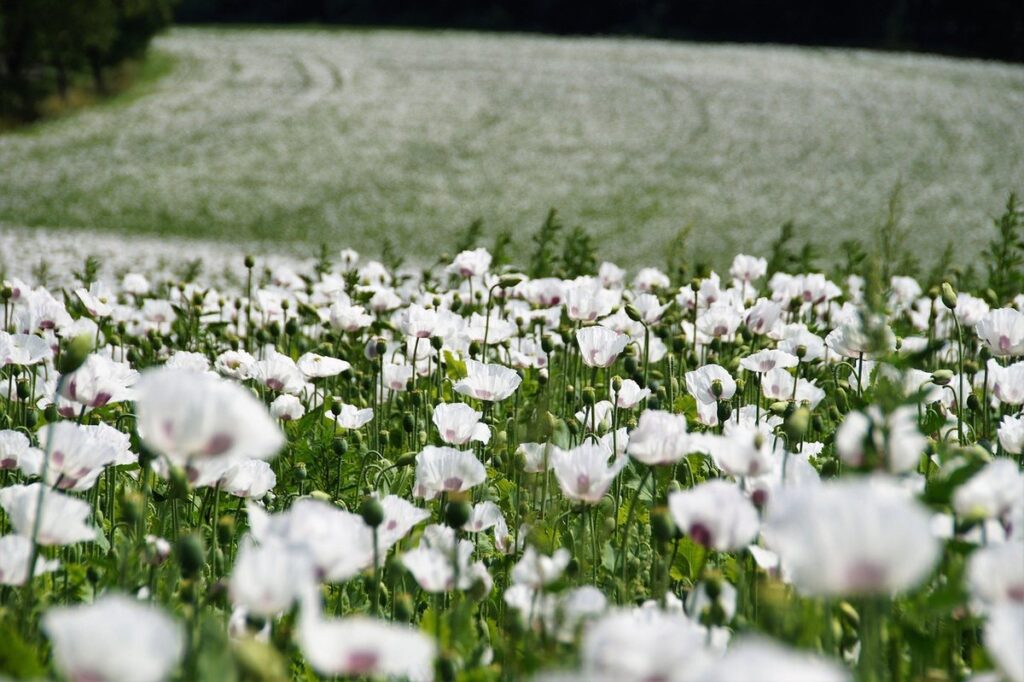
What is the White Helleborine?
So, you’re curious about what white helleborine actually is? This section will give you a brief overview of the plant’s identity and key characteristics.
Physical Characteristics
The white helleborine is a perennial plant that grows from 30-90 cm (12-35 inches) tall. Its leaves are dark green and divided into three to seven narrow segments with an acute tip, resembling the shape of a horseshoe. The leaf margins are entire or slightly wavy.
One of its most distinctive features is its nodding white flowers that bloom from late winter to early spring. These flowers have a short stalk and appear in clusters at the top of the stem. They’re typically 4-5 cm (1.6-2 inches) long, with six petals fused together to form a bell-like shape.
When identifying the white helleborine, it’s essential to note that its leaves can remain green throughout the growing season, while many other plants go dormant during winter. This is a distinctive trait of this plant, making it easy to spot in woodland areas or shaded gardens during late winter and early spring.
If you’re planning to cultivate the white helleborine in your garden, be sure to provide partial shade and well-draining soil with a slightly acidic pH. This will help the plant thrive and produce its beautiful nodding flowers.
Habitat and Distribution
The white helleborine is a rare and elusive orchid that can be found in the wild, primarily in Europe and Asia. Native habitats of this plant typically consist of deciduous forests, woodlands, and scrublands, where it thrives in shaded areas with rich soil. In the UK, for instance, the white helleborine is commonly spotted in woodland areas, particularly in those with a high concentration of ash trees.
Its range extends throughout much of Europe, from the UK to Poland, and as far east as Japan. However, its distribution is patchy, and it’s often found in isolated pockets within specific regions. This orchid has adapted well to various ecosystems, including ancient woodlands, hedgerows, and even roadside verges.
If you’re looking to spot the white helleborine in the wild, consider visiting areas with rich deciduous vegetation during late spring when the plant is typically in bloom. Be sure to venture out early morning or late afternoon when light conditions are optimal for spotting this elusive orchid.
Identification and Distinguishing Features
When examining a white helleborine, there are several distinguishing features to look out for that can help you identify it correctly. Let’s take a closer look at these key characteristics.
Key Characteristics for Identification
The white helleborine is often mistaken for other plants with similar appearances, such as the Christmas rose (Helleborus niger) and the Christmas bell (Hoya kerrii). To accurately identify a white helleborine, look for its distinctive key characteristics.
One of the most notable features of the white helleborine is its leaf shape. Unlike the large, leathery leaves of the Christmas rose, white helleborine leaves are typically narrower and more pointed, with wavy edges that give them a distinctive texture. They are also arranged in a spiral pattern along the stem, unlike the opposite or whorled arrangement found on some other plants.
When it comes to flowers, the white helleborine produces small, bell-shaped blooms with a short stalk that is often bent at an angle. These flowers typically bloom from April to July and are highly prized for their delicate beauty. They also have a distinctive greenish-yellow stripe running down the center of each petal, which sets them apart from other similar-looking plants.
To ensure accurate identification, examine the plant’s overall shape and growth habit. White helleborine tends to grow more compactly than some other species, with stems that are typically shorter in length.
Similar Lookalikes and How to Tell Them Apart
The white helleborine (Cephalanthera rubra) can be easily confused with several other orchids that share similar physical characteristics. One of the most common lookalikes is the common spotted orchid (Dactylorhiza fuchsii), which has a slightly different flower color and spotting pattern. However, the greenish-yellow labellum and the shape of the sepals can make it difficult to distinguish from the white helleborine.
Another plant that may be mistaken for the white helleborine is the autumn lady’s tresses (Spiranthes spiralis). While its flowers are also greenish-yellow, they have a distinctive wavy or twisted appearance and are often found in larger numbers than the white helleborine. The leaves of the autumn lady’s tresses are also longer and more narrow than those of the white helleborine.
To accurately identify the white helleborine, take note of its relatively small size, 10-20 cm tall, and its narrow, tongue-shaped leaves that are often clustered at the base. The flowers themselves have a distinctive shape, with the labellum being more pointed than the sepals. By paying close attention to these distinguishing features, you can confidently identify the white helleborine among other orchids.
Cultivation and Care
To get the most out of your white helleborine, learn how to properly cultivate and care for these beautiful spring-blooming flowers in your garden.
Planting and Soil Requirements
When it comes to planting and caring for white helleborines, understanding their ideal conditions is crucial for optimal growth. These woodland plants prefer well-draining soil that’s rich in organic matter, such as leaf mold or compost. Avoid using garden soil from your lawn, as it may be too dense and lack the necessary nutrients.
In terms of sunlight, white helleborines require partial shade to full shade, depending on the region you’re in. If you live in an area with hot summers, they’ll appreciate a spot that receives dappled shade throughout the day. Water your plants regularly during their first year after planting, but make sure not to overwater. The soil should be moist, but not waterlogged.
A general rule of thumb is to water your white helleborines when the top inch of soil feels dry to the touch. This will help prevent root rot and ensure a healthy growth rate. By providing your plants with these ideal conditions, you’ll be well on your way to enjoying beautiful white blooms in the winter months.
Propagation Methods and Tips
When it comes to propagating white helleborines, you have several methods to choose from. Division is a popular and effective way to multiply these plants. This involves digging up the entire clump of foliage and separating the individual rhizomes. Make sure each division has at least one growing eye, as this will ensure they establish new roots.
If you prefer to grow white helleborines from seed, be aware that this process can take several years. Seeds typically germinate in 3-6 months but may not bloom until their third or fourth year. To encourage blooming, provide the young plants with a shaded location and consistent moisture.
Another method for propagating white helleborines is through tissue culture. This involves taking a small sample of stem tissue from a mature plant and allowing it to develop into a new root system in a controlled environment. Tissue culture propagation can be more expensive than division, but it allows you to produce plants with consistent characteristics.
When attempting any form of propagation, remember to handle the roots gently and provide your new plants with an adequate water supply until they are established. This will help prevent transplant shock and ensure healthy growth.
Medicinal and Ornamental Uses
Beyond its unique appearance, white helleborine also has a rich history of use for both medicinal and ornamental purposes. Let’s explore some of these uses in more detail.
Traditional Medicine and Folklore
In traditional medicine and folklore, white helleborine has been used to treat a variety of ailments for centuries. The plant’s roots are said to possess powerful properties that can alleviate pain, reduce inflammation, and even cure snakebites. In some Eastern European cultures, it was believed that the plant could also ward off evil spirits.
In traditional Chinese medicine, white helleborine is used to treat fever, rheumatism, and other inflammatory conditions. The plant’s roots are typically harvested in the spring and dried before being used in tea or tincture form. To make a traditional remedy, simply steep 1-2 teaspoons of dried root in hot water for 5-10 minutes.
Some studies have also suggested that white helleborine may have antimicrobial properties, making it effective against infections such as E. coli and Staphylococcus aureus. However, it’s essential to note that the plant can be toxic if ingested in large quantities or without proper preparation, so caution is advised.
If you’re interested in trying white helleborine for medicinal purposes, ensure you source high-quality, organic roots from a reputable supplier and follow proper preparation and dosage guidelines.
Modern-Day Applications and Research
White helleborine has been gaining attention in modern-day research for its potential medicinal properties. Studies have shown that the plant contains compounds with anti-inflammatory and antimicrobial activities, which may contribute to its traditional uses as a wound healer. Researchers are also exploring the plant’s antioxidant properties, which could have implications for cancer treatment and prevention.
In the realm of ornamental gardening, white helleborine is prized for its unique, nodding flowers that bloom in early spring. Its delicate appearance makes it an attractive addition to shade gardens, where it can thrive alongside other woodland plants like ferns and hostas. Gardeners are also experimenting with using white helleborine as a cut flower, where its unusual shape and color add a whimsical touch to arrangements.
While more research is needed to fully understand the medicinal properties of white helleborine, its ornamental value and potential therapeutic benefits make it an exciting area of study. As herbalists and gardeners continue to explore its uses, we may uncover new applications for this understudied species.
Conservation Status and Threats
The white helleborine is facing numerous challenges, and understanding its conservation status and threats is crucial to protecting this beautiful orchid. Let’s take a closer look at what’s putting it at risk.
Global Conservation Efforts
The white helleborine is not only a rare and beautiful orchid but also a key component of various global conservation efforts. Internationally, the Convention on International Trade in Endangered Species of Wild Fauna and Flora (CITES) has listed the species, regulating its trade to prevent over-harvesting.
In Europe, the Bern Convention on the Conservation of European Wildlife and Natural Habitats has designated the white helleborine as a priority species for conservation. This has led to concerted efforts by national governments to protect its habitats, particularly in the UK, where it is considered a species of principal importance under the UK Biodiversity Action Plan.
In addition, several non-governmental organizations (NGOs) have taken up the cause, establishing nature reserves and implementing habitat restoration projects. For example, the Wildlife Trusts in the UK have worked with landowners to create white helleborine-friendly habitats on private estates. These initiatives demonstrate the power of collaboration between governments, NGOs, and local communities in conserving the white helleborine population.
If you’re interested in contributing to these efforts, consider supporting organizations that work directly with white helleborine populations or participating in citizen science projects to help monitor their numbers.
Local Threats and Solutions
In addition to the broader threats facing white helleborine populations globally, local habitats are also under siege from specific and insidious dangers. One of the most pressing concerns is habitat destruction, which can be caused by human activities such as urban development, infrastructure projects, or even well-meaning conservation efforts that inadvertently harm the plant’s ecosystem.
In the UK, for example, white helleborine populations have been impacted by the construction of new roads and buildings, leading to fragmentation of habitats and reduced connectivity between remaining patches. This can make it challenging for plants to disperse seeds and colonize new areas.
Another local threat is overcollection, particularly in areas where wildflower enthusiasts or florists seek out rare and unusual species like white helleborine. Not only does this deplete the population, but it also increases the risk of harming the remaining plants through damage to their roots or removal of essential leaves.
To combat these threats, we can take action by supporting local conservation efforts that prioritize habitat preservation and restoration. This might involve volunteering with a local botanical garden or wildlife group, advocating for sustainable land-use practices in your community, or spreading awareness about the importance of responsible plant collection and cultivation.
Frequently Asked Questions
How can I identify the white helleborine if it’s rare in my area?
If you’re trying to spot a white helleborine in your garden or local park but are unsure about its presence, look for nodding white flowers that bloom from late winter to early spring. Check the leaves as well, which should have three to seven narrow segments with an acute tip and entire or slightly wavy margins.
Can I propagate white helleborines using seeds, or is it best to use other methods?
No, propagating white helleborines via seed can be challenging due to their specific germination requirements. Instead, consider using rhizome division, leaf cuttings, or tissue culture for more reliable and efficient propagation methods.
Are there any companion plants that help protect the white helleborine from pests and diseases?
Yes, incorporating certain plant species in your garden can create a beneficial environment for white helleborines. Consider planting hostas, astilbe, or ferns nearby to attract pollinators and deter pests. Also, introduce plants with antibacterial properties, such as garlic or chives, to help prevent disease.
How do I ensure that my white helleborine is not contributing to habitat loss?
To avoid exacerbating the issue of habitat loss associated with over-collection, only cultivate white helleborines from reputable sources or plant materials obtained through conservation efforts. Also, consider creating artificial habitats or using container gardens to house your plants and prevent damage to natural ecosystems.
Can I use white helleborine in traditional medicine, despite its rarity?
While the white helleborine has potential medicinal uses, it’s crucial to consult with medical professionals before using any plant-based remedies. Traditional medicine often relies on the whole plant or specific parts, which may be difficult to obtain due to conservation efforts. Research alternative sources and explore synthetic analogs where possible.