
Pumpkin season is just around the corner, but this year, consider breaking away from the usual orange round. There’s a whole world of unique pumpkins out there waiting to be discovered! From their vibrant colors and quirky shapes to their exotic flavors and textures, rare gourds offer endless possibilities for decorating, cooking, and even growing your own.
In this article, we’ll delve into the fascinating realm of unconventional pumpkin varieties, showcasing some of the most striking and unusual specimens. You’ll learn how to grow these special gourds in your garden, plus get inspired by creative ways to use them in both cooking and decorating. Whether you’re a seasoned gardener or a curious cook, get ready to discover new favorites among the world’s rarest pumpkins.
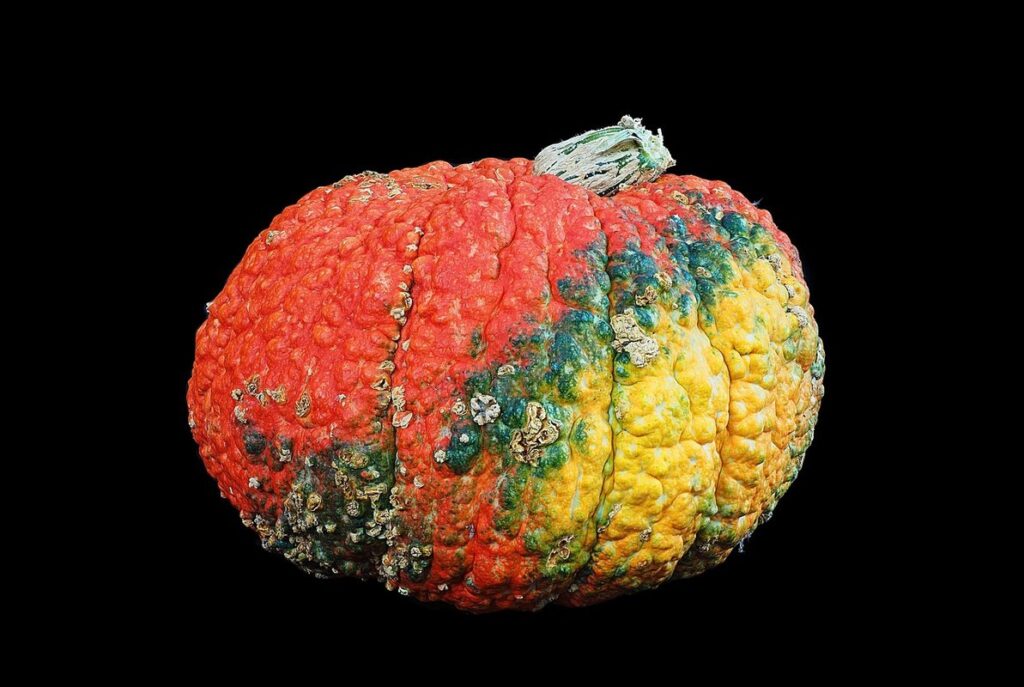
The World of Ornamental Pumpkins
Let’s delve into the fascinating realm of ornamental pumpkins, where vibrant colors and unique shapes will add a touch of whimsy to your fall decor.
Section Overview: A Brief History of Pumpkin Cultivation
The cultivation of pumpkins has a rich history that spans over 7,000 years. Originating from the Americas, these versatile fruits were first domesticated by indigenous peoples in present-day Mexico and Central America. The oldest known evidence of pumpkin cultivation dates back to around 5,600 BCE, with archaeological findings revealing that pumpkins were considered a staple crop among ancient civilizations.
As civilizations expanded and trade routes developed, pumpkin cultivation spread throughout the Americas, Asia, and Africa. Early European settlers brought their own varieties of pumpkins to North America, leading to the creation of diverse shapes, sizes, and colors. From the symmetrical “Connecticut Field” to the whimsical “Jarrahdale,” these unique varieties have been bred for specific characteristics, making them a staple in modern gardens.
Today, pumpkin cultivation is a global phenomenon, with new varieties emerging continuously. As we explore unconventional uses for pumpkins, it’s essential to acknowledge their rich history and the innovation that has led to this incredible diversity of shapes, sizes, and colors.
Unique Shapes and Forms: Exploring the Most Interesting Types
One of the most exciting aspects of ornamental pumpkins is their diverse range of shapes and forms. Among these unique varieties, you’ll find some truly eye-catching types that are sure to add a touch of whimsy to your fall decor or culinary creations.
The “Jarrahdale” pumpkin, for instance, boasts a deep blue-gray skin with bright orange highlights, giving it an almost gemstone-like appearance. Not only is this variety visually striking, but its unique coloration also makes it perfect for using as a decorative accent in fall arrangements and centerpieces.
Another standout type is the “Turban” pumpkin, characterized by its swirly, turban-like shape. This variety’s unusual form makes it ideal for using as a statement piece on a mantel or coffee table. And with its rich orange hue, it’s also perfect for incorporating into autumnal-themed cooking and baking projects.
Incorporating unique pumpkin shapes like these can add an extra layer of creativity to your fall decor and culinary pursuits.
Growing Rare and Unusual Pumpkins
If you’re eager to grow your own rare and unusual pumpkins, this section will guide you through the process of cultivating these unique varieties in your garden.
Soil and Climate Requirements for Rarer Varieties
Growing rare and unusual pumpkins requires attention to specific soil and climate conditions that may differ from those needed for more common varieties. When growing these unique gourds, it’s essential to consider the soil type, pH level, and nutrient requirements tailored to each variety.
Some rarer pumpkin types, like the ‘Cinderella’ or ‘Jarrahdale’, prefer well-draining, sandy soils with a slightly acidic pH (around 6.0-6.5). Others, such as the ‘Red Warty Hubbard’, require more alkaline soils with a pH between 7.0 and 8.0. Be sure to research the specific needs of your chosen variety.
Climate-wise, some rare pumpkins are sensitive to extreme temperatures or humidity levels. For instance, the ‘Lumina’ pumpkin thrives in cooler, temperate climates with moderate humidity, while others like the ‘Turban’ can handle warmer temperatures and drier conditions. Understanding these requirements is crucial for optimal growth and successful harvesting. Research your specific climate and adjust accordingly to create a suitable environment for your rare pumpkin variety.
Specialized Growing Techniques: Tips and Tricks for Success
Growing rare and unusual pumpkins requires more than just a green thumb – it demands specialized techniques that can help you overcome common challenges and achieve optimal results. When dealing with unique pumpkin varieties, the key to success lies in understanding their specific growing requirements.
For instance, some unusual pumpkins like ‘Galeux d’Eysines’ or ‘Blue Ballet’ prefer well-draining soil and full sun exposure, while others may require more shade or moist conditions. To overcome these challenges, it’s essential to research the specific needs of your chosen variety and adjust your growing strategy accordingly.
One crucial aspect to consider is temperature control. Some unique pumpkins are sensitive to extreme temperatures, which can lead to reduced yields or even plant loss. To mitigate this risk, create a microclimate around your plants by using mulch, row covers, or shade cloth to regulate temperature fluctuations.
Additionally, be prepared for potential pests and diseases that may target your rare pumpkin varieties. Keep an eye out for signs of stress, such as yellowing leaves or powdery mildew, and take swift action with organic pest control methods like neem oil or diatomaceous earth.
By mastering these specialized growing techniques and being aware of the unique requirements of your chosen variety, you’ll be well on your way to growing exceptional, show-stopping pumpkins that will wow friends and family alike.
Decorative Uses of Uncommon Pumpkins
Beyond carving jack-o-lanterns, pumpkins can be a beautiful addition to your home decor when chosen for their unique shape and color. We’ll explore how to showcase these uncommon varieties in creative ways.
Crafting Unique Centerpieces with Rare Gourds
When it comes to decorating with pumpkins, we often reach for the classic orange varieties. But why settle for ordinary when you can create a show-stopping centerpiece with a rare gourd? These unique pumpkins bring an element of surprise and sophistication to indoor spaces, making them perfect for fall decor.
To craft a one-of-a-kind centerpiece, start by selecting a few statement pieces – perhaps a vibrant, blue-gray gourd or a delicately patterned Calabash pumpkin. Arrange these unusual pumpkins in a decorative bowl or vase, and surround them with greenery like eucalyptus or ferns to add texture and depth.
Consider adding some candles or fairy lights for a warm glow, or incorporate natural elements like pinecones, acorns, or dried corn husks for added visual interest. The key is to balance the unique shape and color of your rare gourds with complementary materials that enhance their ornamental value. With a little creativity, your uncommon pumpkin centerpiece will be the star of any room – and a conversation starter among friends and family alike.
Seasonal Displays: How Unconventional Pumpkins Add Visual Interest
When it comes to adding visual interest to your seasonal displays, unique pumpkins are a game-changer. From fall decorations to winter arrangements, these unconventional gourds can be used in a variety of creative ways to add depth and personality to your decor.
Consider using unusual pumpkin shapes, such as the “Jarrahdale” or “Dickinson”, which have striking blue and white stripes respectively. These unique pumpkins can be paired with natural elements like branches, pinecones, and dried flowers to create a beautiful fall display on your front porch or entryway.
To take it up a notch, try combining pumpkins of different sizes and textures in a decorative bowl or vase. For example, pair the smooth “Galeux d’Eysines” with the ridged “Turban” for a visually appealing contrast. You can also use pumpkins as a base for winter arrangements by adding evergreen branches, candles, and pinecones.
Some other ideas to keep in mind include using unique pumpkin displays as a focal point on a mantel or staircase, or even as a centerpiece for your dining table. With a little creativity, the possibilities are endless!
Cooking with Rare and Unusual Pumpkins
Let’s dive into some creative cooking ideas using these lesser-known varieties, turning them into delicious soups, stews, and even baked goods. You’ll be amazed at how versatile they are in the kitchen!
Exploring Culinary Uses of Exotic Gourds
When it comes to exploring culinary uses of exotic gourds, the possibilities are endless. These unique pumpkins are not only visually stunning but also packed with nutrients and flavor. For instance, the Calabash pumpkin is an excellent source of vitamins A and C, potassium, and dietary fiber. Its sweet, slightly nutty taste makes it a versatile ingredient for soups, stews, and roasted vegetable dishes.
One way to prepare exotic gourds is to roast them in the oven with olive oil, salt, and your choice of herbs and spices. This brings out their natural sweetness and adds depth to any dish. You can also use them in savory pies or as a substitute for zucchini in bread recipes. To get started, choose a variety that suits your taste preferences, such as the ornamental Luffa gourd or the edible Gac pumpkin.
Remember to handle exotic gourds with care, as their skin can be fragile and prone to bruising. When cooking with them, consider their unique texture and flavor profile, and pair them with complementary ingredients to create balanced and delicious dishes.
Preserving the Harvest: Techniques for Long-Term Storage and Use
Preserving unique pumpkins throughout the year not only ensures their continued use in decoration and cuisine but also allows you to enjoy them during periods when fresh produce may be scarce. There are several techniques for long-term storage and use that can help preserve these beautiful gourds.
One effective method is to cure your pumpkins by placing them in a warm, dry location with good air circulation. This helps to dry out the skin and prevent mold from developing. Once cured, you can store them in a cool, dark place like a basement or pantry. The ideal temperature for storage is between 50-60°F (10-15°C), which will help slow down the ripening process.
You can also preserve unique pumpkins by pickling or fermenting them. This not only adds a tangy flavor but also helps to extend their shelf life. To pickle, slice the pumpkin thinly and soak it in a brine made from vinegar, salt, and spices. For fermentation, create a mixture of water, salt, and beneficial bacteria like lactic acid, then add sliced pumpkin and let it sit for several weeks.
When using preserved unique pumpkins in recipes, remember to adjust cooking times and methods based on their state of preservation. For example, pickled or fermented pumpkins can be used in soups, stews, and salads, while dried pumpkin can be roasted as a side dish or used in baked goods.
Unique Pumpkin-Themed Events and Festivals
As you’re getting into the fall spirit, you’ll want to know where to find some of the most exciting pumpkin-themed celebrations across the country. From carve-ins to concerts, we’ve got you covered!
Celebrating the Season with Unconventional Gourds
If you’re looking for a way to celebrate the season with unique gourds, look no further than pumpkin-themed events and festivals that showcase their cultural significance. These gatherings not only highlight the beauty of unconventional varieties but also share their history and symbolism.
Attend a Dia de los Muertos celebration in Mexico or the United States, where altars are adorned with vibrant squash and pumpkins to honor loved ones who have passed on. In Japan, you can join an autumn festival that features elaborate pumpkin displays and crafts. These events offer a glimpse into the cultural significance of gourds beyond their culinary use.
To incorporate these celebrations into your own life, start by researching local festivals or events in your area. Many cities and towns host unique gatherings to honor the harvest season. Consider attending one with friends or family and take the opportunity to learn about the traditions and stories behind these beautiful gourds.
Community Engagement: How Local Farmers Markets and Events Promote Rare Pumpkins
When you visit your local farmers market or attend community events during the fall season, you’re likely to come across an array of pumpkins that go beyond the standard orange variety. These rare and unusual pumpkins are not only a feast for the eyes but also a testament to the creativity and innovation of local farmers and vendors.
To promote these unique gourds, many farmers markets and events host pumpkin-themed activities, such as pumpkin-carving contests, pumpkin-pie-making demonstrations, or even pumpkin-decorating workshops. These interactive experiences encourage community members to engage with the unusual pumpkins on a more personal level, fostering appreciation for their distinct characteristics.
In addition to hands-on activities, some vendors also offer tastings of different pumpkin varieties, allowing attendees to experience the nuances of each type firsthand. This approach not only educates consumers about the diversity of pumpkins but also encourages them to try new recipes and cooking methods at home. By participating in these events, you can discover new favorite pumpkin varieties and take part in a vibrant celebration of local produce and community spirit.
Frequently Asked Questions
How can I incorporate rare pumpkin varieties into my garden?
When selecting rare pumpkins for your garden, consider factors like climate, soil type, and available space. Research specific growing requirements for each variety to ensure success. For example, some gourds may require full sun or a trellis for support. Make sure to choose varieties that fit within your gardening experience level.
What are the best ways to preserve rare pumpkin varieties for long-term use?
To preserve rare pumpkins for future use, consider techniques like freezing, pickling, or dehydrating. Freezing is ideal for cooked and pureed pumpkins, while pickling allows you to enjoy them year-round as a condiment. Dehydrating enables you to store them in airtight containers for later use in soups or baked goods.
Can I grow multiple types of rare pumpkins together?
Yes, with proper planning and space allocation, it’s possible to grow multiple types of rare pumpkins together. Research companion planting strategies to ensure compatibility among varieties. For example, some gourds may benefit from having a nitrogen-fixing companion plant nearby.
How do I showcase unique pumpkin designs in my home decor?
To highlight the natural beauty of rare pumpkins, consider displaying them as is or combining them with other fall elements like candles, pinecones, and leaves. Arrange pumpkins on a table or mantel to create a visually appealing centerpiece, or use them as decorative accents for outdoor spaces.
Can I use rare pumpkin varieties in savory dishes beyond traditional soups and pies?
Yes, many rare pumpkin varieties offer unique flavor profiles suitable for savory applications. Experiment with roasted or pureed gourds in stews, curries, or even as a side dish. Some varieties may be better suited for sweet uses due to their natural sweetness, so consider taste-testing before cooking with them.