
As summer arrives, our minds turn to refreshing treats that beat the heat. And among the coolest of them all are melons! From watermelon’s classic juiciness to more exotic varieties like casaba and crenshaw, these sweet fruits have been a staple in gardens and markets for centuries. But did you know there’s so much more to melons than just their refreshing taste? Each type has its own unique characteristics, uses, and nutritional benefits that make them worth exploring. In this guide, we’ll take a comprehensive look at the diverse world of melons. We’ll delve into their history, cultivation, flavor profiles, and even provide tips on how to choose and store them for maximum enjoyment. Whether you’re a seasoned gardener or just looking to try something new, get ready to discover your new favorite summer snack!
Introduction to Melons
When it comes to melons, you might be wondering where to start with all the different types out there. Let’s begin by exploring the basics of these sweet and juicy fruits.
Brief History of Melon Cultivation
Melon cultivation has a rich and varied history that spans thousands of years. The origin of melons is often attributed to Asia, where they were first domesticated from wild watermelons around 4000 BCE. From there, the cultivation of melons spread to the Middle East and Africa, where different species were developed for their unique characteristics.
In ancient Greece, melons were considered a luxury food and were highly prized for their sweet flavor and refreshing properties. The Greeks cultivated several types of melons, including the cantaloupe and honeydew, which were later introduced to Europe by the Romans.
Today, melon cultivation has spread globally, with different regions specializing in specific varieties. In the United States, for example, California is a major producer of cantaloupes, while Florida grows a variety of watermelons known as “sugar babies.” When choosing a melon at the market, look for ones that are heavy for their size and have a sweet aroma to ensure optimal flavor.
The history of melon cultivation is a testament to human ingenuity and adaptability in the face of changing environments and tastes. By understanding the origins and evolution of different melon varieties, we can appreciate the complexity and diversity of this delicious fruit.
Importance of Melons in Modern Diets
Melons have become an essential component of modern diets due to their impressive nutritional profile and versatility in culinary applications. Rich in vitamins A and C, potassium, and antioxidants, melons offer numerous health benefits when consumed regularly. For instance, cantaloupe contains a high amount of vitamin C, which supports immune function and eye health.
In addition to their nutritional value, melons are also incredibly versatile in the kitchen. They can be enjoyed as a refreshing snack on their own or paired with feta cheese for a classic Greek salad. Melon can also be grilled or roasted to bring out its natural sweetness and add a pop of color to any dish.
When it comes to incorporating melons into your diet, consider experimenting with different varieties such as honeydew or watermelon. Each type offers unique flavor profiles and textures that can enhance both sweet and savory dishes. Try pairing melon slices with prosciutto for a simple yet elegant appetizer or blend melon chunks into a smoothie for a revitalizing breakfast option.
Types of Summer Melons
Let’s dive into the world of refreshing summer melons, where juicy sweetness and refreshing flavors reign supreme. You’ll find a variety of popular types to enjoy during the warmest months.
Watermelon: Characteristics and Varieties
Watermelon is one of the most refreshing and hydrating summer melons available. It’s characterized by its dark green rind with a smooth, glossy texture, and it can grow up to 200 pounds in ideal conditions. The fruit itself has a soft, juicy interior that’s primarily made up of water – about 92% to be exact.
One of the most notable features of watermelon is its unique growth habit. It’s a warm-season crop that requires full sun and well-drained soil to thrive. Watermelons are vining plants, which means they spread out quite a bit as they grow, making them ideal for large gardens or containers with plenty of space.
There are several popular varieties of watermelon available, each with its own unique characteristics. Some popular ones include ‘Sugar Baby’, ‘Charleston Grey’, and ‘Yellow Doll’. These varieties can differ significantly in terms of size, color, and even flavor profile. When choosing a variety, consider the climate and growing conditions you have available, as well as your personal preferences for taste and texture.
It’s worth noting that watermelon is also an excellent source of nutrients, including vitamins A and C, potassium, and lycopene – a powerful antioxidant. With proper care and handling, it can be enjoyed fresh all summer long.
Cantaloupe and Honeydew: Similarities and Differences
Cantaloupe and honeydew melons are two of the most popular summer fruits, and for good reason. Not only do they offer a refreshing sweetness, but their similarities and differences also make them versatile options for cooking and snacking.
In terms of texture, cantaloupes have a netted skin with a smooth, juicy interior, while honeydew has a smooth skin with a crisp, refreshing flesh. The taste is where the two melons differ most significantly – cantaloupe is known for its sweet, slightly musky flavor, whereas honeydew is often described as sweeter and milder.
Despite their differences, both melons are incredibly versatile in cooking and beyond. Cantaloupes make a great base for salads or smoothies, while honeydew is perfect for snacking on its own or adding to fruit skewers. Both melons can also be grilled or baked to bring out new flavors and textures.
When choosing between the two, consider the recipe you’re using – cantaloupe pairs well with savory ingredients like prosciutto or mint, while honeydew is a natural fit for sweeter flavors like strawberries or pineapple. By experimenting with both melons, you can discover new favorite ways to enjoy them in your cooking and beyond.
Types of Winter Melons
Winter melons are a special category of melons that thrive during the colder months, offering sweet and refreshing flavors perfect for any season. Let’s explore some popular varieties within this unique group.
Casaba and Crenshaw Melons: Characteristics and Uses
Casaba and crenshaw melons are two lesser-known varieties that offer unique characteristics and uses. Casaba melons have a sweet, nutty flavor profile and a dry, waxy texture, making them ideal for slicing and serving as a refreshing side dish or adding to salads. They also hold their shape well when cooked, making them suitable for grilling or roasting.
Crenshaw melons are similar in appearance to casaba but have a milder flavor and a slightly sweeter taste. They’re great for snacking fresh, but can also be used as a substitute for other melon varieties in recipes. Both types of melons pair well with herbs like mint, basil, or feta cheese, making them versatile additions to summer dishes.
When selecting casaba or crenshaw melons, look for those with a yellow or cream-colored skin, and avoid any that are overly soft or show signs of mold. To prepare these melons, simply wash and slice them into wedges or cubes, depending on your desired use.
Canary Melon: History, Taste, and Pairing Suggestions
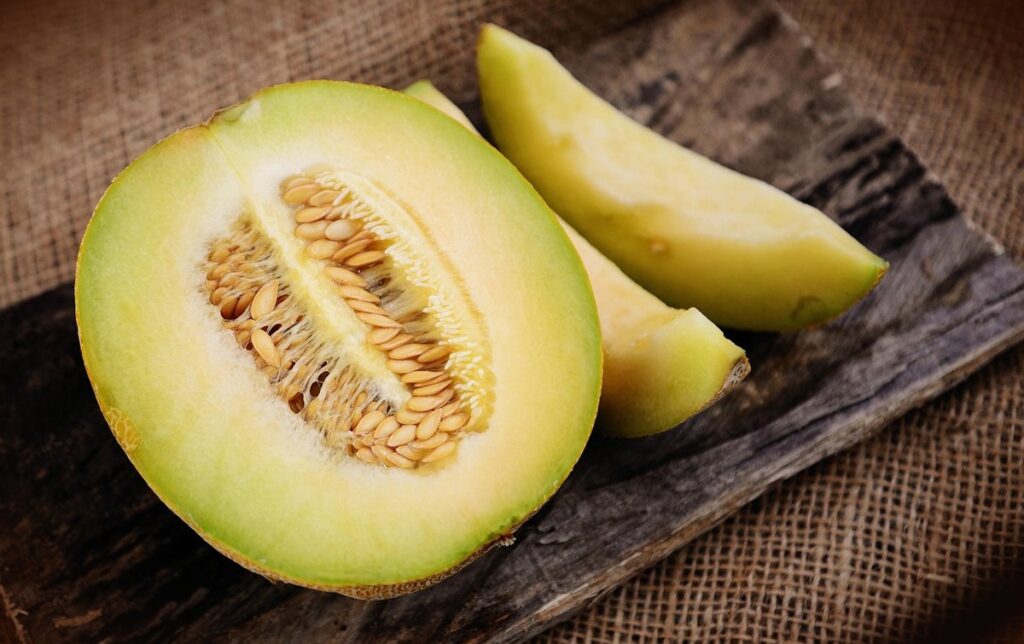
The Canary melon is one of the most unique and exotic types of winter melons. Originating from the West Indies, it’s a muskmelon variety that’s prized for its sweet and refreshing flavor profile. Its distinctive taste is often described as a combination of a cantaloupe and a honeydew, with hints of citrus and tropical fruit notes.
When ripe, Canary melon has a pale yellow-orange skin with netting or reticulation patterns. The flesh is typically smooth, juicy, and tender, making it perfect for snacking, salads, and desserts. To fully appreciate its flavor, try pairing Canary melon with prosciutto, mint, or feta cheese for a refreshing summer salad.
In terms of culinary pairings, Canary melon’s sweetness makes it an excellent match for spicy or savory dishes. Try combining it with grilled meats, seafood, or roasted vegetables for a harmonious balance of flavors. Its refreshing quality also makes it a great accompaniment to sweet treats like ice cream, sorbet, or fruit tarts.
In terms of serving suggestions, consider slicing the Canary melon thinly and layering it with whipped cream, honey, or granola for a colorful and healthy dessert. Alternatively, use its juice as a base for smoothies or cocktails by blending it with yogurt, milk, or spirits like gin or rum.
Hybrid and Heirloom Melon Varieties
If you’re looking for something a bit more unique, let’s dive into hybrid and heirloom melon varieties that offer distinct flavors and textures to elevate your summer snacking.
The Rise of Hybrid Melons: Advantages and Challenges
In recent years, hybrid melon varieties have gained popularity among farmers and consumers alike. These cross-bred melons offer several advantages that have contributed to their increasing demand. One of the primary benefits is their improved disease resistance, which allows for reduced pesticide use and lower production costs. Hybrid melons also tend to mature faster than traditional varieties, reducing the time between planting and harvest.
However, there are some challenges associated with growing hybrid melon varieties. For instance, they often require more precise cultivation conditions and may be less adaptable to changing environmental factors. Additionally, the genetic diversity of hybrid melons can lead to reduced seed quality and lower viability rates.
Despite these drawbacks, many farmers have found that the benefits of hybrid melons outweigh their limitations. By carefully selecting suitable varieties for their climate and soil type, growers can reap the rewards of improved yields and better disease resistance. For consumers, this means access to a wider range of flavorful and nutritious melon options.
Preserving Heirloom Melon Breeds: Efforts and Success Stories
Many rare heirloom melon breeds are on the verge of extinction due to changing consumer preferences and mass production of hybrid varieties. This is why preserving these heritage fruits has become a pressing concern for farmers, conservationists, and food enthusiasts alike.
Several initiatives have emerged worldwide to conserve and promote heirloom melons. For instance, in Italy, the Slow Food organization has launched the “Ark of Taste” program to protect endangered fruit varieties, including several heirloom melon breeds. This program works with local farmers to cultivate and distribute these rare fruits, raising awareness about their unique characteristics and flavors.
In the United States, the Seed Savers Exchange is a non-profit organization dedicated to preserving heirloom plant varieties, including melons. They maintain a vast collection of seeds and provide resources for farmers and gardeners interested in growing these heritage crops.
To get involved in preserving heirloom melon breeds, you can start by:
* Seeking out local farmers who grow rare or heirloom melon varieties
* Joining online communities or forums focused on sustainable agriculture and heirloom plant preservation
* Saving seeds from your own heirloom melon harvest to share with others or replant next season
Growing and Storing Melons
Once you’ve chosen a melon variety, learn how to grow them successfully and store them properly to enjoy their sweet flavor for weeks to come. Proper care will make all the difference in your harvest.
Tips for Planting and Caring for Melon Vines
When it comes to growing melon vines, proper soil preparation is essential for optimal yields. Start by choosing a location with full sun and well-draining soil that’s rich in organic matter. Test the pH level of your soil and adjust it accordingly, as most melons prefer a slightly acidic to neutral soil pH (around 6.0-7.0).
Pruning is also crucial for promoting healthy growth and maximizing fruit production. Remove any weak or damaged vines, leaving only three to five strong stems per plant. Train the remaining stems onto a trellis or other support system using twine or clips. This will not only conserve space but also make harvesting easier.
Regular pest management is vital to prevent damage from common pests like aphids, whiteflies, and powdery mildew. Inspect your plants regularly for signs of infestation and use organic methods such as neem oil or insecticidal soap to control any issues. By following these tips, you’ll be well on your way to growing a bountiful crop of delicious melons.
How to Store Fresh Melons: Best Practices and Shelf Life
When storing fresh melons, it’s essential to follow some best practices to maintain their quality and freshness. First, choose a container that is well-ventilated and has adequate airflow. Avoid using plastic bags or containers with tight-fitting lids, as they can trap ethylene gas produced by the melons, leading to spoilage.
For handling techniques, gently wash the melon under running water to remove any dirt or bacteria. Pat it dry with a clean towel to prevent moisture accumulation. Store melons at room temperature for a few days after harvesting to allow them to ripen naturally. Once ripe, refrigerate them at 40°F (4°C) to prolong shelf life.
The shelf life of fresh melons varies depending on the type. Watermelon can last up to 3 weeks when stored properly, while honeydew and cantaloupe typically have a shorter shelf life of about 5-7 days. Regularly inspect your stored melons for signs of spoilage, such as soft spots or mold. By following these best practices, you’ll be able to enjoy your fresh melons at their peak flavor and texture.
Conclusion: Embracing the Diversity of Melons
Now that you’ve explored the vast world of melon types, it’s time to wrap up our journey and reflect on what makes these fruits so incredibly diverse. Let’s celebrate the unique characteristics of each type!
Reflecting on the Rich Flavors and Textures of Melons
As we conclude our journey through the diverse world of melons, let’s take a moment to reflect on the rich flavors and textures that each variety has to offer. From the refreshing sweetness of cantaloupe to the tangy juiciness of watermelon, it’s clear that no two melon types are alike.
As you’ve learned throughout this guide, experimenting with different melon varieties can be a great way to add excitement to your fruit plate or salad. Don’t be afraid to try new combinations and flavors – after all, some of the best culinary discoveries come from unexpected pairings! For instance, pairing the sweetness of honeydew with the spicy kick of prosciutto can create a refreshing summer salad.
To take your melon game to the next level, we encourage you to explore different regional specialties and heirloom varieties. Not only will this introduce you to new flavors and textures, but it’ll also give you a deeper appreciation for the rich cultural heritage surrounding these delicious fruits. So go ahead, get creative, and enjoy the sweet and tangy journey that awaits!
Suggested Next Steps for Melon Enthusiasts
Now that you’ve explored the wonderful world of melons, it’s time to take your passion to the next level. If you’re eager to delve deeper into the realm of melon appreciation, here are some exciting suggestions for you:
Start by experimenting with different types of melons in your kitchen. Try pairing a sweet Cantaloupe with prosciutto and fresh mint for a refreshing summer salad. Alternatively, slice up a juicy Honeydew and add it to your favorite smoothie recipe.
Consider visiting local farmers’ markets or specialty grocery stores that carry exotic melon varieties. Many vendors offer tastings and samples, allowing you to discover new flavors and textures firsthand.
For those interested in cultivating their own melons, research local climate conditions and choose a variety suitable for your region. Starting with compact or dwarf varieties can be an excellent way to begin your melon-growing journey.
Lastly, don’t hesitate to join online forums or social media groups dedicated to melon enthusiasts. Share your favorite recipes, ask questions, and learn from fellow aficionados – there’s always more to explore in the world of melons!
Frequently Asked Questions
What are some practical next steps for growing melons after reading this guide?
Start by selecting a variety that suits your climate and available space, then prepare the soil with full sun and well-draining conditions. Plant seedlings or direct sow seeds 1-2 inches deep in late spring to early summer. Water consistently, but avoid overwatering which can lead to fungal diseases. Keep the area around plants free of weeds to prevent competition for nutrients.
Can I grow melons indoors if I don’t have outdoor space?
Yes, you can grow some varieties of melons indoors using a greenhouse or a sunny windowsill with supplemental lighting. Choose compact or dwarf varieties that are specifically bred for container growing and indoor conditions. Ensure proper ventilation and maintain optimal temperatures between 65-75°F (18-24°C) to promote healthy growth.
How do I determine if my melon is ripe?
Check the color, smell, and feel of your melon for ripeness. A ripe melon will be a vibrant yellow or orange hue, depending on the variety, with a sweet aroma. Gently thump the melon; a ripe one will have a deep sound. Avoid picking unripe melons as they won’t continue to ripen off the vine.
Can I preserve melons for longer storage and consumption?
Yes, you can preserve melons through various methods like freezing, dehydrating, or pickling. Freezing is the simplest method; wash, peel, and cube the melon, then pack it into airtight containers or freezer bags for up to 6 months. Dehydrated melon makes a great snack, while pickled melon adds a tangy twist to salads.
What are some tips for storing fresh melons without them spoiling quickly?
Store melons at room temperature away from direct sunlight until they’re fully ripe, then refrigerate or freeze them. Avoid washing melons before storing; instead, gently brush off any dirt with a soft-bristled brush. Keep melons separate and not touching each other to prevent moisture transfer and spoilage.