
Tree hollows are some of the most enchanting and mysterious features in nature, hiding secrets that have been kept for centuries. These natural wonders not only provide shelter for various species of animals but also play a crucial role in maintaining the balance of ecosystems. However, with increasing urbanization and human activities, tree hollows are facing threats to their existence. In this article, we’ll delve into the fascinating world of tree hollows, exploring how they form, why they’re essential, and what we can do to preserve them for future generations. We’ll also discuss ways in which these natural cavities contribute to the diversity of wildlife and ecosystems.
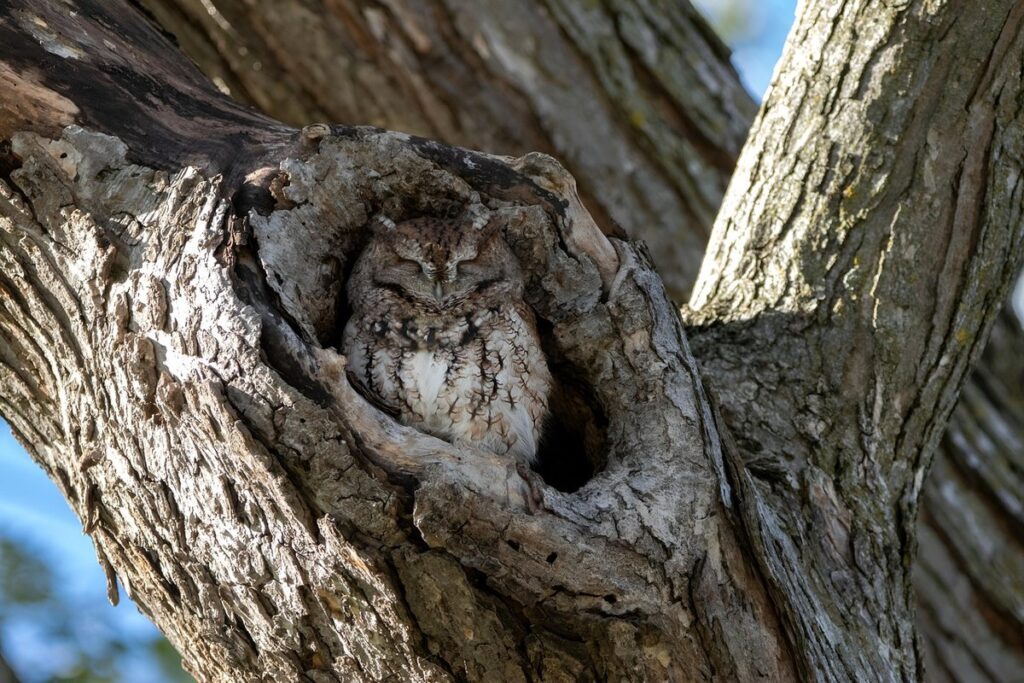
What are Tree Hollows?
So, you’re curious about tree hollows – but what exactly is a tree hollow? In this next part, we’ll take a closer look at their formation and unique characteristics.
Definition and Formation
A tree hollow is a natural cavity or depression formed within the trunk of a standing tree. These formations can be found in trees of various species and ages, but are most commonly associated with deciduous trees such as oaks, maples, and willows.
The formation of tree hollows occurs over time through a combination of decay and erosion. When a tree dies or becomes weakened, it may begin to decay from the inside out, creating a cavity within its trunk. As this process continues, insects, birds, and small mammals can enter the hollow, further eroding the wood and expanding the space.
Wind, rain, and snow also play a significant role in shaping tree hollows. Branches and roots that have died or been damaged by disease or weather events may break off, creating openings for water to seep into the trunk. Over time, this can lead to the formation of small cracks and crevices, eventually growing into larger hollows.
Tree hollows are not unique to a specific climate or region; they can be found on every continent except Antarctica, where tree growth is limited due to the harsh environment.
Types of Tree Hollows
Tree hollows come in various shapes and sizes, each with its unique characteristics. One common type is cavities, which are formed by the natural decay of tree trunks over time. These cavities can be shallow or deep, depending on factors such as the species of the tree and environmental conditions. For instance, the red gum eucalyptus (Eucalyptus camaldulensis) has a tendency to develop large cavities due to its rapid growth rate.
Another type is holes, which are created by external forces like insects or diseases that burrow into the wood. These holes can be small and shallow or extensive and deep, causing significant damage to the tree’s structure. The emerald ash borer (Agrilus planipennis) is a notorious example of an insect that creates large holes in ash trees.
Hollowed-out trunks are another type of tree hollows. These occur when the wood inside the trunk decays or rots, creating a cavernous space. Hollowed-out trunks can be found in various types of trees, including willows and cottonwoods.
In general, it’s essential to note that not all cavities or holes in trees are created equally. The size, shape, and location of these hollows play significant roles in determining their ecological value.
The Importance of Tree Hollows in Ecosystems
Tree hollows are more than just empty spaces in trees, they play a crucial role in supporting the diversity of life in our ecosystems. They provide essential habitats for various creatures.
Habitat for Wildlife
Tree hollows play a vital role in providing habitat and shelter for various wildlife species. For birds, tree hollows serve as a safe haven from harsh weather conditions, predators, and competition for food. Many bird species, such as owls, ravens, and kingfishers, rely on tree hollows to nest and raise their young.
Insects like solitary bees and wasps also benefit from tree hollows, using them as nesting sites and hiding places from potential threats. Some small mammal species, including bats, possums, and gliders, inhabit tree hollows for shelter and protection.
To create a wildlife-friendly environment in your garden or backyard, consider planting native trees that are more likely to develop tree hollows over time. You can also provide artificial nesting boxes or hollowed-out logs as alternatives for species that rely on these features. Remember to choose the right size and type of nesting box or log for the specific species you’re trying to attract.
Tree hollows can be found in a variety of trees, including eucalyptus, oak, and pine. By preserving and creating tree hollows, we can contribute to maintaining biodiversity and supporting the well-being of local wildlife populations.
Role in Carbon Sequestration
Tree hollows play a crucial role in carbon sequestration by storing organic matter and reducing greenhouse gas emissions. When trees fall or die, their hollows provide a safe haven for microorganisms to break down the complex organic compounds into simpler forms. This process, known as decomposition, releases nutrients back into the soil, allowing new plant growth to occur.
As a result, tree hollows become reservoirs of carbon, storing it in the form of decomposed organic matter. According to a study published in the journal Nature, fallen trees can store up to 300 times more carbon than living trees. By preserving and protecting these natural carbon sinks, we can significantly reduce greenhouse gas emissions.
To support this process, you can create tree hollows by intentionally felling trees in areas with high biodiversity. This can be done through sustainable forestry practices or by creating forest restoration sites. By incorporating tree hollows into your conservation efforts, you’ll not only be sequestering carbon but also supporting the growth of new plant life and providing habitat for a variety of wildlife species.
Identifying and Exploring Tree Hollows
When venturing into the world of tree hollows, it’s essential to know how to spot them and what kind of creatures call these natural homes their own. Let’s dive in and explore how to identify these fascinating features.
Signs of a Hollowed Tree
When venturing into the forest to explore tree hollows, it’s essential to know what signs to look out for to identify a potentially hollow or partially hollow tree. One of the most obvious visual cues is sagging branches. If you notice that some of the branches are drooping or leaning more than others, it could be a sign that the tree is losing its structural integrity.
Another indication is missing bark, particularly on the trunk and larger branches. Dead or decaying bark can fall off, exposing the underlying wood, which may reveal hollow areas within the tree. Look for any gaps or holes in the bark, as these can sometimes be indicative of a hollowed-out interior.
Keep an eye out for other signs such as loose or flaking bark, dead leaves or debris accumulated around the base of the tree, and branches that seem to be dying or already dead. These visual cues can all point to the possibility of a hollow or partially hollow tree. It’s crucial to exercise caution when exploring these areas to avoid accidents or injuries.
Safety Precautions for Exploration
When exploring tree hollows, safety should always be your top priority. Before you begin, make sure to obtain permission from the landowner if you’re venturing onto private property. This is not only a courtesy but also ensures that you have the right to access the area.
Proper gear is essential when exploring tree hollows. Wear sturdy boots with good traction to prevent slipping on uneven terrain or loose bark. Bring gloves, a first aid kit, and a flashlight in case of unexpected situations. It’s also a good idea to bring a map and compass, especially if you’re new to the area.
Be mindful of your surroundings, particularly when near wildlife habitats. Tree hollows often attract birds, squirrels, and other creatures that call them home. Keep a safe distance from their nests and young ones, as disturbing them can cause unnecessary stress or even aggression.
Before entering a tree hollow, inspect it for any signs of decay, damage, or loose branches. If you notice anything unstable, it’s best to err on the side of caution and find another entrance. Always be aware of your own limitations and don’t take unnecessary risks.
Preserving and Protecting Tree Hollows
Let’s dive into the importance of preserving and protecting these unique ecosystems, which are often found in old trees’ cavities and play a vital role for local wildlife.
Threats to Tree Health
Tree health is under constant threat from various factors that can compromise the integrity of tree hollows. One of the primary threats to tree health is disease, which can spread rapidly through a forest ecosystem. Fungal diseases like Dutch Elm Disease and Beech Bark Disease are notorious for their ability to kill entire stands of trees in a short period.
In addition to disease, pests also pose a significant threat to tree health. Insects like beetles and borers can burrow into the heartwood of trees, causing irreparable damage. Sudden Oak Death, caused by a fungal pathogen spread by an insect vector, has decimated oak populations in many parts of North America.
Human activities like logging and development also contribute significantly to tree mortality. When mature trees are felled for timber or cleared for urban development, they often take their hollows with them. In some cases, tree removal can disrupt the delicate balance of a forest ecosystem, leading to a decline in biodiversity and an increase in pest populations.
To mitigate these threats, it’s essential to adopt responsible land-use practices that prioritize tree preservation. This includes maintaining healthy forest ecosystems through selective harvesting and sustainable management techniques. By taking proactive steps to protect trees from disease and pests, we can help preserve the integrity of tree hollows for future generations.
Conservation Efforts
Conservation efforts are underway to protect and preserve tree hollows, which play a vital role in supporting biodiversity. One such effort is reforestation programs, where trees are planted in areas where they have been depleted due to deforestation or natural disasters. For example, the Arbor Day Foundation’s Tree Planting Program has helped plant over 200 million trees worldwide since its inception.
Habitat restoration initiatives are also crucial in conserving tree hollows. These projects focus on restoring degraded habitats and reintroducing native species that rely on tree hollows for survival. The Australian Government’s National Environmental Science Programme, for instance, has launched several projects to restore eucalyptus forests and maintain the health of these iconic trees.
To get involved, you can start by supporting local reforestation efforts or participating in habitat restoration initiatives in your community. You can also make a difference by adopting sustainable practices in your daily life, such as reducing energy consumption and using eco-friendly products. Every action counts in preserving tree hollows for future generations.
Cultural Significance of Tree Hollows
Tree hollows have been a vital part of human culture for centuries, serving as sacred sites, gathering places, and even dwellings in some parts of the world. Let’s delve into their fascinating cultural significance.
Folklore and Mythology
Tree hollows have been woven into the fabric of folklore and mythology across various cultures, reflecting their deep significance in stories, legends, and spiritual practices. In many indigenous cultures, tree hollows are considered sacred spaces, serving as portals to the spirit world or repositories for ancestral wisdom. For example, in some Native American traditions, tree hollows are believed to be inhabited by spirits of the forest, who offer guidance and protection to those seeking refuge.
In European folklore, tree hollows are often associated with witches’ covens or magical rituals. The ancient Celts, for instance, revered the oak tree as a symbol of strength and wisdom, believing that its hollows held secrets of the past and present. Similarly, in African cultures, tree hollows are seen as abodes of ancestral spirits, who impart knowledge and blessings to their descendants.
As we explore these cultural narratives, it’s essential to recognize the symbolic significance of tree hollows. By acknowledging their role in folklore and mythology, we can deepen our appreciation for the natural world and its interconnectedness with human experience.
Artistic Representations
Tree hollows have long been a source of inspiration for artists across various mediums. From ancient cave paintings to modern-day sculptures, these natural wonders have captivated human imagination. In many cultures, tree hollows are considered sacred spaces, imbued with spiritual significance.
Take, for instance, the Aboriginal Australian art that often depicts Dreamtime stories featuring tree spirits and ancestral beings who dwelled in the hollows of eucalyptus trees. Similarly, European artists like Claude Lorraine and J.M.W. Turner have been inspired by the dramatic lighting effects within tree cavities, using them as subjects for their paintings.
To incorporate the beauty of tree hollows into your own art, consider visiting these natural spaces to observe the intricate patterns of light and shadow that dance upon the walls. You might also draw inspiration from the unique textures created by lichen, moss, or fern growth within the hollows. By paying attention to the details, you can tap into the timeless allure of tree hollows and channel it into your creative expression.
Some artists even go as far as creating sculptures directly within the hollows themselves, using natural materials like stone or wood to blend seamlessly with their surroundings.
Conclusion: The Future of Tree Hollows
As we’ve explored the fascinating world of tree hollows, let’s now turn our attention to where they’re headed – what does the future hold for these incredible natural wonders?
Challenges Ahead
As we conclude our exploration of tree hollows, it’s essential to acknowledge the ongoing challenges that threaten these ecosystems. Climate change is one of the most pressing concerns, with rising temperatures and altered precipitation patterns disrupting the delicate balance within tree cavities. For instance, warmer summers can lead to an increase in insect pests and diseases, further compromising the integrity of hollows.
Urbanization is another significant threat, as urban expansion often encroaches on natural habitats, fragmenting remaining forests and isolating tree hollows from essential resources like pollinators and seed dispersers. Human neglect also contributes to the decline of tree hollows, as increasing development and human activities lead to soil erosion, nutrient depletion, and pollution.
To mitigate these challenges, it’s crucial for us to adopt sustainable practices in our daily lives. We can start by reducing our carbon footprint, conserving water, and promoting reforestation efforts. Moreover, supporting conservation initiatives and protecting existing tree hollows will help preserve these critical ecosystems. By working together, we can ensure the long-term health and resilience of tree hollows for future generations to cherish and protect.
Call to Action for Conservation
As we’ve explored the fascinating world of tree hollows and their importance to our ecosystem, it’s time for you to become a part of their conservation. Tree hollows are not just natural wonders; they’re also fragile habitats that need our care and attention.
You can start by volunteering with local organizations or conservation groups focused on preserving old-growth forests, where tree hollows are more likely to be found. Not only will you contribute to the protection of these unique ecosystems, but you’ll also gain hands-on experience in environmental conservation. Consider participating in tree planting events, habitat restoration projects, or citizen science initiatives that study and monitor tree hollows.
If volunteering isn’t feasible for you right now, consider making a donation to reputable organizations dedicated to preserving ancient forests and their inhabitants. Your contribution can help support research projects, habitat preservation efforts, and community engagement programs aimed at promoting environmental awareness.
Lastly, spread the word about the importance of tree hollows! Share articles, videos, or personal stories on social media to raise awareness about these incredible ecosystems and inspire others to take action.
Frequently Asked Questions
How can I contribute to tree hollow conservation efforts?
You can start by supporting local organizations that work on tree preservation, volunteering for tree planting or conservation events, or even donating to initiatives focused on protecting ancient trees and their habitats. Additionally, you can spread awareness about the importance of tree hollows through social media campaigns or educational programs.
What are some common signs that a tree is hollow?
Trees with loose bark, cracks in the trunk, or visible cavities are more likely to be hollow. However, only a trained arborist can confirm the presence of a hollow with certainty. If you suspect a tree is hollow, it’s best to contact a professional for guidance.
Can I explore tree hollows on my own, or do I need expert assistance?
Exploring tree hollows can be safe if done properly. Wear protective gear like gloves and safety glasses, and stick to accessible areas. However, if you plan to enter complex hollows or explore sensitive ecosystems, it’s recommended to join a guided tour or consult with an expert.
How do I identify the type of tree with a hollow?
To determine the species of a tree with a hollow, observe its leaves, bark, and growth patterns. Research local flora to identify distinctive characteristics. Consult field guides or online resources for more information on tree identification.
What are some creative ways to preserve tree hollows in urban areas?
Consider collaborating with local artists, using repurposed materials like reclaimed wood, or incorporating green roofs into your design. These innovative approaches can not only preserve tree hollows but also add aesthetic value to urban spaces.