
Purple vegetables are often overlooked in favor of their more vibrant counterparts, but they offer a wealth of benefits for our health, taste buds, and the environment. From antioxidant-rich eggplants to nutrient-dense radicchio, these stunning veggies pack a punch when it comes to nutrition and culinary uses. But beyond just being delicious and good for us, purple vegetables also play a vital role in supporting sustainable agriculture and reducing food waste. In this article, we’ll delve into the world of purple vegetables, exploring their health benefits, creative cooking ideas, and the positive impact they have on our planet. Whether you’re a seasoned chef or a curious home cook, join us as we uncover the hidden gems of the purple vegetable kingdom.
What are Purple Vegetables?
Let’s dive into what exactly makes a vegetable purple and explore the different types of vibrant veggies that pack a punch of color and nutrition. We’ll start by defining what makes a veggie go purple in the first place.
Definition and Types of Purple Vegetables
Purple vegetables are a vibrant and nutrient-dense addition to any meal. But what exactly constitutes a purple vegetable? Simply put, it’s any plant-based food that derives its deep purple color from anthocyanins, powerful antioxidants responsible for the pigment’s formation.
Some of the most well-known examples include eggplants, which come in a range of shades from lavender to deep plum; purple cabbage, with its compact, crinkly leaves and sweet, slightly bitter taste; and radicchio, an Italian chicory that adds a pop of color to salads. These vegetables are not only visually stunning but also packed with vitamins, minerals, and fiber.
To get the most out of your purple veggies, try pairing them with ingredients that complement their earthy flavors, such as olive oil, garlic, or lemon juice. For instance, grill sliced eggplant and serve it alongside a side salad for a satisfying summer meal. Or, add shredded purple cabbage to a hearty stir-fry for a boost of antioxidants and crunch.
When shopping for purple vegetables, look for those with vibrant, even colors – this is often an indicator of freshness and quality. Don’t be afraid to experiment with different varieties, as each has its unique flavor profile and texture.
Historical Significance and Cultural Associations
Purple vegetables have been a staple in many cultures around the world for centuries. In ancient Greece and Rome, eggplant was considered a symbol of wealth and power due to its rarity. In contrast, the ancient Chinese prized the purple yam for its medicinal properties, using it to treat ailments such as fever and rheumatism.
In many African cultures, purple vegetables are still highly revered today. For example, in some parts of Ghana, the “achanna” plant is not only a delicacy but also holds spiritual significance. Its deep purple color is believed to possess healing properties, and its leaves are used to treat various ailments.
The symbolism surrounding purple vegetables is often tied to their rarity and perceived value. In many Eastern cultures, the color purple is associated with royalty and nobility, reflecting the vegetable’s high status in traditional cuisine.
Health Benefits of Purple Vegetables
You’ll be thrilled to learn that purple veggies offer a wealth of health benefits, from fighting cancer cells to supporting heart health and more. Let’s dive into the amazing advantages of adding these vibrant vegetables to your diet.
Antioxidant Properties and Anti-Inflammatory Effects
Purple vegetables have long been touted for their incredible health benefits, and it’s not just their vibrant color that’s impressive – their antioxidant properties and anti-inflammatory effects are backed by a wealth of scientific research.
One key compound responsible for these benefits is anthocyanin, a powerful antioxidant found in high concentrations in purple produce like eggplants, radicchio, and concord grapes. Studies have shown that anthocyanins can help reduce inflammation and oxidative stress in the body, which can contribute to chronic diseases like heart disease, diabetes, and certain types of cancer.
For example, one study published in the Journal of Agricultural and Food Chemistry found that consuming a diet rich in anthocyanin-rich foods reduced inflammation markers in the body by as much as 50%. Another study discovered that eating a serving of purple cabbage daily for three weeks significantly improved cardiovascular health in participants with high blood pressure.
To harness the antioxidant properties of purple vegetables, incorporate them into your meals in creative ways. Add sliced eggplant to pasta sauces or stir-fries, roast radicchio as a side dish, or blend concord grapes into a vibrant smoothie. With their incredible nutritional profile and versatility in cooking, it’s no wonder that purple vegetables are at the forefront of the health food revolution.
Cancer Prevention and Cardiovascular Health
Regular consumption of purple vegetables has been associated with a reduced risk of certain cancers and improved cardiovascular health outcomes. This is largely due to their high content of antioxidants and anthocyanins, powerful compounds that have been shown to combat free radicals and inflammation in the body.
Studies have consistently demonstrated that eating purple vegetables regularly can lower the risk of colon, prostate, and breast cancers. For example, a 2010 study published in the Journal of Nutrition found that women who consumed high amounts of anthocyanin-rich foods, such as purple cabbage and eggplant, had a significantly reduced risk of developing colorectal cancer.
In terms of cardiovascular health, purple vegetables have been shown to help lower blood pressure and improve lipid profiles. The potassium content in these vegetables can also help to reduce the risk of heart disease by balancing sodium levels and promoting healthy blood vessel function. To incorporate more purple veggies into your diet, try adding them to salads, sautéing them with olive oil as a side dish, or blending them into juices for a boost of antioxidants.
Culinary Uses for Purple Vegetables
When it comes to cooking with purple vegetables, you’ll be amazed at how easily they can add a pop of color and flavor to your favorite dishes. Let’s dive into some creative ways to use them in the kitchen.
Cooking Techniques and Recipes
When it comes to cooking with purple vegetables, the possibilities are endless. Let’s start with some of the most popular varieties: eggplant, purple cabbage, and radicchio. These stunning vegetables can add a pop of color and flavor to any dish.
One of the easiest ways to prepare these gorgeous veggies is through roasting. Simply toss your choice of purple vegetable with olive oil, salt, and pepper, and roast in the oven at 425°F (220°C) for about 20-25 minutes, or until tender. Roasted purple cabbage makes a delicious side dish, especially when paired with roasted chicken or pork.
For a quick weeknight dinner, try grilling your favorite purple vegetable. Slice an eggplant into thick rounds, brush with olive oil, and grill over medium heat for about 3-4 minutes per side. Serve with a sprinkle of feta cheese and a drizzle of balsamic glaze for added flavor.
When it comes to sautéing, use the right pan and cooking time to bring out the best in your purple vegetables. Use a large skillet over medium-high heat, add a tablespoon of olive oil, and cook your chosen vegetable until tender but still crisp. This technique works particularly well with purple cabbage or radicchio, adding a nice crunch to salads or sautéed with garlic as a side dish.
Purple vegetables are incredibly versatile and can be paired with a variety of ingredients. For example, add roasted eggplant to pasta dishes for added depth, or toss sliced grilled purple cabbage with mixed greens, cherry tomatoes, and a citrus vinaigrette for a refreshing salad. Experiment with different cooking methods and flavor combinations to unlock the full potential of these vibrant vegetables in your kitchen!
Global Cuisine Inspiration
As we explore the world of purple vegetables, it’s fascinating to see how different international cuisines incorporate them into their traditional dishes. From vibrant colors to bold flavors, purple veggies add a unique twist to various global cuisines.
In Japanese cuisine, the majestic eggplant takes center stage in popular dishes like Nasu Dengaku – grilled eggplant topped with a sweet miso glaze. This dish showcases the versatility of purple vegetables and highlights their potential for balancing sweet and savory flavors. Similarly, in Mediterranean cuisine, beets are often pickled or roasted to bring out their natural sweetness.
Indian cuisine also makes liberal use of purple veggies, particularly eggplants, bell peppers, and okra. The vibrant colors of these ingredients add a pop of color to traditional dishes like Bharta (roasted eggplant mash) and Rajma Masala (kidney bean curry). When incorporating purple vegetables into your cooking, remember that they can range in flavor from sweet and earthy to slightly bitter and smoky. Experiment with different marinades, seasonings, and cooking techniques to unlock their full potential.
To bring the flavors of international cuisine to your table, try pairing purple veggies with aromatic spices like cumin, coriander, or paprika. Roasting or grilling them brings out their natural sweetness, while pickling adds a tangy kick.
Nutritional Content of Purple Vegetables
Let’s dive into the nutritional benefits that make purple veggies a powerhouse for our health, packed with antioxidants and essential vitamins. From rich in fiber to high in minerals, we’ll explore it all!
Vitamin and Mineral Breakdowns
Purple vegetables are packed with an array of essential vitamins and minerals that make them a staple in a healthy diet. Let’s take a closer look at the nutritional profiles of some popular purple veggies.
Eggplants, for instance, are rich in vitamin C, potassium, and fiber. A single cup of cooked eggplant contains over 4 grams of dietary fiber, making it an excellent choice for those looking to boost their digestive health. On the other hand, radishes are a powerhouse of vitamin C and K, with one cup providing nearly 50% of your daily recommended intake.
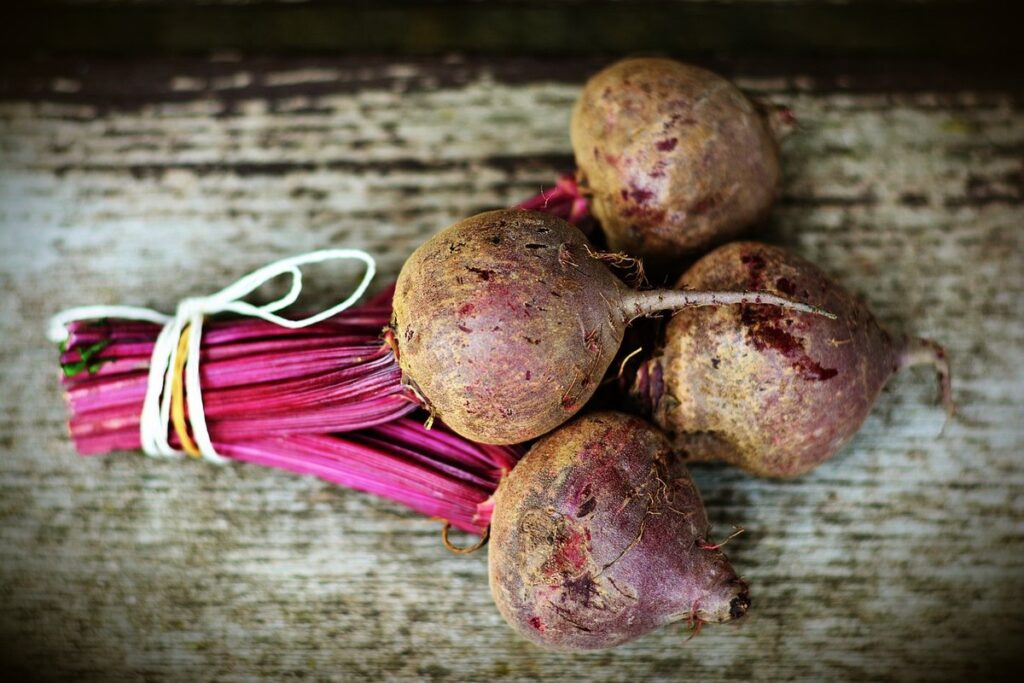
Other key purple vegetables include beets, which are high in folate, manganese, and potassium, while also boasting an impressive amount of fiber (3 grams per cup). Meanwhile, purple cabbage is a rich source of vitamins A, C, and K, as well as containing more than 100% of the daily recommended intake of vitamin C.
When incorporating these vibrant veggies into your meals, be sure to balance their natural sweetness with tangy flavors. For example, pair roasted beets with a dollop of Greek yogurt or a sprinkle of citrus zest to add depth and contrast.
Comparison to Other Colorful Produce
When it comes to colorful produce, purple vegetables stand out for their unique nutritional profile. However, they’re not alone in offering impressive health benefits. Let’s compare the merits of purple veggies with other vibrant options like leafy greens, bell peppers, and citrus fruits.
Leafy greens like kale and spinach are indeed nutrient-dense, but they often pale in comparison to the antioxidant-rich profile of deep-hued vegetables like eggplants or purple cabbage. For instance, a single cup of cooked eggplant contains nearly 4 times more antioxidants than a similar serving of broccoli. Meanwhile, bell peppers are high in vitamin C, but their vitamin A content can’t match that of sweet potatoes and yams.
Citrus fruits like oranges and grapefruits offer an impressive array of vitamins and minerals, yet they lack the concentrated anthocyanin content found in purple veggies. In terms of specific benefits, purple vegetables have been linked to improved heart health and cognitive function due to their rich antioxidant profiles. So while other colorful produce options certainly have their merits, purple vegetables remain a standout choice for those seeking maximum nutritional bang.
Environmental Impact of Purple Vegetable Production
As we dive deeper into the world of purple veggies, let’s examine how their production affects our planet, from resource usage to waste management. We’ll explore the environmental costs and benefits of growing these colorful crops.
Sustainable Farming Practices
As we delve into the wonderful world of purple vegetables, it’s essential to acknowledge the significant environmental impact that their production can have. However, there are many environmentally friendly farming methods that support sustainable production and processing of these vibrant veggies.
One such approach is organic agriculture, which eliminates the use of synthetic fertilizers and pesticides. Instead, farmers rely on natural methods to maintain soil health and control pests. This method not only reduces pollution but also promotes biodiversity. For instance, a study found that organic farming practices can increase crop yields by up to 30% while using 45% less water than conventional methods.
Another key player in sustainable purple vegetable production is regenerative agriculture. This approach focuses on rebuilding soil health through practices like cover cropping and no-till farming. By doing so, farmers sequester carbon from the atmosphere, reducing greenhouse gas emissions. A notable example of this is a farm that adopted regenerative practices and saw a 25% increase in soil organic matter within just two years.
To incorporate these sustainable methods into your own purple vegetable production or even home gardening, start by reducing synthetic inputs and exploring natural pest control methods. Consider using cover crops to improve soil health and implement rotational planting to reduce pests and diseases. By adopting these environmentally friendly practices, you’ll not only contribute to a more sustainable food system but also grow healthier, more vibrant purple veggies.
Global Availability and Trade
Purple vegetables have become increasingly sought after globally, with their vibrant colors and unique nutritional profiles drawing in consumers from all corners of the world. However, the global supply chain for purple vegetables is complex, influenced by various factors that impact their availability.
From a production standpoint, countries such as Japan, India, and Egypt are among the top producers of purple vegetables like eggplants and radicchio. These regions offer favorable climates and ample water resources, making them ideal locations for cultivating these crops on a large scale. Trade dynamics also play a significant role in determining global availability – tariffs, transportation costs, and logistical arrangements all contribute to the final product’s cost and accessibility.
As demand for purple vegetables continues to rise, producers are adapting by exploring new markets and negotiating trade agreements to make their products more competitive globally. For instance, some farmers have begun experimenting with hydroponics and other soilless cultivation methods, which not only increase yields but also reduce environmental impact.
In addition, consumers can play a role in supporting sustainable purple vegetable production by choosing locally sourced options or purchasing from environmentally responsible suppliers. This not only helps to promote the local economy but also reduces carbon emissions associated with transportation.
Future Directions in Purple Vegetable Research and Development
As we dive into the world of purple vegetables, it’s exciting to think about what the future might hold for these vibrant produce wonders. What new discoveries can we expect from researchers and farmers?
Emerging Trends and Technologies
As we continue to push the boundaries of innovation in purple vegetable research and development, several emerging trends and technologies are paving the way for exciting new discoveries. One notable trend is the increasing use of precision agriculture techniques, such as hydroponics and vertical farming, which enable more efficient and controlled growing conditions. This allows researchers to experiment with novel combinations of genetics, environmental factors, and nutrient profiles to unlock new traits in purple vegetables.
Another area gaining traction is the application of advanced genomics and biotechnology tools, like CRISPR-Cas9 gene editing, to accelerate breeding programs. For instance, scientists are using these technologies to introduce desirable traits such as enhanced disease resistance, improved nutritional content, or even vibrant color intensity without compromising flavor or texture.
The integration of artificial intelligence (AI) and machine learning (ML) algorithms is also revolutionizing the way researchers analyze data from various sources, including genomic sequences, phenotypic traits, and consumer preferences. This enables them to predict and optimize purple vegetable breeding outcomes more effectively.
Industry Partnerships and Collaborations
As the purple vegetable market continues to grow, forming strategic partnerships between farmers, researchers, processors, and retailers will be crucial for its long-term success. Take, for instance, the collaboration between a Michigan-based produce distributor and a local university’s agriculture department. Together, they developed a program that provided training and resources to farmers on how to cultivate high-quality purple sweet potatoes. This partnership not only increased crop yields but also helped farmers access new markets.
Other examples of successful partnerships include the joint marketing efforts between retailers like Whole Foods and farmers’ cooperatives to promote purple vegetables. These collaborations have enabled both parties to reach a wider audience, driving demand and increasing sales. To replicate this success, consider identifying potential partners in your region and exploring ways to collaborate on research, marketing, or training initiatives.
When forging industry partnerships, remember to clearly define roles and responsibilities, establish open communication channels, and set shared goals for growth and expansion.
Frequently Asked Questions
How can I incorporate purple vegetables into my existing meal planning and grocery shopping routine?
To make the most of your newfound appreciation for purple veggies, try substituting them into familiar recipes or experimenting with new ones. For example, swap out traditional green cabbage for its purple counterpart in slaws or salads. Consider adding purple radicchio to pasta dishes or using eggplant as a meat substitute in stir-fries. You can also look for seasonal availability and plan your grocery shopping around peak purple veggie seasons.
What are some common challenges when cooking with purple vegetables, and how can I overcome them?
One common challenge is that purple veggies can be more delicate than their green counterparts, requiring gentler handling to avoid bruising or discoloration. To combat this, try using sharp knives, cutting on a stable surface, and storing your purple produce separately from other fruits and vegetables. You can also experiment with different cooking techniques, like roasting or grilling, which can help bring out the natural sweetness in these veggies.
How do I choose the best quality and freshest purple vegetables at the grocery store?
When selecting purple veggies, look for those that are heavy for their size, have no signs of wilting or bruising, and display vibrant colors. Avoid produce with soft spots or moldy areas, as this can indicate spoilage. Consider shopping at farmers’ markets or joining a community-supported agriculture (CSA) program to source your purple veggies directly from local growers.
Can I grow my own purple vegetables at home, even in limited space?
Yes! Many purple veggies are well-suited for container gardens or small backyard spaces. For example, eggplants and purple cabbage can thrive in large containers with proper soil and sunlight conditions. Consider investing in a few basic gardening tools and following online tutorials to get started.
How do I preserve my purple vegetables for longer storage and year-round use?
To extend the shelf life of your purple veggies, try storing them in cool, dry places or freezing individual portions for later use. You can also consider pickling or fermenting certain types of purple produce, like eggplant or radicchio, to create unique condiments or side dishes. Experiment with different preservation methods and recipes to find what works best for you and your family’s preferences.