
Pink vegetables are often overlooked in favor of their more vibrant counterparts, but they’re definitely worth getting to know. Not only do these colorful foods add a pop of color to your plate, but they also pack a punch when it comes to nutrition. From leafy greens like radicchio and beets to root veggies like pink lady apples, the types of pink vegetables are diverse and delicious.
In this article, we’ll delve into the unique health benefits, types, and cultural significance of pink vegetables. You’ll learn how to grow and cook these colorful foods at home, plus get some valuable tips on incorporating them into your meals. Whether you’re a seasoned gardener or just starting out in the kitchen, this guide will show you why pink veggies are worth getting excited about. Get ready to discover the hidden gems of the produce aisle!
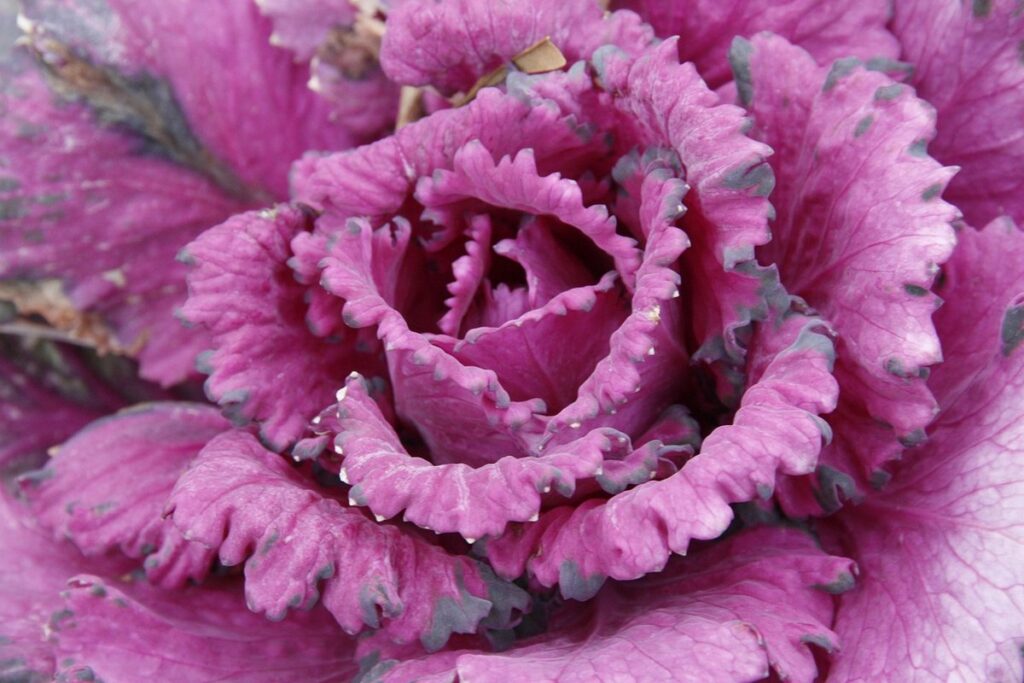
What are Pink Vegetables?
So, you’re curious about pink vegetables and want to know what they actually are. In this next part, we’ll take a closer look at these colorful foods and their unique characteristics.
Definition and Origin
Pink vegetables are a vibrant and diverse group of produce that add a pop of color to our plates. But what exactly are they? Simply put, pink vegetables are those that derive their unique pigmentation from natural compounds called anthocyanins and betalains. These pigments are responsible for the red, purple, and yellow hues found in many fruits and vegetables.
Take, for instance, the iconic Pink Lady apple. Its rosy blush is a result of high levels of anthocyanins, which not only create its distinctive color but also contribute to its antioxidant properties. Other examples include radicchio, whose deep pink-red leaves owe their vibrant color to betalains, and beets, which turn pink when cooked due to the breakdown of their cell walls.
When shopping for pink vegetables, look for those that are rich in anthocyanins or betalains, as these compounds not only add to their visual appeal but also provide potential health benefits. Consider experimenting with different varieties to incorporate more color and nutrition into your meals.
Health Benefits and Nutritional Value
Pink vegetables are not only visually stunning but also packed with an array of health benefits and nutritional value. One of the key advantages of incorporating pink vegetables into your diet is their high antioxidant content. Antioxidants play a crucial role in neutralizing free radicals, which can damage cells and contribute to chronic diseases such as cancer and heart disease.
For instance, beets are an excellent source of antioxidants, containing betalains that have been shown to possess anti-inflammatory properties. These compounds have been linked to reduced inflammation and improved cardiovascular health. In fact, a study published in the Journal of Agricultural and Food Chemistry found that beetroot juice consumption lowered blood pressure in individuals with hypertension.
In addition to their antioxidant content, pink vegetables are also rich in essential vitamins and minerals. For example, radishes are an excellent source of vitamin C, while watermelon is a good source of vitamin A and potassium. Regularly consuming these nutrient-dense foods can have a significant impact on overall health and well-being.
Types of Pink Vegetables
Let’s dive into some of the most vibrant and delicious pink vegetables, from beets to rhubarb, each one bringing its own unique flavor and nutritional benefits to your plate.
Leafy Greens and Brassicas
When it comes to pink vegetables, some of the most underrated and nutritious options come from the leafy green and brassica families. Take radicchio, for instance – this Italian chicory variety boasts vibrant pink veins on its leaves, adding a pop of color to salads and slaws. Similarly, arugula’s delicate flavor is elevated by its subtle pink undertones, while turnip greens provide a peppery kick with their slightly pink-tinged edges.
Brassicas like cauliflower, broccoli, and cabbage also display stunning pink or purple hues when they’re at the peak of ripeness. In fact, did you know that some varieties of broccoli can have a beautiful lavender hue? It’s all about selecting the right cultivar and growing conditions to bring out these gorgeous colors. For home cooks, this means experimenting with different recipes and techniques to showcase these stunning veggies in their best light. Whether you’re roasting cauliflower for a side dish or adding raw arugula to your favorite salad, incorporating pink-tinged leafy greens and brassicas into your diet can add excitement, nutrition, and beauty to your plate.
Root Vegetables and Tubers
Root vegetables like beets, sweet potatoes, and carrots are some of the most vibrant additions to the pink vegetable family. These root veggies owe their natural pink or reddish hues to a pigment called betalain, which serves as a powerful defense mechanism against pests and diseases. Betalains, found in high concentrations in beets, have been shown to have antioxidant properties that can help protect cells from damage.
But how do these pigments contribute to the plants’ survival? In the case of beets, the bright red color signals to potential predators that they contain toxic compounds, deterring them from feeding on the plant. Similarly, sweet potatoes and carrots have their own unique betalain-based defense systems, which help protect them from pathogens and environmental stressors.
When it comes to cooking with these pink root veggies, consider the following tips: roast beets at high heat to bring out their natural sweetness, while sweet potatoes pair well with aromatic spices like cinnamon. Carrots can be used in a variety of dishes, from stews to salads, taking advantage of their crunchy texture and sweet flavor.
How to Incorporate Pink Vegetables into Your Diet
Now that you’ve discovered the delicious world of pink vegetables, let’s talk about how to easily add them to your meals and snacks.
Tips for Preparation and Cooking
When incorporating pink vegetables into your diet, preparation and cooking are crucial steps to bring out their natural sweetness and flavors. To keep pink vegetables fresh for a longer period, store them separately from other fruits and vegetables in the crisper drawer of your refrigerator. Some popular pink varieties like beets and radishes can also be stored at room temperature.
When it comes to cooking, roasting brings out the best flavor in most pink vegetables. Try tossing sliced beets with olive oil, salt, and pepper before roasting them in the oven for 30-40 minutes or until tender. Grilling adds a smoky flavor to pink vegetables like asparagus and radicchio. Simply brush them with olive oil and season with salt, pepper, and lemon juice.
When pairing pink vegetables with other ingredients, think about complementary flavors and textures. Combine roasted beets with creamy goat cheese for a sweet and savory salad, or add sliced radishes to tacos for a crunchy kick. Experiment with different cooking methods and combinations to find your favorite ways to enjoy these vibrant vegetables.
Recipe Ideas and Menus
When you’re ready to get creative with pink vegetables, consider these recipe ideas that showcase their natural sweetness and versatility. One of the simplest ways to incorporate pink vegetables into your meals is through salads. For example, try combining roasted beets with mixed greens, crumbled goat cheese, and a balsamic vinaigrette for a refreshing summer salad.
Incorporating pink vegetables into heartier dishes is also easy. Grilled radicchio adds a pop of color to pasta sauces or as a side dish, while pickled turnips make a great topping for tacos or sandwiches. For a unique twist on traditional BBQ, try using smoked beets in place of the usual coleslaw.
When selecting pink vegetables, consider the season and cultural influences that guide their preparation. For instance, during the summer months, roasted beets are a staple at many outdoor gatherings, while pickled turnips are commonly used in Middle Eastern cuisine. By experimenting with different preparations and pairing pink vegetables with other colorful ingredients, you’ll discover a world of new flavors to explore.
Growing Pink Vegetables in Your Garden
Whether you’re a seasoned gardener or just starting out, growing pink vegetables can be a fun and rewarding experience. Let’s dive into the process of cultivating these colorful gems.
Selection and Care Tips for Home Gardeners
When it comes to growing pink vegetables in your home garden, selecting the right varieties and providing them with optimal care are crucial for a bountiful harvest. As a home gardener, you’ll want to choose varieties that thrive in your specific climate and soil type.
For cooler climates, consider planting beets, radishes, or turnips – these hardy vegetables love the chill and will reward you with vibrant pink roots and greens. In warmer climates, opt for tomatoes, peppers, or eggplants, which thrive in temperatures above 65°F (18°C). Be sure to check the seed packet or consult with a local nursery expert to ensure you’re choosing varieties that suit your region’s specific conditions.
In terms of soil requirements, pink vegetables generally prefer well-draining, rich soils with a pH between 6.0 and 7.0. Mix in compost or well-rotted manure to give your plants a nutrient boost, and avoid overwatering – this can lead to fungal diseases that may affect the plant’s coloration.
In addition to selecting the right varieties and soil conditions, regular watering and fertilization are also essential for maintaining the vibrant pink hue of your vegetables. Aim to water deeply once or twice a week, depending on weather conditions, and side-dress with a balanced fertilizer once a month to keep those colors popping!
Varieties Suitable for Small Spaces and Container Gardens
When growing pink vegetables in small spaces, it’s essential to choose compact varieties that thrive in containers. For urban gardeners with balconies or indoor spaces, consider the following space-saving options:
* Radishes like ‘French Breakfast’ and ‘Cherry Belle’ are perfect for small containers, taking up minimal space while adding a pop of pink color to salads.
* Dwarf beet varieties like ‘Baby Beet’ and ‘Detroit Dark Red’ can be grown in large pots or hanging baskets, producing sweet and earthy flavors.
* Compact lettuce varieties such as ‘Red Leaf’ and ‘Pink Frills’ are ideal for indoor containers, requiring minimal care and space while providing a burst of color to salads.
* For those with limited balcony space, consider growing cherry tomatoes like ‘Patio’ and ‘Tiny Tim’, which produce plenty of fruit in small spaces.
These varieties offer ease of care, allowing you to enjoy the benefits of growing pink vegetables even in tight spaces. Simply ensure your containers have good drainage and a balanced fertilizer for optimal growth.
The Cultural Significance of Pink Vegetables
As we explore the fascinating world of pink vegetables, let’s delve into their cultural significance and uncover how they’ve been cherished in various parts of the globe for centuries.
Symbolism and Traditions in Different Cultures
In various cultures, pink vegetables hold distinct symbolic meanings and are often tied to significant traditions. For instance, beets have a special place at Thanksgiving tables in the United States. The deep magenta hue of pickled beets is a nod to the autumnal harvest season and represents abundance and gratitude.
In Asian cuisine, particularly in Chinese and Japanese cultures, vibrant colors like pink play a crucial role in presentation and flavor enhancement. A dish like stir-fried pork with pink pickled ginger adds both visual appeal and a burst of zesty flavor.
Similarly, in some parts of Europe, radicchio’s deep magenta leaves are associated with love and romance. This is why it’s often used as a garnish for special occasions, such as Valentine’s Day.
Incorporating these symbolic vegetables into your cooking can not only add color but also depth to the cultural significance of your dishes. When preparing meals for friends or family, consider choosing pink vegetables that hold personal or cultural significance to you.
Food Trends and Influences on Vegetable Popularity
The surge in popularity of pink vegetables can be attributed to several recent food trends that have captivated the attention of health-conscious consumers. Social media platforms, in particular, have played a significant role in elevating the status of pink produce. Influencers and bloggers showcase vibrant beetroot salads, rose-petal-infused drinks, and Instagram-worthy arrangements of pickled pink onions. These visually appealing presentations not only tantalize our taste buds but also provide valuable inspiration for home cooks.
The farm-to-table movement has also contributed to the increased demand for pink vegetables. Consumers are seeking out locally sourced ingredients that not only offer superior flavor but also promote environmental sustainability. Celebrity chefs like Jamie Oliver and Giada De Laurentiis have further fueled this trend by incorporating pink produce into their recipes, from beetroot risottos to radish salads.
As consumers become more aware of the nutritional benefits associated with eating a rainbow of colors, the popularity of pink vegetables is likely to continue its upward trajectory. So why not join the movement and start experimenting with some vibrant pink ingredients in your own kitchen?
Frequently Asked Questions
How do I choose the right varieties of pink vegetables for my garden or kitchen?
Choosing the right variety depends on factors like climate, available space, and personal preferences. Consider growing beets, radicchio, or pink lady apples if you’re a beginner, as they are relatively easy to cultivate. For smaller spaces, opt for compact varieties like ‘Sugar Rush’ cherry tomatoes or ‘Red Robin’ lettuce.
Can I grow pink vegetables year-round in my garden?
Yes, with proper planning and care, you can grow pink vegetables throughout the year. Some varieties, such as radicchio and beets, are cold-hardy and can tolerate light frosts. Others, like pink lady apples, require warmer temperatures but can still thrive in temperate climates.
How do I incorporate more pink vegetables into my diet without getting bored?
Incorporating new ingredients doesn’t have to mean repeating the same recipes. Try experimenting with different cooking methods, such as roasting or grilling, to bring out unique flavors and textures. Add pink vegetables to salads, soups, or pasta dishes for added nutrition and visual appeal.
Can I use pink vegetables in place of their non-pigmented counterparts in recipes?
Yes, but keep in mind that the intense color of pink vegetables may affect the overall taste and appearance of your dish. For example, using beets instead of regular carrots will add a sweet, earthy flavor to soups or stews.
Are there any special storage or handling requirements for pink vegetables?
Some pink vegetables, like radicchio and beets, are sensitive to ethylene production and should be stored separately from other fruits and vegetables. Keep them cool and dry, away from direct sunlight, to maintain their freshness and flavor.