
Are you ready to spice up your cooking game? If you’re anything like me, you’ve probably found yourself wandering through the produce section, staring at row after row of colorful peppers, wondering which ones to pick. With so many varieties to choose from, it can be overwhelming – especially if you’re new to cooking with peppers or looking for a little excitement in your meals.
But fear not! In this comprehensive guide, we’ll take you on a journey through the world of peppers, from the mildest to the hottest. We’ll explore Scoville Heat Units (SHU), share mouth-watering recipes to try at home, and offer expert cooking tips for bringing out the best in each variety. Whether you’re a seasoned chef or just starting out, this list will help you navigate the world of peppers with confidence – so let’s get started!
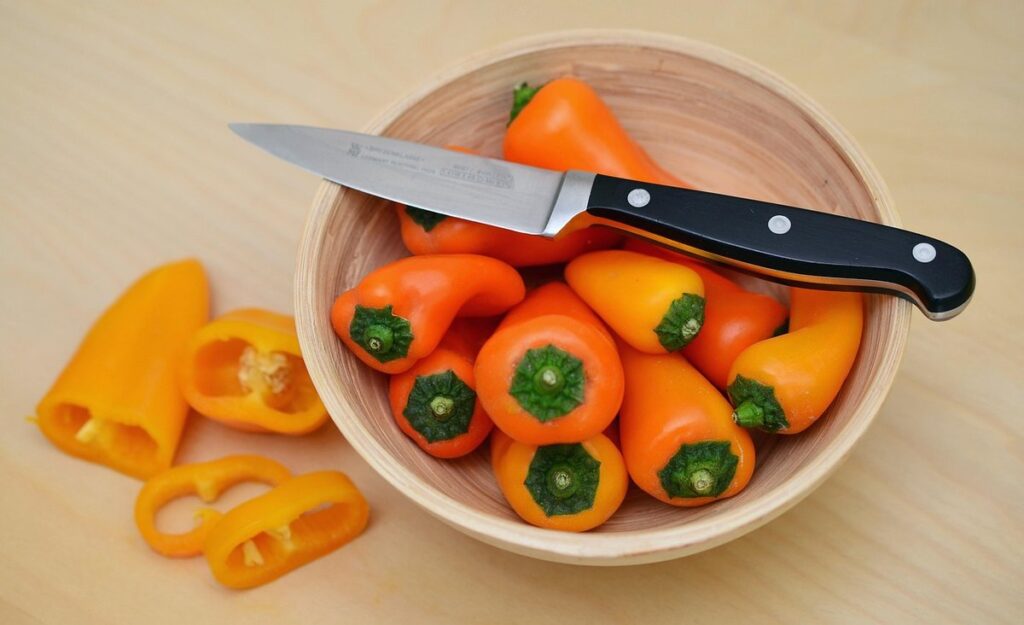
Introduction to the World of Peppers
Welcome to our guide, where we’ll explore the wonderful world of peppers and help you understand what makes them tick, from sweet to sizzling hot. Let’s dive into the basics together!
What are Peppers?
Peppers have been an integral part of human cuisine for thousands of years, originating from Central and South America. The genus Capsicum includes over 200 species, each with its unique flavor profile, texture, and heat level. Peppers were first domesticated by the Incas and later spread to Europe through the Silk Road trade route.
Today, peppers are a staple in many global cuisines, adding flavor, color, and heat to various dishes. In Asian cuisine, bell peppers are often stir-fried with other vegetables, while in Mexican cooking, jalapeños and serranos add a spicy kick to salsas and sauces. The importance of peppers lies not only in their flavor but also in their nutritional value – they are rich in vitamins A and C, potassium, and antioxidants.
Whether you’re a seasoned chef or a culinary enthusiast, understanding the basics of peppers is essential for exploring the diverse world of spices and seasonings. Knowing the Scoville heat units (SHU) of different peppers can help you navigate the spectrum from mild to hot, allowing you to experiment with various recipes and flavor combinations.
The Importance of Scoville Heat Units (SHU)
When exploring the vast world of peppers, one crucial aspect to grasp is the Scoville Heat Unit (SHU) system. This measurement determines a pepper’s heat level, making it a valuable tool for both enthusiasts and chefs. So, what exactly is SHU? Simply put, it’s a method developed by Wilbur Scoville in 1912 to quantify the capsaicin content in peppers.
Capsaicin, the key compound responsible for a pepper’s spiciness, is measured through a complex process involving solvent extraction and dilution. The resulting extract is then applied to the tongue, where its burning sensation is evaluated by human tasters (yes, you read that right!). This subjective approach might seem outdated, but it remains the gold standard in SHU measurement.
Understanding SHU significance is essential because it helps you navigate the pepper spectrum with confidence. With a basic knowledge of SHU, you can choose peppers for various dishes, from mild, sweet additions to bold, fiery flavors. For instance, bell peppers are rated 0 SHU (essentially flavorless), while some varieties of habaneros reach an astonishing 350,000-500,000 SHU. Remember that SHU is not a direct measure but rather a relative scale, allowing for variations between pepper types and even individual plants. Knowing how to interpret SHU will unlock a world of possibilities in your kitchen experiments.
Mild Peppers for Beginners
If you’re new to spicy foods, don’t worry – we’ve got you covered. This is where mild peppers come into play, perfect for those just starting out on their chili journey.
Bell Peppers: Sweet and Crunchy
When it comes to bell peppers, they’re often one of the first types of peppers that beginners get familiar with. This is because they’re incredibly versatile and come in a variety of colors, including green, red, yellow, orange, and even purple.
Bell peppers have a sweet, slightly smoky flavor profile that makes them a great addition to many dishes. They can be used in a wide range of recipes, from stir-fries and salads to sandwiches and wraps. One of the best things about bell peppers is their crunchy texture, which adds a satisfying bite to any meal.
One key thing to note about bell peppers is that they’re technically a fruit! But don’t let that confuse you – they’re often used in savory dishes rather than desserts. To get the most out of your bell peppers, try roasting them in the oven until they’re tender and caramelized. This brings out their natural sweetness and adds depth to any dish. You can also use bell peppers as a low-calorie snack on their own or paired with hummus for a tasty dip. Experiment with different colors and recipes to find your favorite ways to enjoy bell peppers!
Pimento Peppers: Sweet and Smoky
When it comes to mild peppers for beginners, pimento peppers are an excellent choice. These sweet and smoky peppers are a great introduction to the world of peppers, offering a flavor profile that’s both familiar and exciting.
Pimento peppers have a Scoville heat unit (SHU) rating of 100-500, making them one of the mildest options on our list. For comparison, bell peppers have an SHU rating of 0, while jalapeños range from 2,500 to 8,000 SHU. This means that pimento peppers are suitable for those who want to add a touch of pepper flavor without the intense heat.
You can enjoy pimento peppers in various ways – roasted as a side dish, added to sandwiches and burgers for extra flavor, or used in traditional Spanish recipes like the famous “Pimientos Rellenos” (stuffed peppers). When cooking with pimento peppers, remember that they’re quite versatile and can be used both fresh and roasted.
Medium Peppers for Spicing Up Your Life
If you’re looking to add a bit of excitement to your meals without going overboard, medium peppers are an excellent choice. They offer a perfect balance of flavor and heat for everyday cooking.
Anaheim Peppers: Mild to Medium Heat
If you’re looking for a pepper that adds some excitement to your dishes without setting your taste buds ablaze, look no further than the Anaheim pepper. Native to New Mexico, this mild to medium hot pepper has been a staple in Mexican cuisine for centuries.
What makes Anaheim peppers so versatile is their rich flavor profile and moderate heat level. They’re often described as sweet with a slightly smoky undertone, making them a great addition to salsas, sauces, and marinades. In Mexican cuisine, Anaheim peppers are commonly used in dishes like chiles rellenos (stuffed peppers), fajitas, and chile verde (a spicy green tomatillo sauce).
For those who want to bring the flavor of Anaheim peppers into their own kitchen, here are a few recipe ideas to get you started:
* Roasted Anaheim peppers with garlic and lime juice
* Anaheim pepper and chicken fajita skillet
* Anaheim pepper salsa with fresh cilantro and lime
Remember, when working with Anaheim peppers, it’s essential to handle them carefully as the oils in their skin can cause irritation.
Hungarian Hot Wax Peppers: Sweet and Spicy
Hungarian hot wax peppers are a sweet and spicy addition to any dish. With a Scoville heat unit (SHU) rating of 0-1,000, they pack a moderate punch without overpowering the other flavors. Their flavor profile is a perfect balance of sweetness and a hint of smokiness, making them an excellent choice for those seeking a milder pepper.
You can incorporate Hungarian hot wax peppers into your cooking in various ways. They’re ideal for adding a touch of heat to salads, sandwiches, and wraps. Slice them thinly and add them to stir-fries or sautéed vegetables for an extra kick. For a more intense flavor, roast or grill the peppers to bring out their natural sweetness.
When working with Hungarian hot wax peppers, remember that they’re relatively fragile and can be easily damaged. Handle them gently to avoid bruising, which can lead to a loss of flavor and heat. To maximize their potential, use them within a few days of purchase, as their flavor and texture will degrade over time.
Hot Peppers for the Adventurous
If you’re ready to ignite your taste buds, explore our selection of fiery hot peppers that will put even the most seasoned spice enthusiasts to the test. From habaneros to ghost peppers, we’ve got you covered.
Jalapeño Peppers: Spicy and Versatile
Jalapeño peppers are a staple for many adventurous eaters, offering a spicy kick that’s not too overwhelming. With an average Scoville heat unit (SHU) rating of 2,500-8,000, they fall into the intermediate heat range. This makes them a great choice for those who want to add some excitement to their meals without burning down the house.
In Mexican cuisine, jalapeños are often used to add flavor and heat to dishes like tacos, salsas, and salads. They’re also a key ingredient in many Tex-Mex recipes, such as nachos and quesadillas. When working with jalapeños, it’s essential to handle them carefully, as the oils that contain their capsaicin can cause skin irritation.
One of the most popular ways to use jalapeños is to make pickled jalapeño slices or jalapeño poppers. To do this, you’ll need to slice the peppers thinly and soak them in a brine made with vinegar, sugar, salt, and spices. Alternatively, you can stuff them with cream cheese, wrap them in bacon, and bake until crispy.
If you’re new to working with jalapeños, start by slicing off the top of the pepper and removing the seeds and membranes. This will help reduce the heat level and make it easier to handle. You can also use gloves or a utensil to minimize skin contact. Remember, when working with hot peppers, it’s always better to err on the side of caution and start with small amounts before adding more.
Serrano Peppers: Extremely Hot and Pungent
Serrano peppers are a staple for those who crave intense flavor. Native to Central and South America, these peppers pack a punch with an average Scoville Heat Unit (SHU) rating of 10,000-23,000. For comparison, jalapenos range from 2,500 to 8,000 SHU, while habaneros can reach up to 350,000 SHU. The intense heat and pungency make serranos a favorite among hot pepper enthusiasts.
If you’re looking for ways to incorporate serrano peppers into your cooking, try making salsa or hot sauce by blending them with onions, garlic, and vinegar. You can also add diced serranos to soups, stews, or stir-fries for an instant kick of heat. Some adventurous cooks even use serranos as a marinade for grilled meats or vegetables.
When working with serrano peppers, be sure to handle them carefully – the oils in their skin can cause skin irritation and burning. Wear gloves when chopping or preparing them, and wash your hands thoroughly afterward. With proper handling and preparation, you’ll be able to unlock the full flavor potential of these intense peppers.
The Hottest Peppers for the Brave
If you think you can handle the heat, here’s a rundown of the most intense peppers out there, guaranteed to put your taste buds on high alert. From Ghost Peppers to Carolina Reapers, get ready for a flavor bomb.
Ghost Peppers (Bhut Jolokia): Not for the Faint of Heart
Ghost peppers, also known as Bhut Jolokia, are not for the faint of heart. They pack a punch when it comes to heat level, with an average Scoville Heat Unit (SHU) rating of 855,000-1,041,427. To put that into perspective, they’re about 100-200 times hotter than a jalapeño pepper.
When handling ghost peppers, it’s essential to exercise caution. The oils in these peppers can cause skin irritation and burning, so be sure to wear gloves when preparing them. Also, avoid touching your face or eyes after handling the peppers, as the oils can cause discomfort.
If you’re new to cooking with extremely hot peppers like the ghost pepper, start by using a small amount and gradually increase the heat level to taste. Remember that a little goes a long way – it’s better to err on the side of caution when working with such intense heat. Always keep a glass of milk or other dairy product nearby to help neutralize the heat if needed.
When cooking with ghost peppers, use them in small amounts and combine them with milder ingredients to balance out the flavor. This will allow you to enjoy the unique heat and flavor these peppers offer without overwhelming your taste buds.
Carolina Reaper Peppers: Currently the Hottest Pepper in the World
The Carolina Reaper Pepper is currently recognized as the hottest pepper in the world by the Guinness World Records. With an average Scoville Heat Unit (SHU) rating of 1,569,300, these peppers pack a punch that’s not for the faint of heart.
For those who dare to try them, it’s essential to approach with caution. Start by handling the pepper carefully, as the oils in the flesh can cause skin irritation and burning. When preparing to eat one, wear gloves or use a utensil to minimize contact with your skin.
When eating a Carolina Reaper Pepper, begin with small amounts and gradually increase the quantity based on your tolerance. Be sure to have a glass of milk nearby, as dairy products contain casein, which can help neutralize the heat. Additionally, consider having some bread or other carbohydrate-rich food on hand to help bind to the capsaicinoids and slow down their absorption.
Remember that individual tolerance to spicy foods varies greatly, so proceed with caution and know your limits.
Cooking with Peppers: Tips and Tricks
Now that you know your way around the pepper spectrum, let’s dive into some practical tips for incorporating peppers into your cooking repertoire. Mastering the use of various peppers will elevate your dishes to a new level!
Roasting Peppers for Enhanced Flavor
When it comes to cooking with peppers, one of the simplest yet most effective ways to bring out their natural sweetness is through roasting. Roasting peppers enhances their flavor and texture, making them a perfect addition to various dishes. To roast peppers, preheat your oven to 425°F (220°C). Place the peppers on a baking sheet lined with parchment paper, drizzle with olive oil, and sprinkle with salt.
Roast the peppers for about 30-40 minutes or until their skin is blistered and charred. Remove them from the oven and let them cool down in a bowl covered with plastic wrap. Once they’re cool enough to handle, peel off the skin, discarding it, and slice the flesh into strips or chunks.
You can roast any type of pepper, but sweet peppers like bell peppers work particularly well. Roasting brings out their natural sweetness, making them perfect for salads, sandwiches, or as a side dish on its own.
Using Peppers in Soups, Stews, and Stir-Fries
When it comes to incorporating peppers into various dishes, few options are as versatile as soups, stews, and stir-fries. One of the key benefits of using peppers in these types of recipes is their ability to add depth and complexity without overpowering other flavors.
In soups, such as creamy broths or clear consommés, sliced or diced bell peppers can add a pop of color and sweetness, while also providing a bit of crunch. Try adding them to a classic minestrone or using them as the base for a delicious roasted red pepper soup. When it comes to stews, like chili con carne or beef stew, chopped hot peppers like jalapeños or Anaheim can add an extra kick of heat without overpowering other flavors.
In stir-fries, sliced green or red bell peppers are a staple ingredient, adding texture and flavor to dishes like Kung Pao chicken or vegetable lo mein. When using hot peppers in stir-fries, be sure to handle them carefully and wear gloves to avoid transferring oils to your skin or eyes. For example, try pairing diced jalapeños with sliced beef or chicken for an added burst of flavor.
When choosing peppers for these recipes, consider their Scoville heat unit (SHU) rating, which can range from the mild 0 SHU of bell peppers to the scorching 855,000 SHU of some hot peppers. By selecting peppers that complement your dish’s other flavors and heat levels, you can create a truly balanced and delicious meal.
Conclusion: Exploring the Wonderful World of Peppers
As we conclude our exploration of peppers from mildest to hottest, we hope you now have a deeper understanding and appreciation for these incredible fruits. From sweet bell peppers to fiery hot sauces, there’s a world of flavors waiting to be discovered. Whether you’re a seasoned chef or a curious cook, exploring the wonderful world of peppers can add excitement and variety to your meals. Start by experimenting with different types of peppers in your cooking, and don’t be afraid to try new combinations. You might be surprised at how adding just the right amount of heat can elevate a dish from ordinary to extraordinary. By embracing the diversity of peppers, you’ll unlock new flavors and possibilities in the kitchen.
Frequently Asked Questions
What is the best way to store peppers to maintain their flavor and heat?
To preserve peppers’ flavor and heat, store them in a cool, dry place away from direct sunlight. You can also refrigerate or freeze them to prolong their shelf life. When freezing, blanch peppers in boiling water for 2-3 minutes to inactivate enzymes that cause spoilage.
Can I use hot peppers in sweet dishes?
Yes! Hot peppers can add depth and complexity to sweet dishes like BBQ sauces, marinades, or even baked goods. Start with a small amount and adjust to taste, as the heat level can quickly overpower other flavors.
How do I know which pepper is right for my recipe?
Consider the Scoville Heat Unit (SHU) of each pepper variety when choosing one for your recipe. If you’re looking for a milder flavor, opt for peppers with lower SHUs (e.g., bell peppers). For spicier dishes, choose peppers with higher SHUs (e.g., jalapeños or serranos).
Can I grow my own hot peppers?
Yes! Hot pepper plants are relatively easy to grow and can thrive in a variety of conditions. Start seeds indoors 8-10 weeks before the last frost date, then transplant them outside when the weather warms up.
How do I roast peppers for enhanced flavor?
To roast peppers, preheat your oven to 425°F (220°C). Place whole peppers on a baking sheet, drizzle with olive oil, and season with salt and pepper. Roast for 30-40 minutes or until the skin is blistered and charred. Remove seeds and skin before using in recipes.