
Chili peppers have been adding flavor and heat to cuisines around the world for thousands of years. From the mild Anaheim pepper to the infamous ghost pepper, there’s an incredible variety of chili types to explore. Not only do they add a kick to dishes, but they’re also packed with nutrients and antioxidants that can boost your health. But with so many types to choose from, it can be overwhelming for cooks and food enthusiasts alike.
In this comprehensive guide, we’ll delve into the world of chili peppers, covering their history, benefits, and – most importantly – how to use them in cooking. Whether you’re a seasoned chef or just starting to experiment with spicy dishes, our guide will walk you through the different types of chili peppers and provide tips on how to incorporate them into your recipes.
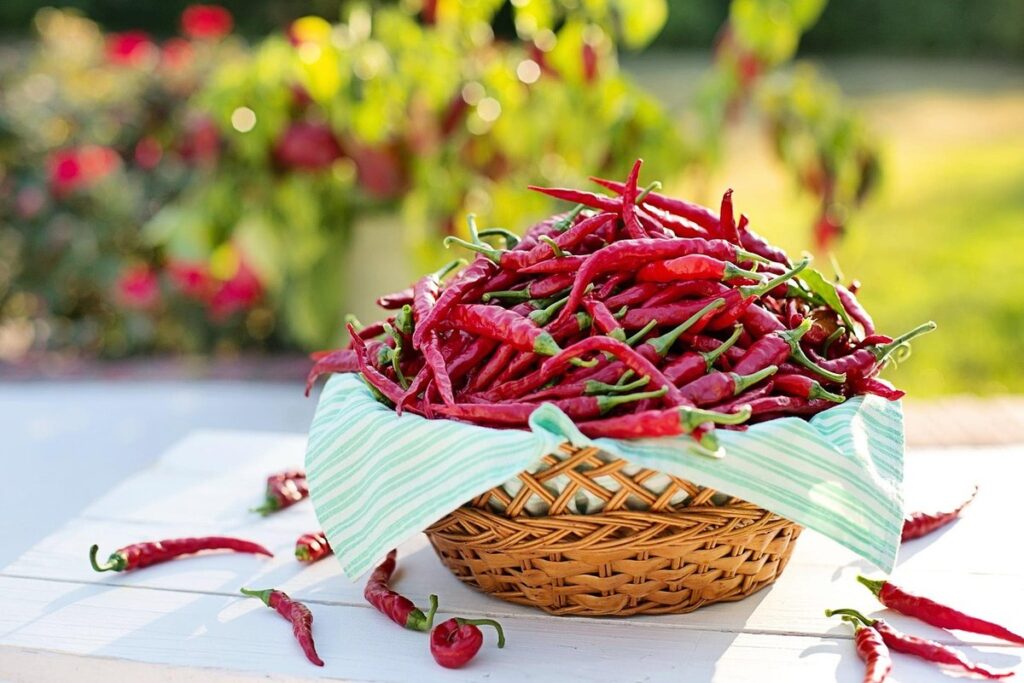
Introduction to Chili Peppers
Welcome to the world of chili peppers, where flavor and heat come together in a delightful blend. In this introduction, we’ll cover the basics of what makes chili peppers unique.
History and Origins of Chili Peppers
Chili peppers have been a staple ingredient in many cuisines for thousands of years. Their origins and history date back to ancient civilizations in the Americas, where they were first cultivated by indigenous peoples such as the Aztecs and Mayans. These early chili pepper farmers carefully selected and bred varieties that possessed desirable traits like flavor, heat, and texture.
In fact, it’s estimated that over 6,000 years ago, chili peppers were domesticated from wild peppers in present-day Mexico and Central America. The earliest evidence of chili pepper cultivation was found in the Oaxaca Valley in southern Mexico, where archaeologists discovered remnants of chili pepper plants dating back around 5,500 years.
Today, we know that these early farmers developed several varieties of chili peppers, including the iconic Capsicum annuum, which is the ancestor of many popular hot and sweet peppers used worldwide. As civilizations evolved and trade routes expanded, chili peppers spread to other parts of the world, adapting to local climates and culinary traditions along the way.
Importance of Chili Peppers in Cuisine
Chili peppers play a vital role in the culinary landscape of various cultures around the world. They add not only flavor but also heat to dishes, making them an essential component of many cuisines. In Asian cuisine, chili peppers are used liberally in stir-fries and curries to give them a bold, spicy kick. For instance, Korean kimchi is made with chili peppers, garlic, ginger, and other spices to create a fermented paste that adds depth to the dish.
In Latin American cuisine, chili peppers are a staple in salsas, sauces, and marinades. The heat level can range from mild to extremely hot, depending on the type of pepper used. For example, jalapenos are commonly used in Mexican cooking for their moderate heat, while habaneros add an intense burning sensation.
From Indian vindaloos to Thai curries, chili peppers bring a unique character to each dish. Their versatility and ability to elevate flavors make them a sought-after ingredient worldwide. Whether you’re a seasoned chef or a home cook, experimenting with different types of chili peppers can open up new possibilities in your cooking repertoire.
Types of Chili Peppers
Chili peppers come in a stunning array of shapes, sizes, and flavors, each with its own unique characteristics and uses. Let’s take a closer look at some of the most popular varieties.
The Scoville Scale: Understanding Pepper Heat
The Scoville scale is a crucial tool for chili pepper enthusiasts to understand the varying heat levels of different types of peppers. Developed by Wilbur Scoville in 1912, this method measures the amount of capsaicin present in a pepper, which is responsible for its spicy kick. Capsaicin is the compound that binds to pain receptors on your tongue, creating the sensation of burning or heat.
To measure the Scoville scale, a solution is made from the pepper and then diluted with sugar water until no heat can be detected by a panel of human tasters. The degree of dilution required to achieve this neutrality determines the Scoville rating, expressed in Scoville Heat Units (SHU). For example, the infamous Carolina Reaper holds an average SHU rating of 1,569,300, while the relatively mild Anaheim pepper registers around 500-1000 SHU. This knowledge allows you to pair peppers with dishes according to their heat tolerance, ensuring a balanced and enjoyable culinary experience.
Common Types of Chili Peppers
When it comes to exploring the world of chili peppers, understanding the various types is crucial for mastering their unique flavors and uses. Among the most popular varieties are Jalapeño, Serrano, Cayenne, Habanero, and Anaheim peppers.
Jalapeños are a staple in many Mexican dishes, offering a moderate level of heat (2,500-8,000 Scoville Heat Units) and a bright, snappy flavor. They’re often used in salsas, salads, and as a topping for tacos.
Serranos pack a punch with their intense heat (10,000-23,000 SHU), making them ideal for adding a kick to sauces, marinades, or stir-fries. Their small size belies their potent flavor, which is both sweet and pungent.
Cayenne peppers are long and thin, contributing a fiery, slightly sweet heat (30,000-50,000 SHU) to dishes like gumbo, BBQ sauce, or as a finishing spice for soups and stews. Their intense heat makes them perfect for those seeking a bold flavor boost.
Habaneros, with their striking red color, are the hottest of the bunch (100,000-350,000 SHU), offering an intense, tropical fruitiness that’s both sweet and spicy. Use them sparingly in salsas, sauces, or as a topping for grilled meats.
Anaheim peppers are mild to medium hot (500-2,000 SHU) and often used in green chile sauces or roasted as a side dish. Their slightly sweet flavor pairs well with eggs, cheese, or as a topping for tacos.
Specialty and Exotic Chili Peppers
If you’re a chili pepper enthusiast looking to level up your heat game, you’ll want to explore specialty and exotic varieties that will take your cooking to the next level. These unique peppers offer a world of flavor and intensity that’s sure to ignite your senses.
One such example is the Ghost Pepper (Bhut Jolokia), which boasts an average Scoville heat unit rating of 855,000-1,041,427 units. Native to India, this pepper has been used for centuries in traditional medicine and cuisine. For those who dare to try it, use the Ghost Pepper sparingly as a flavor enhancer or mix with other milder peppers to create a unique blend.
Another contender is the Carolina Reaper, currently recognized by the Guinness World Records as the world’s hottest pepper (averaging 1,569,300 SHU). Its intense heat and distinct flavor make it an ideal addition for those who seek an extreme chili pepper experience. Use it sparingly in hot sauces or marinades to add a kick.
Last but not least, we have the Scotch Bonnet, a Caribbean favorite known for its sweet and smoky flavor. With a Scoville rating of 100,000-350,000 SHU, this pepper is perfect for adding depth to seafood dishes or island-inspired cuisine. When working with these intense peppers, remember to handle them carefully, as oils in the skin can cause irritation.
Experimenting with specialty chili peppers requires caution and creativity, but the rewards are well worth it. To incorporate these unique varieties into your cooking, consider pairing them with milder ingredients to balance out the heat. Don’t be afraid to explore different flavor combinations – you might just discover a new favorite!
Using Chili Peppers in Cooking
Now that you’ve learned about the various types of chili peppers, let’s dive into some creative ways to incorporate them into your cooking and recipes.
Preparing and Handling Chili Peppers
When working with chili peppers, it’s essential to understand their unique characteristics to ensure safe and effective handling. The process of preparation can vary depending on the type of pepper and desired outcome.
For chopping, use a sharp knife and slice the peppers along the lines of seeds to maintain control. For milder varieties like Anaheim or Poblano, you can chop them straight away. However, for hotter peppers, it’s best to seed them first by making a shallow incision on either side of the pepper and gently removing the seeds.
Roasting brings out the natural sweetness in chili peppers and is an excellent way to prepare them for sauces, stews, or soups. To roast, place peppers over direct heat, turning frequently until they’re charred and blistered. Alternatively, you can roast in the oven at 400°F (200°C) for about 20-30 minutes.
When grilling, use a high heat to sear the peppers on all sides before reducing the temperature to cook through. This technique adds a smoky flavor that pairs well with grilled meats or vegetables.
Keep in mind that chili peppers are highly sensitive to moisture and can cause skin irritation. Always handle them gently, wear gloves if necessary, and avoid touching your eyes or other sensitive areas after handling.
Adding Heat to Recipes with Chili Peppers
When it comes to adding heat to recipes with chili peppers, there are countless ways to incorporate them into various dishes. One of the most straightforward approaches is to add sliced or diced chili peppers directly to stir-fries and curries. This not only infuses the dish with a spicy kick but also adds a burst of fresh flavor.
For sauces and marinades, you can puree roasted or rehydrated chili peppers along with other ingredients like garlic, ginger, and vinegar to create a deep, rich flavor profile. For example, in Korean chili paste (gochujang), roasted red chili peppers are blended with fermented soybeans, rice, and other spices.
To take it up a notch, try using different types of chili peppers for varying levels of heat and unique flavors. Anaheim or poblano peppers add a mild to medium heat and slightly sweet taste, while jalapeños bring a moderate level of spiciness. Experiment with combining these varieties to create complex flavor profiles that elevate your dishes.
When working with chili peppers in sauces and marinades, remember to balance their intensity by pairing them with ingredients like yogurt, milk, or honey. This will help to temper the heat without compromising on flavor.
Substituting and Combining Chili Peppers
When working with chili peppers, it’s not uncommon to find that you’re missing your preferred type or simply want to mix things up. Substituting and combining different types of chili peppers can be a great way to achieve the desired level of heat and flavor in your recipes.
If you don’t have Anaheim peppers on hand but need a similar mild heat, substitute them with Poblano or Cubanelle peppers. On the other end of the spectrum, if you’re using jalapeños but want an even spicier kick, try adding some Serrano peppers to the mix.
When combining chili peppers, start by matching their Scoville Heat Units (SHU) – this will give you a good starting point for adjusting the heat level in your dish. For example, if a recipe calls for one Anaheim pepper but you want to add more heat, swap it with half an Serrano and half a jalapeño.
Remember that chili peppers are not just about heat; they also bring different flavor profiles to the table. Experiment with various combinations to find the perfect balance of flavors for your next culinary creation. By substituting or combining different types of chili peppers, you can unlock new possibilities in the kitchen and take your dishes to the next level.
Health Benefits and Risks of Consuming Chili Peppers
As you explore the world of chili peppers, it’s essential to consider both the health benefits and potential risks associated with consuming them regularly. Let’s dive into these important details.
Nutritional Value of Chili Peppers
Chili peppers are not only a flavorful addition to many dishes, but they’re also a nutritional powerhouse. One of the most significant benefits of consuming chili peppers is their high water content. In fact, a single chili pepper can contain up to 92% water, making them an excellent choice for hot summer days when staying hydrated is crucial.
In addition to their high water content, chili peppers are also packed with antioxidants, including capsaicin and quercetin. These compounds have been shown to have anti-inflammatory properties, which may help protect against chronic diseases such as heart disease and cancer. The antioxidant properties of chili peppers can also help boost your immune system and fight off infections.
To reap the nutritional benefits of chili peppers, be sure to consume them in their raw form whenever possible. Roasting or cooking chili peppers can reduce their water content and some of their antioxidant properties. You can add sliced or diced raw chili peppers to salads, sandwiches, or use them as a topping for your favorite dishes.
Potential Allergies and Reactions
When consuming chili peppers, some individuals may experience potential allergies and reactions. While generally safe to eat, chili peppers can cause digestive issues in certain people. Symptoms range from mild heartburn and bloating to more severe diarrhea and stomach pain. If you’re new to eating spicy foods or haven’t had chili peppers before, start with small amounts and gradually increase your intake.
Another possible reaction is allergic contact dermatitis, a skin condition that occurs when the skin comes into contact with an allergen. In this case, it’s usually due to capsaicin oil in chili peppers, which can cause redness, itching, and blistering on the skin. If you experience any of these symptoms, discontinue consumption immediately.
To minimize potential issues, always handle chili peppers carefully, avoiding direct contact with your skin as much as possible. Wash your hands thoroughly after handling spicy food or touching chili peppers.
Growing and Cultivating Chili Peppers
To successfully cultivate chili peppers, you’ll want to learn the ideal growing conditions, including temperature, humidity, and sunlight requirements for your specific variety. With proper care, you’ll be harvesting a bounty of flavorful peppers in no time.
Planting and Care for Chili Pepper Plants
When planting chili pepper plants, it’s essential to choose a location that receives sufficient sunlight. Chili peppers are warm-season crops and require at least 6 hours of direct sunlight per day. If you’re growing them indoors, ensure the pot is placed near a sunny window or use grow lights.
Soil quality is also crucial for healthy growth. Use a well-draining potting mix specifically designed for pepper plants to prevent waterlogged soil. Add organic matter like compost or manure tea to enrich the soil and promote nutrient uptake.
Water your chili pepper plants when the top inch of soil feels dry to the touch. Avoid overwatering, which can lead to root rot and other issues. Fertilize once a month with a balanced fertilizer to support fruit production.
Prune your plants regularly to encourage bushy growth and prevent them from becoming leggy. Remove any weak or spindly stems to direct the plant’s energy towards producing more peppers. With proper care, chili pepper plants can thrive and produce an abundance of flavorful fruits throughout the growing season.
Harvesting and Storing Chili Peppers
When it’s time to harvest chili peppers, you’ll want to choose the right moment to ensure their flavor and heat are preserved. Typically, chili peppers reach maturity between 70-100 days after transplanting, but this can vary depending on the specific variety.
To determine if your chili peppers are ready for harvesting, gently tug on the stem; if it comes off easily, the pepper is ripe. Avoid pulling on the pepper itself, as this can cause damage and reduce its quality. For smaller varieties like Thai chilies or bird’s eye peppers, you may be able to harvest them when they’re still green and immature; however, for larger types like bell-shaped or Anaheim peppers, it’s best to wait until they’ve fully ripened.
Once harvested, store chili peppers in a dry place with good air circulation. You can hang them upside down from a hook or tie them in small bunches to allow air to circulate around each pepper. This will help maintain their flavor and heat. For longer-term storage, you can also freeze or pickle your chili peppers; just be sure to follow proper food safety guidelines to preserve their quality and prevent spoilage.
Conclusion
Now that we’ve explored the diverse world of chili peppers, it’s time to summarize our findings and provide you with a final thought on how to incorporate these fiery wonders into your cooking. Let’s take a step back and reflect.
Recap of Key Points
In this conclusion section, we’ll recap the key points covered throughout our exploration of chili peppers. You now have a solid understanding of the diverse types of chili peppers and their uses in cooking. From sweet bell peppers to scorching hot habaneros, each type offers unique characteristics that can elevate your dishes.
You’ve also learned about the various health benefits associated with consuming chili peppers. Not only do they add flavor and heat, but they’re also rich in vitamins A and C, potassium, and antioxidants. Regular consumption has been linked to reduced inflammation, improved circulation, and even cancer prevention. However, it’s essential to note that excessive consumption can lead to stomach discomfort, heartburn, or interact with certain medications.
To make the most of your chili pepper experience, remember to handle them safely: wear gloves when handling, avoid touching your eyes or sensitive areas after handling, and store them properly to maintain their flavor and heat. When cooking with chili peppers, start with small amounts and adjust to taste, as they can quickly overpower dishes. For a beginner-friendly approach, begin with milder types like Anaheim or Poblano and gradually move towards spicier options.
Some practical tips include pairing sweet peppers with rich sauces for a balanced flavor, using chipotle peppers in adobo sauce to add smokiness, and incorporating sliced jalapeños into salsas or sandwiches. Remember that chili pepper heat is not just about the Scoville unit rating; it’s also influenced by individual tolerance and preparation methods.
By embracing the world of chili peppers, you’ll unlock new flavors, textures, and health benefits in your kitchen. Don’t be afraid to experiment with different types and uses – your taste buds (and body) will thank you!
Frequently Asked Questions
Can I grow my own chili peppers, even if I have limited space?
Yes, you can grow chili peppers in containers or small gardens, making them perfect for urban farmers or those with limited space. Choose compact varieties like Thai chilies or dwarf Anaheim peppers that thrive in smaller spaces.
How do I handle the heat of different chili pepper types when cooking?
When working with extremely hot peppers like habaneros or ghost peppers, wear gloves to avoid transferring oils from your skin to your eyes or other sensitive areas. Also, consider starting with a small amount and gradually increasing the heat level to taste.
What are some common mistakes people make when using chili peppers in recipes?
One common mistake is over-handling or mashing chili peppers, which can release their capsaicin oils and make dishes unbearably spicy. To avoid this, use a gentle touch when chopping or mincing chili peppers, and consider roasting or grilling them to mellow out the heat.
Can I substitute one type of chili pepper for another in a recipe?
While it’s possible to substitute some types of chili peppers, others may not be interchangeable due to their unique flavor profiles. For example, Anaheim peppers are generally milder and sweeter than jalapeños or serranos, so use caution when substituting in recipes.
How can I store chili peppers to maintain their flavor and heat?
Store whole, unopened chili peppers in a cool, dry place away from direct sunlight. You can also freeze or dry them for later use, but be aware that freezing may affect the texture while drying helps preserve both flavor and heat.