
Privet flowers are often overlooked, but these beautiful blooms have more to offer than meets the eye. Not only do they add an ornamental touch to gardens and landscapes, but they’re also edible and packed with medicinal properties. However, their uses come with some caveats – like many invasive species, privet flowers can be a problem when left unchecked. But before we dive into the potential risks, let’s explore the benefits of these multifaceted flowers. In this article, we’ll delve into the health benefits of privet flowers, from their potential to alleviate allergies and skin issues to their possible impact on digestive health. We’ll also discuss the concerns surrounding invasive species and allergenic potential, so you can make informed decisions about incorporating privet flowers into your life.
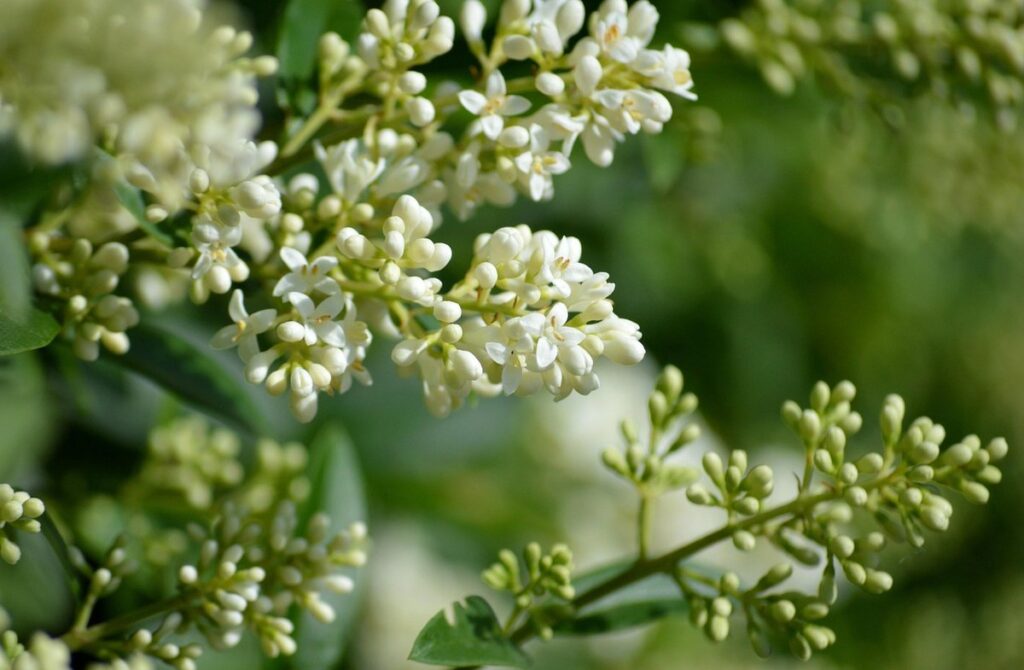
Introduction to Privet Flowers
Let’s start by exploring what privet flowers are and where they originated, a fascinating topic for anyone interested in gardening and botany.
What are Privet Flowers?
Privet flowers are a popular choice for landscaping due to their versatility and ornamental value. They belong to the Ligustrum spp. family, which encompasses over 80 species of flowering shrubs and small trees. Native to Asia and Europe, privet flowers can be found growing in warm, temperate climates with mild winters.
Their adaptable nature has led to widespread cultivation in many parts of the world. Privet flowers are often used as hedges, borders, or specimen plants due to their ability to thrive in a variety of conditions. They come in a range of shapes and sizes, from compact shrubs to large trees, making them suitable for both small gardens and larger landscapes.
When selecting privet flowers for landscaping purposes, it’s essential to choose varieties that suit your specific climate and desired appearance. Some popular species include Ligustrum obtusifolium, known for its dark green foliage and fragrant white flowers, and Ligustrum ovalifolium, prized for its glossy leaves and clusters of small yellow blooms. By understanding the different types of privet flowers available, you can make an informed decision about which ones will thrive in your garden.
History and Cultural Significance
Privet flowers have a rich history that spans thousands of years, with cultivation dating back to ancient China, Japan, and Europe. In these regions, privet was highly valued for its ornamental value, fragrant flowers, and versatility as a hedge plant or topiary. The evergreen foliage provided year-round beauty, while the showy white or purple blooms added vibrant colors to gardens.
In various cultures, privet flowers have carried significant symbolism and meaning. In China, they represent longevity and good fortune, often used in traditional weddings and festivals. In Japan, the shrub is associated with humility and modesty. In European folklore, privet was linked to protection against evil spirits and bad luck. The plant’s adaptability has also made it a popular choice for gardens across different climates and cultures.
Today, privet flowers continue to be cherished in many parts of the world for their timeless beauty and historical significance. Whether grown as a fragrant hedge or used in traditional ceremonies, these flowers remain an integral part of our cultural heritage.
Types of Privet Flowers
There are several varieties of privet flowers, each with its own unique characteristics and growing conditions that set it apart from others. Let’s take a closer look at some of these types.
Ornamental Varieties
Privet flowers are not only attractive but also versatile, with numerous ornamental varieties to suit various garden styles and conditions. One popular choice is ‘John Simpkins’, a compact shrub that produces masses of small white blooms from mid-spring to early summer. Its neat growth habit makes it ideal for hedges, borders, or containers.
For those seeking a touch of gold, ‘Gold Rider’ is an excellent option. This cultivar boasts bright yellow leaves and white flowers in the spring, adding a warm glow to any garden setting. Be aware that its golden foliage may fade slightly during winter months, but it regains its vibrant color come springtime.
Another attractive variety is ‘Viminalis’, with its long, drooping panicles of small white flowers in late spring. Its weeping habit makes it perfect for cascading over walls or creating a natural screen. When choosing ornamental privet varieties, remember to consider hardiness zones and specific growing conditions to ensure optimal performance.
Edible Privet Species
When it comes to edible privet species, several varieties stand out for their delicious berries and flowers. One such example is the Chinese privet (Ligustrum sinense), which produces small, black berries that are sweet and slightly tart in taste. These berries can be used in jams, jellies, and preserves, making them a great addition to baked goods and desserts.
Another edible privet species is the Japanese privet (Ligustrum japonicum), whose white flowers are fragrant and delicious when added to salads or desserts. The flowers also have potential health benefits, as they are rich in antioxidants and flavonoids that may help reduce inflammation and improve cardiovascular health.
To incorporate these edible privet species into your cooking, simply harvest the berries or flowers at the right time – usually during late summer or early fall for the berries, and in spring or early summer for the flowers. Rinse them thoroughly before using, as they can be slightly bitter. Experiment with different recipes to enjoy their unique flavors and potential health benefits.
Growing and Maintaining Privet Flowers
To get the most out of your privet flowers, you’ll want to learn how to properly care for them from seedling to blooming adult plant. This section will cover all the essential tips and tricks.
Planting and Care Requirements
When planting privet flowers, it’s essential to consider their specific soil preferences. These flowering shrubs thrive in well-draining soil that is slightly acidic to neutral in pH. Avoid planting privet in areas with heavy clay or sandy soils, as this can lead to waterlogging and root rot.
In terms of sunlight requirements, most privet varieties prefer full sun to partial shade. However, some types like the Golden Privet (Ligustrum ovalifolium ‘Aureum’) are more tolerant of shade and can thrive in dappled light conditions. When watering your privet flowers, make sure not to overwater, as this can cause root rot and other problems.
Regular pruning is also crucial for maintaining the health and beauty of your privet flowers. Prune your shrub in late winter or early spring, removing any dead or damaged branches. Cut back new growth after flowering to encourage a bushy shape and promote more blooms. Keep in mind that some types of privet, like the Japanese Privet (Ligustrum japonicum), require more frequent pruning to maintain their compact shape.
Pest and Disease Management
Privet flowers are known for their vibrant beauty and versatility in landscaping, but they can also be susceptible to certain pests and diseases that may threaten their health. One of the most common issues affecting privet flowers is aphid infestation. These tiny insects feed on plant sap, causing curled or distorted leaves and stunted growth.
To prevent aphids from taking over your privet flowers, use a neem oil spray or insecticidal soap to control populations. Regularly inspecting your plants for signs of aphids can also help catch the problem early.
Another issue that may affect privet flowers is root rot, typically caused by overwatering and poor drainage. Make sure the soil isn’t waterlogged, as this can lead to fungal growths that will eventually kill the plant. By monitoring watering schedules and ensuring good air circulation around your plants, you can prevent root rot from taking hold.
For more severe infestations or diseases, consider using fungicides or bactericides specifically designed for ornamental plants. In some cases, complete removal of the affected area may be necessary to prevent further spread.
Privet Flowers in Landscaping
When it comes to adding a touch of elegance and structure to your outdoor space, privet flowers can be a game-changer. Let’s explore their role in landscaping design.
Hedge Planting and Maintenance
Privet flowers are an excellent choice for hedges due to their low-maintenance requirements and versatility in various landscaping designs. One of the primary benefits of using privet flowers is that they can thrive in a range of soil types, making them suitable for different climates and environments.
When planting privet flowers for hedges, it’s essential to choose a location with adequate sunlight and water supply. Privet flowers prefer well-drained soil but can tolerate some drought conditions once established. Plant the hedge at a density of 3-4 feet apart, depending on the desired growth rate and shape.
Some common issues that arise with hedge planting include overgrowth, disease, and pests. To prevent these problems, prune your privet hedge regularly to maintain its shape and promote healthy growth. Watering and fertilizing your hedge accordingly will also help minimize the risk of diseases and infestations.
Wildlife Attraction and Value
Privet flowers are not only visually stunning, but they also play a crucial role in attracting beneficial wildlife to your garden or landscape. These attractive blooms serve as a haven for bees and butterflies, two of the most vital pollinators. By incorporating privet flowers into your landscaping, you’re creating a welcoming environment that supports these essential creatures.
As privet flowers bloom, they produce nectar-rich pollen that attracts an array of beneficial insects. Bees, in particular, are drawn to their sweet aroma and rich source of nutrients. This is especially true for honeybees, which rely heavily on privet flowers as a vital resource for collecting the necessary materials for their hives.
Butterflies also find privet flowers irresistible, thanks to their vibrant colors and intoxicating scent. By planting privet flowers in your garden or landscape, you’re providing these beautiful insects with a valuable source of sustenance. In return, they’ll contribute to pollination efforts and add to the overall health of your ecosystem.
To make the most of your privet flowers’ wildlife attraction benefits, consider planting a mix of species that provide nectar-rich blooms throughout different seasons. This will create a constant source of food for beneficial insects, ensuring a healthy and thriving ecosystem.
Health Benefits of Privet Flowers
Privet flowers have been prized for centuries not only for their beauty, but also for their incredible health benefits that can be harnessed through various means. Let’s explore how privet flowers support overall wellness.
Medicinal Properties
Privet flowers have been utilized for centuries in traditional medicine, particularly in Asian cultures. Their medicinal properties are attributed to the presence of bioactive compounds such as flavonoids and phenolic acids. These components have been shown to exhibit antiseptic and anti-inflammatory effects, making privet flowers a valuable resource for wound care and skin issues.
Studies have demonstrated that privet flower extracts can inhibit the growth of certain bacteria, including Staphylococcus aureus and Escherichia coli, highlighting their potential as a natural antibacterial agent. Furthermore, their anti-inflammatory properties may provide relief from conditions such as arthritis and other inflammatory diseases.
While the existing research is promising, more studies are needed to fully explore the health benefits of privet flowers. If you’re interested in harnessing their medicinal properties, consult with a healthcare professional before using them as a treatment. They can be used topically or ingested as a tea, but proper preparation and dosing are crucial to avoid adverse reactions.
Consider combining dried privet flowers with other herbs to create a soothing salve for skin irritations.
Culinary Uses and Recipes
Privet flowers can be used as an edible ingredient to add flavor and nutrition to various dishes. They have a sweet, slightly bitter taste and are often paired with honey or sugar to balance their flavor profile. To incorporate privet flowers into your cooking, start by using them fresh in salads, such as the Privet Flower Salad recipe below.
Privet Flower Salad: Combine 1 cup of mixed greens, 1/2 cup of cherry tomatoes, 1/4 cup of chopped red onion, and 1 tablespoon of chopped privet flowers. Dress with a vinaigrette made from equal parts olive oil and apple cider vinegar. This salad showcases the delicate flavor of privet flowers and provides a refreshing twist on traditional greens.
When using dried privet flowers in recipes, be mindful of their potency. Start with small amounts (about 1/4 teaspoon per serving) and adjust to taste. You can add them to teas, soups, or baked goods for an extra boost of flavor and nutrition. Some popular uses for dried privet flowers include adding them to homemade herbal teas or using them as a garnish for desserts like cakes and pastries.
When cooking with privet flowers, ensure you only use fresh or dried blooms that have been properly identified and free from pesticides. This will prevent any potential health risks associated with consuming wildflowers.
Challenges and Controversies Surrounding Privet Flowers
While privet flowers have their admirers, they also face criticism for being invasive and potentially hazardous to human health, which raises some important questions. Some gardeners even consider them a nuisance plant.
Invasive Species Concerns
Invasive species concerns have been a major issue for many regions where non-native privet species have taken hold. When these plants are introduced to areas outside their natural habitat, they can rapidly outcompete native vegetation, leading to a loss of biodiversity and ecosystem disruption. In some cases, invasive privet species can even alter soil chemistry, further threatening native plant life.
The consequences of invasive privet species can be severe. For instance, in parts of the United States, the Chinese privet (Ligustrum sinense) has been known to displace native vegetation and exacerbate soil erosion. This has led some states to restrict or ban the sale of this particular privet type.
Regulations around privet cultivation vary by country. In Australia, for example, several privet species are listed as invasive weeds and are subject to control measures. Home gardeners in these regions should exercise caution when selecting privet varieties and check with local authorities before introducing new plants to their gardens. By being mindful of the potential risks associated with non-native privet species, we can help protect native ecosystems and preserve biodiversity.
Allergenic Potential
While privet flowers are a delight to behold, their beauty comes with a warning: they can be allergenic. The pollen of these flowers is a common culprit behind seasonal allergies and hay fever symptoms in many people. If you’re sensitive to these allergens, it’s essential to take precautions when handling or being around privet flowers.
Privet flower pollen is particularly problematic because it’s light and easily carried by the wind, making it hard to escape. This means that even if you don’t have a privet tree in your garden, you may still be affected if there are nearby trees releasing their pollen into the air.
If you’re allergic to privet flowers, here are some tips to help you cope: keep windows closed during peak pollen seasons, avoid areas with high privet tree density, and consider wearing a mask when outdoors. It’s also crucial to consult your doctor or allergist for personalized advice on managing your symptoms.
Conclusion
In conclusion, privet flowers are truly a treasure worth appreciating. Whether you’re a seasoned gardener or just starting out, incorporating these beautiful blooms into your garden can bring a touch of elegance and sophistication. We’ve explored their rich history, stunning varieties, and versatility in arrangements, and it’s clear that they have so much to offer. To make the most of privet flowers, consider adding them to your cut flower garden or using them as a focal point in a bouquet. You can also experiment with different pruning techniques to encourage continuous blooming throughout the season. With their unique beauty and easy care, privet flowers are sure to become a beloved addition to any garden.
Frequently Asked Questions
Can I grow privet flowers indoors, or are they strictly outdoor plants?
Yes, you can grow privet flowers indoors, but it requires careful consideration of their specific needs. They thrive in bright, indirect light and require consistent temperatures between 65-75°F (18-24°C). Make sure to provide sufficient air circulation and maintain a humid environment to prevent pest issues.
How do I control the invasive potential of privet flowers if I have limited space?
To mitigate the risk of invasive species, consider growing non-invasive varieties like Ligustrum japonicum or Ligustrum obtusifolium. Regular pruning and monitoring can also help contain their spread. In areas where they are considered invasive, it’s essential to exercise caution when planting and ensure proper removal procedures are in place.
What precautions should I take when handling privet flowers for medicinal purposes?
When using privet flowers for medicinal purposes, be aware of potential allergic reactions or interactions with other medications. Wear protective gloves when handling the plant, and consult with a healthcare professional before ingesting any parts. Proper identification and preparation of the plant are crucial to avoid adverse effects.
Can I eat privet flowers at any stage of growth, or are there specific guidelines?
While privet flowers can be edible, it’s essential to consume them in moderation. The young leaves and flowers are typically more palatable and less bitter than older parts. Avoid eating unripe or mature berries, as they may cause digestive issues. Also, consult with a medical professional before using privet flowers for culinary purposes.
How do I ensure that my privet flower hedge remains healthy and pest-free?
Regular pruning and inspection can help prevent pest infestations. Consider applying organic pesticides or natural deterrents when necessary. Adequate watering and fertilization practices will also promote overall health, reducing the likelihood of pest-related problems.