
If you’re a gardener or a cooking enthusiast looking to add some excitement to your repertoire, you might want to consider growing pepper red ember in your garden. This versatile pepper variety has been gaining popularity among home cooks and gardeners alike due to its rich flavor profile and numerous uses. From adding a burst of heat to your favorite dishes to serving as a beautiful addition to any vegetable arrangement, pepper red ember is a must-have for anyone looking to elevate their culinary or gardening skills.
In this comprehensive guide, we’ll delve into the world of pepper red ember, covering everything from its origin and growth habits to some creative ways you can use it in your cooking. Whether you’re a seasoned pro or just starting out, our expert tips and tricks will have you growing and using pepper red ember like a pro in no time.
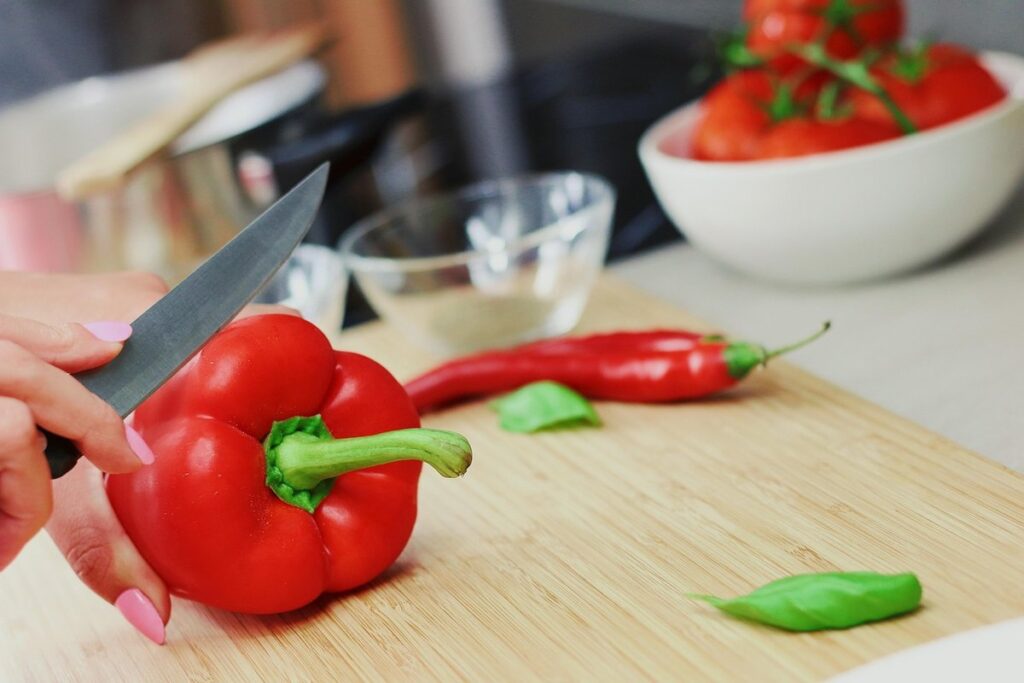
What is a Pepper Red Ember?
The Pepper Red Ember is a fascinating pepper variety that has gained popularity for its unique flavor and heat level, but what exactly makes it so special?
In this section, we’ll delve into the characteristics and properties of the Pepper Red Ember.
Origin and History
The pepper red ember is believed to have originated from the Capsicum annuum species, which also encompasses popular varieties like bell peppers and jalapeños. Its exact origin is unclear, but it’s thought to have been cultivated in Central and South America for centuries.
Today, the pepper red ember is widely grown in many regions with mild winters and warm summers. The ideal climate for this variety is characterized by temperatures ranging from 65°F to 75°F (18°C to 24°C), making it a popular choice for gardeners in USDA zones 8-10. This specific temperature range allows the pepper to mature slowly, developing its signature flavor and texture.
One of the reasons why the pepper red ember has gained popularity is due to its ability to thrive in a variety of environments. It can be grown in containers or directly in the ground, making it an ideal choice for urban gardeners or those with limited space. With proper care and attention, this versatile pepper variety can produce multiple harvests throughout the growing season, providing a steady supply of fresh peppers for cooking and preserving.
Characteristics and Appearance
One of the first things you’ll notice about the pepper Red Ember is its striking appearance. Its color is perhaps one of its most distinguishing characteristics – a deep, rich red that’s both beautiful and eye-catching. But it’s not just the color that makes this pepper stand out; its shape and size are also worth noting.
The pepper Red Ember has an elongated, slightly curved shape that’s typically around 4-5 inches long. Its texture is glossy and smooth to the touch, with a subtle sheen that catches the light. The overall appearance of the pepper is sleek and slender, making it a great choice for adding visual interest to any dish.
When choosing Red Ember peppers, look for ones that are firm to the touch and have no visible signs of damage or bruising. Avoid peppers that are too soft or squishy, as these may be past their prime. With proper handling and care, the pepper Red Ember can add a pop of color and flavor to any meal. Its vibrant red hue is sure to impress even the most discerning chefs.
Growing and Caring for Pepper Red Ember Plants
To help your Pepper Red Ember plants thrive, you’ll want to focus on providing optimal growing conditions and regular care throughout their lifecycle. This includes pruning, watering, and fertilizing techniques.
Climate and Soil Requirements
To grow and thrive, pepper red ember plants require specific climate and soil conditions. Ideally, they prefer full sun to partial shade, with temperatures between 65°F and 75°F (18°C and 24°C). Avoid exposing them to extreme temperatures or drafts, as this can cause damage or reduce yields.
When it comes to soil, pepper red ember plants thrive in well-draining, rich soil that’s slightly acidic. Aim for a pH range of 6.0-7.0, as this will promote healthy root growth and nutrient uptake. To achieve optimal conditions, mix in a balanced fertilizer during the growing season, following the manufacturer’s instructions.
Regular watering is also essential, but be cautious not to overwater, which can lead to fungal diseases and root rot. Instead, allow the top 1-2 inches of soil to dry out between waterings, ensuring your plants receive consistent moisture without becoming waterlogged.
By providing pepper red ember plants with suitable climate and soil conditions, you’ll set them up for success, leading to bountiful harvests and a rich source of antioxidants in your kitchen.
Planting and Pruning Techniques
When planting pepper red ember seeds, make sure to sow them about ¼ inch deep and 2-3 inches apart. This will give each seedling enough room to grow without overcrowding. Use a well-draining potting mix and keep the soil consistently moist during the germination period, which typically takes around 7-10 days.
As your pepper red ember plants mature, regular pruning is essential for promoting healthy growth and maximizing yield. Remove any weak or spindly stems at the base of the plant to encourage bushy growth. Cut back overgrown branches by about one-third to maintain air circulation and prevent fungal diseases from taking hold. Prune your plants in late spring or early summer when they’re around 12-18 inches tall, and again after harvesting to control their size and direct energy towards producing more fruit.
Remember to always use clean, sharp tools to prevent spreading diseases, and remove any debris that may harbor pests or fungal spores.
Uses and Benefits of Pepper Red Ember
Whether you’re a seasoned chef or a curious home cook, you’ll be delighted to learn how the unique flavor profile of Pepper Red Ember can elevate your dishes. From savory sauces to spicy stir-fries, its uses are endless!
Culinary Applications
When it comes to cooking with pepper red ember, its unique flavor profile and moderate heat level make it an ideal addition to a variety of dishes. One of the key characteristics of pepper red ember is its slightly sweet and smoky undertones, which pair well with rich and savory ingredients like meats and stews.
In terms of heat level, pepper red ember falls somewhere in the middle, offering a gentle warmth that enhances flavors without overpowering them. This makes it an excellent choice for adding depth to soups, sauces, and braising liquids.
Some popular culinary applications for pepper red ember include using it as a finishing spice for grilled meats or roasted vegetables, adding it to rubs and marinades for tenderizing tougher cuts of meat, or incorporating it into spice blends for added complexity. For example, you can mix pepper red ember with kosher salt and black peppercorns to create a simple yet effective seasoning blend perfect for seasoning steaks or roasts.
To get the most out of your pepper red ember, be sure to store it properly in an airtight container to preserve its flavor and aroma. You can also experiment with pairing it with other ingredients like citrus zest, garlic, or herbs to create unique and interesting flavor combinations.
Medicinal and Health Benefits
Pepper Red Ember has been traditionally used in various cultures for its medicinal and health benefits. Some of the key benefits associated with consuming this pepper variety include its anti-inflammatory properties, which can help alleviate pain and reduce inflammation in the body.
Studies have shown that capsaicin, a compound found in hot peppers like Pepper Red Ember, has potent antioxidant and anti-inflammatory effects. Capsaicin can help to reduce oxidative stress, improve cardiovascular health, and even exhibit anticancer properties. Regular consumption of Pepper Red Ember may also aid in digestion and relieve symptoms associated with irritable bowel syndrome (IBS).
To reap the medicinal benefits of Pepper Red Ember, consider incorporating it into your cooking by adding a few slices or whole peppers to your meals. You can also use it as a natural remedy for colds and flu by making a tea from dried pepper flakes. When using Pepper Red Ember medicinally, start with small amounts to gauge tolerance and sensitivity.
The high water content in Pepper Red Ember makes it an excellent addition to salads, marinades, and sauces, providing a boost of hydration and flavor. With its numerous health benefits and versatility in cooking, it’s no wonder that Pepper Red Ember is gaining popularity among health-conscious individuals looking for natural remedies and flavorful ingredients.
Gardening Tips and Tricks
When it comes to growing pepper red ember in your garden, there are several tips and tricks you can use to maximize its productivity and flavor. For one, this variety does well with companion planting, which means pairing it with other plants that complement its growth and repel pests.
One popular choice for companion planting with pepper red ember is basil. These two herbs work well together in a single container or bed, as basil repels aphids and whiteflies that can damage the peppers. You can also pair pepper red ember with onions, garlic, and chives to create a comprehensive pest-repelling system.
When planting pepper red ember, be sure to provide it with full sun and rich soil. Water regularly, but avoid overwatering which can lead to disease issues. With proper care, pepper red ember can thrive in containers or directly in the ground.
Some gardeners have reported success growing pepper red ember vertically using trellises, which can help control space and increase yields.
Cooking with Pepper Red Ember: Recipes and Ideas
Now that you know the basics of pepper red ember, let’s get cooking! This section shares our favorite recipes and creative ideas for incorporating pepper red ember into your kitchen.
Classic Dishes Featuring Pepper Red Ember
Pepper Red Ember is a gem when it comes to adding depth and heat to various classic dishes. If you’re looking for inspiration on how to incorporate this versatile pepper into your cooking repertoire, look no further than these tried-and-true recipes.
One of the most iconic dishes that features Pepper Red Ember is chili con carne. This Texas-style staple relies heavily on the smoky, slightly sweet flavor of the peppers to give it a rich and complex taste profile. To make an authentic version at home, start by browning some ground beef in a large pot over medium-high heat. Add in 2-3 diced Pepper Red Ember peppers along with a few cloves of garlic and let them cook until softened.
For a vegetarian twist on this classic dish, try using roasted vegetables instead of meat. Simply toss sliced bell peppers, zucchini, and onions with olive oil, salt, and pepper before roasting them in the oven until tender. Then, add 2-3 diced Pepper Red Ember peppers to the pot along with some canned tomatoes and beans for a hearty and satisfying chili.
In terms of heat level, you can adjust the amount of Pepper Red Ember peppers to suit your taste preferences. If you prefer a milder flavor, use just one or two peppers; if you like it spicy, add in more! The beauty of cooking with Pepper Red Ember is that its unique flavor profile allows for experimentation and adaptation.
Another classic dish that shines with Pepper Red Ember is Hungarian goulash. This comforting stew relies on the bold flavors of paprika, caraway seeds, and – of course – pepper to give it a rich, slightly spicy taste. To make a authentic version at home, start by browning some sliced pork in a large pot over medium heat before adding in 2-3 diced Pepper Red Ember peppers along with a few cloves of garlic and some chopped onions.
When cooking with Pepper Red Ember, keep in mind that its flavor profile is best enhanced when roasted or sautéed. Try tossing the peppers with olive oil, salt, and pepper before roasting them in the oven until tender for added depth and complexity.
Some popular dishes that you can make using pepper red ember include:
• Stuffed bell peppers
• Chili con carne
• Hungarian goulash
• Roasted vegetable soup
Modern Twists on Traditional Recipes
One of the most exciting aspects of cooking with pepper red ember is its versatility and ability to be incorporated into a variety of modern twists on traditional recipes. When it comes to using pepper red ember as an ingredient, the possibilities are endless, from creating bold and smoky sauces to crafting marinades that add depth and complexity to your favorite dishes.
One innovative way to use pepper red ember is by making a roasted red pepper sauce. Simply roast several peppers over an open flame or in the oven until charred, then peel and puree them with garlic, olive oil, and a pinch of salt. This vibrant sauce is perfect for drizzling over pasta, pizza, or as a dip for vegetables.
Another approach is to use pepper red ember to create a spicy rub for meats. Mix together crushed peppers, brown sugar, smoked paprika, and a sprinkle of cumin to create a blend that will add smoky heat to your grilled chicken, steak, or pork chops. The beauty of working with pepper red ember lies in its ability to elevate and transform traditional recipes into bold, innovative creations that are sure to impress even the most discerning palates.
Comparison with Other Pepper Varieties
Let’s take a closer look at how Red Ember peppers stack up against other popular pepper varieties, highlighting their unique characteristics and differences. You might be surprised by some of the key distinctions!
Similar Peppers and Their Differences
If you’re new to pepper varieties, you might be wondering how Red Ember stacks up against other popular peppers. Let’s take a look at some similar peppers and their differences.
One pepper that shares some similarities with Red Ember is the Jalapeño. While both have a moderate heat level, Jalapeños tend to be more compact and have a bright green color when ripe. On the other hand, Red Ember has a slightly sweet and smoky flavor profile that sets it apart from its cousin.
Another pepper worth mentioning is the Cayenne pepper. Like Red Ember, Cayenne peppers are known for their long, thin shape and high heat level. However, Cayenne peppers tend to be more intense in terms of their Scoville units and have a more acidic taste.
If you’re looking for a milder alternative to Red Ember, consider trying the Poblano pepper. With its rich, earthy flavor and lower heat level, Poblanos are often used in chili recipes and are a great choice for those who prefer a less spicy option.
In terms of preparation, keep in mind that each pepper variety has its own unique characteristics and requirements. For example, while Red Ember can be roasted or grilled like other peppers, it’s best to use a gentle heat when cooking with Poblanos to bring out their full flavor.
Tips for Choosing the Right Pepper Variety
When it comes to choosing the perfect pepper variety, it’s essential to consider your cooking needs and preferences. With so many options available, selecting the right one can be overwhelming. To make an informed decision, think about how you plan to use the peppers. Do you enjoy adding heat to your dishes or do you prefer milder flavors? The Pepper Red Ember, with its moderate Scoville heat unit rating, is a versatile choice that suits many cooking styles.
If you’re looking for a pepper variety that’s perfect for roasting, grilling, or sautéing, the Red Ember’s sweet and smoky flavor makes it an excellent option. For those who prefer a hint of spice, consider pairing it with other pepper varieties to create a balanced flavor profile. Alternatively, if you’re seeking a milder option, explore other sweet pepper varieties like the Bell Boy or the Pimento.
When selecting pepper seeds or seedlings, pay attention to their disease resistance and growth habits. Some popular pepper varieties for home gardens include the ‘Thai Hot’, ‘Cayenne’, and ‘Jalapeño’. By considering your cooking needs and preferences, you can choose a pepper variety that not only adds flavor but also meets your expectations.
Frequently Asked Questions
Can I grow pepper red ember peppers indoors, or do they require a lot of outdoor space?
Yes, pepper red ember peppers can be grown indoors with proper care and conditions. They thrive in containers and require minimal space, making them an excellent choice for small gardens or indoor gardening enthusiasts. To ensure success, provide your plants with adequate light (at least 4-6 hours of direct sunlight) and maintain a consistent temperature between 65°F to 75°F (18°C to 24°C).
How can I preserve pepper red ember peppers for extended periods?
To preserve pepper red ember peppers for an extended period, you can try drying, freezing, or pickling them. Drying is the most common method, where the peppers are dried in a low-temperature oven or using a food dehydrator to remove excess moisture. Freezing and pickling methods also help retain their flavor and texture.
Can pepper red ember peppers be used as a substitute for other hot peppers?
While pepper red ember peppers have a unique heat level and flavor, they can be used as a substitute in some recipes where you’d typically use jalapeños or similar hot peppers. However, keep in mind that the flavor profile is distinct, so adjust seasoning accordingly.
How do I know when my pepper red ember plants are ready for harvest?
Pepper red ember plants are ready for harvest about 70-80 days after transplanting, when the fruits reach their full color and are firm to the touch. Check the peppers regularly as they will continue to ripen after being picked. Make sure to harvest them before the first frost to ensure a continuous supply.
Can I use pepper red ember peppers in sweet dishes or do they only work well in savory recipes?
While pepper red ember peppers are commonly used in savory dishes, their unique flavor and heat level can also be incorporated into sweet recipes, like jams, chutneys, or even desserts. Experiment with adding them to your favorite recipes for a surprising twist on flavors.