
Pumpkin lovers, are you ready to uncover the fascinating world of pumpkin species? From the classic sugar pie to the ornamental gourds, there’s so much more to these delicious fruits than meets the eye. Did you know that there are over 450 known varieties of pumpkins, each with its unique characteristics, uses, and cultivation requirements? Whether you’re a seasoned gardener or an avid cook, understanding the different pumpkin species can unlock a wealth of flavors and benefits in your cooking and garden. In this article, we’ll take you on a journey to explore the wonderful world of pumpkin species, covering their characteristics, uses, and cultivation needs. By the end of it, you’ll be equipped with the knowledge to grow and cook with confidence, discovering new recipes and gardening techniques to make the most of these incredible gourds.
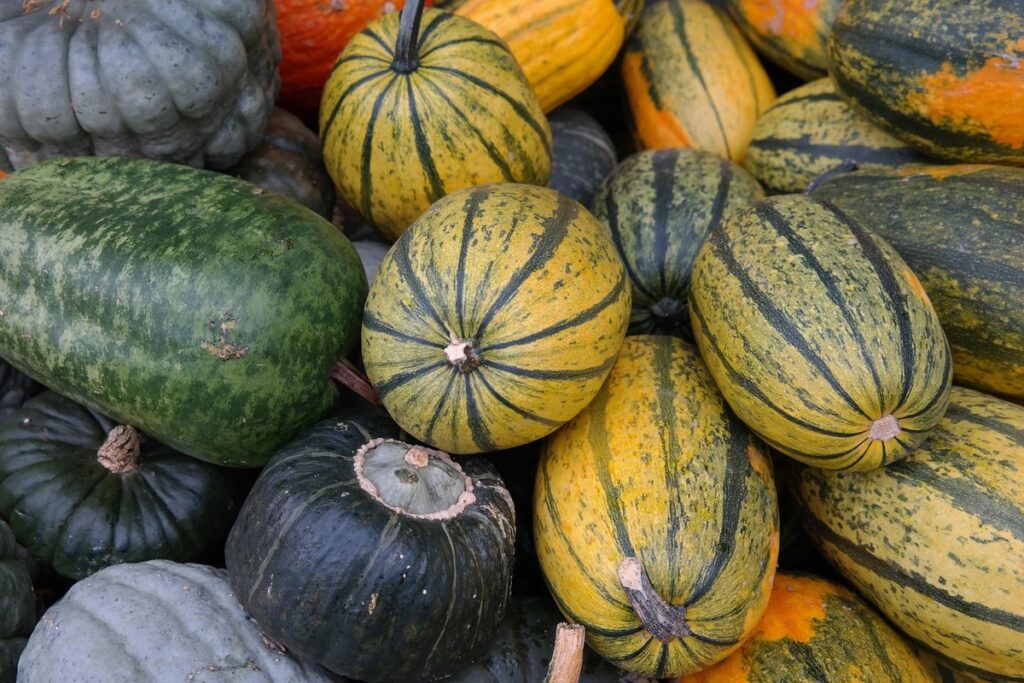
Introduction to Pumpkins
When it comes to pumpkin varieties, you might be surprised at just how diverse and fascinating they can be. Let’s dive into the basics of these amazing gourds.
What are Pumpkins?
Pumpkins are one of the most recognizable and beloved fruits (yes, they’re technically a fruit!) around the world. But have you ever stopped to think about what exactly makes a pumpkin, well, a pumpkin? Let’s dive into the basics.
From a botanical standpoint, pumpkins belong to the Cucurbitaceae family, which includes other popular fruits like squash, melons, and cucumbers. They’re part of the genus Cucurbita, with several species that have been cultivated for thousands of years. The most common species is Cucurbita pepo, which accounts for over 90% of global pumpkin production.
Pumpkins are an integral part of various cultures, symbolizing abundance, harvest time, and even Halloween celebrations in some countries. They’re not just a decoration or a culinary delight; pumpkins have also been used for medicinal purposes, such as treating digestive issues and skin conditions.
In addition to their practical uses, pumpkins have become a staple in many cuisines around the world. Whether you’re making traditional pumpkin pie or trying your hand at a new recipe, pumpkins are an incredibly versatile ingredient that can add flavor and nutrition to any dish.
Types of Pumpkins: Domesticated vs. Wild
When it comes to pumpkin species, most people are familiar with the common domesticated varieties like Jack Be Little and Baby Boo. However, there’s a world beyond these popular choices that’s worth exploring – the realm of wild pumpkins.
Wild pumpkins (Cucurbita pepo) are the ancestors of modern-day cultivated pumpkins. They’re smaller in size, have a harder rind, and produce more seeds per fruit. In contrast, domesticated pumpkins (Cucurbita maxima) have been selectively bred over thousands of years for desirable traits like larger size, sweeter flesh, and easier handling.
While wild pumpkins are still edible and can be used in cooking, they’re not as sweet or tender as their domesticated counterparts. However, they do offer a unique flavor profile that’s worth trying. For the adventurous gardener, growing wild pumpkin seeds is a great way to experience this lesser-known variety firsthand.
Some popular wild pumpkin varieties include ‘Lakota’ and ‘Prizrenski’, which can be used in traditional cooking or as ornamental plants in gardens.
History of Pumpkin Cultivation
Pumpkins have been a staple crop for thousands of years, with their cultivation dating back to ancient civilizations. The earliest evidence of pumpkin cultivation comes from the Americas, where indigenous peoples domesticated the plant around 7,000-10,000 years ago. These early pumpkins were much smaller and more rounded than the varieties we see today.
As European explorers arrived in the New World, they discovered the versatility and nutritional value of pumpkins. The crop was brought back to Europe, where it quickly became a staple in many countries. In the 17th century, pumpkin seeds were introduced to England, and by the 18th century, pumpkins were being grown commercially.
One significant milestone in pumpkin cultivation was the discovery of the Cucurbita maxima species, which is still widely cultivated today for its large, symmetrical fruits. This species was developed through selective breeding, allowing farmers to grow larger, more consistent crops.
The history of pumpkin cultivation is a testament to human ingenuity and our desire for better food sources. As we continue to explore the wonderful world of pumpkin species, it’s essential to appreciate the rich heritage behind these incredible plants.
Main Species of Pumpkins
Let’s dive into some of the most popular and widely grown pumpkin species, each with its own unique characteristics and uses. From sweet to savory, we’ll explore the main varieties you should know about.
Cucurbita pepo: The Most Widely Grown Pumpkin
Cucurbita pepo is the most widely grown pumpkin species, accounting for over 90% of commercial pumpkin production worldwide. This species is a true annual, meaning it completes its life cycle within a year and does not come back as a perennial like some other varieties.
One of the reasons C. pepo is so popular is its exceptional versatility in both cooking and carving. Its symmetrical shape, smooth skin, and robust flesh make it an ideal choice for decorative purposes. The pumpkin’s relatively small size, typically weighing between 5-10 pounds, also makes it perfect for smaller carvings and decorations.
In addition to its aesthetic uses, C. pepo is a culinary delight, suitable for both sweet and savory dishes. Its sweet, moist flesh is rich in beta-carotene, an essential nutrient that converts to vitamin A in the body. C. pepo is also high in fiber and antioxidants, making it a nutritious choice for soups, pies, and other recipes.
When choosing a C. pepo pumpkin for cooking or carving, look for one with a hard, smooth rind and no soft spots. For decorative purposes, select a pumpkin with an attractive shape and even coloration. With proper care, your C. pepo pumpkin will thrive and provide you with endless possibilities for creative expression and delicious meals.
Cucurbita maxima: The Large-fruiting Pumpkin
Cucurbita maxima is one of the most popular and widely cultivated pumpkin species globally. Characterized by its large, symmetrical fruits that can weigh up to 100 kg (220 lbs), this variety is highly prized for its exceptional flavor, texture, and ornamental value.
One of the key advantages of C. maxima is its adaptability to various climates and regions. It thrives in warm temperatures and well-drained soils, making it an ideal choice for farmers in tropical and subtropical areas. In Europe and North America, growers appreciate its ability to withstand cooler temperatures and shorter growing seasons.
However, C. maxima has some limitations. Its large size requires more space and resources during cultivation, which can be a challenge for smaller farms or backyard gardeners. Additionally, its long maturation period of around 100-120 days means that it takes longer to harvest compared to other pumpkin varieties.
Despite these limitations, C. maxima remains a favorite among chefs, bakers, and home cooks due to its versatility in both sweet and savory dishes. Its smooth, creamy flesh is perfect for soups, pies, and breads, while its seeds can be roasted or used as a nutritious snack. With proper care and attention, Cucurbita maxima can produce an abundant harvest, making it a rewarding variety to grow.
Cucurbita moschata: The Butternut Squash-like Pumpkin
Cucurbita moschata is a lesser-known cousin of butternut squash that shares striking similarities with pumpkins. Native to the Americas, this species has adapted to grow well in warmer climates and is often used as an ornamental plant due to its attractive foliage. Unlike other pumpkin varieties, C. moschata has a harder rind and more elongated shape, making it ideal for cooking and storage.
One of the key benefits of C. moschata is its sweet and nutty flavor profile, which makes it perfect for soups, stews, and roasted dishes. When cooked, the flesh becomes tender and easily blends into sauces or purees. To prepare C. moschata, cut a small opening at the stem end to scoop out seeds and pulp, then roast in the oven until caramelized.
In culinary applications, C. moschata can be used as a substitute for butternut squash in many recipes. Try substituting it in your favorite pumpkin soup or risotto recipe for a unique twist on a classic dish. With its hardy constitution and adaptable growth habits, C. moschata is an excellent choice for gardeners looking to try something new.
Other Notable Pumpkin Species
Beyond the beloved jack-o-lantern variety, several other pumpkin species offer unique characteristics and uses that are worth exploring. Let’s take a closer look at some of these fascinating types.
Cucurbita ficifolia: The China-rose Eggplant-like Pumpkin
Cucurbita ficifolia is often referred to as the China-rose eggplant-like pumpkin due to its unique appearance. Native to Mexico and Central America, this species has been cultivated for centuries. One of the distinctive features of C. ficifolia is its small to medium size, typically weighing between 3-10 pounds. The skin ranges from a vibrant orange to a deep red color, depending on the ripeness.
C. ficifolia is not only prized for its ornamental value but also valued as a food source in various parts of the world. Its flesh can be cooked and eaten like other types of pumpkins, or it can be dried into flour. This versatile species has been used to make everything from soups to bread.
Research suggests that Cucurbita ficifolia contains a high amount of beta-carotene, which is converted into vitamin A in the body. Vitamin A plays a crucial role in maintaining healthy vision, immune function, and skin health. If you’re interested in trying this unique species, look for it at local farmers’ markets or specialty grocery stores during the fall season. Be sure to choose a firm, heavy fruit with no signs of soft spots or mold.
Cucurbita lobata: The Calabash-like Pumpkin
Cucurbita lobata is often referred to as the calabash-like pumpkin due to its unique appearance. This species boasts an elongated, cylindrical shape with a rounded end, much like a traditional calabash gourd. One of the key advantages of C. lobata is its high yield potential, making it an attractive option for commercial growers.
In terms of taste and texture, C. lobata has been described as sweet and slightly nutty, with a firm, yet tender flesh. The flavor profile is often compared to a combination of butternut squash and pumpkin. When cooked, the flesh can be easily scooped out and used in various recipes.
However, C. lobata does have some limitations. Its long, narrow shape can make it more challenging to store and transport than other pumpkin varieties. Furthermore, the skin is relatively thick, which may require additional time for cooking and preparation. To get the most out of your C. lobata crop, be sure to choose a location with well-draining soil and full sun exposure. This will help minimize the risk of disease and ensure optimal growth.
Despite its limitations, C. lobata is a versatile and rewarding variety to grow and cook with. Its unique appearance and flavor profile make it an excellent addition to any pumpkin patch or fall menu.
Cultivation and Care of Pumpkin Species
To grow these incredible pumpkin varieties, you’ll want to know how to provide them with the right conditions for optimal cultivation and care. Let’s dive into some essential tips for getting started!
Soil Requirements for Different Pumpkin Species
When it comes to cultivating pumpkin species, understanding their specific soil requirements is crucial for optimal growth. Different varieties of pumpkins have unique needs when it comes to pH levels and nutrient uptake.
For example, the ‘Jack Be Little’ variety prefers a slightly acidic to neutral soil pH (around 6.0-7.0), while ‘Atlantic Giant’ pumpkin thrives in a more alkaline environment (pH 7.5-8.5). On the other hand, ‘Baby Boo’ pumpkins require well-draining soil with a slightly acidic pH.
In terms of nutrient needs, most pumpkin species benefit from a balanced fertilizer mix rich in nitrogen, phosphorus, and potassium (NPK). However, some varieties like ‘Galeux d’Eysines’ may require additional micronutrients like boron or magnesium to prevent blossom-end rot.
To determine the best soil conditions for your specific variety, research its specific needs or consult with a local gardening expert. Regular soil testing can also help ensure that your pumpkin patch is providing optimal conditions for growth and development.
Watering and Climate Considerations
When it comes to cultivating pumpkin species, understanding the right watering and climate conditions is crucial for optimal growth and health. Different pumpkin varieties have varying water requirements, and some are more sensitive to temperature fluctuations than others.
For instance, smaller pumpkin varieties like ‘Jack Be Little’ prefer well-drained soil and full sun, but they can be prone to overwatering if not monitored closely. Larger varieties like ‘Atlantic Giant’, on the other hand, require a lot of water throughout their growing season, especially during hot weather. To ensure you’re providing the right amount of water for your pumpkins, make sure to check the soil moisture by inserting your finger into the soil up to the knuckle.
In regions with hot climates, it’s essential to provide some shade for your pumpkin plants, especially during peak sun hours. A simple technique is to use row covers or other shade cloth materials to block out direct sunlight and reduce heat stress on the plants.
Common Pests and Diseases Affecting Pumpkins
When it comes to cultivating pumpkin species, understanding common pests and diseases is crucial for a bountiful harvest. Some of the most prevalent issues include powdery mildew, downy mildew, and squash bugs.
Powdery mildew appears as a white, powdery coating on leaves and stems, while downy mildew produces yellow or white spots with black spores. Squash bugs, on the other hand, are flat, brown insects that feed on plant sap, causing wilting and stunted growth.
Prevention is key: ensure good air circulation around your plants by pruning lower leaves and providing enough space between each pumpkin. Regularly inspect your plants for signs of pests or diseases and treat promptly with organic or chemical methods.
For powdery mildew, apply a fungicide specifically labeled for this issue. For downy mildew, use a copper-based spray to control the spread. Squash bugs can be managed by introducing beneficial insects like lady beetles or lacewings, which prey on these pests.
Conclusion: Appreciating the Diversity of Pumpkin Species
As we’ve delved into the fascinating world of pumpkin species, let’s now appreciate the incredible diversity within this group and explore what makes each one unique. From ornamental to edible varieties, there’s a pumpkin for every purpose!
Recap of Main Points Covered in the Post
As we conclude our exploration of the wonderful world of pumpkin species, let’s take a moment to recap the main points that have been discussed throughout this article. We’ve delved into the fascinating diversity of pumpkin species, highlighting their unique characteristics and uses.
One key takeaway from this post is the sheer variety of pumpkin species available, with over 450 known types worldwide. From the popular Jack Be Little and Baby Boo to the more exotic varieties like the Cinderella and the Turkish Orange, each species has its own distinct flavor profile, texture, and growth habits.
We’ve also explored the different uses of pumpkins beyond decoration, including their culinary and medicinal applications. Whether used in traditional recipes or as a natural remedy for various health issues, pumpkins are a versatile and valuable crop.
As you continue to explore the world of pumpkin species, remember to consider factors like climate, soil type, and pest resistance when selecting varieties for your garden or cooking projects. With this knowledge, you’ll be better equipped to appreciate the diversity and potential of these incredible plants.
Final Thoughts on Exploring Pumpkin Species
As we conclude our journey through the wonderful world of pumpkin species, it’s essential to remember that there’s still so much to discover. The diversity within this family is vast and awe-inspiring, offering a unique experience for each and every one of us.
Don’t be afraid to venture beyond the familiar Cucurbita maxima or Cucurbita pepo – although they’re excellent starting points, they only scratch the surface of what’s available. Try growing the Japanese ‘Kabocha’ or ‘Turban’, which boast vibrant orange and white striped skin and sweet, nutty flavors.
If you’re feeling adventurous, experiment with smaller varieties like the Thai ‘Chiang Mai’ or ‘Hokkaido’, which excel in compact spaces. Each pumpkin species has its own distinct flavor profile and texture, so don’t be shy to taste and explore!
As you wander through farmers’ markets or visit local orchards, remember that every season offers a new chance to encounter a fascinating pumpkin variety. By embracing this diversity, we can deepen our appreciation for the complex world of pumpkins and uncover its many hidden gems.
Frequently Asked Questions
Can I grow multiple pumpkin species on the same patch of land?
Yes, you can grow different types of pumpkins together, but keep in mind that each variety has its own unique space and care requirements. Make sure to research specific needs for each type and plant them at a safe distance from one another to prevent cross-pollination issues.
What are some common mistakes to avoid when growing pumpkin species?
Some common mistakes include overwatering, which can lead to fungal diseases, and not providing enough support for the plants, resulting in damage to the fruit. Regular monitoring of soil moisture and providing a trellis or other structure for the vines to climb can help prevent these issues.
Can I use pumpkins from my local nursery as seeds for future planting?
It’s generally recommended to purchase pumpkin seeds specifically labeled as “heirloom” or “open-pollinated” if you want to save them for future planting. Nursery-bought pumpkins may be hybrids and won’t produce true-to-type seeds, resulting in unpredictable results.
How can I preserve pumpkin species beyond the harvest season?
To enjoy your favorite pumpkin varieties year-round, consider preserving them through methods like canning, freezing, or dehydrating. You can also save seeds from select pumpkins to replant next season, allowing you to grow and share unique varieties with others.
What’s the difference between gourd and squash in terms of cultivation?
While both are part of the Cucurbitaceae family, they have distinct growth habits and care requirements. Gourds tend to be more sensitive to disease and require a longer growing season than squash, which can be more vigorous and adaptable to various environments.