
Small apples are often overlooked in favor of their larger counterparts, but they bring just as much charm and flavor to the table. These tiny treats may be smaller in size, but they’re packed with nutrients and offer a wealth of possibilities for cooking, baking, and even growing your own.
From apple cider to baked goods, small apples are incredibly versatile. They’re perfect for snacking on their own or adding to salads, and their compact size makes them ideal for cooking down into sauces and preserves. Plus, growing your own small apple trees can be a fun and rewarding experience, providing you with a bountiful harvest of fresh, healthy fruit right in your own backyard.
In this article, we’ll delve into the unique characteristics, health benefits, and culinary uses of small apples, as well as provide tips for growing these tiny treats. Whether you’re a seasoned gardener or just starting out, you won’t want to miss out on the opportunities that small apples have to offer.
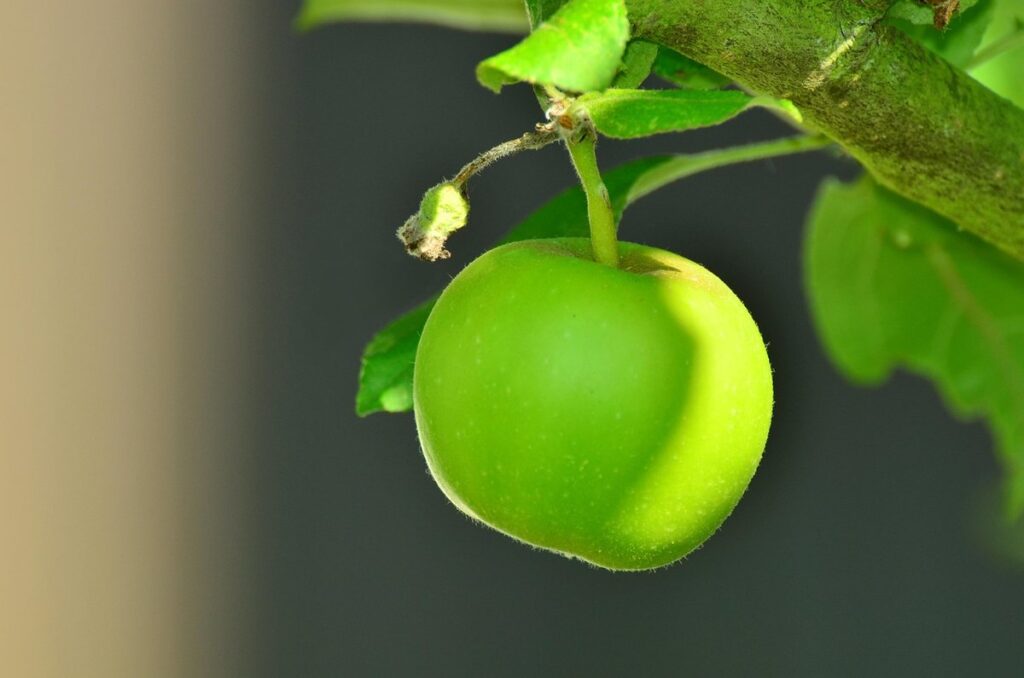
What are Small Apples?
So, you’re curious about small apples but not sure what they actually are? Well, let’s break it down: small apples come in many varieties and sizes.
Characteristics of Small Apples
Small apples have distinct characteristics that set them apart from their larger counterparts. One of the most noticeable features is their size, which typically ranges from 1 to 3 inches (2.5-7.6 cm) in diameter. This compact size makes small apples ideal for snacking and cooking, as they’re easy to handle and store.
In terms of shape, small apples are often more rounded or elliptical than larger varieties. Their skin is usually thinner, which allows for easier peeling and preparation. When it comes to weight, small apples typically range from 0.5 to 2 ounces (14-57 grams), making them a great option for adding natural sweetness to salads, yogurt parfaits, or baked goods.
The history of small apples dates back centuries, with many heirloom varieties originating in Europe and Asia. These compact fruits were often preferred by cooks and homemakers due to their ease of use and space-saving qualities. Today, you can find a wide range of small apple varieties at most farmers’ markets and specialty grocery stores.
Types of Small Apples
There are numerous varieties of small apples to explore, each with its unique characteristics and uses. One popular type is the crabapple, a hardy and adaptable fruit that thrives in harsh climates. Crabapples are often used for their ornamental value, as they produce stunning flowers and compact growth. However, some varieties like ‘Dolgo’ and ‘Red Jewel’ are also prized for their sweet-tart flavor and can be enjoyed fresh or cooked.
Another category of small apples is dessert apples, which are bred specifically for their taste and texture. Varieties like ‘Braeburn’, ‘Honeycrisp’, and ‘Granny Smith’ are renowned for their sweetness, crunchiness, and long shelf life. These apples are perfect for snacking, baking, or making preserves.
Some other notable varieties of small apples include ‘Esopus Spitzenburg’, a historic apple with a complex flavor profile; ‘Jonagold’, a cross between Jonathan and Golden Delicious; and ‘Roxbury Russet’, an heirloom variety with a rich, buttery taste. Whether you’re looking to grow your own apples or simply want to try new flavors, exploring the different types of small apples is sure to be a delightful journey.
Health Benefits of Eating Small Apples
Eating small apples has been found to provide numerous health benefits, including improved digestion and a lower risk of chronic diseases. Let’s explore these advantages in more detail.
Nutritional Value of Small Apples
Small apples are a treasure trove of nutrients, packed with vitamins, minerals, and antioxidants that can have a significant impact on our overall health. One of the standout features of small apples is their high fiber content, which makes them an excellent choice for digestive health. A medium-sized small apple contains around 4 grams of dietary fiber, making it an ideal snack to keep you regular and prevent constipation.
In addition to their fiber-rich profile, small apples are also an excellent source of antioxidants, including quercetin and catechins. These powerful compounds have been shown to have anti-inflammatory properties, which can help reduce the risk of chronic diseases such as heart disease, diabetes, and certain types of cancer. The antioxidant levels in small apples are so high that they’ve even been found to have a positive impact on cognitive function and memory.
To reap the nutritional benefits of small apples, try incorporating them into your daily diet by snacking on them raw or adding them to salads, oatmeal, or yogurt. You can also enjoy small apple juice as a refreshing beverage, but be sure to choose 100% juice without added sugars. By making small apples a regular part of your healthy eating routine, you’ll be giving your body the nutrients it needs to thrive.
Apple Cider and Other Products from Small Apples
Small apples may be smaller in size, but they’re mighty in versatility. One of their most popular uses is in making delicious apple cider and juice. The reason small apples are ideal for these products is that they have a higher water content and more acidity than larger varieties. This makes them easier to press and results in a crisper, more refreshing drink.
In fact, some of the best apple ciders in the world are made from a blend of small apple varieties like Golden Delicious, McIntosh, and Empire. These apples are carefully selected for their unique flavor profiles and textures, which come together to create a complex and balanced cider that’s perfect for sipping on its own or using as a base for cocktails.
Beyond cider and juice, small apples can also be used to make tasty jams and preserves. Try pairing them with spices like cinnamon and nutmeg for a warm and comforting spread that’s perfect for topping toast or using as a filling in cakes and pastries.
Growing and Harvesting Small Apples
Once you’ve nurtured your small apple trees, it’s time to learn how to encourage them to grow and eventually harvest those delicious fruits. Here’s how to bring your apple crop to perfection.
Choosing the Right Variety for Your Region
When it comes to growing small apples, selecting the right variety is crucial for success. The first step is to consider your region’s climate and soil type. For example, if you live in a cool and moist climate, look for varieties like ‘Redlove’ or ‘Idared’, which are bred specifically for cooler temperatures. On the other hand, if you’re in a warmer region, try ‘Anna’ or ‘Dorsett Golden’, which thrive in heat.
Next, think about your personal preferences when it comes to taste and texture. Do you prefer sweet and crunchy apples, like ‘Honeycrisp’ or ‘Fuji’? Or do you prefer tangy and tart apples, like ‘Braeburn’ or ‘Granny Smith’? Consider the flavor profile of each variety and choose one that suits your taste buds.
Lastly, consider disease resistance. If your region is prone to powdery mildew or scab, look for varieties with built-in resistance, such as ‘Enterprise’ or ‘EverCrisp’. This will save you time and effort in maintenance and treatment. By choosing the right variety for your region’s climate, soil type, and personal preferences, you’ll be well on your way to growing delicious small apples.
Tips for Successful Growth and Harvest
As you’ve successfully grown your small apple trees to the desired size and maturity, it’s time to focus on their long-term health and productivity. Proper care during this stage is crucial for a bountiful harvest. Pruning is an essential technique that helps control tree size, promote fruiting branches, and remove diseased or damaged limbs.
Prune your small apple trees annually in late winter or early spring, removing any crossing or rubbing branches that can cause damage to the bark. Cut just above a bud or lateral branch, making clean cuts with sharp pruning tools to prevent spreading disease. Water your trees regularly during hot summer months, but avoid overwatering, which can lead to root rot and other issues.
Effective pest management is also vital for maintaining healthy trees. Regularly inspect your trees for signs of pests like aphids, codling moths, or spider mites. Use organic controls whenever possible, such as introducing beneficial insects or spraying neem oil, to minimize chemical exposure. By following these care tips, you’ll set the stage for a successful growth and harvest season for your small apple trees.
Cooking with Small Apples
When working with small apples, it’s easy to overlook their potential for cooking and baking. In this next part of our guide, we’ll explore creative ways to use these tiny treats in sweet dishes.
Baking and Desserts with Small Apples
Small apples are perfect for baking and desserts due to their sweet-tart flavor and compact size. When it comes to pies, small apples work beautifully with a 2:1 ratio of sugar to apple. For example, try the classic combination of Granny Smith and Gala apples in a traditional single-crust pie.
For a twist on the classic crisp recipe, use 3-4 small apples per serving, peeled and sliced into thin wedges. The increased surface area allows for better caramelization and a crisper topping. When making cakes, such as apple spice or coffee cake, chop small apples into quarters or sixths to distribute their flavor throughout the batter.
When substituting large apples in recipes, reduce baking time by 10-15% due to the smaller size and increased surface area exposed to heat. This is particularly important for delicate baked goods like muffins or scones. By incorporating these tips, you can create delicious pies, crisps, cakes, and other desserts that showcase small apples’ unique charm.
Savory Dishes Featuring Small Apples
When it comes to savory dishes featuring small apples, the possibilities are endless. These tiny gems can add a burst of sweetness and texture to a wide range of recipes. Let’s start with salads: try pairing sliced small apples with tangy blue cheese, crunchy walnuts, and peppery arugula for a refreshing autumnal salad.
But that’s not all – small apples also shine in heartier dishes like stews and braises. Add diced apples to your favorite beef stew recipe for a depth of flavor that will leave everyone asking for seconds. The sweetness of the apples balances out the richness of the beef, creating a truly harmonious flavor profile.
You can also use small apples in place of onions or shallots in many recipes, adding a sweet and crunchy texture without overpowering the dish. Simply chop the apple into small pieces and sauté them with some olive oil and spices until they’re tender and caramelized. Experiment with different varieties like Granny Smith or Honeycrisp to find your favorite combination. With their versatility and flavor, it’s no wonder small apples are a staple in many savory cooks’ pantries!
Tips for Storing and Preserving Small Apples
When it comes to small apples, proper storage and preservation are crucial to keeping them fresh for a longer period. Here’s how you can extend their shelf life at home.
Storage Methods for Fresh Small Apples
When storing fresh small apples, it’s essential to keep them away from direct sunlight and heat sources. Apples can spoil quickly due to ethylene production, a natural ripening process that causes the fruit to age faster.
You have two primary options for storing small apples: the refrigerator or a cool, dry place like a pantry or cupboard. To store in the refrigerator, place the apples in a single layer on the middle shelf, away from strong-smelling foods that can transfer odors. Keep them at 32°F (0°C) to slow down ethylene production.
For storage outside of the fridge, select a cool spot with low humidity, such as a basement or pantry. Store apples in a breathable container, like a mesh bag or paper bag, and keep them away from direct sunlight.
Some small apple varieties can tolerate warmer temperatures than others. For example, Granny Smith apples prefer cooler conditions, while other varieties like Pink Lady can handle temperatures up to 50°F (10°C). Be mindful of the specific variety when choosing storage methods to ensure optimal freshness.
To maintain crispness, don’t wash or clean your apples before storing them. Excess moisture accelerates spoilage, so it’s better to store them dry and clean after use. Regularly check on stored apples for signs of spoilage, such as mold or soft spots. Remove any affected apples promptly to prevent the issue from spreading.
Techniques for Preserving Small Apple Cider and Juice
Preserving small apple cider and juice is a great way to enjoy these delicious products throughout the year. Canning is one of the most popular methods for preserving apple cider and juice. To can small apple cider, you will need a water bath canner, jars, lids, and rings. Start by heating the cider to 190°F (88°C) to kill off any bacteria that may be present. Then, fill clean, hot jars with the cider, leaving about 1/4 inch headspace. Process the jars in the boiling water bath for 10 minutes.
Freezing is another option for preserving apple juice. To freeze small apple juice, simply pour the cooled juice into airtight containers or freezer bags and place them in the freezer. The juice will keep for up to 8 months in the freezer. Frozen apple juice can be used in recipes such as smoothies, baked goods, and even cocktails.
It’s also worth noting that freezing will help preserve more of the nutrients found in apples compared to canning. When it comes to cider, you can also freeze it by pouring it into ice cube trays, which makes for a convenient way to add a touch of apple flavor to recipes. Always remember to label and date your containers or bags so you can easily keep track of how long they have been stored.
Conclusion: The Joy of Small Apples
As we’ve explored the unique qualities and charms of small apples, let’s summarize our journey together to appreciate their hidden joys. We’ll wrap up with a heartwarming conclusion about these tiny treasures.
Recap of Key Points
As we wrap up our exploration of the delightful world of small apples, let’s take a moment to recap the key points that make these tiny treasures so special. We’ve discovered that small apples are not just a novelty, but a versatile and nutritious addition to our diets.
These miniature fruits have a higher skin-to-flesh ratio than their larger counterparts, making them perfect for snacking, cooking, and even crafting. With over 7,500 varieties worldwide, the options for trying new flavors and textures are endless. For instance, the ‘Redlove’ apple from Europe is renowned for its deep red color and intense sweetness.
We’ve also learned about the numerous health benefits associated with small apples, including high antioxidant levels, fiber content, and a lower sugar-to-acid ratio compared to larger apples. This makes them an excellent choice for those looking to incorporate more fruits into their diet while minimizing added sugars.
One of the most significant advantages of small apples is their adaptability in various recipes. They can be used as a topping for yogurt or oatmeal, added to salads, baked into pies and crisps, or even pressed into juice. For those new to cooking with small apples, start by substituting them 1:1 with larger apple varieties in your favorite recipes.
Lastly, don’t forget about the creative ways to enjoy small apples! From making delicious sauces and preserves to using them as a natural dye for fabrics, there’s no shortage of innovative uses. To get started, try experimenting with different combinations of herbs and spices when cooking or baking with small apples – you might just stumble upon your new favorite flavor.
By embracing the unique characteristics of small apples, we can unlock a world of flavors, textures, and health benefits that will keep us coming back for more.
Frequently Asked Questions
Can I grow small apple trees in containers or do they require a lot of space?
Growing small apple trees in containers is definitely possible, but keep in mind that their root system will still need sufficient room to develop. Choose compact varieties like ‘Red Delicious’ or ‘Gala’, and use large containers (at least 24 inches deep) with well-draining soil. This way, you can enjoy a bountiful harvest on your balcony or patio.
How do I preserve the flavor and texture of small apples for longer periods?
To keep fresh small apples for several weeks, store them in a cool, dry place like a pantry or cupboard. You can also try storing them in the refrigerator to slow down spoilage. For longer preservation, consider making jams, jellies, or chutneys using your favorite recipes.
What are some unique ways to use small apples in savory dishes?
Small apples add natural sweetness and texture to a variety of savory dishes. Try pairing them with blue cheese and walnuts for a tasty salad, or use them as a topping for burgers or pork chops. You can also chop them up and add them to stuffing or roasted vegetables.
Can I use small apple cider in place of regular apple cider?
While you can definitely use small apple cider as a substitute, keep in mind that its flavor profile may be slightly different due to the smaller apples’ sweeter taste. If you’re looking for a more robust cider, blend small apple cider with other types or add spices and sweeteners to taste.
How do I know which variety of small apple tree is best suited for my climate?
When selecting a small apple tree variety, consider factors like temperature tolerance, disease resistance, and maturity date. Research local nurseries or consult with experts in your area to find the most suitable varieties for your region’s climate and soil conditions.