
Heirloom plants are more than just a nostalgic reminder of our grandparents’ gardens – they hold a rich history, cultural significance, and a key to a more sustainable future. In an age where hybrid varieties dominate commercial markets, preserving these unique and diverse plant treasures is crucial for maintaining biodiversity and promoting eco-friendly practices.
As you learn about the benefits and challenges of growing heirloom plants at home, you’ll discover how these remarkable specimens can add depth, texture, and character to your garden, while also contributing to a healthier environment. This article will delve into the world of heirloom plants, exploring their history, significance, and importance for our planet’s future. Whether you’re a seasoned gardener or just starting out, join us on this journey as we uncover the secrets of these remarkable plants and show you how to grow them at home with ease.
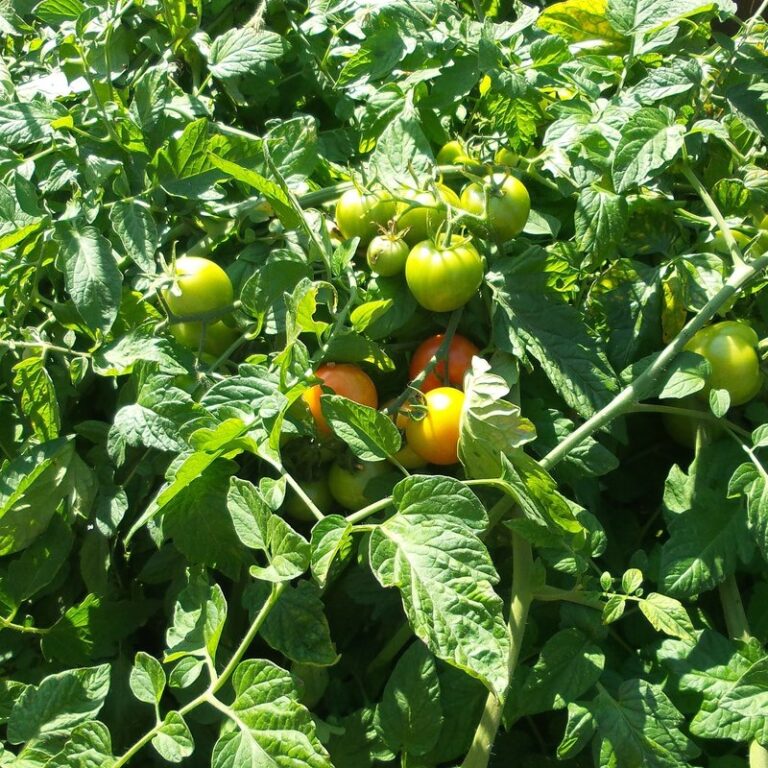
What are Heirloom Plants?
Heirloom plants are a unique and special group of plants that have been passed down through generations, each one offering its own distinct character. Let’s take a closer look at what makes them so special.
History and Significance
Heirloom plants have been a part of human culture for thousands of years, with their origins dating back to ancient civilizations. In fact, archaeologists have discovered evidence of heirloom plant cultivation in the Fertile Crescent, a region that spans modern-day Iraq, Syria, Lebanon, Jordan, Israel, and Egypt, around 10,000 years ago. These early farmers selectively bred plants for desirable traits such as flavor, texture, and color, laying the foundation for the diversity of heirloom varieties we see today.
As civilizations evolved, so did the significance of heirloom plants. In ancient Greece and Rome, for example, they were prized for their unique characteristics and used in cooking and medicine. The Romans even cultivated heirloom vegetables like cabbage and turnips to preserve for winter consumption. Fast forward to modern times, and heirloom plants continue to hold cultural and emotional value, representing family traditions, community connections, and a connection to the land.
The preservation of heirloom plant varieties is not just about nostalgia; it’s also crucial for maintaining crop diversity and ensuring food security. By saving these unique plants, we’re safeguarding our future ability to grow nutritious, flavorful crops in the face of climate change and shifting agricultural landscapes.
Characteristics and Types
Heirloom plants are like treasures from the past, holding secrets of old-world farming and culinary traditions. One of the most distinctive characteristics of heirlooms is their rarity – you won’t find them on every supermarket shelf or online nursery catalog. This scarcity is part of what makes them so valuable to gardeners and cooks.
In terms of adaptability, heirloom plants have proven themselves over centuries in diverse environments and climates. They’re often more resilient than hybrids and can thrive in a variety of conditions. For example, some heirloom tomatoes are bred specifically for cooler or warmer temperatures, making them ideal for gardens with unpredictable weather patterns.
Heirlooms also offer incredible diversity – whether you’re growing vegetables, fruits, flowers, or herbs, there’s an heirloom variety to suit your needs and tastes. Take heirloom peppers, for instance: they come in a rainbow of colors and shapes, from sweet bell peppers to fiery hot varieties. By cultivating these unique plants, you’ll not only be adding a touch of history to your garden but also gaining access to flavors and textures that are truly one-of-a-kind.
Benefits of Growing Heirloom Plants
Growing heirloom plants offers a wide range of benefits, from unique flavors and textures to stunning visual appeal that adds charm to any garden. Let’s dive into the advantages of cultivating these special varieties.
Unique Taste and Texture
When you grow heirloom plants, you’ll often notice that they have a unique taste and texture compared to commercial produce. This is because heirloom varieties are preserved through generations, allowing their distinct characteristics to be passed down. One of the most noticeable differences is the flavor profile – many heirlooms boast deeper, richer flavors than modern hybrids.
Take tomatoes as an example: heirloom tomatoes like Brandywine or Cherokee Purple have a sweeter, more complex taste that’s hard to find in store-bought tomatoes. Their flavor is often described as “old-fashioned” or “vintage,” which is exactly what you get with heirlooms. Similarly, the texture of heirloom produce can be coarser or smoother than commercial varieties.
To experience these unique qualities yourself, try growing heirloom vegetables like carrots (e.g., Danver’s Half-Long), lettuce (e.g., ‘Lolla Rosa’), and squash (e.g., ‘Crookneck’). Not only will you enjoy the flavor and texture differences, but you’ll also have the satisfaction of cultivating a piece of history on your own land.
Increased Nutrition and Health
When you bite into a juicy heirloom tomato, you’re not just experiencing the explosion of flavors on your palate – you’re also savoring the rich nutritional benefits that come with eating these natural wonders. Unlike their hybridized counterparts, heirloom plants tend to be higher in essential nutrients and antioxidants due to their open-pollination process.
Studies have shown that heirloom produce often boasts a 10-15% higher concentration of vitamins A and C, potassium, and fiber compared to conventionally grown hybrids. This is because heirlooms are allowed to grow at their own pace, absorbing the sun’s rays, water, and nutrients more freely, which results in a more robust and nutritious harvest.
As you incorporate more heirloom produce into your diet, you may start noticing improvements in digestion, energy levels, and overall well-being. Heirloom leafy greens like kale and spinach are packed with antioxidants that help protect against cell damage and inflammation, while their tomatoes are rich in lycopene, an antioxidant that’s been linked to a reduced risk of certain cancers.
To reap the benefits of heirloom nutrition, try experimenting with new recipes that feature these nutrient-dense superfoods. Substitute your regular lettuce for heirloom varieties like ‘Red Russian’ or ‘Lolla Rosa’, and swap out hybrid tomatoes for heirlooms in your favorite sauces and salads.
Challenges and Considerations
Growing heirloom plants can be a rewarding experience, but it’s not without its challenges. As you consider bringing these unique plants into your garden, several factors will need to be taken into account.
Preservation and Storage
When it comes to preserving heirloom plants, you’re not just saving seeds for future generations, but also ensuring their unique characteristics and traits aren’t lost forever. This delicate process requires attention to detail and proper storage techniques.
To store seeds, start by cleaning them thoroughly with a dry brush or cloth to remove any debris. Then, place them in an airtight container, such as a glass jar or envelope, with a small amount of silica gel to maintain humidity levels. Store the container in a cool, dark place like a cupboard or drawer. For example, many gardeners store their seeds in a basement or attic where temperatures are consistent.
Bulbs, on the other hand, can be stored in a dry, well-ventilated area with moderate temperatures between 40°F to 50°F (4°C to 10°C). You can also store them in paper bags or breathable containers like mesh bags. When storing cuttings, you’ll want to keep them moist but not waterlogged. Wrap the cut ends in a damp cloth and place them in a sealed container with some moisture-retentive material like peat moss.
Remember, proper storage is key to maintaining seed viability. Aim to store your seeds for 5-10 years or longer if possible. With these simple steps and the right materials, you’ll be able to preserve your heirloom plants for generations to come.
Climate and Soil Adaptability
When selecting heirloom plants for your garden, it’s essential to consider their climate and soil adaptability. Not all varieties will thrive in every condition, so choosing the right ones is crucial.
Heirlooms have been grown in diverse environments over centuries, but they still require specific conditions to flourish. For example, some heirloom tomatoes are bred for the hot summers of the Mediterranean region, while others are suited for the cooler climates of Northern Europe.
Before planting, research the specific needs of your chosen heirloom varieties. Check if they prefer full sun or partial shade, and whether they’re adapted to drought-tolerant conditions or require regular watering. Some heirlooms, such as ‘Brandywine’ tomatoes and ‘Cherokee Purple’, are particularly sensitive to extreme temperatures.
If you live in an area with poor soil quality, look for varieties that are tolerant of soil pH fluctuations. Certain heirloom plants, like ‘Rainbow Lights’ chard and ‘Red Russian’ kale, can thrive in nutrient-poor conditions.
Growing Heirloom Plants at Home
To grow heirloom plants at home, you’ll need a suitable location with plenty of sunlight and well-draining soil that’s rich in organic matter. Choose varieties that thrive in your climate for success.
Choosing the Right Varieties
When it comes to choosing the right heirloom varieties for your garden, there are several factors to consider. First and foremost, think about the space you have available. Heirloom plants can be compact, but some require a lot of room to grow, so make sure you choose ones that fit within your garden’s layout.
Consider the amount of light each plant needs. Some heirlooms thrive in full sun, while others prefer partial shade or even complete shade. Knowing this will help you select varieties that will get the right amount of sunlight to produce their best results. For example, tomatoes and peppers love full sun, but lettuce and herbs can tolerate more shade.
Another important factor is maintenance requirements. Some heirlooms are relatively low-maintenance, while others need regular pruning or staking to stay upright. Choose plants that fit within your level of gardening expertise and time commitment. A good rule of thumb is to start with easier-to-grow varieties like tomatoes and zucchini, then move on to more challenging ones like eggplants and okra.
Ultimately, the key to choosing the right heirloom varieties is to consider your garden’s specific conditions and your own needs and preferences. By doing so, you’ll be able to select plants that will bring out their full charm and benefits in your home garden.
Tips for Successful Growth
When growing heirloom plants at home, it’s essential to understand their unique requirements for successful growth. Start by preparing a well-draining soil mix specifically tailored for heirlooms. This often means adding compost and perlite to improve drainage and structure.
Watering is another critical aspect of heirloom plant care. These plants prefer consistent moisture levels, especially when producing fruit or blooms. Water deeply but avoid overwatering, which can lead to root rot and other problems. A good rule of thumb is to water when the top inch of soil feels dry to the touch.
Pruning also plays a significant role in promoting healthy growth and encouraging heirloom plants to produce more fruit. Remove any weak or spindly growth, as well as any dead or damaged leaves. This will help direct energy towards producing larger, healthier blooms.
Pest management is another important consideration when growing heirlooms at home. Use physical barriers or neem oil to deter pests like aphids and whiteflies, which can be particularly damaging to these delicate plants.
Regularly inspect your plants for signs of stress or pest infestation, and take action promptly if you notice any issues. By following these tips and being attentive to the specific needs of your heirloom plants, you’ll be well on your way to enjoying a bountiful harvest at home.
Heirloom Plants in Modern Agriculture
Heirloom plants are often overlooked in modern agriculture, but they can offer a wealth of benefits for farmers and gardeners alike. Let’s explore how to incorporate these unique varieties into your growing operation.
Reviving Lost Varieties
Reviving Lost Varieties is an essential part of preserving heirloom plants for future generations. Many varieties have been lost due to the shift towards industrial agriculture and its focus on hybridization. Hybrid seeds are bred for specific characteristics, such as disease resistance or increased yields, but they often lack the unique flavor, texture, and nutritional profile that makes heirlooms so special.
Efforts are underway to revive these forgotten varieties through seed banks, community-led initiatives, and innovative breeding programs. For example, the Svalbard Global Seed Vault in Norway stores seeds from over 850,000 crop varieties, including many heirloom types. Community gardens and urban farms are also playing a crucial role in preserving and promoting heirloom varieties.
You can help revitalize lost heirlooms by joining or starting your own seed library or community garden. This involves collecting and saving seeds from heirloom plants, and then sharing them with others to promote their cultivation. Start by researching local organizations and initiatives that focus on heirloom preservation, and consider attending workshops or events to learn more about the process.
By working together, we can ensure that these unique and valuable plant varieties continue to thrive for generations to come.
The Role of Farmers’ Markets and Community Support
Farmers’ markets, community-supported agriculture (CSA) programs, and online marketplaces have become crucial platforms for promoting heirloom cultivation and consumption. These outlets not only provide an opportunity for farmers to connect with consumers but also help preserve heirloom varieties by increasing their demand.
When you visit a farmers’ market or join a CSA program, you’re directly supporting local growers who cultivate unique and often rare heirloom varieties. This type of support encourages farmers to continue growing these plants, which might not be viable in large-scale commercial production. By choosing heirlooms at the market or through your CSA, you’re also contributing to the preservation of genetic diversity.
Some online platforms even specialize in connecting consumers with local farmers who grow a wide range of heirloom varieties. These websites often provide detailed information about the produce, including its origin and cultivation methods. To get involved, start by searching for local farmers’ markets or CSAs in your area and ask questions about their offerings. You can also explore online marketplaces that feature heirloom growers and producers.
Conclusion
Now that you’ve learned all about the joys of heirloom plants, let’s summarize what makes them so special and how they can add value to your garden.
Embracing the Past for a Sustainable Future
As we come to the end of our exploration of heirloom plants, it’s clear that these unique and fascinating varieties have a lot to offer. Not only do they bring a touch of nostalgia and charm to our gardens and plates, but they also hold significant benefits for our environment and cultural heritage.
Growing heirloom plants is an investment in the future of sustainable agriculture. By choosing these varieties, we’re supporting biodiversity and contributing to the preservation of genetic diversity within plant species. This is particularly important in a world where monoculture farming practices have led to soil degradation, reduced crop yields, and increased reliance on pesticides. Heirloom plants, on the other hand, are often naturally resistant to pests and diseases, reducing the need for external inputs.
In addition to their ecological benefits, heirloom plants also play a vital role in preserving cultural heritage. Many of these varieties have been passed down through generations, carrying with them stories, traditions, and histories that might otherwise be lost. By growing and sharing these plants, we’re not only keeping alive the memories of our ancestors but also fostering a sense of community and connection to the land.
So how can you get started with incorporating heirloom plants into your garden? Begin by researching varieties that are suitable for your climate and soil type. Look for seeds from reputable sources or consider saving seeds from your own harvest. With a little patience and care, you’ll be enjoying the unique flavors and characteristics of these special plants in no time.
Frequently Asked Questions
Can I grow heirloom plants indoors, even if I don’t have a garden outdoors?
Yes, you can definitely grow heirloom plants indoors, provided you give them the right conditions. Most heirloom varieties prefer bright, indirect light and well-draining soil. Start with a small pot or container and choose compact or dwarf varieties that are specifically bred for indoor growing.
How do I preserve heirloom seeds to ensure their continued availability?
To preserve heirloom seeds, store them in an airtight container in a cool, dry place. You can also consider freezing them to extend their shelf life. Another option is to save seeds from your own harvest and replant them the following season. This will help maintain genetic diversity and ensure the seeds remain viable.
Are heirloom plants more susceptible to pests and diseases than hybrid varieties?
No, heirloom plants are not inherently more prone to pests and diseases. In fact, their unique characteristics often make them less appealing to common garden pests. However, it’s essential to keep in mind that each variety may have its own specific needs and vulnerabilities.
Can I use modern fertilizers on my heirloom plants without affecting their genetic integrity?
While some heirloom varieties can tolerate modern fertilizers, others may be more sensitive due to their unique genetic makeup. To maintain the integrity of your plants, consider using organic or natural fertilizers that are specifically formulated for heirloom gardens.
How do I know which heirloom plant varieties are best suited for my local climate and soil type?
To choose the right heirloom varieties for your specific region, research the hardiness zones, temperature tolerances, and soil requirements for each variety. You can also consult with local gardening experts or check with nurseries that specialize in heirloom plants to find suitable options for your area.