
Are you ready to add a pop of color and personality to your space? Purple leaf plants are a game-changer for anyone looking to bring some visual interest to their home or office. Not only do these stunning plants come in a variety of vibrant shades, but they’re also relatively low-maintenance and easy to care for – making them perfect for busy people or those new to plant parenthood.
In this article, we’ll dive into the world of purple leaf plants, covering everything from popular varieties like Wandering Jew to creative decor ideas. You’ll learn how to grow and care for these beautiful plants, as well as tips on how to incorporate them into your home or office space. Whether you’re a seasoned plant enthusiast or just starting out, we’ve got you covered – so let’s get started on this colorful journey!
Introduction to Purple Leaf Plants
Welcome to our journey into the wonderful world of purple leaf plants! In this section, we’ll start by exploring what makes these stunning plants so unique and fascinating.
What are Purple Leaf Plants?
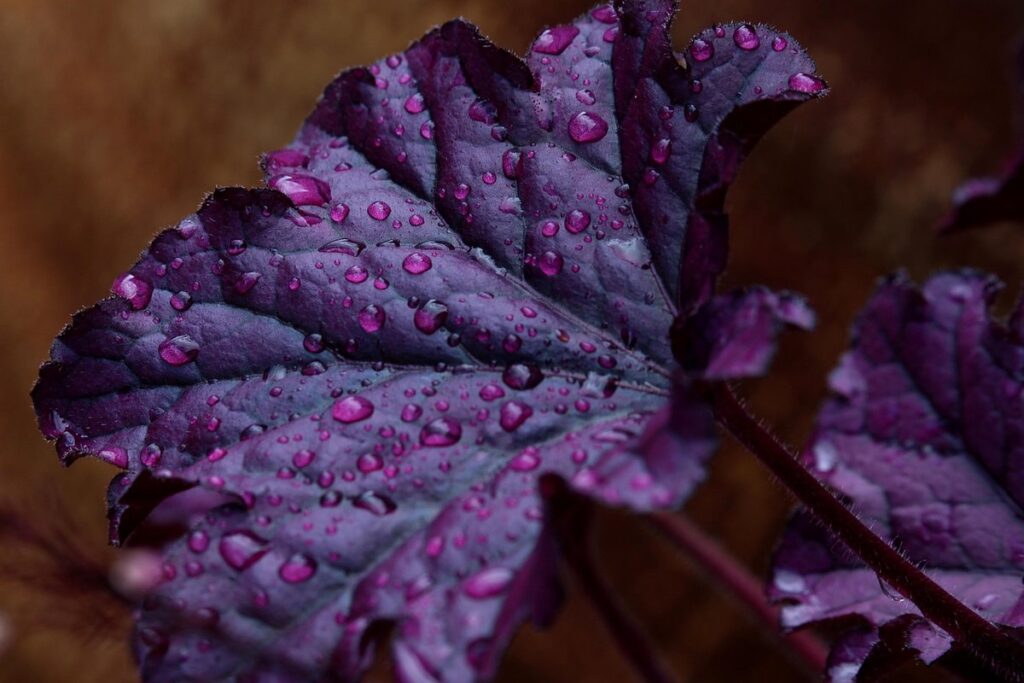
Purple leaf plants are a unique and fascinating group of houseplants that have captured the hearts of many plant enthusiasts. What sets them apart is their striking characteristic: leaves with a deep purple color. This vibrant hue can range from a light lavender to a rich, plum-like tone, depending on the specific variety.
But what exactly causes this remarkable coloration? It’s not just a matter of pigment – purple leaf plants have adapted over time to develop specialized pigments that give them their distinctive look. Some species produce more anthocyanins, which are responsible for the red and purple colors in many fruits and vegetables. Others have higher levels of betalains, which are responsible for the deep reds and purples found in beets.
As a result, purple leaf plants offer a dramatic contrast to other houseplants with green or variegated leaves. They can add a pop of color and sophistication to any room, making them perfect for plant enthusiasts who want to add some personality to their space.
Benefits of Having Purple Leaf Plants
Having purple leaf plants in your home or office can bring numerous benefits that extend beyond their striking appearance. One of the most significant advantages is air purification. These plants are known to remove pollutants and toxins from the air, improving indoor air quality and creating a healthier environment for you to breathe.
Moreover, purple leaf plants have been shown to reduce stress levels and promote relaxation. Studies have found that being around nature, even in a small way through having plants indoors, can lower cortisol levels and boost mood. For example, a study published in the Journal of Environmental Psychology discovered that workers who had plants on their desks experienced reduced stress and improved cognitive function.
In addition to their functional benefits, purple leaf plants are also a beautiful addition to any space. Their unique foliage adds a pop of color and can help tie together your decor. With proper care, these plants can thrive in a variety of settings, making them an excellent choice for anyone looking to enhance their indoor environment.
Types of Purple Leaf Plants
Now that you know a bit about what purple leaf plants are and where to find them, let’s explore some of the many types of purple-leafed plants out there. From foliage to flowers, we’ve got you covered!
1. Wandering Jew (Tradescantia Fluminensis)
The Wandering Jew (Tradescantia Fluminensis) is a popular choice among plant enthusiasts due to its vibrant purple foliage and ease of care. This trailing plant features delicate, inch-long leaves with a deep purple hue that adds a pop of color to any room.
To thrive, the Wandering Jew requires bright indirect light, making it an ideal candidate for indoor spaces. Watering should be done carefully, as this plant is prone to root rot in overwatered conditions. Allow the top 1-2 inches of soil to dry out between waterings, and fertilize sparingly during the growing season.
Propagation is a breeze with the Wandering Jew, as stem cuttings can be easily rooted in water or a propagation medium. Simply snip off a healthy section of stem, remove lower leaves, and plant it in well-draining soil. Within 1-2 weeks, roots will develop, and new growth will emerge. With its adaptable nature and low-maintenance requirements, the Wandering Jew is an excellent choice for both beginners and experienced gardeners looking to add some purple flair to their space.
2. Purple Passion Plant (Gynura aurantiaca)
The Purple Passion Plant (Gynura aurantiaca) is a lesser-known gem that deserves more attention. Native to Southeast Asia, this plant boasts some of the most striking purple foliage you’ll ever see. Its unique features make it an excellent choice for those looking to add a pop of color to their indoor space.
One of the standout characteristics of the Purple Passion Plant is its hairy, velvety leaves that are covered in tiny hairs, giving them a soft, fuzzy appearance. The leaves themselves range from deep purple to reddish-brown and can grow up to 12 inches long. When exposed to bright light, the plant develops vibrant purple spots on its leaves.
To keep your Purple Passion Plant happy, provide it with well-draining soil and moderate watering. Avoid overwatering, as this can lead to root rot. Place the plant in a spot with bright, indirect light – direct sunlight can scorch the delicate leaves. With proper care, the Purple Passion Plant can thrive indoors, making it an excellent choice for those who want to bring a touch of tropical charm into their home.
Care and Maintenance
To keep your purple leaf plants thriving, regular care and maintenance is essential. This includes tasks like pruning, watering, and fertilizing to ensure their continued health and beauty.
Lighting Requirements
When it comes to providing the right lighting conditions for purple leaf plants, it’s essential to understand their specific needs. Most varieties of purple-leafed plants prefer bright, indirect light to maintain their vibrant colors and prevent scorching of the leaves.
In general, direct sunlight can be too intense for these plants, leading to fading or discoloration of the foliage. If you’re placing your plant in a sunny windowsill, consider using sheer curtains or blinds to filter the sun’s rays. East- or west-facing windows are ideal for purple leaf plants as they receive gentle, indirect light.
For plants that don’t receive sufficient natural light, supplemental lighting can be used. LED grow lights are an excellent option, providing the necessary spectrum and intensity without generating excessive heat. When using artificial lighting, ensure you’re not overexposing your plant to more than 12-14 hours of light per day.
In low-light environments, such as basements or offices with limited windows, some purple leaf plants can still thrive. However, it’s crucial to choose varieties that are specifically adapted to low-light conditions and adjust watering schedules accordingly to prevent root rot.
Watering Tips
When it comes to caring for purple leaf plants, watering is one of the most critical aspects. Overwatering can be detrimental to these beautiful plants, while underwatering may cause them to wilt and lose their vibrant color.
To determine the right frequency for watering your purple leaf plant, check the soil moisture by sticking your finger into the soil up to the first knuckle. If the soil feels dry, it’s time to water. As a general rule, water your plant when the top 1-2 inches of soil is dry. This can be once or twice a week, depending on the humidity and temperature in your home.
Be cautious not to overwater, as this will cause the roots to rot and lead to yellowing leaves. Signs of overwatering include soft, mushy stems, and a foul odor emanating from the soil. Conversely, if you notice that the leaves are wilted or droopy, it may be a sign that your plant needs more water.
To avoid these issues altogether, make sure the pot has good drainage holes to prevent waterlogged soil. Water at room temperature, rather than cold tap water, which can shock the roots. By following these simple watering tips, you’ll be able to keep your purple leaf plant happy and thriving.
Common Issues and Solutions
When growing purple leaf plants, you may encounter some common issues that can be frustrating to deal with. Don’t worry, we’ll walk you through some of these problems and their easy solutions here.
Pests and Diseases
When it comes to purple leaf plants, they’re just as susceptible to pests and diseases as any other plant. In fact, their unique foliage can even make them more appealing to certain insects and fungi.
Some common pests that target purple leaf plants are spider mites and mealybugs. These tiny critters feed on the sap of the leaves, causing white or yellowish patches to form. To prevent infestations, keep your plant in a well-ventilated area with moderate temperatures between 65-75°F (18-24°C). Regularly inspect your plant for signs of pests and treat promptly if you notice any.
Diseases like root rot and leaf spot can also affect purple leaf plants. Root rot occurs when the roots are overwatered, causing them to decay and leading to a range of symptoms including yellowing leaves and soft stems. To prevent this, make sure your plant has good drainage holes in its pot and avoid watering too frequently.
If you notice any signs of root rot or leaf spot, remove affected areas with sterile scissors or pruning shears. Dispose of the removed tissue and treat your plant with a fungicide according to the manufacturer’s instructions. Keep in mind that prevention is key – regular watering, fertilization, and repotting can all help keep your purple leaf plant healthy and pest/disease-free.
Nutrient Deficiencies
Nutrient deficiencies can be a common issue for purple leaf plants, affecting their overall health and appearance. As a plant owner, it’s essential to recognize the symptoms and causes of these deficiencies to provide your plant with the necessary care.
A lack of nitrogen is one of the most common nutrient deficiencies in purple leaf plants. Symptoms include yellowing or pale leaves, stunted growth, and reduced leaf size. Nitrogen-deficient plants may also develop a weakened immune system, making them more susceptible to pests and diseases. To address this issue, fertilize your plant with a balanced nitrogen-rich fertilizer during the growing season.
Iron deficiency is another common problem in purple leaf plants, particularly those grown in acidic soils. Yellowing leaves with green veins or a general yellowing of the entire leaf can be indicative of iron deficiency. Magnesium deficiency, on the other hand, may cause curled or distorted leaves and stunted growth. Regular soil testing and providing your plant with a balanced fertilizer will help prevent these deficiencies.
Propagation and Repotting
To keep your purple leaf plant thriving, you’ll need to learn how to propagate new plants from cuttings and repot them as they outgrow their containers. We’ll walk you through these essential steps together.
Propagation Methods
When it comes to propagating purple leaf plants, you have several options to choose from. One of the most popular methods is using stem cuttings. This involves taking a section of stem from a mature plant, removing lower leaves, and planting it in a pot filled with well-draining soil. Keep the soil consistently moist but not waterlogged, and within 2-3 weeks, you should see roots developing.
Another method is leaf cuttings, which work particularly well for plants like Purple Passionflower or Purple Wandering Jew. Simply twist off a healthy leaf from the mother plant, allow it to dry out for a day or two, and then place it in a glass of water. Roots will develop within 1-2 weeks, at which point you can transfer the cutting to soil.
Division is also an effective method for propagating purple leaf plants that have become pot-bound. This involves gently separating the roots and replanting the sections in individual pots filled with fresh soil. Seed starting is a more time-consuming but rewarding option, allowing you to grow new plants from seed.
Repotting Guidelines
When to Repot Purple Leaf Plants?
Purple leaf plants typically need to be repotted every 6-12 months as they outgrow their containers. However, the exact frequency depends on factors like the plant’s species, age, and growth rate. For example, a young and fast-growing plant like Wandering Jew (Tradescantia fluminensis) may require more frequent repotting, while a mature and slower-growing plant like Purple Heart (Plectranthus australis) can go longer between repottings.
Choosing the right potting mix is also crucial for successful repotting. Look for a well-draining mix specifically designed for tropical plants or those with similar requirements to purple leaf plants. A good mix should retain moisture but prevent waterlogged soil, which can be detrimental to these plants.
Before repotting, prepare your plant by gently removing it from its container and inspecting the roots. Trim any dead or circling roots to encourage healthy growth in the new pot. Then, place the plant in a slightly larger pot with fresh potting mix, making sure not to pack the soil too tightly around the roots.
Some essential tips for repotting purple leaf plants include:
* Handling the roots with care to avoid damaging them
* Watering sparingly after repotting to prevent waterlogged soil
* Providing sufficient light and nutrients to support healthy growth
* Monitoring your plant’s response to the new potting mix and making adjustments as needed
Popular Uses for Purple Leaf Plants
One of the most exciting things about purple leaf plants is their versatility, and today we’ll explore some popular uses that will inspire you to get creative! Whether it’s indoors or outdoors, there are countless ways to incorporate these stunning plants into your life.
Indoor Decor
When it comes to adding a pop of color and personality to your indoor space, purple leaf plants are an excellent choice. But why settle for just placing them on a shelf or table when you can get creative with their placement? Consider using hanging baskets as a unique way to display your purple leaf plants.
By suspending the plant from the ceiling or a hook, you create a visually appealing focal point that adds depth and interest to the room. Plus, it’s a great space-saving solution for small areas like apartments or lofts. To take it up a notch, try combining multiple hanging baskets in different sizes and shapes to create a stunning display.
Terrariums are another innovative way to showcase purple leaf plants indoors. These self-sustaining glass containers provide a miniature ecosystem where the plant can thrive. By placing the terrarium on a side table or shelf, you’ll not only add some greenery but also create a fascinating conversation piece that draws attention to itself.
Outdoor Landscaping
When it comes to outdoor landscaping, purple leaf plants are a game-changer. Not only do they add a pop of color to your garden, but they can also serve as a focal point and provide much-needed shade. One popular use for purple leaf plants is as a statement piece in a garden bed or border. For example, you could plant a row of deep purple-leafed shrubs like ‘Purple Fountain’ grass or ‘Midnight Blue’ salvia to create a dramatic effect.
Another benefit of purple leaf plants is their ability to provide shade without the need for traditional foliage. In warm climates, these plants can help filter intense sunlight and create a cooler microclimate in your garden. Consider using purple-leafed trees like the ‘Royal Purple’ smoke tree or ‘Purple Fountain’ weeping willow to add some dappled shade to your outdoor space.
To incorporate purple leaf plants into your landscaping design, start by choosing varieties that thrive in your local climate and soil type. Then, consider their mature size and shape to ensure they fit well with the rest of your garden’s layout. With a little planning and creativity, you can use purple leaf plants to create a stunning outdoor space that showcases their unique beauty.
Conclusion and Final Tips
Now that you’ve learned everything there is to know about purple leaf plants, it’s time to put your new knowledge into practice. Let’s recap our top tips for incorporating these stunning plants into your garden.
Recap of Key Takeaways
In conclusion, we’ve covered a wide range of topics related to purple leaf plants. To recap, these stunning plants require bright, indirect light and well-draining soil to thrive. They prefer temperatures between 65-75°F (18-24°C) and should be watered carefully, as overwatering is a common issue.
When it comes to common issues, we’ve discussed how purple leaf plants are susceptible to pests like spider mites and mealybugs. Regular inspections and prompt action can help prevent infestations. Additionally, these plants are sensitive to extreme temperatures and humidity levels, making them ideal for indoor spaces with controlled environments.
As for popular uses, purple leaf plants have become a favorite among interior designers and home decor enthusiasts due to their striking foliage. They can be used as statement pieces in rooms or grouped together to create a visually appealing display. With proper care, these plants can add a pop of color and vibrancy to any space, making them a great addition to your indoor garden or collection.
Encouragement to Experiment and Explore
As you’ve now acquired a good understanding of the different types and benefits of purple leaf plants, we encourage you to experiment with new varieties and explore creative ways to incorporate them into your daily life. Don’t be afraid to venture out and try something new – after all, that’s where some of the most exciting discoveries are made!
Consider adding a statement about what drew you to purple leaf plants in the first place – whether it was their striking color, unique texture or medicinal properties. Reflecting on why these plants resonate with you will help you connect with them on a deeper level and encourage more intentional use.
Explore new ways to incorporate your favorite purple leaf plant into your home decor. For instance, add some foliage to a terrarium for an elegant centerpiece or hang baskets from the ceiling for a whimsical touch. Think beyond traditional vase displays – there are endless possibilities waiting to be discovered!
You might also consider experimenting with different propagation techniques or even cultivating your own new varieties through selective breeding. Not only is this process incredibly fulfilling, but it will also allow you to develop a deeper understanding of and appreciation for these incredible plants.
The journey of exploration is what truly brings out the magic in purple leaf plants – don’t be afraid to get creative and have fun!
Frequently Asked Questions
Can I propagate purple leaf plants from stem cuttings, or is it best to use leaves?
Yes, many purple leaf plant varieties can be successfully propagated using stem cuttings. In fact, this method allows you to create new plants with the same desirable characteristics as your parent plant. Simply take 2-3 inch stem sections, remove lower leaves, and pot them in a well-draining mix. Keep the soil moist and provide bright, indirect light for optimal results.
What’s the best way to prevent pests from attacking my purple leaf plants?
To minimize the risk of pest infestations, ensure good air circulation around your plants by keeping them at least 6-8 inches away from each other and any walls. Regularly inspect your plants for signs of pests like spider mites, mealybugs, or scale. Use neem oil or insecticidal soap to treat any issues promptly.
Can purple leaf plants tolerate direct sunlight, or do they require filtered light?
While some purple leaf plant varieties can handle direct sunlight, most prefer bright, indirect light to prevent scorching of their delicate leaves. If you’re placing your plant in a sunny spot, consider using a sheer curtain or shade cloth to filter the intense rays.
How often should I fertilize my purple passion plants, and what type of fertilizer is best?
Purple passion plants benefit from regular feeding during the growing season (spring-fall). Use a balanced, water-soluble fertilizer (20-20-20) at half the recommended strength. Dilute the fertilizer to avoid burning your plant’s roots, and feed them once a month.
Can I grow purple leaf plants outdoors in my region, or are they strictly indoor plants?
Some purple leaf plant varieties can thrive in outdoor conditions with proper protection from extreme temperatures and frost. Check the specific hardiness zone for your area and choose varieties that are suitable for your climate. Provide a shaded location during peak summer sun to prevent scorching of leaves.