
Are you fascinated by the beauty and versatility of mimosa flowers? These delicate, pink blooms have been captivating gardeners and flower enthusiasts for centuries with their unique charm. But there’s more to mimosa flowers than meets the eye. They’re not only a stunning addition to any bouquet or arrangement but also hold significant symbolic meaning in various cultures. Moreover, they’ve been prized for their medicinal properties and used in traditional remedies for generations. In this comprehensive guide, we’ll delve into the fascinating world of mimosa flowers, covering their cultivation, care, and uses, as well as exploring their symbolism and health benefits. Whether you’re a seasoned gardener or simply looking to learn more about these enigmatic blooms, keep reading to discover the many wonders of mimosa flowers.
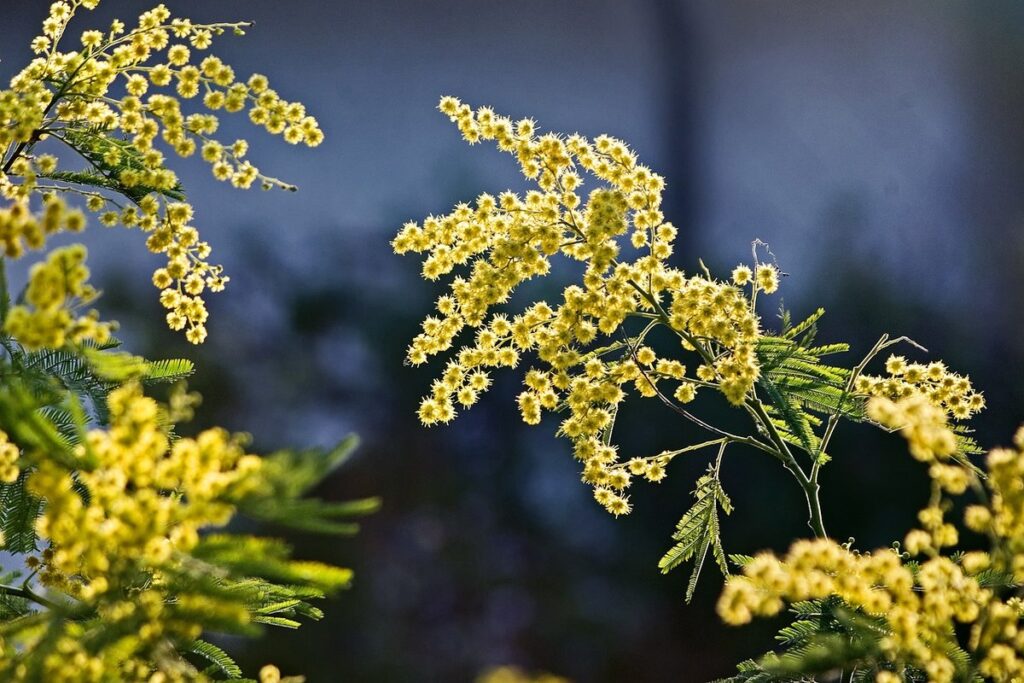
What are Mimosa Flowers?
Let’s start with the basics: what exactly is a mimosa flower, and how does it get its beautiful, delicate appearance. In this next part of our guide, we’ll explore the origins of the mimosa.
Botanical Classification
Mimosa flowers are part of the Fabaceae family, which includes a vast array of flowering plants commonly known as legumes. This family is renowned for its intricate relationships with nitrogen-fixing bacteria, allowing mimosa trees to thrive in various environments. The delicate appearance of mimosa flowers is due in part to their unique structure.
Each petal on a mimosa flower is shaped like a tiny leaf and has a distinctive shape, creating a lacy effect when viewed from afar. This distinct design allows the plant to attract pollinators efficiently, such as bees and butterflies. By mimicking leaves rather than petals, mimosa flowers are able to reduce their water usage significantly and conserve energy.
The combination of an adaptable root system and efficient watering mechanism has enabled mimosa trees to become one of the most widely distributed flowering plants globally. Despite their widespread presence, these plants remain a popular choice among gardeners due to their versatility and low maintenance requirements.
Origin and Distribution
Mimosa flowers are native to warm, subtropical regions around the world. Their original habitats range from the Mediterranean coastal areas of southern Europe and North Africa to parts of Asia, including China, Japan, and India. These delicate plants have also been successfully introduced to various tropical and temperate zones in Central and South America, as well as Australia and the United States.
One of the key characteristics that enable mimosa flowers to thrive in diverse environments is their adaptability. They can grow in a wide range of soils and tolerate varying levels of humidity and temperature fluctuations. In fact, some species are drought-tolerant, making them suitable for areas with limited water supply. This flexibility also allows them to be cultivated in containers or gardens, adding a touch of elegance and serenity to urban spaces.
In terms of geographical distribution, mimosa flowers can be found growing wild in their native habitats, as well as being widely cultivated in parks, gardens, and landscapes worldwide. Whether you’re exploring the lush vegetation of tropical forests or strolling through a well-manicured garden, these stunning flowers are sure to captivate your senses with their vibrant colors and ethereal beauty.
Common Types of Mimosa Flowers
When it comes to mimosa flowers, you’ll find that they come in a variety of species, each with its own unique characteristics and charm. Let’s take a closer look at some of the most popular types of mimosa flowers.
One such variety is the Japanese mimosa (Mimosa aculeata), which is known for its delicate pink or white blooms that resemble powder puffs. This plant is native to Japan and Korea, but it has been naturalized in many other parts of the world due to its beauty and hardiness. The Japanese mimosa prefers well-drained soil and full sun to partial shade, making it a popular choice for gardeners who want to add some tropical flair to their landscapes.
Another type of mimosa flower is the pink-flowered mimosa (Mimosa strigillosa), which boasts vibrant pink blooms with yellow centers. This plant is native to the southern United States and is often found growing in woodland edges and along streams. The pink-flowered mimosa prefers moist, fertile soil and partial shade to full sun.
Both of these varieties are relatively low-maintenance and can thrive in a variety of environments, making them great choices for gardeners of all skill levels.
Identifying and Growing Mimosa Flowers
To grow these gorgeous blooms, you’ll want to learn how to identify a healthy mimosa plant and provide it with the right conditions for optimal growth. This means knowing what to look for in terms of soil, sunlight, and watering needs.
Planting Conditions
When it comes to planting mimosa flowers, choosing the right location is crucial for their survival and blooming success. Mimosas prefer well-drained soil with a slightly acidic pH, between 6.0 and 7.0. They thrive in full sun to partial shade, so select a spot that receives at least four hours of direct sunlight daily.
To replicate mimosa flowers’ natural habitat, plant them in areas with moderate temperatures between 65°F (18°C) and 75°F (24°C). Avoid planting in low-lying areas where water tends to collect, as this can lead to root rot. In regions with extreme heat or cold, provide some protection from frost by mulching around the base of the plant.
If you’re new to growing mimosa flowers, consider starting them indoors in pots until they reach a height of 6-8 inches (15-20 cm). This will allow for easier transportation and handling when transplanting into your garden. Once established, space each plant about 10-15 feet apart to promote healthy growth and prevent overcrowding.
When selecting the right soil type, aim for a mix with good drainage properties. Avoid using heavy clay or poorly draining soils that can cause waterlogged conditions. You can also amend existing soil with organic matter like compost or well-rotted manure to improve its quality. By providing mimosa flowers with an optimal environment, you’ll be rewarded with vibrant blooms and a thriving plant.
Watering and Fertilization Requirements
When it comes to growing mimosa flowers, understanding their watering and fertilization needs is crucial for optimal growth. Mimosa plants prefer well-draining soil that’s rich in nutrients, so they require regular fertilization throughout the growing season.
As a general rule of thumb, water your mimosa plant when the top 1-2 inches of soil feel dry to the touch. However, avoid overwatering, which can lead to root rot and other issues. Aim for about 1 inch of water per week, either from rain or irrigation.
In terms of fertilization, a balanced fertilizer (10-10-10) applied every 4-6 weeks is ideal. You can also use a fertilizer specifically formulated for acid-loving plants like mimosa. During the blooming season, you may need to fertilize more frequently to promote healthy flower growth.
Keep in mind that mimosa plants are sensitive to excessive nitrogen, which can cause weak and leggy growth. To avoid this, stick to balanced or low-nitrogen fertilizers, and always follow the recommended application rates on the product label.
Common Pests and Diseases Affecting Mimosa Flowers
Mimosa flowers are susceptible to various pests and diseases that can affect their beauty and longevity. One common pest is the aphid, which feeds on the plant’s sap and can transmit plant viruses. To prevent aphid infestations, it’s essential to maintain good garden hygiene, remove weeds, and inspect your plants regularly. You can also use neem oil or insecticidal soap to control aphid populations.
Root rot is another common disease affecting mimosa flowers, often caused by overwatering or waterlogged soil. To prevent root rot, ensure that the plant drains well and avoid watering the leaves. If you notice yellowing leaves or a soft, mushy stem, it may be a sign of root rot. Treat affected plants with fungicides or repot them in fresh, well-draining potting mix.
Other potential threats include spider mites, mealybugs, and powdery mildew. Regularly inspect your plants for signs of pests or diseases, and take prompt action to prevent their spread. By staying vigilant and taking preventative measures, you can enjoy healthy and thriving mimosa flowers in your garden.
Symbolism, Meaning, and Cultural Significance
Mimosa flowers hold a rich symbolism that transcends their breathtaking beauty, carrying deep meanings in various cultures around the world. Let’s dive into what they represent.
Mimosa as a Valentine’s Day Tradition
Gifting mimosa flowers on Valentine’s Day has become an increasingly popular tradition, with roots dating back to 19th-century Europe. In France, where the mimosa tree is native, it’s a symbol of love and friendship. During the Victorian era, bouquets containing mimosa were exchanged as a way to express admiration and affection.
In some Asian cultures, mimosa flowers are believed to bring good luck in relationships, making them an ideal gift for Valentine’s Day. The Japanese, in particular, hold the mimosa in high esteem, considering it a symbol of devotion and loyalty. As a result, many couples opt for mimosa bouquets or arrangements as a meaningful way to celebrate their love.
If you’re looking to incorporate mimosa flowers into your own Valentine’s Day celebrations, consider pairing them with other romantic blooms like roses or peonies. You could also opt for a more unique arrangement featuring a variety of seasonal flowers in shades of pink and yellow – the signature colors of the mimosa bloom.
Other Symbolic Meanings of Mimosa Flowers
In addition to their association with love and romance, mimosa flowers have also become synonymous with spring renewal. As one of the first flowers to bloom in late winter or early spring, they signal the end of cold weather and the beginning of warmer days. This makes them a popular choice for bouquets and arrangements designed to welcome the new season.
Mimosa flowers are also often used as a symbol of friendship, particularly between women. In Japan, for example, mimosa trees are planted in memory of loved ones who have passed away, serving as a reminder of their enduring connection. Similarly, in many Western cultures, mimosa flowers are exchanged as gifts to celebrate the bond of friendship.
To incorporate the symbolism of spring renewal and friendship into your own life, consider gifting mimosa flowers to a friend or loved one during the spring season. You could also use them to decorate your home or office space to usher in the new year. Whatever you choose, remember that mimosa flowers carry more meaning than just their delicate beauty – they represent hope, renewal, and connection with others.
Cultural Significance Across Different Countries
Mimosa flowers have become an integral part of various cultures around the world. Let’s take Japan as an example; here, mimosa flowers are a symbol of good luck and prosperity during New Year celebrations. The Japanese decorate their homes with artificial mimosas, which adds to the festive atmosphere.
In contrast, in the United States, mimosa flowers hold a different significance. In many Southern states, the flower is associated with spring and rebirth due to its vibrant colors and early blooming time. Some families have even made it a tradition to create mimosas cocktails during Easter celebrations by mixing champagne with orange juice.
In Brazil, mimosa flowers are considered an auspicious symbol of fertility and love. They’re often used as decorations for weddings and anniversaries, adding a touch of elegance and romance to the occasion. To incorporate this beautiful flower into your cultural celebrations, you could consider using fresh or artificial mimosas in your home decor or even creating a stunning centerpiece for your next gathering.
Care and Maintenance of Mimosa Trees
To keep your mimosa tree thriving, it’s essential to understand its specific care and maintenance needs, which we’ll outline below. With proper attention, these beautiful trees can provide years of enjoyment.
Pruning Techniques for Optimal Growth
Pruning your mimosa tree at the right time can make all the difference in its growth and blooming potential. The best time to prune a mimosa tree is during its dormant season, typically between late winter and early spring. Avoid pruning during the active growing season as this can stress the tree and reduce its ability to produce flowers.
When it comes to pruning techniques, there are a few key things to keep in mind. Start by removing any dead or damaged branches, cutting them back to a healthy section of growth. Next, look for crossing branches that may be rubbing against each other, and remove one of the two to allow for better air circulation and sunlight penetration.
As you prune, think about maintaining a balanced canopy. Aim for an open, vase-shaped tree with a clear center for maximum blooming potential. To encourage new growth, cut back any leggy branches or stems that are beyond 12 inches in length. This will help stimulate the production of more flowers throughout the growing season.
By following these pruning techniques, you’ll be rewarded with a thriving and beautiful mimosa tree that produces an abundance of stunning blooms year after year.
Winter Protection Measures
When winter sets in, mimosa trees require special care to protect them from cold weather damage. One of the most critical measures is mulching around the base of the tree. A thick layer of organic mulch such as wood chips or bark helps retain moisture and regulate soil temperature.
Keep in mind that mimosa trees are sensitive to extreme temperatures. If you live in an area prone to frost, consider covering your tree with a breathable fabric sheet during particularly harsh nights. This will help shield the delicate branches from damage caused by ice and snow.
Regular watering is essential even when the tree appears dormant. The roots continue to absorb water throughout the winter months, so ensure the soil remains moist but not waterlogged. Additionally, avoid fertilizing your mimosa tree in the off-season as this can cause new growth that may be vulnerable to frost damage. By implementing these simple measures, you’ll help safeguard your tree’s health during the cold winter months and promote a healthy start come springtime.
Common Problems and Solutions for Mature Mimosa Trees
As your beautiful mimosa tree matures, it may encounter some common issues that can affect its health and beauty. One of the most significant problems is pest infestation. Scale insects, aphids, and spider mites are notorious pests that can attack mimosa trees, causing damage to leaves, stems, and flowers. To combat these pests, inspect your tree regularly for signs of infestation, such as sticky honeydew or distorted leaves. Use organic or chemical pesticides as needed to control the population.
Nutrient deficiencies are another common issue affecting mature mimosa trees. Lack of nitrogen, iron, or magnesium can cause yellowing leaves, stunted growth, and reduced flowering. To address this issue, have your soil tested annually to determine its nutrient levels. Based on the test results, apply fertilizers that contain essential nutrients for healthy plant growth.
Regular pruning is also crucial to maintaining a mature mimosa tree’s health and beauty. Prune damaged branches, crossing limbs, or weak growths to promote air circulation, reduce disease susceptibility, and encourage new growth. Consider hiring an arborist if you’re unsure about the best pruning techniques for your tree. By addressing these common issues promptly, you can enjoy your stunning mimosa blooms for years to come.
Health Benefits and Uses of Mimosa Flowers
You’re probably curious about the ways mimosa flowers can benefit your health, so let’s dive into their impressive list of uses. From anxiety relief to skin care, we’ll explore it all.
Medicinal Applications
Mimosa flowers have been a valuable resource in traditional medicine for centuries. In many cultures, these delicate blooms are used to treat various ailments, from fever reduction to skin conditions. The flowers contain compounds that have anti-inflammatory and antiseptic properties, making them an effective remedy for soothing sore throats, calming irritated skin, and reducing inflammation.
In traditional Chinese medicine, mimosa flowers are used to cool the body and reduce fever. A tea made from dried mimosa flowers is often consumed to help alleviate symptoms of the common cold and flu. In addition, the flowers have been used topically to treat skin conditions such as eczema and acne due to their antiseptic properties.
To harness the medicinal benefits of mimosa flowers, try making a tea by steeping 1-2 teaspoons of dried flowers in hot water for 5-7 minutes. Strain and drink up to three times a day to help alleviate symptoms. Note that while these remedies have been used for centuries, it’s essential to consult with a healthcare professional before using mimosa flowers as a treatment for any medical condition.
Cosmetic Uses for Mimosa Extracts
Mimosa extracts have gained attention in the skincare industry due to their remarkable antioxidant properties. Antioxidants play a crucial role in neutralizing free radicals that can cause skin damage, fine lines, and age spots. By incorporating mimosa extracts into skincare products, individuals can potentially enjoy smoother, brighter-looking skin.
The antioxidant potential of mimosa extracts is attributed to its high content of flavonoids and phenolic acids. These compounds have been shown to exhibit anti-inflammatory and antiseptic properties, making them an effective addition to topical treatments for acne-prone skin. Furthermore, the soothing properties of mimosa extracts can help alleviate redness and irritation associated with rosacea.
To harness the benefits of mimosa extracts in skincare, consider using products containing Mimosa Pudica extract. This ingredient is often used in combination with other natural compounds to create a balanced and nourishing formula. When selecting skincare products featuring mimosa extracts, look for products that are free from harsh chemicals and artificial fragrances, allowing your skin to fully absorb the beneficial properties of this remarkable plant-based ingredient.
Food and Beverage Pairing Suggestions
Incorporating mimosa flowers or tea into your culinary experiences can be a delightful way to enhance the sensory aspects of food and beverage pairings. One unique idea is to use mimosa flower petals as a garnish for desserts like lemon bars, creme brulee, or even cocktails like champagne mimosas. The delicate floral flavor complements sweet treats without overpowering them.
For a more substantial pairing experience, consider brewing a cup of mimosa tea and serving it alongside dishes featuring herbs like thyme, rosemary, or lavender. The subtle bitterness of the tea balances out the herbal notes in these flavors, creating a harmonious combination. Alternatively, you can infuse water with dried mimosa flowers and use it as a palate cleanser between courses.
To elevate your culinary experience further, try combining mimosa flowers with other edible blooms like hibiscus or rose petals to create unique flavor profiles. Remember that when working with floral ingredients, less is often more – start with small amounts and adjust to taste. By experimenting with these pairings, you can unlock new flavors and aromas in your dishes, adding an extra layer of enjoyment to mealtimes.
Conclusion
Now that we’ve explored the unique characteristics and uses of mimosa flowers, let’s summarize our key takeaways and reflect on their impact.
Recapitulation of Key Points
As we conclude our exploration of the beautiful mimosa flower, let’s recap the key takeaways from this fascinating topic. When it comes to planting conditions, remember that mimosas prefer well-draining soil and full sun to partial shade. To ensure optimal growth, choose a location with sufficient space for the tree’s mature height and spread.
Mimosa flowers hold significant symbolic meaning in various cultures. In ancient Greece, the mimosa was associated with love and passion, while in other parts of the world, it represents innocence and purity. Whether you’re looking to add romantic flair or subtle charm to your decor, the symbolism of the mimosa flower is undeniable.
In addition to its beauty and significance, the mimosa has several health benefits. The plant’s pods are used as a natural remedy for fever reduction, while the flowers have been traditionally used in herbal medicine to treat anxiety and insomnia. By incorporating mimosa into your wellness routine or decorating with its lovely blooms, you can tap into these beneficial properties.
Lastly, remember that the mimosa is relatively low-maintenance, making it an excellent choice for gardeners of all skill levels.
Encouragement for Further Research and Exploration
As you’ve delved into the world of mimosa flowers with us, we hope you’re now inspired to take your appreciation for these stunning blooms to the next level. If you’re as captivated by their beauty and significance as we are, there’s a whole realm of discovery waiting for you.
You might find it fascinating to explore the various ways mimosa flowers have been used throughout history in art, literature, and even medicine. For instance, did you know that mimosa was a favorite subject of Impressionist painter Pierre-Auguste Renoir? His vibrant depictions of these delicate flowers continue to captivate art enthusiasts worldwide.
To further enrich your understanding and experience with mimosa flowers, consider exploring their unique fragrance, which has been known to have therapeutic properties. You could also try cultivating one in your own garden or indoor space – a rewarding endeavor that will allow you to witness the flower’s remarkable transformation from bud to bloom.
Whether you choose to delve into the historical context of these flowers or embark on a personal journey of observation and growth, we encourage you to keep exploring the enchanting world of mimosa flowers.
Frequently Asked Questions
Can I grow mimosa flowers indoors?
Yes, you can grow mimosa flowers indoors with proper care. Make sure to provide them with sufficient light, water them regularly, and maintain a temperature between 65°F to 75°F (18°C to 24°C). Use a well-draining potting mix and fertilize sparingly to promote healthy growth.
Are all types of mimosa flowers suitable for medicinal use?
Not all types of mimosa flowers are safe for medicinal use. Some species, like the pink mimosa, contain toxic compounds that can cause adverse reactions when ingested or applied topically. Consult with a healthcare professional or a qualified herbalist to ensure you’re using a safe and effective variety.
How do I prevent common pests and diseases from affecting my mimosa flowers?
Regularly inspect your plants for signs of pests like aphids, whiteflies, or spider mites. Use neem oil or insecticidal soap to control infestations. For diseases, remove any infected leaves or stems, and treat with a fungicide specifically designed for the affected area.
Can I use mimosa flowers in cosmetic products?
Yes, you can use mimosa extracts in cosmetic products due to their antioxidant and anti-inflammatory properties. However, ensure that you’re using a reputable supplier that provides high-quality, organic ingredients. Always patch test any new product on a small skin area before widespread use.
How do I propagate new mimosa trees from cuttings?
To propagate new mimosa trees from cuttings, choose healthy stem sections with at least two nodes each. Remove lower leaves and dip the cutting in rooting hormone powder or liquid. Plant the cutting in a well-draining mix and maintain high humidity until roots develop. Keep the soil consistently moist but not waterlogged during this period.