
Pumpkins are one of the most versatile and beloved vegetables (or is it a fruit?) in our gardens and kitchens. Not only do they add a pop of color to our fall decor, but they’re also packed with nutrients, making them a superfood that’s good for us too! From their rich history dating back thousands of years to their many uses in cooking, decoration, and even health benefits, pumpkins are truly awesome. But have you ever stopped to think about how to grow your own pumpkin patch or what to do with all those beautiful gourds once they’re harvested? In this article, we’ll delve into the world of pumpkins, covering everything from cultivation tips to recipes, decorations ideas, and even their surprising health benefits. Whether you’re a seasoned gardener or just starting out, get ready to fall in love with these incredible, versatile pumpkins!
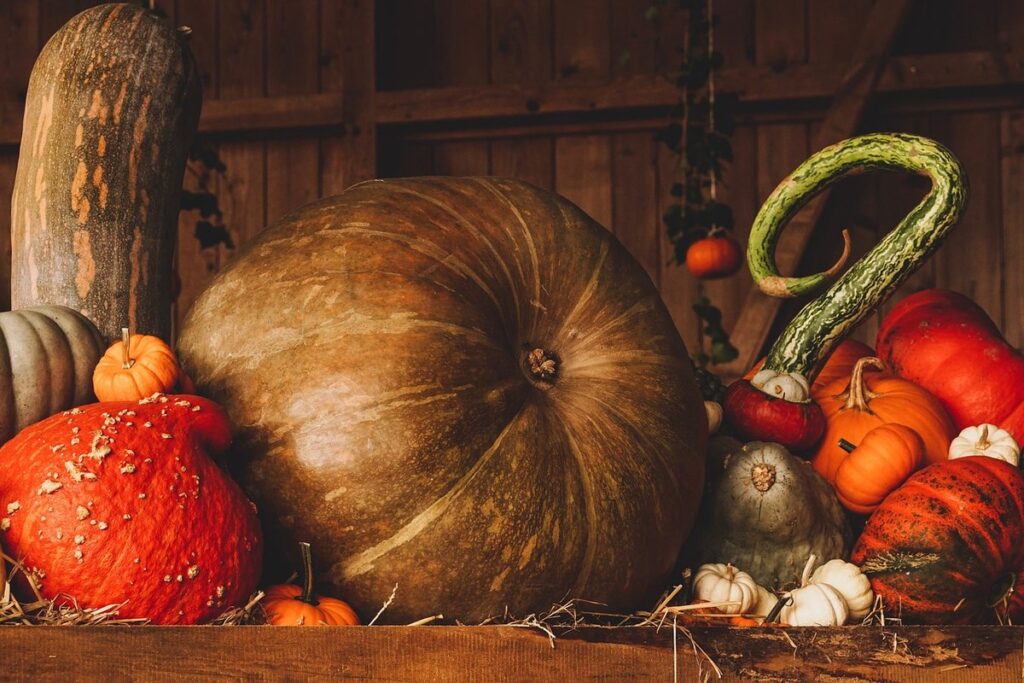
History and Origins of Pumpkins
Let’s take a step back and explore how pumpkins have been a staple crop for thousands of years, with roots tracing back to ancient civilizations. From there, we’ll follow their journey to become the beloved gourds we know today.
Early Cultivation of Pumpkins
Pumpkin cultivation has a rich history that spans thousands of years. The earliest recorded evidence of pumpkin domestication comes from the Native American tribes of North America. In particular, the indigenous peoples of Mexico and Central America were among the first to cultivate pumpkins for food and other uses.
The Aztecs and Mayans revered pumpkins as a sacred fruit, not only for their nutritional value but also for their spiritual significance. They believed that the pumpkin’s unique shape and vibrant colors held mystical powers. These ancient civilizations carefully cultivated pumpkins in their temples and ceremonial centers, often selecting varieties with specific characteristics such as size, color, and texture.
As European settlers arrived in North America, they discovered the abundance of wild pumpkin plants growing across the continent. They learned from the Native Americans how to cultivate these versatile vegetables and soon began to experiment with new varieties. This exchange of knowledge marked the beginning of pumpkin cultivation on a large scale, paving the way for the diverse range of pumpkins we enjoy today.
Pumpkin Evolution Over Time
Pumpkins have undergone an incredible transformation over time through selective breeding, giving rise to the stunning diversity of varieties we see today. The earliest pumpkins were small and round, resembling their wild ancestors. However, farmers began experimenting with cross-pollination to create larger, more symmetrical fruits.
As a result, pumpkin varieties have exploded in size, shape, and color. Some popular cultivars like ‘Baby Boo’ and ‘Jack Be Little’ are perfect for decorating, while others like ‘Atlantic Giant’ can grow up to 200 pounds or more. The introduction of new varieties has also led to changes in texture and flavor, catering to different tastes and uses.
Selective breeding has also enabled farmers to enhance disease resistance and adaptability to specific growing conditions. Modern pumpkin varieties are often hybrids, combining the best traits from different parents. This process has been ongoing for centuries, resulting in the incredible array of pumpkins we enjoy today. With so many choices available, gardeners can pick the perfect variety for their needs and preferences.
The Impact of European Colonization on Pumpkin Cultivation
When European colonizers arrived in the Americas, they brought with them new techniques and crops that would forever change the pumpkin landscape. As a result of this cultural exchange, pumpkin cultivation underwent significant transformations. Prior to colonization, indigenous peoples in North America had been cultivating pumpkins for centuries, but their methods were largely unrefined. The introduction of European agriculture practices, such as crop rotation, fertilization, and irrigation, greatly improved pumpkin yields and quality.
The influx of new crops from Europe also introduced novel genetic material that could be cross-bred with native varieties. This process of hybridization led to the creation of more robust and disease-resistant pumpkins. As an example, European colonizers brought over squash and melon species from Africa and Asia, which were later crossed with indigenous pumpkins to produce the large, symmetrical gourds we know today.
Today’s pumpkin breeders can learn a thing or two from this historical cross-breeding. By introducing desirable traits from other crops, you too can create unique and resilient varieties of your own.
Types of Awesome Pumpkins
From sugar babies to jack be little pumpkins, we’ll delve into six unique types that will make your garden a true masterpiece. Let’s explore their distinct characteristics and uses!
Heirloom and Heritage Pumpkins
Heirloom and heritage pumpkins are a treasure trove of history, flavor, and beauty. These unique gourds have been passed down through generations, with each one telling a story of its own. Heirlooms are open-pollinated varieties that were saved and cultivated by gardeners, often for their distinctive characteristics or flavor profiles.
These pumpkins are not just visually stunning, but also offer a range of culinary applications. They can be used in soups, stews, pies, and even as a centerpiece for fall decorations. Take the ‘Dickinson Field’ heirloom pumpkin, with its symmetrical shape and vibrant orange hue – it’s perfect for carving and displaying on your porch.
When cooking with heritage pumpkins, consider their unique flavor profiles. For example, the ‘Lakota Blue Stripe’ has a sweet, nutty taste that pairs well with sage and brown sugar. To prepare them, simply roast or sauté the pumpkin chunks until tender, then use in recipes or as a side dish.
Incorporating heirloom pumpkins into your garden can be a fun and rewarding experience. Start by saving seeds from your favorite varieties and experimenting with different growing techniques to bring out their unique characteristics. With patience and practice, you’ll be enjoying the fruits of your labor – literally!
Gourds and Squash: What’s the Difference?
When exploring the wonderful world of pumpkins, you may have come across terms like “gourds” and “squash.” While they’re often lumped together with pumpkins, they actually belong to distinct categories within the Cucurbitaceae family. So, what’s the difference between gourds and squash?
Gourds are typically hard-shelled, dry fruits that don’t have a soft interior like pumpkins do. They often come in decorative shapes and sizes, making them popular for crafting and decoration. Examples of gourds include calabash, bottle gourd, and ornamental gourds.
Squash, on the other hand, encompasses a broader range of fruits that are often harvested when immature and cooked like vegetables. Common types of squash include acorn squash, zucchini, and spaghetti squash. Squash is usually characterized by its soft, edible flesh and a variety of flavors and textures.
To put it simply, if you’re looking to cook with it or eat it as a vegetable, it’s likely squash. If you’re using it for decoration or making crafts, it might be a gourd! Both are fascinating additions to the world of pumpkins, and knowing their differences can help you navigate your next gardening project or holiday celebration.
Specialized Pumpkin Varieties for Cooking and Decoration
If you’re looking to add some excitement to your fall cooking and decorating, it’s time to explore the amazing world of specialized pumpkin varieties. These unique gourds are bred specifically for their culinary or decorative qualities, making them a game-changer for any autumn enthusiast.
For cooks, there’s ‘Jarrahdale’, a dark blue-skinned pumpkin with vibrant orange flesh that’s perfect for roasting and soups. Its sweet, nutty flavor is a staple in many Australian kitchens. Then there’s the ‘Lumina’, a white-fleshed pumpkin with a stringy texture that’s ideal for making pies and tarts.
For decorators, the ‘Galeux d’Eysines’ is a standout, with its knobby, warty skin adding a whimsical touch to any arrangement. The ‘Cinderella’ pumpkin is another showstopper, boasting a smooth, symmetrical shape that’s perfect for carving or displaying whole.
When selecting specialized pumpkins, remember to choose varieties that are disease-resistant and suitable for your climate. By doing so, you’ll be able to enjoy the unique flavors and decorations these gourds have to offer. Experiment with different recipes and display ideas to find what works best for you and your family.
Growing Your Own Awesome Pumpkins
To grow amazing pumpkins, you’ll want to focus on creating a nurturing environment that’s perfect for their unique needs. This involves selecting the right soil and climate conditions.
Choosing the Right Soil and Climate
When it comes to growing awesome pumpkins, selecting the right soil and climate conditions is crucial. You can’t expect a pumpkin to thrive in poor soil or harsh weather, so let’s dive into what you need to know.
Firstly, when it comes to soil, you want something that’s rich in organic matter and has good drainage. Pumpkins prefer a slightly acidic to neutral soil pH between 6.0 and 7.0. If your soil is heavy clay or sandy, amend it with compost or well-rotted manure to improve its structure.
Climate-wise, pumpkins need full sun (at least six hours of direct sunlight) and warm temperatures. Aim for a spot that receives at least 1 inch of water per week, either through rain or irrigation. In areas with hot summers, be sure to provide some afternoon shade to prevent scorching.
In terms of specific climate conditions, pumpkins love the heat but can’t tolerate extreme cold. Wait until the soil has warmed up to around 60°F (15°C) before sowing seeds. And don’t even think about planting in areas with standing water or where water tends to collect – this is a recipe for root rot!
Preparing the Soil and Planting Seeds
Preparing the soil is one of the most crucial steps in growing awesome pumpkins. Before planting seeds, make sure to test the pH level of your soil and adjust it if necessary. Pumpkins prefer a slightly acidic to neutral soil pH between 6.0 and 7.0. You can add organic matter like compost or well-rotted manure to enrich the soil with essential nutrients.
Once you’ve prepared the soil, choose a sunny spot with good air circulation for planting your seeds. Sow two to three seeds in a shallow hole about an inch deep. Cover them lightly with soil and water gently but thoroughly. Keep the soil consistently moist during the first few weeks after sowing. Young pumpkin plants need about 6-8 hours of direct sunlight per day, so make sure they’re getting enough light.
Transplant seedlings when they have at least two sets of true leaves. Harden off the seedlings by gradually exposing them to outdoor conditions over a period of 7-10 days before transplanting them into their final positions in the garden. Make sure the soil is warm and not too wet for optimal growth.
Managing Pests and Diseases in Your Pumpkin Patch
As you tend to your pumpkin patch, it’s essential to keep an eye out for common pests and diseases that can damage your crops. Squash bugs and cucumber beetles are two of the most significant threats to pumpkin growth, feeding on sap and causing wilting. To control these pests, use row covers or fine mesh screens to prevent them from reaching your plants.
Another common issue is powdery mildew, a fungal disease that causes white powdery patches on leaves. To prevent its spread, ensure good air circulation and remove any infected leaves. Regularly inspect your plants for signs of infection, and treat with fungicides if necessary.
Aphids, whiteflies, and spider mites can also infest pumpkin crops, sucking sap and causing damage. Use neem oil or insecticidal soap to control these pests, following the product’s instructions carefully. Keep in mind that overuse of chemicals can harm beneficial insects and the environment.
Monitoring your plants regularly will help you catch problems early on, allowing for effective management before they spread.
Cooking with Awesome Pumpkins
Now that you’ve got a handle on how to cook with your fresh awesome pumpkin, let’s dive into some amazing recipes to make the most of its versatility.
Roasting and Baking Delicious Treats
When it comes to cooking with awesome pumpkins, roasting and baking are two of the most delicious ways to bring out their natural sweetness. Whether you’re using a fresh pumpkin or one that’s been cooked beforehand, these techniques can help you create mouth-watering dishes for any occasion.
To start, preheat your oven to 400°F (200°C). Cut your pumpkin into manageable chunks and place them on a baking sheet lined with parchment paper. Drizzle with olive oil, sprinkle with salt, pepper, and your choice of spices, and roast in the oven for about 30-40 minutes or until tender.
Alternatively, you can also bake sliced pumpkins in a pie dish with a drizzle of honey and cinnamon for a sweet and healthy snack. Simply wrap the dish in foil and bake at 375°F (190°C) for 45-50 minutes or until the pumpkin is tender.
One key thing to remember when baking with pumpkin is that it can quickly become overcooked, leading to mushy texture. To avoid this, check on your pumpkin regularly while it’s cooking and adjust the baking time as needed. With a little practice and patience, you’ll be whipping up delicious roasted and baked pumpkin dishes in no time!
Stuffed and Pie-Filling Magic
When it comes to awesome pumpkins, we can’t help but get creative with their insides. The art of stuffing and filling them is a fascinating one, offering endless possibilities for both classic and innovative flavors.
Pie fillings are a timeless choice, and you can never go wrong with traditional pumpkin pie filling, made from a mixture of cooked, mashed pumpkin, sweetened condensed milk, spices, and eggs. But why stop there? You can also try using other ingredients like apple or pear purees to create unique flavor combinations. For example, a spiced apple-pumpkin filling is perfect for fall gatherings.
To get creative with your stuffed pumpkins, consider using various grains like quinoa, farro, or bulgur as fillings. Add some sautéed vegetables, nuts, or seeds for added texture and flavor. A simple combination of roasted butternut squash, sage, and Parmesan cheese is a surprisingly delicious filling.
When it comes to experimenting with new flavors, don’t be afraid to think outside the box (or pumpkin). Consider using Asian-inspired ingredients like soy sauce, ginger, or sesame oil to create a savory and aromatic filling.
Soups, Curries, and Other Global Delights
As we’ve explored the incredible versatility of awesome pumpkins in sweet treats and savory dishes, it’s time to take a culinary journey around the world. In various international cuisines, pumpkins are not just relegated to being a seasonal decoration or fall dessert staple – they’re a key ingredient in some of our favorite global delights.
In Asia, for instance, pumpkin is a common addition to curries and stews, adding natural sweetness and creamy texture. Indian-style pumpkin curry, made with roasted pumpkin, onions, ginger, and warming spices like cumin and coriander, is a comforting and aromatic dish perfect for chilly evenings. Meanwhile, in Southeast Asia, pumpkin is often used in soups, such as Thai coconut pumpkin soup or Indonesian gourd-based soto.
In Mexico, pumpkins are used to make delicious soups, like caldo de zapallo, which combines roasted pumpkin with chicken broth, garlic, and spices. In Africa, the versatile orange gourd is a staple ingredient in various stews and curries, such as Nigerian egusi soup or South African butternut squash curry.
To incorporate pumpkins into your own international-inspired dishes, start by choosing the right variety – some types, like sweet dumpling or kabocha, hold their shape better when cooked. Next, explore different spice combinations and flavor profiles to match the cuisine you’re aiming for. Experiment with coconut milk, ginger, cumin, coriander, and chili peppers to create authentic-tasting curries and soups.
Decorating with Awesome Pumpkins
Now that you’ve got a stunning pumpkin on your porch, let’s talk about how to decorate around it for an amazing fall display. We’ll share some creative ideas to make it truly shine.
Traditional Fall Decorations
When it comes to traditional fall decorations featuring pumpkins, there’s nothing quite like creating a warm and inviting atmosphere that screams autumn. One of the most popular ways to incorporate pumpkins into your decor is through stunning centerpieces.
For a classic look, try grouping together multiple pumpkins in various sizes and textures, surrounded by seasonal elements such as dried corn husks, fall leaves, or branches. You can place this arrangement on your dining table, coffee table, or even use it as a buffet centerpiece. To add some extra sparkle, consider adding candles, lanterns, or fairy lights to create a warm glow.
For your mantel display, arrange a mix of small and large pumpkins in a decorative pattern, accompanied by fall-themed decorations like pinecones, acorns, or artificial flowers. You can also use pumpkins as bookends on either side of the fireplace or create a pumpkin “staircase” effect along the mantel.
Lastly, don’t forget about your front porch! Welcome guests with a beautiful fall display featuring a mix of real and fake pumpkins, mums, and other seasonal flowers. Add some warm lighting to create ambiance, and consider adding a few outdoor decorative pieces like a vintage door wreath or a fall-themed doormat.
DIY Projects for the Crafty Homeowner
As we delve into the wonderful world of awesome pumpkins, it’s time to get creative and make them an integral part of our home decor. One of the best ways to do this is by creating unique DIY projects using these versatile gourds. Whether you’re a seasoned crafter or a DIY newbie, there are countless ways to breathe new life into pumpkins.
Let’s start with one of the most classic and elegant DIY pumpkin projects: the lantern. By hollowing out a sugar pumpkin and placing a tea light or votive candle inside, you’ll create a warm and inviting ambiance in any room. For added flair, try painting or stenciling the pumpkin with seasonal designs like leaves, acorns, or even tiny pumpkins.
Another fun project is to carve intricate designs onto your pumpkins using specialized tools or even household items like kitchen knives and skewers. You can create everything from simple jack-o-lantern faces to more complex patterns and shapes. To make it even easier, try pre-cutting the design into a stencil and tracing it onto your pumpkin.
When working with pumpkins for DIY projects, remember to use a variety of types that are suitable for decoration, such as sugar or mini pumpkins, which dry well and hold their shape longer than larger ones like carving pumpkins. To preserve your creations, simply spray them with a clear coat of varnish or sealant after completion.
As you experiment with different DIY pumpkin projects, don’t be afraid to think outside the box (or gourd!) and come up with unique designs that reflect your personal style. Remember, it’s all about having fun and expressing yourself through creativity. Happy crafting!
Modern and Unconventional Uses for Pumpkins in Decor
Pumpkins have long been a staple of fall decorating, but their uses don’t stop there. In recent years, designers and DIY enthusiasts have discovered new and creative ways to incorporate pumpkins into modern decor.
For instance, you can repurpose old pumpkins as planters for succulents or herbs by simply cutting out the top and filling the insides with potting soil. This eco-friendly trick reduces waste and adds a touch of greenery to your space. Alternatively, you can use real or fake pumpkin slices as decorative accents on walls, mantels, or tables.
To add an edgy twist, try incorporating pumpkins into your outdoor lighting scheme. String lights or fairy lights woven through a lattice of pumpkins create a warm and inviting ambiance. You can also paint or decoupage pumpkins in bold colors or patterns to give them a modern makeover. When choosing a design, remember that less is often more – a single statement piece can make a bigger impact than a cluttered arrangement.
When working with real pumpkins, be sure to choose ones that are free of soft spots and have a sturdy stem. By thinking outside the box (or pumpkin), you’ll discover new ways to bring this fall classic into your modern decor scheme.
Health Benefits of Eating Awesome Pumpkins
You’re probably wondering what makes pumpkins so amazing, and one of those secrets is that they can be a superfood. Let’s dive into the health benefits of eating these incredible gourds.
Nutritional Value and Antioxidants
Awesome pumpkins are not just a delicious addition to your favorite fall recipes, but they’re also packed with nutrients that can have a significant impact on our health. One of the key benefits of eating awesome pumpkins is their high levels of vitamins A and C, potassium, and antioxidants.
Vitamin A, for example, plays a crucial role in maintaining healthy vision, immune function, and skin health. Vitamin C, on the other hand, is essential for collagen production, iron absorption, and a robust immune system. Potassium helps regulate blood pressure, supports bone health, and aids in muscle recovery.
But what really sets pumpkins apart is their high antioxidant content. Antioxidants are like superheroes that fight off free radicals, which can damage cells and contribute to chronic diseases such as heart disease, cancer, and cognitive decline. Eating awesome pumpkins can provide a boost of antioxidants, helping to protect your body against oxidative stress.
To get the most out of these incredible nutrients, be sure to cook your pumpkins using gentle heat methods like steaming or roasting, rather than boiling which can destroy some of the delicate vitamins. Add sliced pumpkin to your salads, blend it into soups, or roast it as a side dish – however you enjoy it, know that you’re nourishing your body with the goodness of awesome pumpkins!
Culinary Applications for Pumpkin Seeds
Pumpkin seeds are often overlooked as a nutritious snack or ingredient, but they’re a treasure trove of culinary delights. Rich in protein, fiber, and healthy fats, these tiny seeds pack a punch when it comes to nutrition. A 1/4 cup serving of pumpkin seeds contains over 7 grams of protein, making them an excellent addition to salads, stir-fries, or as a crunchy snack on their own.
You can roast pumpkin seeds in the oven with some olive oil and your favorite spices for a delicious and addictive snack. Simply toss 1/2 cup of seeds with 1 tablespoon of oil and a pinch of salt, then spread them out on a baking sheet and roast at 375°F (190°C) for about 30 minutes, or until fragrant and golden brown.
Pumpkin seeds are also a versatile ingredient in baked goods. You can grind them into flour and use it as a substitute for up to 25% of the regular flour in recipes. This adds not only nutrition but also a nutty flavor to your breads, muffins, or cakes. Experiment with different spice combinations and recipes to unlock the full potential of pumpkin seeds in your kitchen!
Seasonal Celebrations with Awesome Pumpkins
As we dive into the world of awesome pumpkins, let’s celebrate the autumn season with some exciting ways to decorate and display our favorite gourds. From porch displays to Thanksgiving centerpieces!
Halloween Traditions and Decorations
As Halloween approaches, pumpkins become an integral part of our celebrations. But have you ever wondered where this tradition came from? The history of pumpkin carving and decorations dates back to ancient Ireland, where people would carve turnips and other root vegetables to ward off spirits on All Hallows’ Eve.
In modern times, pumpkins have taken center stage in Halloween decor. Carving designs into pumpkins has become a beloved activity for families and friends. You can find numerous patterns online or create your own unique design. Some popular carving techniques include using stencils, free-handing, or even 3D designs.
To add an extra touch to your pumpkin decor, consider the following ideas:
* Paint or spray your pumpkins in bold colors for a striking effect.
* Use fairy lights or candles to create a warm ambiance.
* Create a centerpiece by arranging multiple small pumpkins with greenery and other decorations.
* Experiment with different carving tools, like cookie cutters or kitchen knives, for unique textures.
Remember, the most important aspect of pumpkin decorating is having fun!
Thanksgiving Feast Staples
When it comes to American and Canadian Thanksgiving feasts, pumpkins take center stage. These amazing gourds are not just decorative; they’re also a crucial ingredient in many classic dishes. One of the most iconic pumpkin-based recipes is pumpkin pie, a staple at every Thanksgiving table. But that’s not all – pumpkins are also used to make savory dishes like roasted pumpkin soup, mashed pumpkin with sage and butter, and even stuffed acorn squash.
For a traditional Thanksgiving feast, consider making a pumpkin-filled centerpiece, such as a majestic jack-o’-lantern or a beautiful sugar pumpkin vase. You can also get creative with your decorations by using fake pumpkins in various shapes and sizes to add a pop of color to your table setting. When it comes to the main course, don’t be afraid to experiment with new recipes – like a succotash made with roasted butternut squash and pumpkin puree.
If you’re feeling adventurous, try making a show-stopping pumpkin torte or a rich pumpkin cheesecake for dessert. And remember, pumpkins are not just limited to the kitchen; they can also be used as beautiful decorations throughout your home. So get creative and make this Thanksgiving one to remember!
Frequently Asked Questions
What’s the ideal time to harvest pumpkins, and how can I check if they’re ripe?
Harvesting pumpkins at the right time is crucial for optimal flavor and texture. Generally, pumpkins are ready for picking 100 to 120 days after sowing. Check for a hard rind, a deep color, and a slight give when pressed. You can also use a gentle tug on the stem; if it comes off easily, the pumpkin is likely ripe.
Can I grow pumpkins in containers or do they require a lot of space?
While traditional pumpkin patches are ideal, you can indeed grow pumpkins in containers! Choose compact or bush varieties that thrive in smaller spaces. Use a large container (at least 5-gallon capacity) with good drainage and well-draining potting mix. Make sure the container gets full sun and has support for climbing vines.
How do I store and preserve my harvested pumpkins to keep them fresh?
To maintain your pumpkins’ freshness, harvest them in a dry period, then cure them by letting them sit in a warm, dry spot with good air circulation for 10-14 days. Store cured pumpkins in a cool, dry place (around 50°F/10°C) away from direct sunlight. You can also freeze or cook pumpkin puree to preserve it for later use.
Can I grow pumpkins alongside other vegetables, and are there any specific companion planting tips?
Yes, you can grow pumpkins alongside many other vegetables! Companion planting involves pairing plants that complement each other in terms of growth habits, pest resistance, and nutrient uptake. For example, plant marigolds to repel nematodes, which can harm pumpkin roots; or place corn near pumpkins as a natural trellis for climbing vines.
How do I know if my pumpkins are diseased or infested with pests, and what’s the best course of action?
Regularly inspect your plants for signs of disease (e.g., powdery mildew, fungal infections) or pest damage (e.g., holes in leaves, fruit). If you suspect a problem, research organic solutions like neem oil or Bt-based insecticides. Monitor your plants regularly and take prompt action to prevent the spread of diseases and pests.