
Are you ready to revolutionize your indoor gardening game? If you thought traditional soil was necessary for plants to thrive, think again! There are many amazing plants that don’t need soil at all, and they’re perfect for urban gardeners, space-conscious households, or anyone looking to grow something unique. From hydroponics to aeroponics, and epiphytes like orchids and bromeliads, these plants have adapted to live without the conventional dirt we’re used to. In this article, we’ll delve into the world of aerial and aquatic plants that can thrive in soilless environments, sharing tips on how to care for them at home. Whether you’re a seasoned gardener or just starting out, get ready to explore new possibilities with hydroponics, aeroponics, and epiphytes – no green thumb required!
Types of Soilless Plants
You’re probably curious to know that there are several types of plants that don’t need soil, including epiphytes and hydroponic varieties. Let’s take a closer look at some of these fascinating options.
Hydroponic Plants: Growing without Traditional Soil
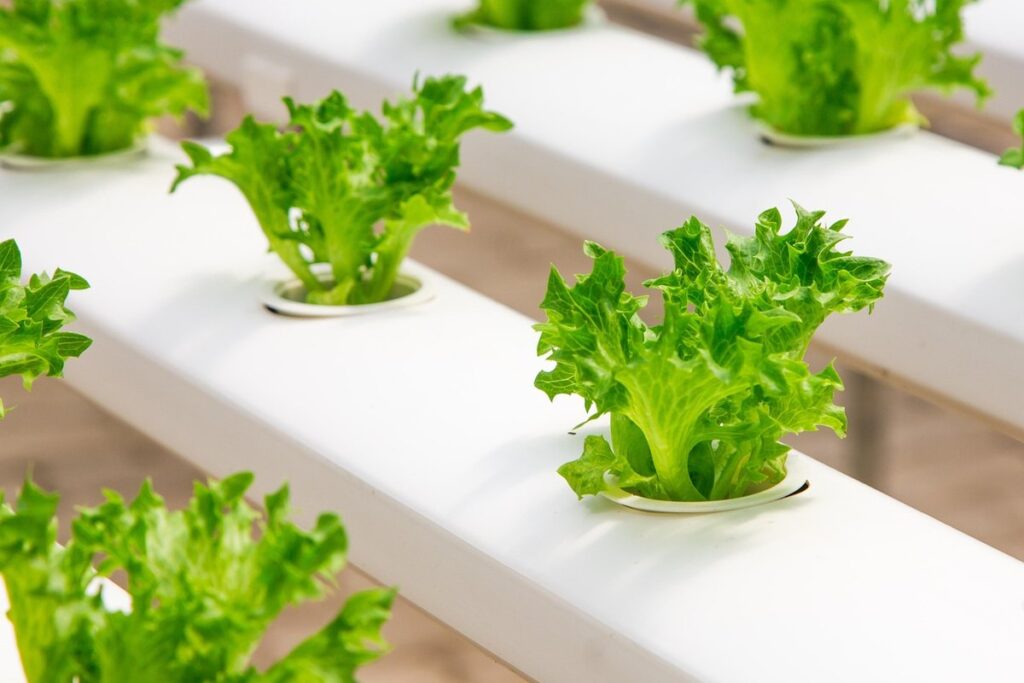
Hydroponic plants are revolutionizing the way we grow crops, and for good reason. By growing without traditional soil, hydroponics offers a plethora of benefits that make it an attractive choice for gardeners, farmers, and even urban dwellers. So, how does it work? Simply put, hydroponics involves providing plants with nutrients through a water-based solution rather than relying on soil to deliver them.
This method has several advantages: increased crop yields, reduced water consumption, and minimized environmental impact. For instance, a study conducted by the University of California found that hydroponic systems used up to 70% less water compared to traditional farming methods. Popular plants like tomatoes, lettuce, and herbs thrive in hydroponic systems, which can be as simple as a DIY setup at home or as complex as an industrial-scale operation.
Some popular varieties that do exceptionally well in hydroponics include leafy greens like kale and spinach, and even flowers like roses and orchids. If you’re new to hydroponics, consider starting with a small system and experimenting with different plant species to see what works best for you. Remember to research the specific nutrient requirements of your chosen plants and adjust the solution accordingly.
Aeroponic Plants: Rooted in Air
Aeroponic plants are grown in the air, using a nutrient-rich mist to sustain them. This method of cultivation offers several advantages over traditional soil-based growing. For one, it allows for faster growth rates and increased yields due to the precise control over nutrient delivery. Additionally, aeroponics reduces water consumption by up to 90% compared to traditional methods.
Plants well-suited for aeroponic growing conditions include leafy greens like lettuce and kale, as well as herbs like basil and mint. Tomatoes and cucumbers can also thrive in an aeroponic system. The key to successful aeroponics is maintaining a consistent mist cycle and ensuring proper air circulation.
To get started with aeroponics, you’ll need a specialized system that includes a reservoir for nutrient solution, a pump, and a fine-mist nozzle. You’ll also need to select plants that are tolerant of the unique growing conditions provided by an aeroponic system.
Soilless Plant Care
If you’re new to soilless plant care, don’t worry – we’ve got you covered! This section will walk you through the unique needs of aerial and aquatic plants that thrive without traditional soil.
Water Requirements for Soilless Plants
Watering aerial and aquatic plants requires attention to their unique needs. Unlike terrestrial plants, they don’t have soil to draw moisture from, so it’s crucial to provide them with the right amount of water at the right time.
To determine when to water these plants, observe their leaves for signs of dryness or droopiness. For air plants (Tillandsia), gently lift them by the base and tap off any excess water that may be holding in the center. If they still feel dry, it’s time to soak them for 1-2 hours.
Aquatic plants, on the other hand, require more precise watering schedules. Check the water level daily, making sure not to let the roots sit in standing water, which can lead to root rot. For aquatic plants like Java moss or Anubias, it’s best to provide a consistent moisture level by changing about 25% of the tank water every week.
To avoid overwatering, monitor your plants’ responses to different watering schedules and adjust accordingly. Some aerial plants may require more frequent soaking, while others can go longer between waterings. By paying attention to these subtleties, you’ll be able to provide your soilless plants with the perfect balance of moisture they need to thrive.
Nutrient Management in Soilless Systems
In soilless cultivation, nutrient deficiencies can quickly become apparent in the form of weak growth, yellowing leaves, and reduced flowering. One common issue is nitrogen deficiency, which causes a lackluster appearance and stunted growth. To correct this, increase the nitrate levels in your solution to 100-150 ppm (parts per million). Another frequent problem is magnesium deficiency, leading to interveinal chlorosis – yellowing between leaf veins.
To avoid these common pitfalls, balance fertilization with careful monitoring of pH levels and nutrient concentrations. Different plant species have varying optimal nutrient requirements, so research the specific needs of your plants. For example, aquatic plants like Anacharis require higher levels of phosphorus to support rapid growth, while aroid aerial plants prefer potassium-rich solutions for healthy flowering.
Maintain balanced fertilization by staggering application times or adjusting the ratio of NPK (nitrogen, phosphorus, and potassium) in your solution. Monitor nutrient levels regularly and adjust as needed. This will ensure optimal plant health, vigor, and productivity in soilless systems.
Aquatic Plants
When it comes to aquatic plants, you’ll find a unique variety of species that can thrive in water without soil. From floating ferns to submerged vegetation, these plants are perfect for adding life to your aquarium.
Submerged Plants: Growing Underwater
Submerged plants are often overlooked, but they play a vital role in creating a balanced ecosystem in aquariums and ponds. These plants thrive without traditional soil by growing their roots in water, making them perfect for aquatic environments. One of the most popular examples of submerged aquatic plants is the Anacharis, which can grow up to 6 inches per day. This rapid growth helps to purify the water by absorbing excess nutrients and waste products.
When choosing submerged plants for your aquarium or pond, it’s essential to consider their specific needs. For example, some plants require a specific pH level, while others need high lighting conditions. By selecting the right plant for your environment, you can reap the benefits of improved water quality and increased biodiversity. Some benefits include reduced algae growth, improved oxygen levels, and even increased fish health.
In addition to Anacharis, other submerged aquatic plants like Hornwort and Cabomba are great options for aquariums and ponds. To keep these plants healthy, make sure to provide a balanced diet through regular fertilization and monitor their growth regularly. By incorporating submerged plants into your aquatic environment, you can create a thriving ecosystem that’s both visually stunning and beneficial for the health of your fish.
Floating Plants: Thriving on Water’s Surface
Floating plants are a fascinating group of aquatic plants that thrive on the water’s surface. They’re perfect for adding visual interest and creating a sense of depth to ponds, lakes, and even aquariums. Some popular varieties of floating plants include Water Wisteria (Hygrophila difformis), Amazon Frogbit (Limnobium laevigatum), and Duckweed (Lemna minor).
These plants grow rapidly, often producing new leaves and stems within a matter of days. They can be trained to trail down into the water or left to float freely on the surface. The advantages of using floating plants in water gardening are numerous: they help to shade out algae, provide shelter for fish and other aquatic creatures, and even help to stabilize water pH.
To grow floating plants successfully, choose a location with plenty of light and avoid over-crowding them with too many plants. Regularly prune back any long stems to encourage bushy growth and prevent the plants from becoming too leggy. With proper care, floating plants can add beauty and functionality to your aquatic ecosystem.
Aerial Plants
As we explore plants that thrive without soil, let’s take a closer look at aerial wonders that have adapted to live on air and moisture alone. These extraordinary species are truly one-of-a-kind.
Epiphytes: Plants That Grow Without Soil
Epiphytes are some of the most fascinating plants that grow without soil. These air-breathing wonders thrive on other surfaces, such as trees, rocks, and even buildings. Orchids and bromeliads are excellent examples of epiphytic plants that obtain their nutrients from the air.
One way epiphytes obtain nutrients is through atmospheric absorption. They have specialized roots that absorb moisture and minerals from the air, which allows them to survive in environments with limited soil availability. For instance, orchids have a unique root system that captures tiny insects, providing them with essential nutrients.
To grow epiphytic plants like orchids and bromeliads, you don’t need to provide a traditional potting mix. Instead, use a well-draining medium, such as sphagnum moss or coconut fiber, to prevent waterlogged roots. Mist the plants regularly to maintain humidity levels, and fertilize sparingly, as excessive nutrients can cause harm.
By understanding how epiphytes thrive without soil, you can create unique and low-maintenance gardens that showcase these incredible air-breathing plants.
Air Plant Care: Tips for Success with Aerial Species
Caring for aerial plants requires attention to their unique needs, but with the right approach, you can keep them thriving. Watering is a crucial aspect of air plant care, as these plants absorb moisture through their leaves rather than roots. To water properly, dip the entire plant into a bowl of water for 1-2 minutes, allowing it to fully saturate before shaking off any excess.
Humidity management is also essential for aerial species, as they thrive in environments with high humidity levels (50% or above). You can achieve this by placing the air plants near a humidifier or in a greenhouse-like setting. Fertilization is another critical aspect of care; use a balanced, water-soluble fertilizer at half the recommended strength to prevent burning the delicate leaves.
Some popular aerial plant species that respond well to these tips include Tillandsia ionantha and Aechmea fasciata. Regularly cleaning your air plants by gently brushing off any debris or dust will also promote healthy growth. By following these best practices, you can enjoy thriving aerial plants that add a touch of tropical elegance to your home.
DIY Soilless Gardening
If you’re eager to get creative and try your hand at soilless gardening, we’ll guide you through the process of creating a thriving miniature garden using alternative methods.
Setting Up a Hydroponic or Aeroponic System at Home
Setting up a hydroponic or aeroponic system at home can be an exciting and rewarding experience, especially when it comes to growing plants that don’t need soil. To get started, you’ll need some basic materials and equipment. This may include a reservoir for the nutrient solution, a pump to circulate the solution, a grow medium (such as clay pebbles or rockwool), and a system for delivering the nutrients to the roots of your plants.
Begin by selecting a suitable location for your system – it should be easily accessible and have adequate space for expansion. Next, choose a reservoir and pump that can handle the volume of solution you’ll need based on the size of your garden. For example, a small hydroponic system might require around 5-10 gallons of solution, while a larger aeroponic system could use up to 50 or more gallons.
Some popular DIY kits available online include the Apollo Horticulture Hydroponic System and the Smart Garden 3 Aeroponic Planter. These kits usually come with all necessary components and instructions for easy setup.
Maintenance and Troubleshooting in DIY Soilless Systems
Maintaining a soilless system requires attention to pH management, nutrient imbalances, and pest control. Regular monitoring of pH levels is crucial to prevent damage to plants and the system itself. Check the pH level at least once a week and adjust as necessary using pH-up or pH-down solutions.
Nutrient imbalances can occur due to overfeeding or underfeeding. Watch for signs such as yellowing leaves, stunted growth, or excessive root growth. If you suspect an imbalance, check your nutrient levels and adjust according to the manufacturer’s instructions. Remember that some plants have specific nutrient requirements, so research their needs before adding supplements.
Pest control is also essential in a soilless system. Check for pests like fungus gnats, spider mites, or mealybugs on a regular basis. Isolate infected areas to prevent the problem from spreading, and use organic pest control methods whenever possible. Keep your system clean by regularly replacing water and cleaning equipment to maintain a healthy environment for your plants.
By staying vigilant and addressing issues promptly, you can enjoy a thriving soilless system and healthy, happy plants.
Benefits of Growing Plants without Soil
Growing plants without soil has its own set of advantages, including reduced water usage and lower maintenance requirements that can make a big difference in your gardening routine. Let’s take a closer look at these benefits.
Environmental Advantages of Soilless Gardening
Growing plants without soil not only reduces our reliance on land resources but also has numerous environmental advantages. One of the most significant benefits is reduced water consumption. In traditional soil-based gardening, a substantial amount of water is lost through evaporation and runoff. Soilless gardening systems, on the other hand, minimize water waste by using closed-loop irrigation systems that recycle excess water.
Additionally, soilless gardens often require significantly less land than their soil-based counterparts. This is particularly beneficial in areas where land is scarce or fragile ecosystems need protection. For instance, hydroponic systems can be set up in small, vertically-stacked containers, making them ideal for urban gardening spaces.
Reduced land use requirements also mean that more food can be produced per acre, increasing crop yields and reducing the environmental impact of transportation. By growing plants without soil, we can significantly reduce our ecological footprint while still meeting our food needs.
Economic Benefits for Gardeners and Farmers
Growing plants without soil comes with numerous economic benefits for gardeners and farmers. By eliminating the need for traditional soil-based cultivation, hydroponic and aeroponic systems can significantly reduce costs associated with land preparation, fertilizers, and pest control.
In addition to cost savings, soilless cultivation also offers potential revenue streams from hydroponic or aeroponic produce. For instance, high-yielding crops like lettuce, herbs, and strawberries can be harvested up to 30% faster in soilless systems compared to traditional soil-based methods. This accelerated growth cycle allows farmers to increase their crop yields, resulting in higher profits.
Moreover, hydroponics and aeroponics enable precise control over nutrient delivery, which can lead to improved crop quality and reduced waste. By optimizing resource utilization, growers can enjoy significant cost savings on inputs like fertilizers and pesticides. To transition to soilless cultivation, farmers can start by testing small-scale systems in their existing fields or experimenting with container-based hydroponic setups.
Frequently Asked Questions
Can I start with a small space, like a balcony or a windowsill, when growing soilless plants?
Yes, you can definitely start with a small space! Many aerial and aquatic plants are perfect for compact areas because they don’t require much room to spread out. You can even begin with a single hydroponic plant or an air plant in a hanging basket. As you gain more experience and confidence, you can expand your setup to larger spaces.
How do I prevent root rot when using aeroponics or hydroponics?
Preventing root rot is crucial when growing soilless plants. Make sure the water quality is excellent by changing the nutrient solution regularly and keeping an eye on pH levels. Also, ensure proper air circulation around the roots to prevent fungal growth.
Are there any specific tools I need to get started with aeroponics or hydroponics?
You’ll need a few specialized tools to set up your soilless garden. These include a water pump, misting system, and nutrient reservoirs for hydroponics, or an air-mist system and grow medium for aeroponics. You can also repurpose containers like old plastic bottles or 5-gallon buckets.
Can I use tap water directly in my soilless gardening system?
No, you should not use tap water directly because it often contains high levels of chlorine and other chemicals that can harm your plants. Instead, use a water filter or let the water sit for 24 hours to allow the chlorine to evaporate before adding it to your system.
How do I troubleshoot common issues like nutrient deficiencies or pH imbalances in my soilless garden?
Common issues like nutrient deficiencies or pH imbalances are relatively easy to diagnose and address. Monitor your plant’s growth closely, and keep an eye on the color of its leaves. If you notice any signs of nutrient deficiencies, adjust the nutrient levels accordingly, and pH balance can be achieved by using a pH test kit and adjusting the water accordingly.