
If you’re looking for a unique addition to your garden or interested in exploring plants with a rich history, then you’ve likely come across the Snowberry flower (Symphoricarpos). But beyond its ornamental value, this shrub has been a valuable resource for centuries. From its medicinal properties to its ease of cultivation, Snowberry flowers have been a staple in many cultures. In this article, we’ll delve into the history and types of Snowberry flowers, exploring their uses as an ornamental plant, their potential health benefits, and how to propagate them successfully. Whether you’re a seasoned gardener or just starting out, understanding the ins and outs of Snowberry flowers can add depth to your knowledge and enhance your outdoor space. Let’s start by examining what makes these plants so special.
What are Snowberry Flowers?
Let’s dive into the fascinating world of snowberry flowers, where we’ll explore their unique characteristics and what makes them a popular choice for gardeners and nature enthusiasts. You’re about to discover the secrets of this stunning shrub.
Introduction to Symphoricarpos
The snowberry flower, also known as Symphoricarpos, has a rich history that spans centuries. This versatile plant is native to North America and Asia, with its origin tracing back to the mountainous regions of these continents. Over time, it has been widely cultivated in various parts of the world for its ornamental value.
Symphoricarpos has several common names, including snowberry, wolfberry, and coral berry. These names are derived from the plant’s distinctive white or pink berries that resemble small corals, as well as its ability to thrive in cold climates, where it’s often referred to as “snowberry.” The plant is also known for its tolerance of drought and poor soil conditions.
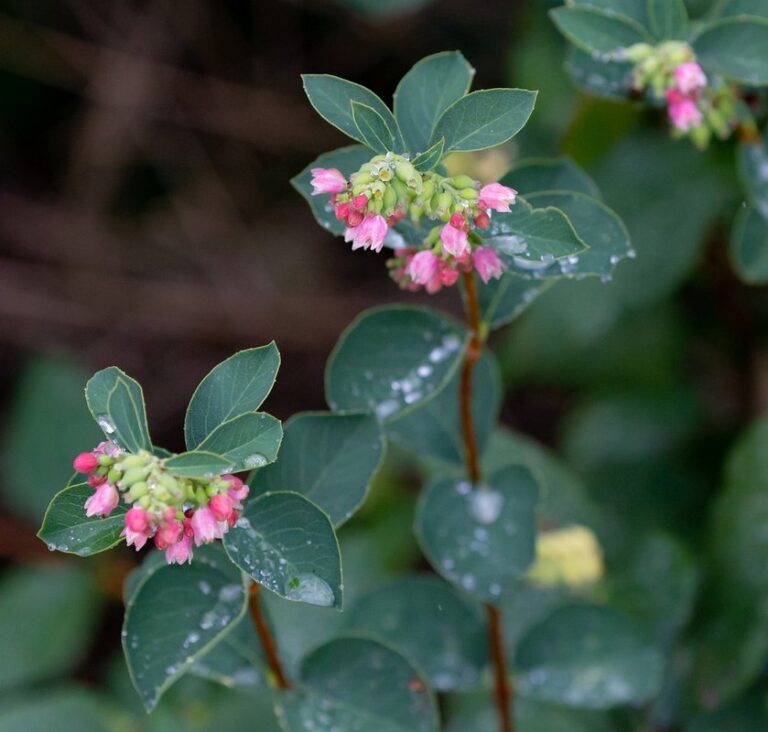
Despite its adaptability, Symphoricarpos has a delicate appearance, with slender stems, opposite leaves, and clusters of small white or pink flowers. This unique combination makes it a popular choice among gardeners and landscape designers looking to add a touch of elegance to their outdoor spaces. With proper care and maintenance, snowberry flowers can thrive in a variety of environments, making them an excellent addition to any garden or yard.
Identifying Snowberry Flowers: Key Characteristics
When identifying snowberry flowers, look for several distinctive features that set them apart from other plants. Snowberries are deciduous shrubs that typically grow between 3 to 6 feet tall, with a rounded or spreading habit. This makes them easily recognizable in a garden setting.
The leaves of the snowberry plant are another key identifier. They are dark green on top and pale underneath, with an ovate shape and pointed tip. Leaves are usually around 2-4 inches long and have a smooth margin.
Snowberry flowers are also distinctive, being small, white or pinkish-white in color, and growing in clusters at the end of branches. Each flower is about 1/4 inch in diameter and has five petals. When ripe, the berries turn a deep purple-red color and are an important food source for various wildlife species. To identify snowberries with confidence, take note of their overall appearance, leaf shape, and flowering patterns.
Types of Snowberry Flowers
You’re probably curious to know that there are several varieties of snowberry flowers, each with its own unique characteristics and growth habits. Let’s take a closer look at these beautiful types together!
Common Varieties: Symphoricarpos albus and S. paniculatus
When it comes to Snowberry flowers, two species stand out among the rest: Symphoricarpos albus and S. paniculatus. While they share many similarities, these two varieties have distinct characteristics that set them apart.
Symphoricarpos albus, also known as White Snowberry or Woodland Snowberry, is a popular choice for gardeners due to its hardiness and adaptability. This shrub produces clusters of small white flowers in late spring, followed by berries that attract birds and other wildlife. It’s an excellent option for woodland gardens, requiring minimal maintenance and tolerating shady conditions.
Symphoricarpos paniculatus, on the other hand, is a more compact variety often used as a hedge or screen. Its panicles of white flowers bloom in late spring to early summer, producing fruit that’s edible but not particularly palatable to humans. This shrub prefers well-drained soil and full sun to partial shade.
Both species have their uses, from attracting wildlife to providing ornamental value. When choosing between the two, consider your specific needs: Symphoricarpos albus for woodland areas or a low-maintenance option, or S. paniculatus for hedges or screens in well-drained soil with full sun to partial shade.
Other Notable Varieties: S. orbiculatus and S. x chenaultii
In addition to the popular Symphoricarpos albus and S. paniculatus varieties, there are two other notable snowberry flower types worth mentioning: S. orbiculatus and S. x chenaultii.
S. orbiculatus, also known as coralberry, is a deciduous shrub that’s native to the southeastern United States. It produces white or pinkish flowers in clusters, followed by bright red berries that attract birds and other wildlife. Coralberries are relatively low-maintenance and can thrive in a variety of conditions, making them an excellent choice for gardeners who want a hardy, adaptable shrub.
S. x chenaultii, on the other hand, is a hybrid snowberry flower that’s bred specifically for its compact growth habit and early blooming period. It produces small white flowers in late spring, which are followed by purple berries in summer. Chenaultii snowberries prefer well-drained soil and full sun to partial shade, making them suitable for containers or smaller garden spaces.
When cultivating these varieties, it’s essential to note their unique requirements. Coralberries need regular watering but can tolerate some drought, while S. x chenaultii requires more consistent moisture levels. Both varieties benefit from pruning after blooming to maintain shape and promote healthy growth. By understanding the specific needs of these snowberry flower types, gardeners can enjoy a bountiful harvest of colorful blooms and delicious berries.
Growing Snowberry Flowers
Now that you have a snowberry plant thriving, it’s time to focus on growing beautiful flowers. This section will cover the specific needs and tips for coaxing stunning blooms from your Symphoricarpos.
Planting and Soil Requirements
When it comes to growing snowberry flowers (Symphoricarpos), understanding their ideal soil and sunlight requirements is crucial for a thriving plant. These shrubs prefer well-draining soil that’s rich in organic matter, making a mix of compost or manure with regular potting soil an excellent choice.
In terms of pH, Symphoricarpos can tolerate a wide range from slightly acidic to neutral (pH 5.5-7.0). However, for optimal growth, aim for a slightly acidic to neutral soil pH between 6.0 and 7.0. Snowberry flowers also appreciate full sun to partial shade, meaning they’ll do well in areas receiving at least six hours of direct sunlight per day.
For regions with intense summer heat or cold winters, consider providing some afternoon shade to prevent scorching or root damage. Water your snowberry shrubs regularly, but avoid overwatering, which can lead to root rot and other issues. A general rule is to provide about 1 inch of water per week through a combination of rainfall and irrigation. By understanding these basic growing conditions, you’ll be well on your way to cultivating healthy and vibrant snowberry flowers in your garden.
Watering and Maintenance Tips
When it comes to growing snowberry flowers, proper watering and maintenance are crucial for optimal growth. First and foremost, make sure to water your snowberries regularly, but avoid overwatering, which can lead to root rot and other issues. A good rule of thumb is to water them once or twice a week, depending on the weather conditions in your area.
Pruning is also essential to promote healthy growth and encourage blooming. Prune your snowberry shrubs in late winter or early spring, removing any dead or damaged branches. Cut back about one-third of the oldest canes to the ground to make way for new growth. This will also help control the size of the plant and prevent it from becoming leggy.
In terms of fertilizing, use a balanced fertilizer (10-10-10) in early spring when new growth begins. You can also consider adding a high-phosphorus fertilizer to promote blooming and fruiting. Mulch around the base of the plants to retain moisture, suppress weeds, and regulate soil temperature. By following these watering and maintenance tips, you’ll be well on your way to growing vibrant and healthy snowberry flowers.
Uses and Benefits of Snowberry Flowers
You’ll be excited to know that snowberry flowers have a multitude of uses, from medicinal applications to ornamental purposes. Let’s explore some of their most significant benefits in more detail.
Ornamental Value: A Popular Garden Choice
One of the most appealing aspects of snowberry flowers is their ornamental value. These beautiful blooms are a popular choice among gardeners and landscapers due to their unique characteristics and uses. In landscaping, snowberry flowers are often used as a hedge or border plant, providing year-round interest with their vibrant foliage and colorful berries.
When it comes to floral arrangements, the delicate white or pink flowers of snowberry add a touch of elegance and sophistication. They can be used alone or paired with other blooms to create stunning bouquets and centerpieces. In fact, snowberry flowers are often used in wedding arrangements due to their long-lasting blooms and ability to withstand heat and humidity.
To incorporate snowberry flowers into your landscaping or floral arrangements, consider the following tips: choose a variety that is well-suited to your climate and soil type; prune regularly to maintain shape and promote healthy growth; and use a combination of different textures and colors to create visually appealing arrangements. By doing so, you can enjoy the beauty and charm of snowberry flowers all season long.
Medicinal Properties: Traditional Uses and Research
For centuries, snowberry flowers have been utilized for their medicinal properties, with traditional uses varying across cultures. In Native American folklore, the plant was used to treat fever and inflammation, while in European folk medicine, it was employed as a diuretic and antiseptic agent.
Modern research has lent credibility to these claims, highlighting the plant’s potential as an anti-inflammatory and antioxidant. Studies have isolated compounds such as scopoletin and syringin, which exhibit significant biological activity against various disease models. The leaves of the snowberry shrub contain salicin, a compound similar to aspirin, providing relief from pain and reducing inflammation.
While more research is needed to fully understand the plant’s medicinal properties, preliminary findings suggest that snowberry flowers may be useful in treating conditions such as arthritis, gout, and even certain types of cancer. However, it is essential to consult with a healthcare professional before using any herbal remedy, especially when considering treatment for chronic or severe illnesses.
Propagation and Care Tips for Snowberry Flowers
To ensure your snowberry flowers thrive, learn how to propagate them effectively and provide optimal care, including watering, pruning, and fertilization techniques. This section will walk you through these essential steps.
Seed Germination and Sowing Techniques
To successfully propagate snowberry flowers from seed, you’ll need to understand the process of seed germination and sowing techniques. Snowberry seeds are relatively small and delicate, requiring specific conditions to break dormancy and begin growing.
Start by preparing a clean and sterile environment for sowing. Fill a seed tray or small pots with a well-draining seed starting mix, and moisten it with water. Sow the snowberry seeds about 1/8 inch deep in the soil, and gently cover them with a thin layer of the same mix.
Provide optimal conditions for germination by placing the seed tray or pots in a warm location with indirect light. Maintain consistent moisture levels, but avoid overwatering, which can lead to rot and poor germination rates.
Once the seeds have germinated, usually within 1-3 weeks depending on temperature and humidity, you can transplant them into individual pots or directly into the garden when the weather is suitable.
Cutting and Grafting Methods for Established Plants
Propagating established snowberry plants through cuttings or grafting is a reliable method to multiply these beautiful flowers. When taking cuttings from mature shrubs, choose sections with at least two sets of leaves and ideally one or more nodes for rooting.
Cuttings can be taken in late spring or early summer when new growth begins. Cut 4-6 inch stem sections using a sharp, sterile knife, making sure to include at least two sets of leaves. Remove lower leaves and dip the cut end into rooting hormone powder to promote healthy root development.
Grafting is another effective method for multiplying snowberry plants. This technique involves joining a section of stem from one plant onto the root system of another, essentially creating a new plant with desirable characteristics. Snowberry stems are flexible enough to be grafted in the spring or early summer, using a compatible rootstock like gooseberry or blueberry.
Root your cuttings in a controlled environment, such as a greenhouse or indoor pot, and monitor their progress. Keep the soil consistently moist but not waterlogged, ensuring optimal conditions for successful propagation.
Pests, Diseases, and Common Problems with Snowberry Flowers
As a snowberry flower grower, you’ll want to know how to identify and prevent common issues that can affect these beautiful plants. Let’s discuss some of the pests, diseases, and problems you might encounter.
Common Issues: Root Rot, Powdery Mildew, and Aphids
When it comes to growing snowberry flowers, you’re not just dealing with potential issues related to pests and diseases. Root rot, powdery mildew, and aphids are common problems that can significantly impact the health of your plants.
Root rot is a significant issue for snowberry flowers, particularly in wet or waterlogged conditions. It’s caused by a variety of fungi, including Phytophthora and Pythium. If you notice yellowing leaves, wilting stems, or blackened roots, it may be a sign that root rot has taken hold.
Powdery mildew is another problem that can affect snowberry flowers. This fungal disease causes white powdery patches to form on the leaves, which can lead to defoliation and reduced plant growth. It’s often spread by wind or water splash and thrives in humid conditions.
Aphids are small, soft-bodied insects that feed on sap from snowberry flower stems, causing curled or distorted leaves. They’re typically found in large groups and can be white, green, black, or pink depending on the species.
To manage these issues effectively, ensure your plants receive adequate air circulation, water them carefully to avoid overwatering, and remove any affected areas promptly. Regularly inspect your plants for signs of pests or diseases, and take action at the first sign of trouble. This will help prevent minor problems from becoming major ones.
Prevention and Treatment Strategies for Healthy Plants
To prevent pests and diseases from affecting your snowberry flowers, ensure good air circulation around the plants by spacing them at least 3-4 feet apart. This will help reduce moisture accumulation that can foster fungal growth. Regularly inspect your plants for signs of infestation or disease, such as white powdery patches on leaves (indicative of powdery mildew) or curled leaves with holes (suggesting caterpillar damage). For small-scale issues, treat affected areas with neem oil or insecticidal soap to control pest populations and prevent the spread of diseases. For more severe infestations or infections, use fungicides or bactericides specifically labeled for ornamental plants like snowberry flowers.
To maintain healthy growth, fertilize your snowberry flowers annually in early spring using a balanced, water-soluble fertilizer (10-10-10 NPK). Apply the recommended dosage to avoid over-fertilization, which can lead to weak and leggy stems. Mulch around the base of plants to retain moisture and suppress weed growth, reducing the need for pesticides and herbicides. Water your snowberry flowers deeply once or twice a week during dry spells, but avoid overwatering that may cause root rot.
Frequently Asked Questions
Can I grow Snowberry flowers in containers?
Yes, Snowberry flowers can thrive in containers, provided they receive the right amount of sunlight (at least 4-6 hours direct sun) and have well-draining soil mix. Use a container that’s at least 12 inches deep to accommodate the shrub’s root system. Water regularly, but make sure not to overwater, which can lead to root rot.
How do I prevent pests like aphids from damaging my Snowberry flowers?
To minimize the risk of pest infestations, ensure your plants receive good air circulation and are healthy enough to resist diseases. Regularly inspect your plants for signs of aphids or other pests. If you notice any issues, use neem oil or insecticidal soap to control the population.
Can Snowberry flowers be used as a natural remedy for specific health conditions?
Yes, Snowberry flowers have been traditionally used to treat various ailments, including fever, rheumatism, and skin conditions. However, it’s essential to consult with a healthcare professional before using any herbal remedies, especially if you’re considering using them to treat serious medical conditions.
How long does it take for Snowberry flowers to mature and produce berries?
The time it takes for Snowberry flowers to mature can vary depending on factors like climate, soil quality, and plant variety. Generally, it can take 2-5 years for the shrub to reach its full potential and produce berries after planting.
Can I propagate Snowberry flowers through cuttings or seed germination?
Both methods are viable options for propagating Snowberry flowers. Cuttings can be taken from established plants in the spring or summer months, while seed germination typically occurs within 1-3 weeks after sowing. Make sure to provide the right conditions for each method to increase the chances of successful propagation.