
Native Ontario flowers are not only breathtakingly beautiful, but they also play a vital role in our ecosystem. As a gardener or nature enthusiast living in this province, you’re probably eager to incorporate these stunning blooms into your outdoor space while supporting local biodiversity. However, with so many options available, it can be overwhelming to choose the right flowers for your garden.
This is where understanding native Ontario flowers comes in – not only will they thrive with minimal maintenance, but they’ll also attract pollinators and other beneficial insects. In this article, we’ll delve into the different regions of Ontario and explore which plants are best suited for each area. You’ll learn how to choose the perfect flowers for your garden, as well as essential care methods to ensure their continued health and beauty throughout the seasons.
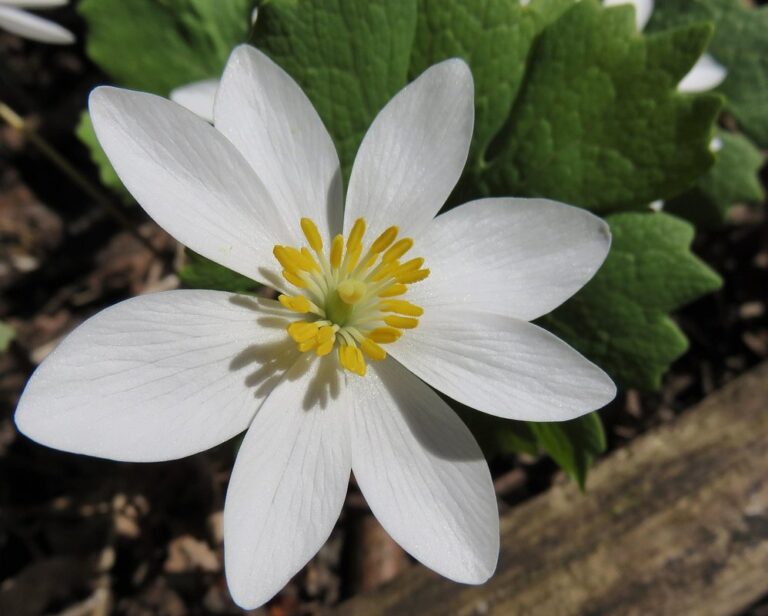
Introduction to Native Ontario Flowers
As you begin your journey through the diverse world of native Ontario flowers, let’s start with the basics and explore the unique characteristics that set these flowers apart from their non-native counterparts.
What are Native Plants?
Native plants are an integral part of any ecosystem, providing essential services that support local biodiversity and mitigate climate change. These plants have evolved over thousands of years to thrive in specific regions, making them perfectly adapted to the local conditions.
So, what makes a plant native? A native plant is one that has grown naturally in a particular region for centuries, often long before human settlement. In Ontario, examples of native flowers include the trillium, lady’s slipper orchid, and wild bergamot. These plants have developed unique characteristics that allow them to withstand extreme weather conditions, pests, and diseases.
When choosing native plants for your garden or landscaping project, consider their benefits to local ecosystems. Native plants require less maintenance, produce fewer allergenic pollen, and provide habitat and food sources for pollinators like bees and butterflies. By incorporating native flowers into your landscape design, you can create a more sustainable and environmentally friendly space that promotes biodiversity and supports the local ecosystem.
Incorporating native plants also helps to conserve water and reduce soil erosion. Plus, they’re often low-maintenance and require fewer fertilizers or pesticides.
Benefits of Planting Native Ontario Flowers
Planting native flowers in your Ontario garden offers numerous benefits that can transform your outdoor space into a thriving ecosystem. One of the most significant advantages is increased biodiversity. By incorporating native plants into your garden, you’re providing a haven for local pollinators like bees and butterflies, as well as other beneficial insects. This diversity also attracts birds, hummingbirds, and other wildlife, creating a vibrant community of species that coexist in harmony.
Reducing maintenance is another significant perk of native flowers. Since they’ve adapted to the region’s climate and soil conditions, they require less watering, pruning, and fertilization compared to non-native plants. This means you’ll spend less time and money on gardening chores, freeing up more time for relaxation or other activities.
Native flowers also create improved wildlife habitat by providing essential resources like nectar, pollen, seeds, and shelter. By planting native Ontario flowers in your garden, you’re contributing to the preservation of local ecosystems and supporting biodiversity conservation efforts.
Understanding Ontario’s Floral Regions
To truly appreciate the beauty of native Ontario flowers, it helps to understand the unique characteristics of each region’s floral diversity. We’ll explore the distinct features of each area in this section.
Northern Ontario’s Unique Floras
Northern Ontario is home to an array of unique floral species that thrive in its subarctic climate. One of the most distinctive features of this region’s flora is its abundance of rare and endemic species found nowhere else on Earth. The boreal forests of Northern Ontario are dominated by trees such as black spruce, jack pine, and trembling aspen, which provide a unique microclimate that supports a variety of plant life.
Some of the rarest and most iconic flowers in Northern Ontario include the Yellow Lady’s Slipper (Cypripedium parviflorum), the Western Pasque Flower (Pulsatilla occidentalis), and the Northern Wild Ginger (Asarum canadense). These species have adapted to the region’s short growing season, cold temperatures, and low levels of sunlight. To spot these flowers in their natural habitat, visitors should head to protected areas such as Algonquin Provincial Park or the Hudson Bay Lowlands.
Keep an eye out for these unique blooms during the peak growing season from June to August, and consider bringing a field guide to help with identification. By appreciating the rare flora of Northern Ontario, you’ll gain a deeper understanding of this region’s distinct ecosystems and the importance of conservation efforts.
Southern Ontario’s Diverse Flora
Southern Ontario’s diverse flora is a treasure trove of native flowers that thrive in its temperate climate. One of the most iconic species found here is the Trillium, also known as the White Trillium (Trillium grandiflorum). This perennial flower is one of the first to bloom in late spring, showcasing three white petals and a yellow center. It’s common to spot them growing wild in deciduous forests and shaded areas.
Another notable species is the Lady’s Slipper Orchid (Cypripedium spp.), with its distinctive slipper-shaped flowers and delicate petals. These orchids are often found in moist woodlands, where their unique shape allows for pollination by specialized bees. Keep an eye out for them from late May to early July, as they bloom during this period.
For nature enthusiasts, Southern Ontario’s diverse flora is a haven for exploration and discovery. By venturing into its forests and meadows, you can spot these beautiful flowers and learn about their unique characteristics. Consider joining a guided nature walk or hike to explore the region’s flora in more depth.
Native Ontario Flowers by Season
As we explore the changing seasons in Ontario, native flowers bloom and flourish, filling our gardens and natural spaces with vibrant colors. Let’s take a look at what’s in season each time of year.
Spring Blooms: Early-Rising Flowers
As we welcome the arrival of spring in Ontario, it’s exciting to see some of our native flowers begin to bloom. One of the first signs of this season is the emergence of early-rising flowers that poke their heads through the snow and ice. Crocus and Snowdrops are two of these hardy flowers that often bloom as early as February or March.
When planning a spring-blooming garden, consider incorporating these low-maintenance plants into your design. They’re perfect for naturalizing in lawns, meadows, or woodland areas where they can spread and multiply over time. Plant Crocus bulbs in the fall to ensure they have a head start on the growing season. Snowdrops, being one of the first flowers to bloom after winter, are an excellent choice for adding some color to your garden when it needs it most.
To create a thriving spring-blooming garden, make sure to plant a mix of early and late-season bloomers to ensure a prolonged display of color. This will also attract pollinators like bees and butterflies to your garden, which is essential for the reproduction of many native plants.
Summer Showstoppers: Warm-Season Favorites
Summer is in full bloom in Ontario, and what better way to celebrate than with some of our native flowers that thrive during this season? As we explore the beautiful landscapes of our province, it’s hard not to notice the vibrant displays of Black-eyed Susans (Rudbeckia hirta) and Butterfly Milkweed (Asclepias tuberosa). These warm-season favorites are not only stunning but also provide a vital source of nectar for pollinators like butterflies and bees.
If you’re looking to attract these beneficial visitors to your garden, consider planting some Black-eyed Susans. Their bright yellow petals and dark centers make them a striking addition to any landscape. Plus, they’re relatively easy to care for – simply provide full sun and well-drained soil, and they’ll be thriving in no time.
Butterfly Milkweed is another excellent choice for summer gardens, with its clusters of orange or red flowers that attract monarch butterflies like nothing else. As a host plant for these iconic insects, Butterfly Milkweed plays a crucial role in the life cycle of monarchs – so why not give it a try? By incorporating these and other native species into your garden, you’ll be supporting local biodiversity and enjoying a kaleidoscope of color all season long!
How to Choose Native Ontario Flowers for Your Garden
When selecting flowers for your garden, it can be overwhelming to choose from the many beautiful native options available in Ontario. This section will guide you through the process of making an informed decision.
Selecting the Right Plants for Your Climate Zone
When selecting native Ontario flowers for your garden, it’s essential to consider the province’s diverse climate zones. Ontario is divided into five climate zones: Southern, Central, Northeastern, Northwestern, and Algonquin. Each zone has its unique temperature, precipitation, and soil characteristics, which affect plant growth and survival.
To choose plants that thrive in your area, start by identifying your local climate zone. You can use online tools or consult with a local nursery to determine your zone. For instance, if you live in the Southern zone, look for plants that tolerate heat and dry spells, such as Black-eyed Susan (Rudbeckia hirta) and Butterfly Milkweed (Asclepias tuberosa). In contrast, if you reside in the Northeastern zone, opt for hardy perennials like Trillium grandiflorum and Canada Mayflower (Maianthemum canadense), which can withstand cold winters and moist soils. By selecting plants that are adapted to your climate zone, you’ll ensure a healthy and resilient garden that requires minimal maintenance and care.
Considering Pollinator Needs
When selecting native Ontario flowers for your garden, it’s essential to consider the needs of local pollinators. Bees and butterflies are crucial components of our ecosystem, and they rely heavily on flowers for food and shelter.
In Ontario, there are over 800 species of bees alone, each with their unique requirements. For example, bumblebees prefer tubular-shaped flowers like trumpet honeysuckle (Lonicera sempervirens) or bee balm (Monarda didyma), which provide a long, deep nectar source for them to access.
Butterflies, on the other hand, are attracted to flowers with high nectar content and a specific color palette. Monarchs, for instance, love milkweed (Asclepias spp.), while black swallowtails prefer plants in the carrot family (Apiaceae), such as Queen Anne’s lace (Ammi majus).
To support these pollinators in your garden:
* Plant a variety of flowers that bloom at different times to provide a constant source of nectar and pollen throughout the growing season.
* Incorporate native Ontario flowers with unique shapes, sizes, and colors to cater to the diverse needs of local bees and butterflies.
* Avoid using pesticides, which can harm or kill pollinators. Instead, adopt integrated pest management techniques that prioritize natural methods for controlling pests.
Care and Maintenance of Native Ontario Flowers
To keep your native Ontario flowers thriving, it’s essential to understand how to properly care for them and address any maintenance needs that arise throughout their growing season.
Soil Preparation: A Key to Success
When it comes to growing native Ontario flowers, soil preparation is often overlooked but it’s crucial for their success. A well-prepared soil will provide the necessary nutrients and support for your plants to thrive.
To improve drainage, consider adding organic matter such as compost or leaf mold to your soil. This will help break up clay soils and prevent waterlogging, which can lead to root rot and other problems. On the other hand, sandy soils can benefit from a mix of topsoil and compost to increase their water-holding capacity.
In terms of fertility, native Ontario flowers prefer slightly acidic to neutral soils with a pH between 6.0 and 7.0. You can test your soil’s pH level using a DIY kit or send it off to a lab for analysis. Based on the results, you may need to add lime to raise the pH or sulfur to lower it.
Another important consideration is soil texture. Most native Ontario flowers prefer well-draining soils with a mix of sand, silt, and clay. If your soil is heavy clay or sandy, consider blending in some compost or topsoil to achieve the right balance.
By following these simple tips, you’ll be creating an environment that’s perfect for your native Ontario flowers to bloom and thrive.
Watering Strategies for Native Plants
Watering native plants is often misunderstood. Many people assume that because these plants are adapted to the local climate, they require a lot of water. However, this couldn’t be further from the truth. In fact, overwatering can be detrimental to native flowers.
One key principle for watering native plants is allowing them to go dormant during dry periods. This means resisting the temptation to give them extra water when it’s been hot and dry. By letting your native plants experience some stress, they’ll develop deep root systems that allow them to tap into underground water sources, making them more resilient in times of drought.
In Ontario, it’s common for areas to experience a period of dormancy during the winter months. However, during the growing season, most native flowers require about 1 inch of water per week. To achieve this, use a combination of rainwater collection and efficient watering techniques. For example, you can place mulch or rocks around your plants to reduce evaporation and prevent runoff.
When watering, avoid getting water on the leaves or crown of the plant. Instead, aim for the soil directly surrounding the roots. This helps prevent fungal diseases that thrive in moist environments. By adopting these strategies, you’ll be giving your native flowers the care they need to thrive without overwatering them into stress and potential disease.
Conclusion: Celebrating Native Ontario Flowers
As we’ve explored the beauty of native Ontario flowers, let’s take a moment to appreciate their significance and celebrate the unique charm they bring to our province.
Recap of Key Takeaways
As we conclude our comprehensive guide to Native Ontario Flowers, let’s recap the key takeaways from this journey. By now, you should be well-equipped with the knowledge and inspiration to incorporate native flowers into your garden or outdoor space.
Firstly, it’s essential to remember that choosing native flowers is crucial for a thriving ecosystem. These plants have co-evolved with local wildlife, providing vital food sources and habitats. For example, the Cardinal Flower (Lobelia cardinalis) attracts hummingbirds, while the Purple Coneflower (Echinacea purpurea) supports pollinators like bees and butterflies.
To ensure your native flowers thrive, proper care is essential. This includes using well-draining soil, providing adequate sunlight, and avoiding overwatering. For instance, the Trillium (Trillium grandiflorum) prefers moist, wooded areas but can be sensitive to drought.
By incorporating these tips into your gardening routine, you’ll not only create a stunning display of native flowers but also contribute to preserving biodiversity in Ontario. Remember, every garden has the potential to become a haven for local wildlife – start exploring and enjoy the beauty of Native Ontario Flowers!
Final Thoughts: Encouraging Native Plant Enthusiasm
As you’ve made it through this comprehensive guide to native Ontario flowers, we hope you’re as passionate about these incredible plants as we are. Native plants have so much to offer beyond their stunning beauty – they provide vital ecosystem services, support biodiversity, and even help mitigate the effects of climate change.
We encourage you to share your experiences with native plants in our comments section below! Whether it’s a memorable encounter with a rare species or a successful DIY project to attract pollinators to your garden, we’d love to hear about it.
If you’re looking for more ways to explore and learn about native Ontario flowers, here are some fantastic resources:
* The Royal Botanical Gardens’ Native Plant Garden in Burlington is an amazing destination for nature lovers
* The Ontario Nature organization offers guided walks and workshops on native plant identification and conservation
* You can also download the iNaturalist app, which features a comprehensive database of Ontario’s flora and fauna
By sharing your stories and discoveries, you’ll not only inspire others but also help us build a community that celebrates these incredible plants. So go ahead – take out your camera or journal, get outside, and start exploring!
Frequently Asked Questions
How do I ensure the long-term health of my native Ontario flowers?
To maintain healthy native plants, focus on providing the right growing conditions. This includes choosing a suitable location with adequate sunlight and proper soil preparation. Be mindful of watering strategies, avoiding overwatering which can lead to disease and pests.
Can I combine native Ontario flowers with non-native plants in the same garden?
While it’s not uncommon for gardens to have a mix of native and non-native species, doing so can disrupt local ecosystems. Native plants rely on specific pollinators and microorganisms that might not be present among non-native species. Consider creating separate sections for native and non-native plants.
How do I identify invasive plant species in my garden?
Invasive plants can spread quickly and harm native Ontario flowers. Inspect your garden regularly, looking for signs of aggressive growth or unfamiliar plants. Consult with local experts or gardening organizations to confirm identification.
Are there any specific considerations when planting native Ontario flowers in containers?
Yes, container gardens require special attention. Ensure the pot is large enough to accommodate deep root systems and consider using a well-draining potting mix. Choose compact varieties of native plants that are bred for container growth.
Can I propagate native Ontario flowers from seeds or cuttings?
Yes, many native Ontario flowers can be propagated through seed or cutting. However, this process may not always be straightforward, and results may vary depending on the species. Consult specific propagation guides for each plant to ensure success.