
As the fall season approaches, many of us start thinking about pumpkins. We love them for their vibrant colors, unique shapes, and numerous uses in cooking, decorating, and even beauty treatments. But have you ever wondered which type of pumpkin is the most popular? With so many varieties to choose from, it’s easy to get confused. Some people prefer the sweet and small sugar pie pumpkins, while others love the large and ornamental carving pumpkins. In this article, we’ll explore the top types of pumpkins, their characteristics, uses, and nutritional benefits. We’ll also provide expert tips on growing, storing, and preserving these versatile gourds, so you can enjoy them all year round. Whether you’re a seasoned gardener or a curious cook, keep reading to learn more about the amazing world of pumpkins!
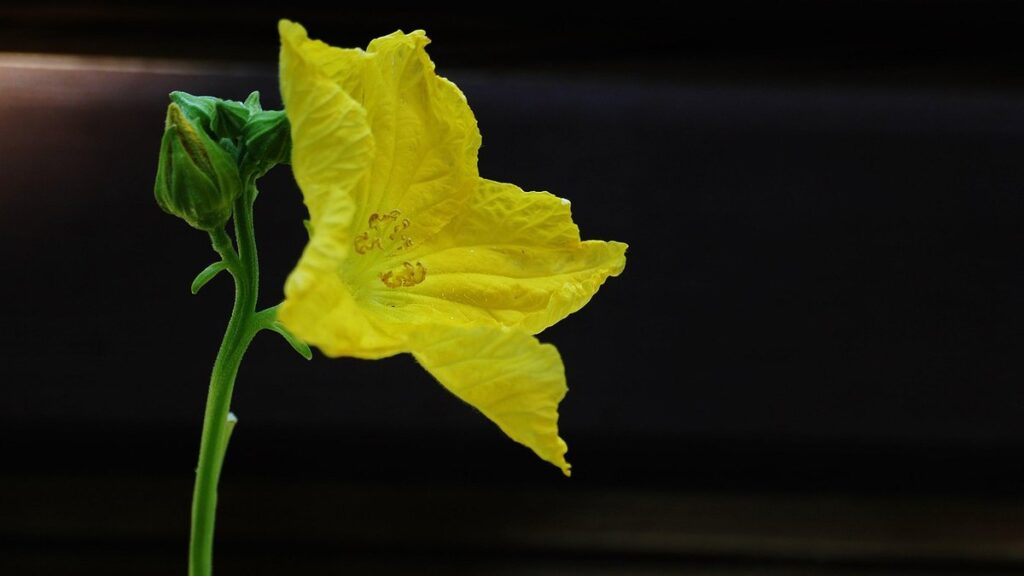
Types of Pumpkins
Let’s take a closer look at the diverse world of pumpkins, where several varieties stand out for their unique characteristics and uses. We’ll explore some of these notable types in more detail.
Introduction to Pumpkin Varieties
When it comes to selecting the perfect pumpkin for your needs, understanding the various types is crucial. There are numerous varieties of pumpkins, each with its unique characteristics, uses, and purposes. For instance, jack-o’-lanterns are a popular choice for carving due to their symmetrical shape and large size, making them ideal for creating spooky designs.
On the other hand, sugar pie pumpkins are a favorite among bakers and cooks because of their sweet, dense flesh and compact size. These pumpkins are perfect for baking pies, soups, and other desserts. Ornamental pumpkins, with their vibrant colors and unique shapes, add a decorative touch to any space.
For those looking to grow their own pumpkins, it’s essential to know which type suits your climate and available space. Some popular varieties among gardeners include ‘Jack Be Little’, ‘Baby Boo’, and ‘Mini Lumina’. These compact pumpkins are easy to grow and require minimal maintenance, making them perfect for small gardens or containers.
Understanding the different types of pumpkins will help you choose the best one for your needs, whether it’s for decoration, cooking, or carving.
Characteristics of Popular Pumpkin Types
When it comes to popular pumpkin types, each variety boasts its own unique characteristics. For instance, the most widely grown pumpkin type, the Jack Be Little, is a compact, symmetrical fruit with a rounded body and smooth skin. It weighs around 5-8 pounds and has a sweet, slightly nutty flavor.
On the other hand, the Atlantic Giant pumpkin is one of the largest types, weighing up to 200 pounds or more. Its large, oval shape makes it perfect for decorating, while its thick, ribbed skin provides a sweet, stringy flesh.
Heirloom varieties like the ‘Cinderella’ and ‘Galeux d’Eysines’ offer even more unique features. The ‘Cinderella’ pumpkin is characterized by its symmetrical shape, smooth skin, and bright orange color. Meanwhile, the ‘Galeux d’Eysines’ boasts a bumpy, warty skin and sweet, moist flesh.
When selecting a popular pumpkin type for your needs, consider factors like size, weight, and flavor profile to choose the perfect one for your project or recipe.
How to Choose the Right Pumpkin Type
Choosing the right type of pumpkin can be overwhelming with so many varieties available. To simplify the process, consider the purpose you want to use the pumpkin for and the growing conditions in your area. For example, if you’re planning to carve a jack-o-lantern, you’ll want a pumpkin with a symmetrical shape and smooth skin.
If you live in an area with limited space or poor soil quality, look for compact or disease-resistant varieties like ‘Jack Be Little’ or ‘Baby Boo’. These pumpkins are perfect for small gardens and can thrive in challenging conditions. On the other hand, if you have a large garden with well-draining soil, consider growing vining pumpkins like ‘Atlantic Giant’ or ‘Long Island Cheese’.
Think about your personal preferences too – do you want a pumpkin with unique characteristics like ridges or stripes? Consider varieties like ‘Cinderella’ or ‘Rouge Vif d’Etampes’. By taking these factors into account, you can choose the perfect pumpkin for your needs and enjoy a successful harvest.
History of Pumpkins and Popular Types
Let’s dive into the fascinating history of pumpkins, from their ancient origins to how they became a staple in fall celebrations worldwide. We’ll explore some popular types along the way!
Origin of Popular Pumpkin Varieties
Pumpkins have been cultivated for thousands of years, with early varieties emerging from the Americas. The iconic Jack Be Little pumpkin, a popular choice for carving and decorating, originated in the 1920s as a result of selective breeding by farmer Orvie Pease. This small, compact variety was designed to be more manageable for smaller gardens and has since become a staple at many fall festivals.
The classic Carving Pumpkin, commonly used for Halloween decorations, is believed to have evolved from the Connecticut Field pumpkin. Developed in the early 20th century, this variety was prized for its symmetrical shape and smooth skin, making it ideal for carving intricate designs.
In recent years, new varieties have emerged, such as the Cinderella pumpkin, with its unique sweet aroma and striking appearance. These modern pumpkins owe their existence to advances in breeding techniques and a growing demand for diverse, visually appealing options. By understanding the origins of these popular pumpkin types, gardeners can appreciate the complexity and richness of their history, and make informed choices when selecting varieties for their own gardens.
How Popular Pumpkin Types Have Changed Over Time
Over the years, popular pumpkin types have undergone significant changes in terms of size, shape, color, and flavor. In the early days of American colonization, pumpkins were primarily grown for their versatility in cooking and preservation. However, as time passed, farmers began to cultivate specific varieties that catered to the growing demand for decorative gourds.
In the 19th century, the Sugar Pie pumpkin became a staple in many households due to its compact size and sweet flavor. These small, symmetrical pumpkins were perfect for baking and cooking. However, with the rise of Halloween celebrations in the mid-20th century, farmers began cultivating larger, more ornamental pumpkins like the Connecticut Field and the Jack Be Little.
Today, we see a vast array of pumpkin varieties, each with its unique characteristics. For instance, the popular Ghost Rider and Baby Boo pumpkins are prized for their white or pale blue skin, while the Cinderella and Rouge Vif d’Etampes varieties boast striking orange hues. Whether you’re a seasoned gardener or an avid decorator, understanding the evolution of these pumpkin types can help you choose the perfect variety for your needs.
In recent years, there has been a growing interest in heirloom and artisanal pumpkins that reflect traditional farming practices and unique flavor profiles. These varieties often have more complex flavors and textures compared to modern hybrid varieties. As consumers become increasingly interested in local, sustainable produce, farmers are responding by cultivating these specialty pumpkins on smaller, family-owned farms.
As you plan your next pumpkin patch visit or decide which variety to grow in your backyard, keep in mind that the diversity of popular pumpkin types is constantly evolving. By exploring different shapes, sizes, colors, and flavors, you can not only enhance your decorative displays but also discover new ways to incorporate pumpkins into your cooking and baking traditions.
Keep an eye out for innovative varieties that cater to emerging trends, such as miniature ‘petite’ pumpkins or pumpkins with intricate patterns. These unique characteristics will help take your pumpkin arrangements to the next level while showcasing the artistry and craftsmanship of local farmers.
Whether you’re drawn to classic shapes like the Jack Be Little or prefer more elaborate designs like the Gourdzilla, there’s a popular pumpkin type out there for every taste and preference.
Uses for Popular Pumpkins
You’ve got your gorgeous pumpkins, but what do you do next? We’ll explore the creative ways to use popular pumpkin varieties in cooking, decorating, and beyond.
Cooking with Popular Pumpkin Types
When it comes to cooking with popular pumpkins, the possibilities are endless. From sweet treats like pies and breads to savory dishes like soups and curries, different pumpkin varieties bring unique flavors and textures to the table.
One of the most versatile types is the Sugar Pie Pumpkin, perfect for making classic pumpkin pie. Its sweet, fine-grained flesh and symmetrical shape make it ideal for filling and baking. For a twist on this classic recipe, try using a Spaghetti Squash Pumpkin, which has a nutty flavor and a soft, squash-like texture that pairs well with sage and brown sugar.
For savory dishes, the Blue Hubbard Pumpkin is a popular choice. Its dense, sweet flesh and coarse texture make it perfect for soups and stews. Simply roast or boil the pumpkin until tender, then puree with your favorite spices and herbs. In Indian cuisine, the Kaddu Pumpkin (also known as the Kabocha Squash) is used to make rich, creamy curries. Its sweet, slightly nutty flavor pairs well with aromatic spices like cumin and coriander.
When cooking with pumpkins, remember to choose a variety that suits your recipe and personal taste preferences. Some popular pumpkin varieties include:
* Sugar Pie Pumpkin (sweet, fine-grained flesh)
* Spaghetti Squash Pumpkin (nutty flavor, soft texture)
* Blue Hubbard Pumpkin (dense, sweet flesh, coarse texture)
* Kaddu Pumpkin (sweet, slightly nutty flavor, rich in beta-carotene)
Experiment with different cooking techniques and recipes to unlock the full potential of your favorite pumpkin variety. Happy cooking!
Decorating and Crafting with Popular Pumpkins
When it comes to decorating and crafting with popular pumpkins, the possibilities are endless. You can arrange them on a porch or patio to create a warm and inviting ambiance, or use them as centerpieces for a Halloween party or autumnal gathering.
One of the most popular ways to decorate with pumpkins is through carving. You can use traditional patterns like jack-o’-lantern faces or get creative with intricate designs and shapes. To add an extra touch, you can paint or stain your pumpkin with metallic or matte finishes to give it a unique look.
If you’re not feeling confident in your carving skills, consider painting your pumpkins instead. This is a great option for kids or those who want to achieve a more delicate design. You can use acrylic paints and add details like glitter or stickers to make your pumpkin truly special.
Some popular ways to arrange your decorated pumpkins include grouping them together on a tiered stand or displaying them in a decorative bowl or vase. You can also place them around a mantel or staircase for added visual interest.
Health Benefits and Nutrition Facts
You’re probably wondering what pumpkin can do for you beyond its great taste, so let’s dive into the health benefits and nutrition facts of this versatile gourd.
Nutritional Content of Popular Pumpkin Types
When it comes to nutrition, not all pumpkins are created equal. The most popular types of pumpkin differ significantly in terms of their nutritional content, which can impact the health benefits they offer.
Sugar Pie Pumpkin: With its sweet and nutty flavor, Sugar Pie Pumpkins boast an impressive 2.5 grams of fiber per cup, making them a great choice for digestive health. They also contain high levels of vitamin A and C, with 1 medium-sized pumpkin providing over 100% of the daily recommended intake.
Jack-o-Lantern Pumpkin: While often used for decoration, Jack-o-Lantern Pumpkins still pack a nutritional punch. Rich in beta-carotene, an antioxidant that converts to vitamin A in the body, these pumpkins can help protect against cell damage and promote healthy vision.
How you cook your pumpkin is also crucial for retaining its nutrients. To maximize fiber content, bake or boil your pumpkin instead of microwaving it, which can break down some of the delicate fibers. Simply cut your pumpkin in half lengthwise, scoop out seeds, and roast at 400°F (200°C) for about an hour, or until tender.
Some popular ways to prepare pumpkins include roasting, pureeing, and making soup. To get the most nutritional benefits from these methods, be sure to cook your pumpkin thoroughly, as undercooked or raw pumpkin may cause digestive issues in some individuals.
Potential Health Risks Associated with Eating Pumpkins
While pumpkins are a nutritious and delicious addition to many dishes, there are some potential health risks to be aware of, especially for individuals with certain dietary restrictions or sensitivities. One of the most common concerns is an allergy to pumpkin, which can cause symptoms ranging from mild hives to life-threatening anaphylaxis.
For people with digestive issues, eating large amounts of pumpkin can be problematic due to its high fiber content. Consuming too much fiber in a short period can lead to bloating, gas, and stomach cramps. Additionally, individuals with irritable bowel syndrome (IBS) may experience discomfort or exacerbate their symptoms after consuming pumpkin.
If you have a pre-existing medical condition or are taking certain medications, it’s essential to consult with your healthcare provider before incorporating pumpkin into your diet. For instance, those taking blood thinners should be cautious when eating large quantities of pumpkin due to its high vitamin K content.
To minimize potential health risks, start by introducing small amounts of pumpkin into your diet and monitor your body’s response. If you experience any discomfort or adverse effects, discontinue use and consult with a healthcare professional for guidance.
Growing and Caring for Popular Pumpkins
Now that you’ve got your pumpkin picked out, let’s dive into how to grow and care for it to bring out its full potential in your garden.
Tips for Growing the Most Popular Pumpkin Types
When it comes to growing the most popular pumpkin types, understanding their specific needs is crucial for success. Let’s take a closer look at some essential tips for cultivating these beloved gourds.
To start with, make sure you have well-draining soil with a pH between 6.0 and 6.8. This will help your pumpkins thrive in various climates and environments. For example, ‘Jack Be Little’ pumpkins prefer slightly acidic soil, while ‘Baby Boo’ varieties do best in neutral to alkaline conditions.
Water your pumpkin plants regularly, but avoid overwatering, which can lead to fungal diseases like powdery mildew. Aim for about 1 inch of water per week, either from rainfall or irrigation. Prune your vines by removing weak growth and encouraging the most productive stems. This will not only promote healthy growth but also prevent pests like aphids and squash bugs.
Effective pest management is also vital when growing popular pumpkin types. Use row covers to prevent whiteflies and other insects from reaching your plants, and remove any affected leaves or stems immediately.
How to Store and Preserve Pumpkins
After carefully harvesting and cleaning your prized pumpkins, it’s essential to store and preserve them properly to enjoy their sweetness throughout the year. But did you know that improper storage can lead to spoilage and mold growth? To avoid this fate, let’s explore some practical methods for drying, freezing, and canning pumpkins.
Drying is an excellent way to preserve pumpkins, especially if you live in a dry climate. Slice or cube your pumpkins and lay them out on a wire rack set over a sheet pan. Place the setup in a low-temperature oven (150°F – 200°F) for 3-4 hours, or until the pumpkin pieces are completely dry and crumbly. You can also use a food dehydrator following the manufacturer’s instructions.
Another option is to freeze your pumpkins. Scoop out the flesh, remove excess moisture, and puree it in a blender or food processor. Transfer the mixture to airtight containers or freezer bags, leaving about an inch of space for expansion during freezing. Frozen pumpkin puree can be used in baked goods, soups, and other recipes.
Canning is also a viable method, but it requires some expertise and equipment. Research safe canning procedures and follow tested recipes to ensure your pumpkins are properly sterilized and sealed. When done correctly, canned pumpkin can last up to 12 months on pantry shelves.
Conclusion and Final Thoughts
In conclusion, the Sugar Pie pumpkin stands out as the most popular type of pumpkin among gardeners and bakers alike. Its versatility, sweet flavor, and compact size make it an ideal choice for a variety of recipes. Whether you’re looking to bake a delicious pie or create a beautiful fall decoration, the Sugar Pie is definitely worth considering.
If you’re new to growing your own pumpkins, we recommend starting with this variety as it’s relatively easy to care for and requires minimal space. With proper care, your Sugar Pie pumpkin will thrive in no time! So go ahead and give it a try – we promise you won’t be disappointed.
Frequently Asked Questions
Can I grow pumpkins from seeds I found at the grocery store?
While it’s technically possible to try growing pumpkins from seeds you find at a grocery store, it’s unlikely they’ll produce fruit that’s suitable for eating or carving. Grocery store pumpkins are often hybrid varieties bred specifically for their size, shape, and storage life, not for seed production.
What if I don’t have enough space to grow multiple pumpkin varieties?
Consider growing compact or vining pumpkin varieties that can thrive in smaller spaces. These types of pumpkins are perfect for container gardens or even indoor growing. You can also try growing a single variety with multiple uses, like ‘Jack Be Little’ which is suitable for both cooking and carving.
How long do pumpkins typically last when stored properly?
When stored in a cool, dry place with good ventilation, whole pumpkins can last for several months. However, cut or carved pumpkins will only keep for about 5-7 days due to moisture loss and increased risk of mold. To extend their shelf life, try using the ‘crown’ method: trim the stem, then coat the cut surfaces with a thin layer of petroleum jelly.
Can I use pumpkin puree in place of other sweeteners or oils in my recipes?
While pumpkin puree adds natural sweetness and moisture to baked goods, it’s not a direct substitute for sugar or oil. When using canned pumpkin puree, reduce the amount of added sugar by about 25% and be prepared for a slightly denser texture. For oil-based recipes, use a combination of pumpkin puree and another oil (like coconut or olive) to achieve the right consistency.
How do I know if my pumpkin is ripe and ready to harvest?
Check for a hard, smooth rind with no soft spots. A ripe pumpkin will also have a deep, rich color, depending on its variety. When gently tugged at the stem end, the skin should come away from the fruit with minimal resistance, indicating it’s fully matured.