
Are you captivated by the tall spikes of colorful blooms that seem to dance in the breeze? You’re not alone! Lupine-like flowers have been a gardener’s delight for centuries, and it’s no wonder why. These delicate yet resilient plants bring a touch of elegance and whimsy to any garden. Not only are they stunning to behold, but lupine-like flowers also possess medicinal properties that have been utilized for generations. From their ornamental value to their practical applications, these blooms are a treasure trove of interest. In this article, we’ll delve into the world of lupine-like flowers, exploring their characteristics, types, and growth requirements. We’ll also discuss common issues and tips on how to incorporate these beautiful plants into your garden for maximum enjoyment.
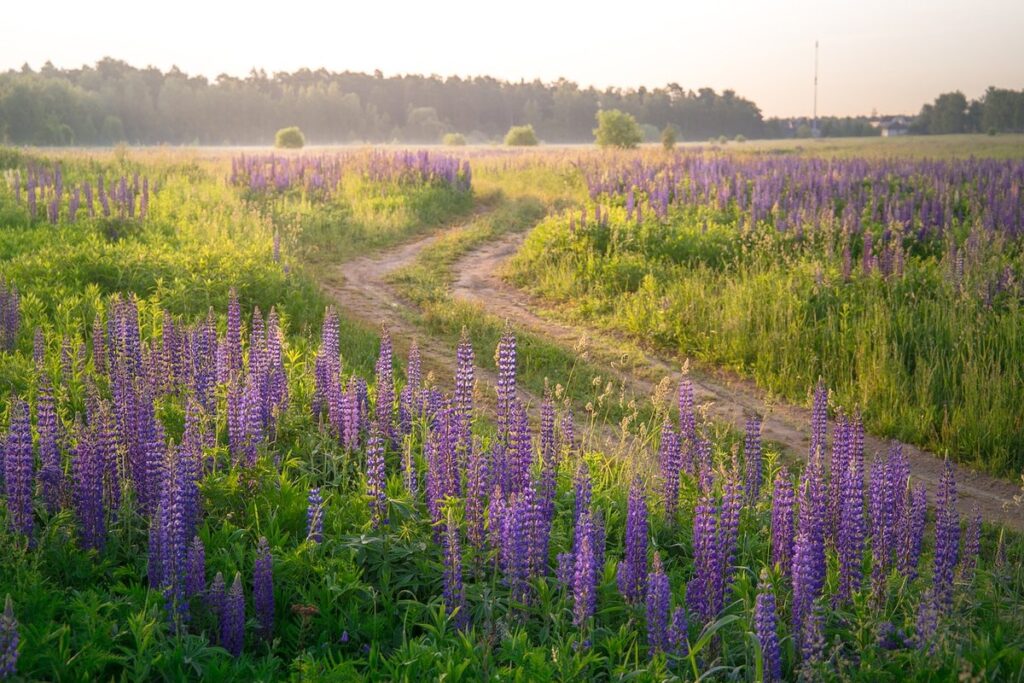
What are Lupine Like Flowers?
Lupine-like flowers, including delphiniums and monk’s hood, share similarities in appearance and characteristics that can be easily mistaken for lupines themselves. Let’s take a closer look at what sets them apart.
Characteristics of Lupine Like Flowers
Lupine like flowers are known for their distinctive physical appearance. They typically have a tall and stately habit, often growing between 2 to 6 feet in height, with a spread of around 1-3 feet. Their foliage is usually fern-like or needle-like, and they produce spikes of colorful blooms in shades of pink, purple, white, and red. These flowers are also known for their long-blooming period, often flowering from mid-spring to early summer.
Their growth habits can vary depending on the specific species, but most lupine like flowers prefer well-drained soil and full sun to partial shade. They are also relatively low-maintenance, requiring minimal pruning and care. In terms of classification, these flowers belong to the Legume family (Fabaceae) and are related to beans, peas, and other legumes.
In practical terms, if you’re looking to grow lupine like flowers in your garden, make sure to provide them with a spot that receives at least 6 hours of direct sunlight per day. Also, be prepared for the possibility of invasive growth, as some species can spread quickly through underground stolons or rhizomes. With proper care and attention, however, these beautiful flowers can add a stunning pop of color to your garden for months on end.
Types of Lupine Like Flowers
Lupine like flowers are a diverse group of plants that share similarities with lupines, but belong to different species. One such example is Delphinium, also known as Larkspur. While they have similar tall spikes of colorful blooms, delphiniums tend to be more upright and stately in appearance, often reaching heights of over 3 feet.
Another notable type of lupine like flower is Monk’s Hood (Aconitum). This plant boasts a distinctive top hat-shaped bloom that adds an air of drama to any garden. However, it’s essential to exercise caution when handling Monk’s Hood, as the sap can be toxic if ingested or touched bare-handed.
If you’re looking for a more vibrant and low-maintenance option, consider growing Lupinus x russellii hybrids. These hardy perennials produce stunning spikes of pink, purple, and white blooms that attract pollinators and add a pop of color to your garden. When selecting lupine like flowers, remember to choose varieties suitable for your climate and soil type to ensure they thrive in your garden.
These plants share similarities with lupines but have unique characteristics that make them stand out. By understanding the differences between species, you can create a beautiful and diverse flower bed that attracts a variety of wildlife.
Growing Conditions for Lupine Like Flowers
When growing lupine-like flowers, understanding their specific needs is crucial for a successful bloom. In this next part, we’ll explore the ideal conditions for these unique and beautiful plants to thrive.
Optimal Climate and Soil Requirements
When it comes to growing lupine-like flowers, understanding the optimal climate and soil requirements is crucial for success. These delicate blooms thrive in environments with moderate temperatures, making them perfect for temperate climates.
Temperature-wise, lupine-like flowers prefer daytime temperatures between 65°F (18°C) and 75°F (24°C), while nighttime temperatures should dip to around 55°F (13°C). This fluctuation allows the plants to undergo proper growth and blooming. Avoid exposing your lupines to extreme temperature fluctuations, as this can lead to stress and reduced flowering.
Sunlight is another critical factor for these flowers. They require full sun to partial shade, meaning they need at least six hours of direct sunlight per day. If grown in areas with intense sunlight, ensure the soil has adequate moisture to prevent scorching.
Well-draining soil is also vital for lupine-like flowers, as their roots are sensitive to waterlogged conditions. Mix in compost or well-rotted manure to improve drainage and provide essential nutrients. Aim for a slightly acidic to neutral soil pH (around 6.0-7.0) to promote healthy growth. By following these climate and soil guidelines, you’ll be well on your way to cultivating stunning lupine-like flowers.
Preparing the Garden Bed
When preparing the garden bed for lupine like flowers, it’s essential to consider their specific growing requirements. One of the most critical factors is soil pH levels. Lupines prefer slightly acidic to neutral soils, with a pH range of 6.0 to 7.0. If your soil is too alkaline or acidic, amend it with organic matter such as compost or peat moss to adjust the pH.
Fertilization needs also play a crucial role in lupine growth. These flowers thrive in well-draining soils rich in nutrients, but they don’t require excessive fertilization. Use a balanced fertilizer (10-10-10 NPK) at planting time and follow up with an application of compost tea or fish emulsion to promote healthy growth.
To control pests and diseases, maintain good garden hygiene by removing weeds and debris regularly. Also, keep an eye out for common issues like powdery mildew, leaf spot, and root rot, which can be managed through copper-based fungicides and proper water management. By creating a hospitable environment, you’ll set your lupine-like flowers up for success and enjoy a bountiful bloom.
How to Plant Lupine Like Flowers
To successfully grow lupine-like flowers, you’ll need to follow some essential steps when planting them, including preparing the soil and selecting the right spot. Let’s dive into those key details next.
Sowing Seeds or Seedlings
When it comes to planting lupine-like flowers, you have two main options: sowing seeds directly into the garden or transplanting seedlings. Both methods have their advantages and disadvantages, but with a little planning and care, you can achieve stunning results.
Sowing seeds directly into the garden is a cost-effective method that allows for more flexibility in terms of spacing. To do this, sow lupine seeds about 1/4 inch deep and 6-8 inches apart in late fall or early spring, depending on your climate. Keep the soil consistently moist during the germination period (about 7-10 days), but avoid overwatering, which can lead to rot.
Alternatively, you can start seedlings indoors 6-8 weeks before the last frost date and transplant them into the garden when they have 2-3 sets of leaves. Space the seedlings about 12-18 inches apart, making sure not to disturb their roots during the transplant process. This method ensures a head start on the growing season but requires more time and effort.
Remember to choose a location with full sun and well-draining soil for optimal growth.
Aftercare and Maintenance
After planting lupine-like flowers, it’s essential to provide them with proper aftercare and maintenance to ensure they thrive. Watering is crucial, especially during the first growing season. Water your plants regularly, but make sure not to overwater, which can lead to root rot. Aim for about 1 inch of water per week, either from rain or irrigation.
Pruning is another critical aspect of lupine care. After blooming, cut back the flower stalks to about 3-4 inches above the ground. This will help promote new growth and prevent seed production, which can deplete the plant’s energy. In the fall, cut back any remaining foliage to within an inch or two of the ground.
To promote healthy growth, fertilize your lupines annually with a balanced, slow-release fertilizer. Mulch around the plants to retain moisture and suppress weeds. Monitor for pests and diseases, such as aphids and powdery mildew, and treat promptly if necessary. By following these care tips, you’ll be rewarded with vibrant blooms and lush foliage from your lupine-like flowers year after year.
Common Problems with Lupine Like Flowers
When growing lupine-like flowers, you may encounter some common issues that can be frustrating to deal with. This section will help you identify and troubleshoot these problems.
Pest and Disease Management
Pests and diseases can be a major concern when growing lupine-like flowers. Aphids, whiteflies, and spider mites are common pests that feed on sap, causing curled or distorted leaves. To prevent infestations, inspect plants regularly and remove any infected areas. Use neem oil or insecticidal soap to control outbreaks.
Diseases such as powdery mildew, leaf spot, and root rot can also affect lupine-like flowers. Fungal diseases thrive in moist environments, so ensure good air circulation around plants. Regularly water plants at the base rather than from above, and avoid overhead irrigation. Remove any infected leaves or stems to prevent the spread of disease.
In severe cases, treat fungal diseases with fungicides containing copper or sulfur. For root rot, repot affected plants in well-draining soil and remove any dead roots. Keep an eye out for signs of pests and diseases, and take action promptly to prevent them from spreading and causing significant damage to your lupine-like flowers.
It’s also essential to maintain good hygiene when handling plants, as many pests and diseases can be spread through human contact. Wash your hands before and after touching plants, and disinfect any tools or equipment that come into contact with soil or plants.
Common Issues in the Garden
When growing lupine-like flowers, it’s not uncommon to encounter some common issues that can hinder their growth and blooming potential. Poor germination rates are one of the most frustrating problems gardeners face. This can be due to a variety of factors such as inadequate soil preparation, insufficient moisture, or even contamination from other seeds. To improve germination rates, make sure to sow seeds in well-draining soil with adequate sunlight and maintain consistent moisture levels.
Another issue lupine-like flowers may experience is excessive foliage growth at the expense of blooms. This can be caused by over-fertilization or inadequate pruning practices. To balance foliage growth with blooming potential, prune your plants regularly to encourage bushy growth and remove any weak or spindly stems. Additionally, use a balanced fertilizer that promotes root development rather than leaf growth.
Some lupine-like flowers may also be susceptible to pests like aphids, whiteflies, or slugs, which can damage leaves and reduce blooming potential. Keep an eye out for these pests and take action promptly if you notice any infestations. Regularly inspect your plants, water thoroughly, and use natural pest control methods whenever possible.
Uses and Benefits of Lupine Like Flowers
Lupine-like flowers have a wide range of practical uses, from attracting pollinators to adding beauty to your garden. We’ll explore some of these benefits in more detail below.
Ornamental Value
Lupine-like flowers are not only visually stunning but also offer numerous benefits when it comes to their ornamental value. One of the most significant advantages is their ability to add a pop of color and texture to any landscape or garden design. Their tall spikes and vibrant blooms can be used as a focal point, drawing attention to specific areas of the yard.
In addition to their aesthetic appeal, lupine-like flowers also play a vital role in attracting pollinators such as bees, butterflies, and hummingbirds. By incorporating these flowers into your landscape or floral arrangements, you’re not only adding beauty but also supporting local ecosystems. Consider planting a mix of lupine-like flowers that bloom at different times to provide a constant source of nectar for pollinators throughout the growing season.
When using lupine-like flowers in landscaping, remember to plant them in well-draining soil and full sun to maximize their blooming potential. For floral arrangements, choose blooms with varying heights and textures to create visually appealing combinations.
Medicinal Properties
Lupine like flowers have been used for centuries in traditional medicine and herbalism due to their rich array of medicinal properties. One of the most notable types is the Lupinus angustifolius, commonly known as the narrow-leaved lupin, which contains compounds that exhibit anti-inflammatory and antibacterial activities.
In particular, the flavonoids present in these flowers have been shown to possess antioxidant properties, capable of neutralizing free radicals and protecting cells from oxidative damage. This has led to their use in treating a variety of ailments, including digestive issues and skin conditions.
The roots of certain lupine like species have also been employed for their analgesic effects, providing relief from pain and inflammation. To harness these medicinal properties, one can infuse the flowers or roots in oil or water to create topical treatments or teas.
When using these plants medicinally, it is essential to consult with a healthcare professional or experienced herbalist due to potential interactions with other medications or health conditions.
Conclusion: Enjoying Lupine Like Flowers
Now that you’ve learned how to grow and care for lupine-like flowers, it’s time to enjoy them at their best. Let’s explore a few ways to get the most out of these beautiful blooms.
Tips for Longer Bloom Periods
To enjoy lupine-like flowers throughout their growing season, it’s essential to maximize their bloom period. One way to do this is by selecting varieties that are bred for longer blooming times. Some popular options include ‘Russell’ and ‘Wedgewood Blue’, which can produce blooms for up to 12 weeks.
In addition to choosing the right variety, providing optimal growing conditions will also help extend the bloom period. Make sure your lupines receive full sun to partial shade, depending on the specific type, and well-draining soil with a slightly acidic pH. Regular watering is crucial, but avoid overwatering, which can lead to root rot and shorten the blooming season.
Deadheading spent blooms can also encourage lupines to produce new flowers throughout the growing season. This process involves removing the seed pod that forms after the flower has finished blooming, as this tells the plant it’s time to focus on seed production rather than continued flowering.
Another strategy for prolonging bloom periods is to stagger planting times, allowing successive blooms throughout the spring and early summer months. By planting a mix of early, mid-season, and late-blooming varieties, you can enjoy lupine-like flowers from April to July or even August in cooler climates.
Regular fertilization can also help promote healthy growth and encourage continued blooming. Feed your lupines with a balanced fertilizer in the spring, followed by a high-phosphorus fertilizer when blooms are fading. This will provide essential nutrients for root development and support new flower production.
By implementing these tips, you’ll be able to enjoy lupine-like flowers throughout their entire growing season, adding color and vibrancy to your garden from late spring through early summer.
Frequently Asked Questions
Can I grow lupine-like flowers in containers?
Yes, you can definitely grow these beautiful plants in containers! Just make sure to choose a container with good drainage, as lupines like soil that’s well-draining. Also, be mindful of the plant’s mature height and provide support if necessary.
What are some common pests or diseases that affect lupine-like flowers?
Pests like aphids, slugs, and snails can be problematic for lupine-like flowers. Regularly inspect your plants for signs of infestation and use organic pest control methods whenever possible. Fungal diseases like powdery mildew and leaf spot can also occur; treat these promptly with fungicides to prevent spread.
How do I encourage my lupine-like flowers to bloom longer?
To promote a longer blooming period, deadhead your plants regularly to encourage new blooms. Also, provide support for the tall spikes of flowers to keep them upright and healthy. Finally, make sure your plants are getting enough sunlight and water – most lupine-like flowers require full sun and well-draining soil.
Can I grow different types of lupine-like flowers together?
While it’s technically possible to grow multiple species together, be aware that they may have slightly different growth habits and requirements. Delphiniums, for example, can be quite aggressive in the garden, so provide them with some space to spread out. Other species like monk’s hood are more compact and can thrive in smaller spaces.
Are lupine-like flowers toxic to pets or children?
Yes, many species of lupine-like flowers contain toxins that can be hazardous to pets and children if ingested. Delphiniums, for example, contain a toxin called delphinine, which can cause nausea and vomiting if eaten. If you have pets or young children in your household, take necessary precautions to prevent accidental ingestion – keep plants out of reach and trim off any dead or dying flowers that may be attractive to curious critters.