
Are you ready to spice up your cooking with some exciting new additions? Long green peppers are often overlooked in favor of their more vibrant counterparts, but they bring a unique flavor and nutritional punch to the table. From crunchy bell peppers to sweet pepper varieties, there’s a wealth of options to explore within this humble category. Whether you’re a seasoned gardener or a curious cook, understanding the characteristics and growing tips for long green peppers can unlock a world of culinary possibilities.
In this article, we’ll delve into the wonderful world of long green peppers, covering their taste, texture, and health benefits, as well as expert advice on how to grow them in your garden. You’ll learn how to incorporate these nutritious veggies into your cooking, from stir-fries and salads to roasted side dishes and more. Get ready to elevate your meal prep game with the incredible versatility of long green peppers!
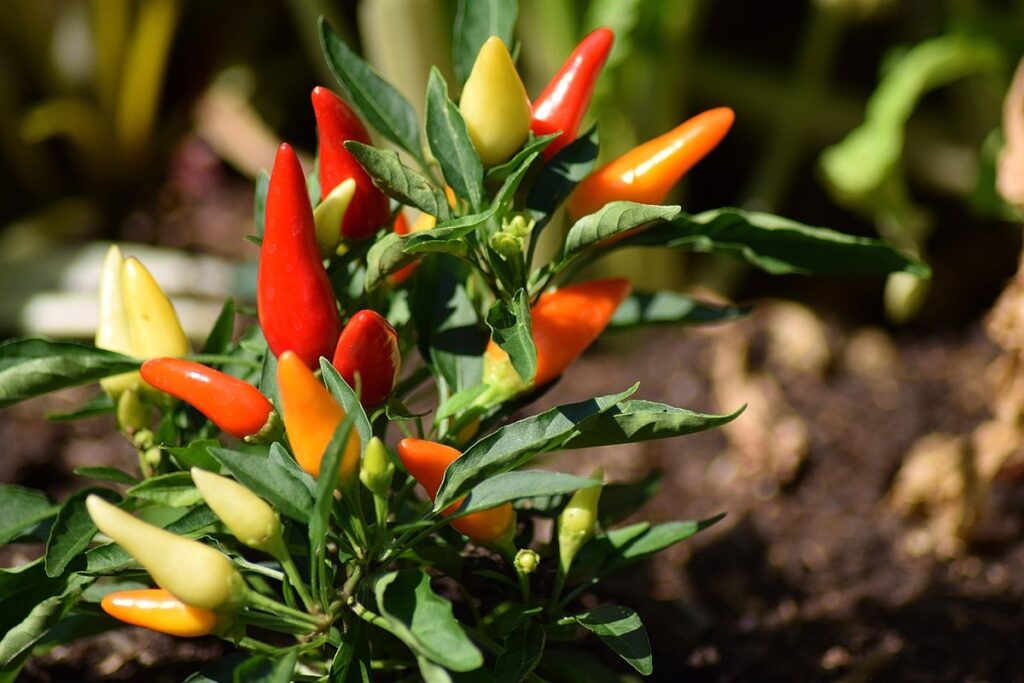
Types of Long Green Peppers
Let’s dive into the fascinating world of long green peppers and explore some of the most popular types, each with its unique flavor profile. From sweet to spicy, we’ll cover them all!
Overview of Bell and Sweet Pepper Classification
When it comes to long green peppers, you’ll often come across them being classified as either bell or sweet peppers. While they may seem like interchangeable terms, this classification is actually quite important for understanding their characteristics.
Bell and sweet peppers are essentially the same type of pepper, but with some key differences in texture and usage. Bell peppers are typically harvested when they’re green and immature, whereas sweet peppers are allowed to ripen further and turn color. The main reason for this classification is that it helps gardeners and cooks determine how to use each variety.
For example, bell peppers are great for stuffing or adding crunch to salads, while sweet peppers are sweeter and often used in stir-fries or roasted as a side dish. By understanding whether you’re working with a bell or sweet pepper, you can make the most of its unique flavor and texture. So next time you’re planning a recipe or visiting your local farmer’s market, keep an eye out for these subtle differences – it’ll help take your cooking to the next level!
Characteristics of Bell Peppers
Bell peppers are one of the most recognizable long green pepper varieties. They come in an array of colors including green, red, yellow, orange, and purple, depending on their ripeness and maturity stage. In their immature stage, bell peppers have a firm, crisp texture and are typically harvested when still green.
One of the defining characteristics of bell peppers is their blocky, slightly rounded shape, with four sides that taper towards the stem end. This distinctive shape makes them ideal for slicing, chopping, or stuffing. The flesh of a mature bell pepper is tender, juicy, and sweet, with minimal seeds. Due to their mild flavor and crunchy texture, bell peppers are incredibly versatile in cooking.
They can be sautéed, grilled, roasted, or raw, making them an excellent addition to salads, stir-fries, sandwiches, and sauces. Green bell peppers are particularly good for adding a burst of freshness to dishes without overpowering the other flavors. When choosing bell peppers, look for firmness, even color, and minimal signs of bruising or soft spots for optimal flavor and texture.
Characteristics of Sweet Peppers
When it comes to sweet peppers, they’re often considered one of the most versatile and popular long green pepper varieties. One of their standout characteristics is their unique flavor profile, which can range from slightly sweet to almost neutral, depending on the specific variety.
In terms of flavor, sweet peppers tend to have a milder taste compared to other types of peppers, making them an excellent choice for snacking or adding to dishes without overpowering the other ingredients. Their texture is also relatively soft and smooth, which makes them easy to chop up and incorporate into various recipes.
When it comes to using sweet peppers in cooking, there are countless possibilities. For instance, they can be stuffed with cheese, herbs, or meat for a tasty main dish, roasted as a side, or even pickled for a tangy snack. One of the most popular ways to prepare sweet peppers is by grilling them – simply brush them with olive oil, season with salt and pepper, and cook over medium heat until slightly charred.
Whether you’re using sweet peppers in a traditional recipe or experimenting with new flavors, their adaptability makes them an excellent addition to any meal.
Growing Long Green Pepper Varieties
If you’re eager to grow your own long green pepper varieties, this section will walk you through the process of cultivating these popular peppers. Let’s get started on growing your favorite variety!
Factors Affecting Growth and Yield
Growing long green pepper varieties can be a rewarding experience, but it’s essential to understand the key factors that affect their growth and yield. Climate plays a significant role in determining the success of your crop. Long green peppers prefer a warm and sunny climate with average temperatures between 65°F and 75°F (18°C and 24°C). If you live in an area with frost, it’s best to start seedlings indoors and then transplant them outside when the weather warms up.
Soil quality is another crucial factor that impacts the growth of your long green pepper plants. They thrive in well-draining soil with a pH between 6.0 and 7.0. Make sure your soil has sufficient organic matter, such as compost or manure, to provide essential nutrients. Regularly check for pests and diseases, like aphids, whiteflies, and powdery mildew, which can significantly reduce yields.
To ensure optimal growth, maintain consistent moisture levels, providing about 1-2 inches of water per week through rainfall or irrigation. Mulching around the plants will also help retain moisture and suppress weeds, further supporting their growth. By paying attention to these factors, you’ll be well on your way to growing a thriving crop of long green peppers.
Optimal Growing Conditions for Long Green Peppers
When growing long green peppers, providing optimal conditions is crucial for maximum yield and flavor. Long green peppers thrive in warm temperatures between 65°F to 75°F (18°C to 24°C). Avoid exposing them to frost or prolonged periods below 50°F (10°C), as this can damage the plant.
Humidity levels also play a significant role, with long green pepper plants requiring a relatively high humidity of around 60-70%. To maintain this level, you can place the plants on a tray filled with water and pebbles or use a humidifier nearby. Keep in mind that overwatering is detrimental to these plants, so ensure good drainage.
In terms of sunlight, long green pepper varieties need full sun to produce well. Aim for at least six hours of direct sunlight per day. However, if you’re growing them in a container, consider providing some afternoon shade to prevent scorching. By replicating the optimal conditions found naturally, you can significantly improve your chances of harvesting a bountiful crop of long green peppers.
Common Challenges in Growing Long Green Peppers
Growing long green pepper plants can be a rewarding experience for gardeners, but it’s not without its challenges. One of the most common issues faced by growers is nutrient deficiencies. Long green peppers require a balanced diet of nutrients to produce healthy and flavorful fruits. A lack of essential micronutrients like iron, magnesium, or potassium can cause stunted growth, yellowing leaves, and reduced fruit production.
Fungal infections are another major challenge when growing long green pepper plants. Fungal diseases such as powdery mildew, leaf spot, and root rot can quickly spread and destroy an entire crop if not addressed promptly. To prevent fungal infections, gardeners should ensure good air circulation around the plants, water them at soil level to avoid splashing leaves, and remove any infected leaves or stems.
Additionally, long green pepper plants are susceptible to pests like aphids, whiteflies, and spider mites. These pests can transmit diseases and cause significant damage to the plant. Regularly inspecting your plants for signs of pest infestations and using organic pest control methods can help prevent these issues.
In extreme weather conditions, such as intense heat or cold snaps, long green pepper plants may experience stress, leading to reduced fruit production or plant death. To mitigate this risk, gardeners should choose varieties that are tolerant of their local climate and provide protection for the plants during periods of extreme weather.
Popular Long Green Pepper Varieties
If you’re looking for inspiration for your next gardening project, this section highlights some of the most popular long green pepper varieties perfect for any climate. Let’s take a closer look at these amazing options!
California Wonder: A Classic Choice
The ‘California Wonder’ is one of the most recognizable and beloved long green pepper varieties. This heirloom variety has been a staple in American gardens for over a century, prized for its unique characteristics and versatility. Its slender, tapering shape makes it ideal for slicing into thin strips or rings, perfect for adding a pop of color to salads, sandwiches, and stir-fries.
In terms of flavor, the ‘California Wonder’ boasts a sweet, crunchy taste with a hint of bitterness. This balanced flavor profile makes it an excellent choice for snacking, as well as adding depth to various recipes. When cooked, the peppers develop a slightly smoky undertone that pairs well with Mediterranean-inspired dishes.
One of the key benefits of growing ‘California Wonder’ peppers is their adaptability to different cooking methods. They can be roasted, grilled, sautéed, or even pickled for a tangy addition to meals. Whether you’re a seasoned gardener or just starting out, this variety is an excellent choice for its ease of cultivation and versatility in the kitchen.
Sweet Million: A High-Yielding Variety
If you’re looking for a high-yielding long green pepper variety that won’t disappoint, look no further than ‘Sweet Million’. This popular choice among home gardeners is renowned for its exceptional production and disease resistance. With an average yield of over 12 peppers per plant, Sweet Million is perfect for those who want to harvest a steady supply of fresh peppers throughout the season.
One of the standout features of Sweet Million is its adaptability to different growing conditions. It thrives in full sun to partial shade, making it suitable for a variety of garden settings. Its compact growth habit also means that it won’t take up too much space in your garden bed, allowing you to grow multiple plants without sacrificing valuable real estate.
In terms of taste and texture, Sweet Million delivers. The peppers are crunchy and sweet, with a slightly smoky flavor that adds depth to any dish. Whether you’re using them as a snack, adding them to salads, or incorporating them into stir-fries, Sweet Million peppers are sure to impress. With its impressive yield, adaptability, and delicious flavor, it’s no wonder why Sweet Million is a favorite among home gardeners.
Cubanelle: A Spicy and Versatile Option
The Cubanelle pepper is a type of long green pepper that has gained popularity in recent years due to its unique flavor profile and versatility in cooking. Native to Cuba, this variety is known for its sweet, mild flavor with hints of anise or licorice, making it a great addition to many dishes.
In terms of physical characteristics, the Cubanelle pepper is typically 6-8 inches long, slender, and has a slightly curved shape. Its thin skin is often smooth and glossy, with three ridges running along its length. When ripe, the pepper will turn from a bright green to a yellow or golden color.
Cubanelle peppers can be used in a variety of ways in cooking. They pair well with Mediterranean-inspired dishes, such as grilled meats or vegetables, and are also great in soups, stews, and stir-fries. Additionally, they can be roasted or sautéed to bring out their natural sweetness.
Cooking with Long Green Peppers
When it comes to cooking with long green peppers, the possibilities are endless and can add a burst of flavor to a variety of dishes. Let’s explore some simple yet delicious recipe ideas using this versatile pepper.
Grilling and Roasting Techniques
When it comes to bringing out the natural sweetness of long green peppers, grilling and roasting are two techniques that can’t be beat. To start, make sure to choose firm, vibrant peppers with a glossy appearance. Preheat your grill or oven to high heat – you’re aiming for a nice char on the outside.
For grilling, brush both sides of the pepper with olive oil and season with salt, pepper, and any other desired herbs or spices. Throw them onto the grill and cook for 5-7 minutes per side, or until the skin is blistered and blackened. Wrap the peppers in foil to steam off the skin, then slice open to reveal the tender flesh.
Roasting long green peppers is a similar process. Simply place them on a baking sheet lined with parchment paper, drizzle with oil, and sprinkle with salt and pepper. Roast at 425°F (220°C) for 30-40 minutes, or until the skin is blistered and charred. Remove from heat and let cool before peeling off the skin.
By incorporating these techniques into your cooking routine, you’ll unlock the full flavor potential of long green peppers – sweet, smoky, and utterly delicious!
Sauteing and Stir-Frying Methods
When it comes to cooking with long green peppers, sautéing and stir-frying are two of the best methods for bringing out their natural sweetness. To do this effectively, start by selecting peppers that are firm and glossy, as they will yield better results.
For quick-cooking techniques, you can’t go wrong with a classic stovetop stir-fry. Heat some oil in a wok or large skillet over high heat, then add sliced long green peppers and cook for 2-3 minutes on each side. Add your choice of protein – such as chicken, beef, or tofu – and cook until browned.
If you prefer to sauté your long green peppers, try cooking them in a mixture of butter and olive oil over medium heat. This combination adds a richness and depth of flavor that pairs perfectly with the pepper’s natural sweetness. Simply slice the peppers thinly and cook for 3-4 minutes on each side, or until tender.
One key tip to remember is to not overcrowd your pan – cook in batches if necessary – as this can lead to steaming instead of sautéing.
Using Long Green Peppers in Salads and Soups
Long green peppers add a burst of flavor and crunch to salads and soups, making them an excellent addition to a variety of dishes. When it comes to using long green peppers in salads, think beyond just chopping them up and tossing them in. Try roasting the peppers before slicing them to bring out their natural sweetness. Then, combine them with juicy tomatoes, creamy feta cheese, and a drizzle of balsamic glaze for a Mediterranean-inspired salad.
For soups, long green peppers add a depth of flavor and a pop of color. Use them in place of traditional bell peppers in your favorite soup recipe or try a Thai-inspired coconut soup with the peppers sautéed in aromatic spices and herbs. To make the most of their nutritional benefits, be sure to use the entire pepper, including the seeds and membranes.
Some of our favorite ways to use long green peppers include adding sliced peppers to a hearty minestrone soup for an extra boost of flavor and fiber or using them as a crunchy topping for a creamy broccoli cheddar soup. Experiment with different cooking methods and recipe combinations to find your own unique uses for these versatile peppers.
Health Benefits and Nutrition
Long green peppers are not only a flavorful addition to your meals, but they’re also packed with nutrients that can boost your overall health. Let’s explore their remarkable health benefits together!
Antioxidant Properties and Anti-Inflammatory Effects
Long green peppers are not only a flavorful addition to many dishes but also packed with nutrients that can have a significant impact on our overall health. When it comes to their antioxidant properties and anti-inflammatory effects, long green peppers stand out as a powerhouse of nutrition.
One of the primary antioxidants found in long green peppers is vitamin C. A single pepper can provide up to 100% of your daily recommended intake of this essential nutrient. Vitamin C not only fights free radicals but also supports immune function and collagen production. Furthermore, the capsaicin present in long green peppers has potent anti-inflammatory properties that have been shown to reduce pain and inflammation.
Incorporating long green peppers into your diet can be as simple as adding sliced peppers to salads or sautéing them with other vegetables as a side dish. With their sweet, slightly crunchy texture and burst of flavor, it’s easy to make them a staple in your kitchen.
High Water Content and Low Calorie Count
Long green peppers are an excellent addition to a healthy diet due to their high water content and low calorie count. In fact, one cup of sliced long green pepper contains approximately 92% water, making it an ideal snack for those looking to stay hydrated without consuming excessive calories.
To put this into perspective, let’s compare the nutritional profile of long green peppers to other popular vegetables. For example, a similar serving size of broccoli contains only 87% water and a whopping 55 calories. Meanwhile, carrots have about 87% water but pack an additional 45 calories.
This high water content also makes long green peppers an excellent choice for salads, stir-fries, and sautéed dishes where they can help retain moisture and add flavor without adding extra calories. Consider pairing sliced long green peppers with lean protein sources like chicken or tofu for a nutritious and balanced meal. By incorporating long green peppers into your diet, you’ll not only reap the benefits of their high water content but also enjoy a low-calorie snack that’s rich in vitamins A and C.
Conclusion: Incorporating Long Green Peppers into Your Kitchen
Incorporating long green peppers into your kitchen is easier than you think. Now that you’ve learned about the different varieties, it’s time to get creative in the kitchen! Start by experimenting with simple recipes like stir-fries or sautés. Slice the long green peppers thinly and pair them with your favorite protein or vegetables for a quick and delicious meal.
Consider adding long green peppers to your favorite soups, stews, or casseroles for an added burst of flavor. You can also use them as a crunchy topping for tacos or salads. Don’t be afraid to get creative and come up with your own unique recipes! With their mild sweetness and versatility, the possibilities are endless.
Frequently Asked Questions
What are some essential tools I need to grow long green pepper varieties?
To successfully grow long green peppers, you’ll need a few basic tools such as high-quality seeds, well-draining soil with a pH between 6.0 and 7.0, and a trellis or cage for support. Additionally, consider investing in a watering can or hose with a spray nozzle to maintain consistent moisture levels.
Can I grow long green peppers indoors?
While it’s technically possible to grow long green peppers indoors, the results may vary due to limited light and temperature control. If you still want to try, choose varieties that are more compact or disease-resistant and provide supplemental lighting using LED grow lights. Keep in mind that indoor conditions can be challenging for these pepper varieties.
What’s the ideal time to harvest long green peppers?
The ideal harvesting time for long green peppers is when they’re firm and glossy but still tender. Avoid over-ripening, as this can lead to a loss of flavor and texture. Harvest peppers regularly to encourage continued production and prevent them from becoming too large.
How do I handle common pests and diseases affecting my long green pepper crop?
Common issues like aphids, whiteflies, and powdery mildew can be managed using organic or integrated pest management (IPM) techniques. Practice good garden hygiene by removing weeds, disposing of infested plants, and applying neem oil or insecticidal soap as needed.
Can I use long green peppers in place of sweet bell peppers in most recipes?
While both varieties share similarities, long green peppers tend to have a more delicate flavor profile. For recipes where sweetness is desired, it’s best to stick with sweet bell peppers. However, for dishes requiring a milder pepper taste, long green peppers can be an excellent substitute.