
Are you ready to experience the rich flavors and textures of heirloom tomatoes in your garden and on your plate? With so many varieties to choose from, selecting the right one can be overwhelming. That’s why we’ve put together this comprehensive guide to help you navigate the world of heirloom tomatoes. From popular varieties like Brandywine and Cherokee Purple to unique growing tips and mouth-watering recipes that showcase their distinctive flavors, our guide has got you covered. Whether you’re a seasoned gardener or just starting out, this article will walk you through where to buy heirloom tomato seeds, how to care for these delicious plants, and how to get the most out of their exceptional flavor and texture. Get ready to take your gardening and cooking to the next level with the help of our heirloom tomatoes guide!
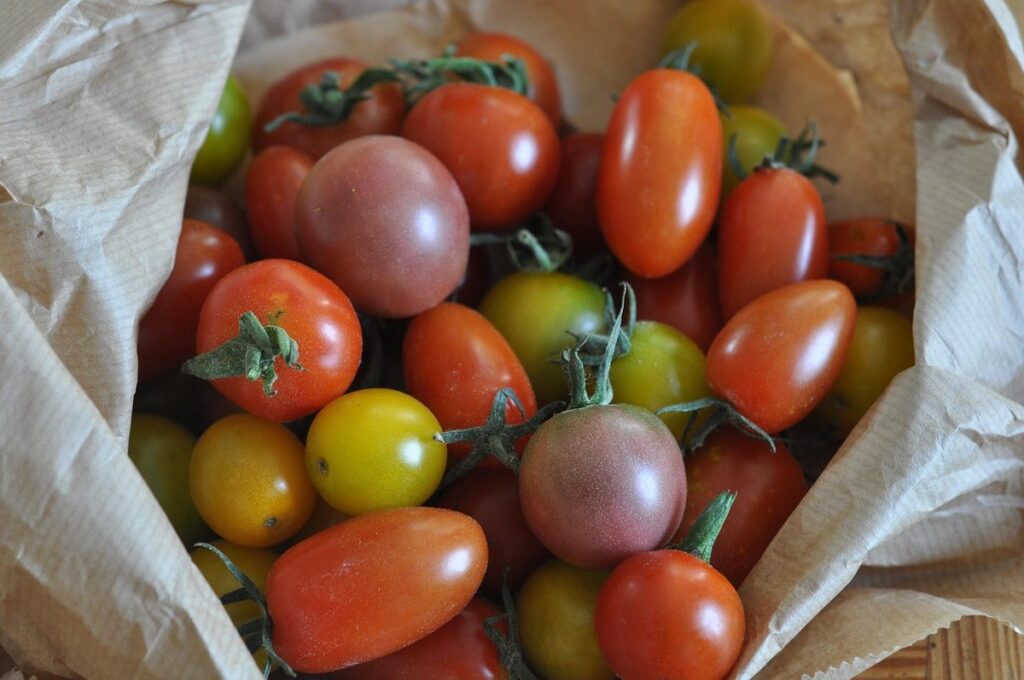
Understanding Heirloom Tomatoes
Heirloom tomatoes have a unique history and character that sets them apart from hybrid varieties, making them a favorite among gardeners and chefs alike. Let’s delve into what makes heirlooms so special.
What are Heirloom Tomatoes?
Heirloom tomatoes have been a staple in gardening communities for decades. These unique varieties are not only visually striking but also bursting with flavor and texture. One of the defining characteristics of heirloom tomatoes is that they’re open-pollinated, meaning their seeds can be saved and replanted from one generation to the next.
The diversity of heirloom tomatoes is staggering, with hundreds of varieties available in a range of colors, shapes, and sizes. From the vibrant reds and oranges of ‘Brandywine’ and ‘Cherokee Purple’, to the deep purples of ‘Black Krim’ and ‘Yellow Pear’, there’s an heirloom tomato to suit every taste.
Heirloom tomatoes are often passed down through families or communities, with each generation saving seeds from their favorite varieties. This preservation of heritage is a testament to the enduring appeal of these special tomatoes. For gardeners looking to try something new, heirloom tomatoes offer a chance to experience unique flavors and textures that can’t be replicated with commercial varieties.
Characteristics of Heirloom Tomatoes
Heirloom tomatoes have distinct characteristics that set them apart from hybrid varieties. One of the most notable features is their rich and intense flavor profile, which can range from sweet and fruity to tangy and acidic. This complexity of flavors makes heirloom tomatoes a favorite among chefs and home cooks alike.
In terms of texture, heirloom tomatoes offer a delightful variety of experiences. Some have tender skin that’s almost velvety, while others have thicker skin with a slightly crunchy texture. The diversity in texture adds to the visual appeal of these tomatoes, making them perfect for garnishes or as the centerpiece on any salad.
The appearance of heirloom tomatoes is also striking, with colors ranging from deep red and burgundy to vibrant yellows, oranges, and even greens. This rainbow of hues makes them a stunning addition to any dish, adding both visual interest and personality. With over 7,500 known varieties, there’s an heirloom tomato to suit every taste preference.
When selecting an heirloom variety for your garden or market shopping, consider the flavor profile you’re aiming for – are you looking for something sweet and mild or tangy and intense? This will help guide your decision-making process and ensure that you end up with a tomato that not only tastes great but also adds visual appeal to any dish.
Popular Heirloom Tomato Varieties
Some of the most sought-after heirlooms are Brandywine, Cherokee Purple, and Black Krim, each with its unique flavor profile and characteristics to enhance your garden. Let’s explore these popular varieties in more detail.
Brandywine: The Queen of Heirlooms
Brandywine is often referred to as the “Queen of Heirlooms” due to its exceptional characteristics and rich history. This variety originated in the 1880s in Pennsylvania and has since become a staple among gardeners and chefs alike. What sets Brandywine apart is its large, pink beefsteak tomatoes that pack a punch with their rich, tangy flavor.
To grow Brandywine successfully, you’ll want to provide it with full sun and well-draining soil rich in organic matter. This variety requires a longer maturation period, typically taking 90-100 days from sowing to harvest. With the right conditions, Brandywine will reward you with an abundance of fruit that’s perfect for slicing, chopping, or making sauces.
When selecting seeds or seedlings, look for those that have been specifically bred for their disease resistance and adaptability to your local climate. Regular watering and pruning will also help promote healthy growth and encourage more fruiting. By following these tips, you’ll be enjoying the delicious flavors of Brandywine tomatoes in no time!
Cherokee Purple: A Timeless Classic
Cherokee Purple has been a beloved heirloom variety for decades, and its enduring popularity is well-deserved. One of the standout features that makes it a favorite among gardeners and chefs alike is its deep, rich purple color. The vibrant hue adds a pop of color to any dish, making it perfect for salads, sandwiches, and pasta sauces.
But what really sets Cherokee Purple apart is its taste. The sweet-tart flavor profile is balanced and complex, with just the right amount of acidity to make your mouth water. Whether you’re using it fresh in a summer salad or roasting it low and slow to bring out its natural sweetness, Cherokee Purple is sure to impress.
In addition to its exceptional flavor, Cherokee Purple is also known for its high yield and disease resistance, making it a great choice for home gardeners who want to grow their own heirloom tomatoes. With proper care and attention, you can expect to harvest 10-15 pounds of fruit per plant, providing you with plenty to share (or not!). Whether you’re a seasoned gardener or just starting out, Cherokee Purple is definitely worth adding to your list of must-grow varieties.
Growing Heirloom Tomatoes
To successfully grow these unique varieties, you’ll need to know the specific needs of heirloom tomatoes and how to provide them with the right conditions for optimal growth. This section will cover those essential growing tips in detail.
Soil Preparation
When it comes to growing heirloom tomatoes, soil preparation is crucial for their optimal growth and flavor. Heirlooms are particularly sensitive to their environment, so it’s essential to create a nutrient-rich soil that will provide them with the necessary support.
The ideal pH level for growing heirloom tomatoes ranges between 6.0 and 7.0, slightly acidic to neutral. However, some varieties like ‘Brandywine’ and ‘Cherokee Purple’ prefer a more acidic soil with a pH around 5.5-6.5. Test your soil regularly to determine its pH level and adjust it accordingly.
To prepare the soil for heirloom tomatoes, aim for a mix that is rich in organic matter. Aim for at least 20% of compost or well-rotted manure added to the soil. This will provide essential nutrients like nitrogen, phosphorus, and potassium. Additionally, add a balanced fertilizer according to the manufacturer’s instructions.
Some key nutrient requirements for heirloom tomatoes include:
• Nitrogen: Promotes leaf growth
• Phosphorus: Encourages root development
• Potassium: Supports overall plant health
By understanding the specific soil requirements of your heirloom tomato variety and taking steps to create a nutrient-rich environment, you’ll be well on your way to growing delicious, healthy tomatoes.
Climate and Sun Requirements
When it comes to growing heirloom tomatoes, understanding their climate and sun requirements is crucial for a bountiful harvest. Different types of heirloom tomatoes thrive in varying conditions, ranging from warm-season varieties that soak up the sun to cool-season favorites that excel in milder temperatures.
Warm-season heirlooms like ‘Brandywine’ and ‘Cherokee Purple’ love full sun (at least 6 hours of direct sunlight) and temperatures above 65°F (18°C). These types will start producing fruit when daytime temperatures consistently reach the mid-70s to low 80s Fahrenheit (23-27°C).
On the other hand, cool-season heirlooms like ‘San Marzano’ and ‘Yellow Pear’ prefer partial shade (4-6 hours of direct sunlight) and cooler temperatures around 60-65°F (15-18°C). These varieties will start producing fruit when daytime temperatures consistently reach the mid-50s to low 60s Fahrenheit (13-15°C).
In general, most heirloom tomatoes need at least 5-6 hours of direct sunlight per day. Providing them with a spot that receives morning sun and afternoon shade can help prevent scorching and promote even ripening. Keep in mind that these are general guidelines, and specific climate conditions may require adjustments to achieve optimal results.
Tips for Saving and Preserving Heirloom Seeds
To keep your heirloom tomato varieties thriving year after year, it’s essential to save and preserve their seeds effectively. Here are some expert tips to get you started!
Seed Selection and Storage
When it comes to saving and preserving heirloom seeds, selecting high-quality seeds is just the first step. Proper storage and handling of these delicate seeds are crucial for maintaining their viability and ensuring they thrive when replanted. To dry seeds effectively, spread them out on a paper bag or a clean cloth, allowing air to circulate freely around each seed. This helps prevent moisture buildup, which can lead to mold or mildew.
Once dried, it’s essential to clean the seeds thoroughly. Gently rub them between your fingers to remove any remaining plant material. Use a fine-mesh strainer or a small piece of cheesecloth to sift out debris and dust. Be gentle when handling seeds, as rough treatment can damage their delicate coats.
Next, package your dried and cleaned seeds in airtight containers or envelopes. Label each container with the seed variety name, date saved, and any relevant growing information. Store these containers in a cool, dark place like a cupboard or drawer to preserve the seeds’ viability for future planting.
Germination Rates and Variability
When saving heirloom seeds, maintaining high germination rates is crucial for ensuring their viability and performance. This is especially important when working with tomato varieties, as even a small decrease in germination can result in significant losses. To minimize variability in seed performance, start by selecting seeds from plants that exhibit consistent growth habits and robust health.
To assess the quality of your saved seeds, conduct regular germination tests using a controlled environment such as a greenhouse or indoor grow space. Aim for an average germination rate of 80-90% to ensure you have viable seeds. If your results fall below this threshold, it may indicate that your seed storage conditions are not optimal.
When storing seeds, consider factors like temperature, humidity, and light exposure to maintain their viability. For example, store seeds in a cool, dry place away from direct sunlight to prevent degradation. Regularly inspect your stored seeds for signs of mold or discoloration, which can indicate spoilage.
Cooking with Heirloom Tomatoes
When working with heirloom tomatoes, their unique flavors and textures shine in a variety of dishes from salads to sauces. Let’s explore some delicious ways to cook with these special tomatoes.
Recipe Ideas and Inspiration
Heirloom tomatoes bring a depth of flavor and texture to any dish that’s hard to replicate with conventional varieties. Here are some recipe ideas to get you started:
Try slicing up a Brandywine heirloom for a simple Caprese salad, where the creamy mozzarella and fragrant basil complement its rich, tangy taste perfectly. For a more substantial meal, toss sliced heirlooms with mixed greens, cherry tomatoes, and crumbled feta in a Greek-inspired salad.
For sauces, use the luscious flesh of an heirloom like Cherokee Purple to create a rich pasta sauce or add it to your favorite pizza dough for an extra burst of flavor. You can also make a delicious tomato soup using roasted heirlooms as the base – try blending them with some chicken broth and cream for added richness.
When building sandwiches, top crusty bread with sliced heirlooms, fresh mozzarella, and basil for a taste of Italy on your table. And finally, consider roasting or grilling heirlooms as a side dish to bring out their natural sweetness – simply brush them with olive oil and season with salt, pepper, and a pinch of sugar.
Consider the specific characteristics of each variety when choosing which to use in each recipe – for instance, the Black Krim’s earthy flavor pairs well with smoky ingredients like bacon or grilled meats.
Pairing Heirlooms with Other Ingredients
When working with heirloom tomatoes, it’s essential to pair them with complementary ingredients that enhance their natural flavors and textures. One of the simplest yet most effective ways to do this is by combining heirlooms with fresh herbs like basil, mint, or parsley.
For instance, a classic Caprese salad consists of sliced heirloom tomatoes, creamy mozzarella cheese, and fragrant basil leaves dressed with olive oil and balsamic vinegar. The creaminess of the cheese balances out the acidity of the tomato, while the sweetness of the basil adds depth to the dish. You can also try pairing heirlooms with artisanal cheeses like burrata or goat cheese for added richness.
Crusty breads are another great match for heirloom tomatoes. Slice a baguette and drizzle it with olive oil, then top it with sliced heirlooms, salt, and pepper for a simple yet satisfying snack. Alternatively, you can use the bread to make bruschetta by rubbing garlic on toast points, topping them with diced heirlooms, and finishing with basil leaves and a drizzle of balsamic glaze.
When choosing complementary ingredients, consider the flavor profile of your heirloom tomatoes. If they’re sweet and acidic like Brandywine or Cherokee Purple, balance them out with rich cheeses or creamy sauces. For milder varieties like Green Zebra or Yellow Pear, try pairing them with bright herbs like mint or parsley for added zing.
Where to Find and Buy Heirloom Tomato Seeds
Now that you’ve fallen in love with these unique varieties, it’s time to get your hands on some heirloom tomato seeds. You can find them online at specialty seed stores or through local nurseries and gardening communities.
Online Seed Retailers
When shopping for heirloom tomato seeds online, it’s essential to choose reputable retailers that specialize in these unique varieties. Here are some top-notch online seed retailers that offer a wide selection of heirloom tomato seeds:
* Baker Creek Heirloom Seeds: This US-based retailer boasts an extensive collection of over 2,000 heirloom varieties, including many rare and hard-to-find tomato types.
* Renee’s Garden Seeds: This company offers a curated selection of heirloom tomatoes from around the world, with many unique and unusual varieties to try.
* Seed Savers Exchange: As a non-profit organization dedicated to preserving heirloom varieties, Seed Savers Exchange offers a vast selection of tomato seeds from their collection.
When shopping online, be sure to read customer reviews to get an idea of each retailer’s reputation and the quality of their seeds. Some popular resources for finding reputable seed retailers include:
* The Real Seed Catalogue: A comprehensive guide to independent seed companies that specialize in heirloom varieties.
* Heirloom Tomato Seed Reviews: A website dedicated to reviewing and comparing different heirloom tomato seeds, including those from online retailers.
Local Nurseries and Farmers’ Markets
When sourcing heirloom tomato seeds, consider visiting local nurseries and farmers’ markets to not only find unique varieties but also support the local agriculture community. By doing so, you’ll be contributing to the preservation of heirloom heritage through the propagation of time-tested cultivars.
Local nurseries often curate a selection of heirloom tomatoes from regional growers, allowing you to experience the distinct flavor profiles and characteristics that thrive in your specific climate. Furthermore, these establishments are often driven by passion rather than profit, which translates into more personalized customer service and expert advice on suitable growing conditions for each variety.
Shopping at farmers’ markets offers even greater benefits, as you’ll have direct access to growers who can provide insights into their production methods and the history behind specific heirloom varieties. By choosing local seeds, you’re also reducing your carbon footprint by minimizing transportation-related emissions associated with larger-scale commercial seed suppliers.
Frequently Asked Questions
Can I grow heirloom tomatoes indoors if I live in a cold climate?
Yes, you can still enjoy heirloom tomatoes in regions with shorter growing seasons. Start seedlings indoors under LED grow lights or south-facing windows and transplant them outside when the weather warms up.
How do I save seeds from my best-performing heirloom tomato varieties to ensure their unique characteristics are preserved?
Saving seeds requires a clean environment, proper drying, and careful storage. Remove seeds from ripe tomatoes, dry them in a low-humidity area, and store them in an envelope or airtight container away from direct sunlight.
What’s the difference between saving seeds from hybrid vs heirloom tomatoes?
When saving seeds from hybrids, you’ll get unpredictable results as they’re bred for commercial purposes. Heirloom varieties, however, can be saved and replanted with consistent results due to their open-pollinated nature.
Are all heirloom tomato varieties suitable for container gardening or do some require more space?
While most heirlooms are adaptable, some like ‘Brandywine’ and ‘Cherokee Purple’ may need a larger growing area. Research the specific requirements of your chosen variety and adjust accordingly to ensure optimal growth in containers.
Can I mix and match different heirloom tomato varieties when saving seeds for future planting?
Yes, but be aware that this can lead to unpredictable results due to the potential for cross-pollination. To maintain the integrity of individual heirlooms, save seeds from each variety separately or use isolation techniques like row covers or physical barriers between plants.