
Garden roses have been a source of beauty and fascination for centuries. Originating in ancient China, these breathtaking blooms have traveled the world, captivating hearts with their delicate petals and intoxicating scents. But garden roses are more than just a pretty face – they hold significant meaning and importance in our lives, whether it’s as a symbol of love and appreciation or as a staple in modern floral arrangements. Whether you’re a seasoned gardener or just starting to cultivate your green thumb, understanding the history, care, and variety of garden roses is essential for unlocking their full beauty and potential. In this article, we’ll delve into the world of garden roses, covering everything from their origins and significance to modern care tips and stunning varieties – get ready to be inspired!
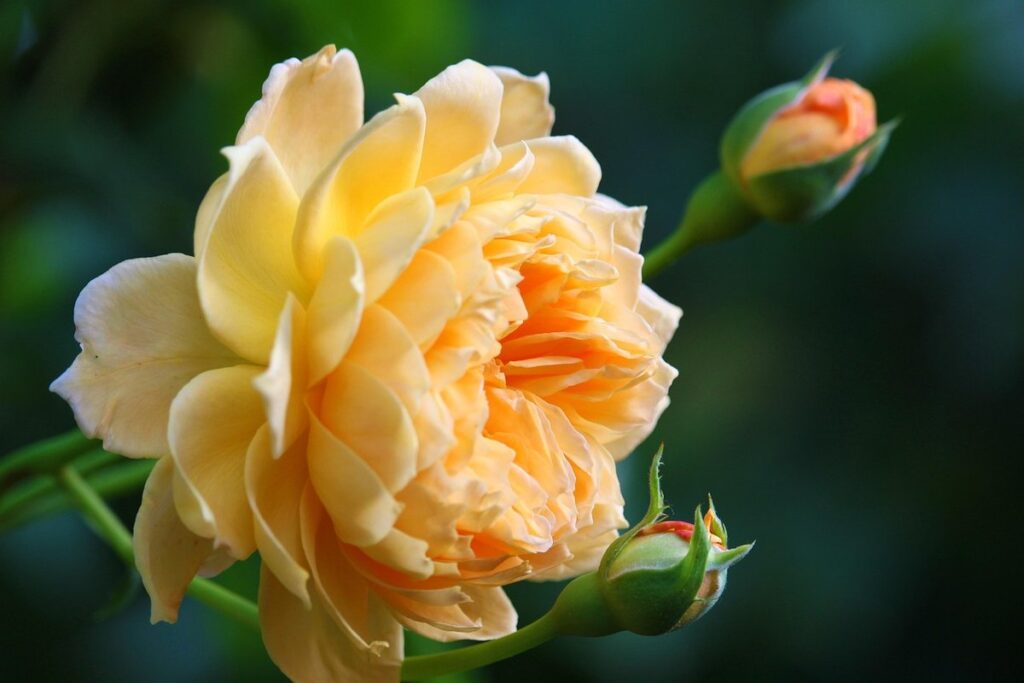
History of Garden Roses
Garden roses have a rich and fascinating history that spans over 2,000 years, evolving from ancient Chinese cultivation to becoming a prized possession in European royal gardens. Let’s take a journey through time and explore their intriguing past.
Origins and Evolution
Garden roses have a rich history that spans over 2,000 years. Their journey began in ancient China, where they were first discovered and cultivated for their beauty and fragrance. The Chinese prized these early roses for their complex petal arrangements and intoxicating scents. These early rose varieties were often used in traditional medicine, with the petals being dried and used to treat various ailments.
As trade routes expanded, garden roses spread throughout Asia and eventually made their way to Europe. During the Renaissance period, European botanists and gardeners began experimenting with these new imports, selectively breeding them for desirable traits such as color, size, and fragrance. This selective breeding process would go on to shape the modern garden rose into what we know today.
Over time, garden roses have evolved to become a staple in gardens around the world. From hybrid teas to floribundas, each variety offers its unique characteristics, making them perfect for a range of applications – from cut flower arrangements to hedges and ground cover.
Influence on Rose Culture
Garden roses have had a profound impact on the culture surrounding these beautiful flowers. They played a pivotal role in shaping modern rose cultivation and hybridization practices. One significant way garden roses influenced rose culture is through their introduction of new techniques for grafting and budding. By mastering these skills, growers could produce more resilient and disease-resistant rose varieties.
This led to an explosion in the development of new rose types, as breeders were able to experiment with different combinations of species and cultivars. The resulting hybrid teas, floribundas, and grandifloras became staples of 19th- and early 20th-century gardens. Garden roses also inspired a renewed interest in traditional rose cultivation methods, such as staking and pruning.
As a result of these innovations, gardeners today have access to an incredible range of rose varieties, from the compact Knock Out series to the stunning David Austin English roses. By understanding the historical context of these developments, modern gardeners can appreciate the beauty and significance of garden roses in their own gardens, while also learning how to create a thriving rose culture of their own.
Types of Garden Roses
Garden roses come in a stunning array of varieties, each with its own unique characteristics and beauty. From antique varieties to modern hybrids, let’s explore some of the most popular types together!
Hybrid Tea Roses
Hybrid tea roses are one of the most popular types of garden roses, prized for their classic beauty and robust growth. One of the standout characteristics of hybrid tea roses is their fragrance – many varieties have a powerful scent that fills the air on warm summer days. In fact, some hybrid teas have fragrance ratings of 9 or 10 out of 10, making them perfect for rose enthusiasts who love to breathe in the sweet aroma of blooming flowers.
The blooms themselves are another notable feature of hybrid tea roses – they’re typically large and showy, often measuring up to 4-6 inches in diameter. This makes them a stunning addition to any garden bed or border, especially when paired with complementary foliage. What’s more, hybrid tea roses tend to be very durable and long-lasting, with some varieties blooming for months on end.
If you’re new to growing hybrid tea roses, consider the following tips: choose a sunny spot with well-draining soil, deadhead regularly to encourage repeat bloom, and provide support if necessary – these robust shrubs can grow up to 4-6 feet tall. With proper care and attention, your hybrid tea roses will thrive and bring joy to your garden for years to come.
Floribunda Roses
Floribunda roses are a popular choice among gardeners due to their unique features and benefits. One of the standout advantages of floribunda roses is their disease resistance. These roses have been bred to be more resilient against common rose diseases such as black spot and powdery mildew, making them a low-maintenance option for busy gardeners.
Their versatility in garden designs is another significant benefit. Floribunda roses come in a wide range of colors and bloom sizes, allowing you to create a stunning display in your garden. They can be used as a focal point or mixed with other plants to add texture and interest. For example, pairing floribunda roses with perennials like daylilies or coneflowers creates a beautiful contrast of shapes and colors.
When incorporating floribunda roses into your garden design, consider their growth habits. Some varieties can grow quite tall, so be sure to provide support or choose compact varieties for smaller spaces. With proper care and attention, floribunda roses can thrive in your garden, providing years of beauty and enjoyment.
Climbing Roses
Climbing roses are a majestic addition to any garden, providing a lush display of color and fragrance that can be trained to climb up walls, trellises, or other supports. These versatile blooms come in a variety of forms, from delicate, tea-scented English roses to more robust, repeat-flowering varieties like the Rambling Rector.
To properly train climbing roses for optimal growth, start by selecting a sturdy support that can accommodate the plant’s mature size. Plant the rose at the base of the support, making sure the graft union (if applicable) is above the soil level. As the plant grows, gently tie its stems to the support using soft ties or twine, taking care not to constrict the stem.
Regular pruning and training will help maintain a balanced shape and encourage more blooms. Remove any dead or damaged wood in late winter or early spring, cutting back vigorous shoots by about one-third. By following these steps and providing your climbing roses with proper care, you can enjoy their breathtaking beauty for years to come.
Care and Maintenance
To keep your garden roses looking their best, regular care and maintenance are essential. This includes tasks such as pruning, watering, and fertilizing to promote healthy growth.
Soil Requirements
When it comes to growing garden roses, selecting the right soil is crucial for their health and beauty. Garden roses thrive in well-draining soil with a slightly acidic to neutral pH level, ranging from 6.0 to 7.0 on the pH scale. Soil with a higher or lower pH can lead to nutrient deficiencies or toxicity, which can cause issues such as yellowing leaves or poor blooming.
To ensure your garden roses receive the necessary nutrients, test your soil regularly and amend it if necessary. Add compost or well-rotted manure to improve soil structure and fertility. Garden roses also benefit from a balanced fertilizer application in early spring and mid-summer, which will promote healthy growth and abundant blooms. A general rule of thumb is to apply 1-2 pounds of fertilizer per plant, following the manufacturer’s instructions.
In addition to pH levels and nutrient needs, soil texture also plays a significant role in supporting garden rose health. Avoid heavy clay or sandy soils that can cause waterlogging or drying out issues. Opt for loamy soil with good drainage properties for optimal results.
Watering and Fertilization
When it comes to maintaining healthy garden roses, proper watering and fertilization techniques are crucial. Roses need consistent moisture, especially when they’re establishing themselves in the soil. However, overwatering can be detrimental, leading to root rot and other problems. To avoid this, make sure to water your rose plants deeply once or twice a week, depending on weather conditions.
A general rule of thumb is to provide about 1 inch of water per week, either from rain or irrigation. It’s also essential to fertilize your roses regularly. A balanced fertilizer with an N-P-K ratio of 10-10-10 will promote healthy growth and blooming. Apply it in early spring when new growth begins, followed by another application mid-season.
Some gardeners swear by adding compost tea or manure to their soil for extra nutrients. These methods can be effective, but make sure to follow the instructions carefully to avoid over-fertilizing, which can harm your roses. Keep in mind that different rose varieties have varying fertilization needs, so research specific recommendations for your plant types.
Pruning Techniques
When it comes to pruning garden roses, understanding the right techniques can be just as crucial as choosing the perfect variety. Different types of garden roses require varying approaches to ensure they continue to thrive and produce those gorgeous blooms.
For hybrid tea and grandiflora roses, regular deadheading (removing spent flowers) is a must to encourage repeat blooming. Cut off the entire stem about an inch above the first set of leaves, as this promotes new growth and prevents weak vining.
Floribundas and shrub roses benefit from more dramatic pruning. Remove about one-third of old canes each year, making clean cuts just above a bud eye (the small swellings on stems from which new branches grow). This helps maintain shape and encourages healthy branching.
For climbing roses, it’s essential to prune after their blooming period to avoid cutting off next year’s flowers. Reduce the length of canes by about one-third, maintaining the framework of the plant while allowing for renewed growth.
Remember, pruning is not a one-time task – it should be done seasonally to keep your garden roses looking their best.
Benefits and Uses
Garden roses are not just a stunning addition to any garden, but also offer numerous benefits and uses that can enhance your outdoor space and daily life. Let’s explore these advantages together.
Ornamental Value
Garden roses bring an unparalleled level of elegance and sophistication to gardens and landscapes. Their unique forms, colors, and fragrances create a captivating visual display that’s both soothing and awe-inspiring. When carefully chosen and integrated into the garden design, these beautiful blooms can significantly enhance the aesthetic appeal of any outdoor space.
Their ornamental value lies not only in their individual beauty but also in how they interact with surrounding plants and structures. For instance, a garden rose bush with bright pink blooms can create a stunning focal point when paired with complementary foliage or other flowers. Conversely, a delicate tea rose with pale petals can add an air of whimsy to a corner of the yard.
To maximize their ornamental value, consider grouping different types of garden roses together to create a cohesive look. You might also experiment with varying bloom sizes and colors to achieve a visually appealing mix of textures and hues. With proper placement and care, these show-stopping flowers can become a defining feature of your outdoor sanctuary, elevating the entire garden experience for years to come.
Medicinal Properties
For centuries, garden roses have been more than just a beautiful addition to our gardens – they’ve also been a source of medicinal properties. In fact, rose petals have been used in traditional medicine for their potential health benefits. The ancient Egyptians and Greeks prized rose petals for their supposed ability to heal wounds, reduce inflammation, and even cure digestive issues.
Today, we know that roses contain a variety of vitamins, minerals, and antioxidants that can provide numerous health benefits. Rose petals are rich in vitamin C, which is essential for a healthy immune system, as well as potassium, an essential mineral for maintaining healthy blood pressure. The antioxidants found in rose petals have also been shown to reduce inflammation and protect against cell damage.
To harness the medicinal properties of garden roses, you can make a rose petal infusion by steeping fresh or dried petals in hot water. This can be used as a natural remedy for skin issues like acne and eczema, or even as a calming tea to promote relaxation. With their delicate fragrance and rich nutritional profile, it’s no wonder that garden roses have been valued for centuries not just for their beauty but also for their medicinal properties.
Culinary Applications
Garden rose petals add an extra layer of romance and sophistication to various culinary creations. Their unique flavor and aroma make them a perfect addition to baked goods, desserts, and even savory dishes. To incorporate garden rose petals into your cooking and baking, start by preparing the petals for use.
To prepare garden rose petals for cooking, remove the white base of the petal and any stems or leaves. Gently rinse the petals with cold water to remove excess dirt and pollen. Pat dry with a paper towel before using. When substituting garden roses in recipes, keep in mind that they have a more delicate flavor than store-bought rose petals.
Some popular ways to use garden rose petals include making rose petal jelly or jam, adding them to lemon bars, or incorporating them into homemade ice cream flavors. You can also infuse oils with dried garden rose petals for use in salad dressings or marinades. When pairing garden roses with other ingredients, think sweet and savory combinations like rose and cardamom or rose and pistachio.
Pest and Disease Management
To keep your garden roses thriving, it’s essential to implement effective pest and disease management strategies. This involves monitoring for common issues and using targeted solutions to prevent damage.
Common Pests
Garden roses are indeed one of the most breathtaking additions to any garden, but with their beauty comes the risk of common pests that can damage and destroy these lovely flowers. As a rose enthusiast, it’s essential to be aware of these unwelcome visitors and take preventive measures to keep them at bay.
Aphids, whiteflies, and mealybugs are some of the most common pests that target garden roses. These tiny insects feed on the sap of the plant, causing curled or distorted leaves, stunted growth, and a sticky substance called honeydew on the leaves and stems. To prevent these pests from taking over your rose garden, inspect your plants regularly for signs of infestation and remove any infected areas.
To control these pests, use neem oil or insecticidal soap to kill the insects on contact. Encourage natural predators like ladybugs and lacewings by planting a diverse range of flowers in your garden that attract beneficial insects. Keep your rose bed clean, removing weeds and debris that can harbor pests. By being proactive and taking these simple steps, you’ll be able to enjoy your beautiful garden roses without worrying about common pests.
Diseases and Fungal Infections
As a gardener who adores garden roses, it’s essential to be aware of the common diseases that can affect these beautiful blooms. Black spot and powdery mildew are two of the most prevalent fungal infections that can cause significant damage to your garden roses.
Black spot appears as small, circular spots on the leaves, often with a yellow ring around them. To manage this disease, ensure good air circulation by pruning nearby plants, removing any infected leaves, and applying a fungicide specifically labeled for black spot control. Regularly inspecting your plants and catching infections early can help prevent the spread.
Powdery mildew looks like a white, powdery coating on the leaves or stems, often accompanied by yellowing of the tissue beneath. To manage this disease, use a combination of pruning, fungicide application, and improving soil drainage to reduce moisture levels.
By being proactive in monitoring your garden roses for signs of disease and implementing these strategies, you can prevent the spread of these common fungal infections and ensure the continued health and beauty of your garden roses. Regularly disinfecting your gardening tools also helps prevent the transmission of diseases between plants.
Conclusion
In conclusion, garden roses are more than just beautiful flowers – they’re a symbol of elegance, romance, and connection to nature. Whether you’re a seasoned gardener or just starting out, incorporating these stunning blooms into your outdoor space can have a profound impact on both your physical and emotional well-being. By selecting the right varieties for your climate and soil type, and providing proper care and attention, you can enjoy the beauty of garden roses in your own backyard. So why not give it a try? Choose a few varieties that resonate with you, plant them with love, and watch as they bring joy, serenity, and natural beauty into your life. With their timeless charm and versatility, garden roses are sure to be a treasured addition to any garden or outdoor space.
Frequently Asked Questions
How can I ensure the long-term health of my garden rose bushes?
To maintain the health of your garden roses, it’s essential to provide them with regular care. This includes pruning during dormancy, fertilizing once a year, and providing adequate watering and sunlight. Regularly inspect your plants for signs of pests or diseases and address any issues promptly.
What are some common mistakes to avoid when planting new rose bushes?
Some common mistakes to avoid when planting new rose bushes include inadequate soil preparation, overwatering, and insufficient sunlight. To prevent these issues, choose a well-draining location with at least six hours of direct sunlight daily. Also, dig the hole for your roses in a way that allows the roots to spread out.
How can I propagate garden roses from cuttings?
Garden rose propagation is possible through stem cuttings. To do this, take 6-8 inch cuttings from healthy stems and remove lower leaves. Dip the cut end into rooting hormone and plant it about 1-2 inches deep in a well-draining potting mix. Keep the soil consistently moist but not waterlogged until roots develop.
Can I grow garden roses indoors?
While possible, growing garden roses indoors can be challenging due to light requirements. Provide your indoor rose with at least four hours of direct sunlight daily or use supplemental LED lighting. Also, maintain a cooler temperature between 40-50°F (4-10°C) and ensure good air circulation.
How often should I fertilize my garden rose bushes?
Fertilizing your garden roses once a year is typically sufficient, but you can also provide them with a balanced fertilizer in the spring as new growth begins. Avoid overfertilizing, which can damage the plant’s roots. Use an organic or slow-release fertilizer to promote healthy growth without burning your plants’ delicate roots.