
Dark green peppers are more than just a colorful addition to your favorite dishes. They have a rich history, cultural significance, and nutritional benefits that make them a standout among other pepper varieties. From pimento’s sweet and smoky flavor to Hungarian hot wax’s spicy kick, each dark green pepper species has its own unique characteristics. Whether you’re a seasoned chef or an adventurous home cook, learning about these peppers can elevate your cooking game. In this article, we’ll delve into the history and cultural significance of dark green peppers, explore their nutritional benefits, and share delicious recipes featuring pimento, Hungarian hot wax, and cubanelle peppers. Get ready to discover new flavors, expand your culinary horizons, and learn how to make the most of these versatile ingredients.
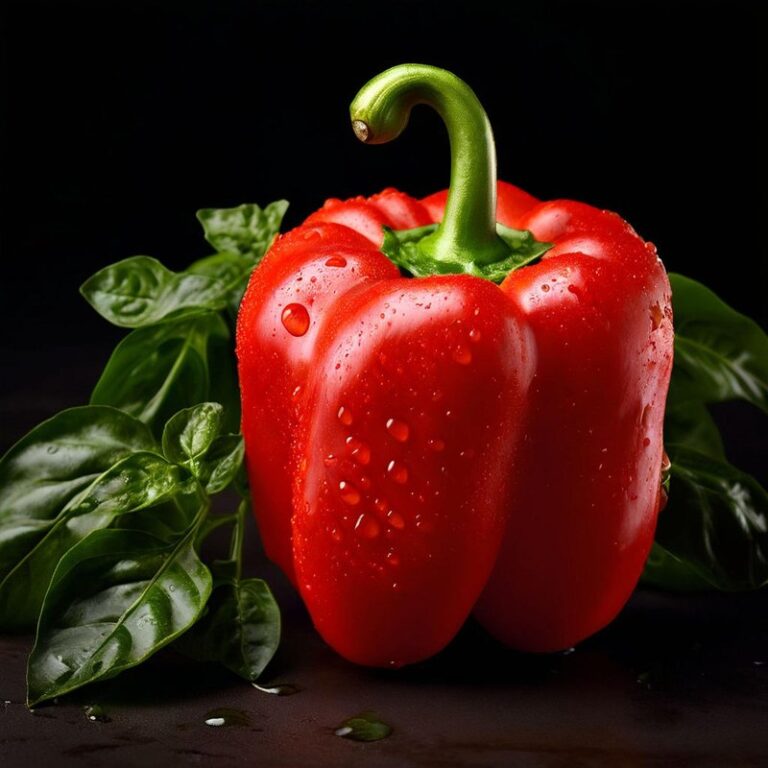
The Importance of Dark Green Peppers in Cuisine
Dark green peppers add a burst of flavor and nutrition to various dishes, making them an essential component of global cuisine. Let’s explore their significance in cooking further.
History and Cultural Significance
Dark green peppers have been a staple ingredient in various cuisines for centuries, with their origins tracing back to the Americas. They were first domesticated by indigenous peoples in Central and South America, who prized them for their unique flavor and medicinal properties. The Spanish conquistadors brought dark green pepper seeds back to Europe, where they quickly gained popularity among chefs.
Today, dark green peppers are a fundamental component of many global cuisines, including Asian, African, and Latin American cooking. In Indian cuisine, for example, they’re used in a variety of dishes, such as curries and chutneys. Similarly, in Southeast Asia, they’re often pickled or fermented to add depth and complexity to local flavors.
One of the most interesting aspects of dark green peppers is their cultural significance in many societies. In some African cultures, they’re believed to possess spiritual properties, while in others, they’re simply a staple ingredient used daily in traditional meals.
Nutritional Benefits and Health Advantages
Dark green peppers are packed with an impressive array of nutrients that can have a significant impact on our overall health. One of the most notable benefits is their incredibly high antioxidant content, which far surpasses that of other commonly consumed vegetables. These powerful antioxidants work tirelessly to neutralize free radicals in the body, protecting cells from damage and reducing the risk of chronic diseases.
In addition to their antioxidant properties, dark green peppers also contain anti-inflammatory compounds that can help alleviate symptoms associated with conditions like arthritis, gout, and other inflammatory disorders. The unique combination of vitamins A and C, potassium, and manganese in these peppers makes them a formidable tool in the fight against oxidative stress.
Studies have even shown that consuming dark green peppers regularly may reduce the risk of certain cancers, including colon, lung, and stomach cancer. By incorporating these nutritious vegetables into your diet, you can reap a multitude of health benefits while also adding flavor and texture to your favorite dishes.
Dark Green Pepper Varieties: An In-Depth Look
Let’s take a closer look at some of the lesser-known dark green pepper varieties, each offering unique characteristics and flavors to explore. From ‘Thai Emerald’ to ‘Purple Beauty’, we’ll examine them closely.
Pimento Peppers
Among the diverse dark green pepper varieties, pimento peppers stand out for their unique characteristics. These peppers are known for their sweet and slightly smoky flavor profile, making them a popular choice for various culinary applications. One of the defining features of pimento peppers is their mild heat level, which allows them to add depth without overpowering other ingredients.
Pimento peppers have been used in numerous dishes throughout history. They’re often stuffed with cheese, rice, or meat and baked, creating a delicious main course. This versatility makes them an excellent choice for adventurous cooks looking to experiment with new recipes. Additionally, pimento peppers are commonly used in sauces, adding a subtle sweetness that complements the heat of other ingredients.
Their mild flavor also makes them suitable for sweet pepper-based dishes, such as stews and salads. If you’re planning to try pimento peppers for the first time, start by experimenting with simple recipes like stuffed peppers or roasted vegetable medleys. This will allow you to appreciate their unique flavor profile without overwhelming your senses.
Hungarian Hot Wax Peppers
Hungarian hot wax peppers are a popular variety of dark green pepper that adds a burst of flavor and heat to various dishes. Characterized by their bright green color, these peppers have a slightly sweet flavor profile that makes them an excellent addition to both sweet and savory recipes. One of the standout features of Hungarian hot wax peppers is their versatility – they can be used in a variety of applications, from adding crunch to salads and sandwiches to being pickled or roasted for a tangy side dish.
In terms of heat level, Hungarian hot wax peppers are moderately spicy, with an Scoville heat unit rating of 5,000-10,000. This makes them suitable for those who prefer a moderate level of heat without overpowering the other flavors in their dishes. To incorporate Hungarian hot wax peppers into your cooking, try adding sliced or diced peppers to salsas, pasta sauces, or stir-fries. You can also use them as a topping for pizzas, tacos, or grilled meats.
When handling these peppers, it’s essential to wear gloves to protect your skin from the oils that contain capsaicin, which is responsible for their heat. With proper care and handling, Hungarian hot wax peppers are a great addition to any kitchen, offering a unique flavor profile and versatility in cooking.
Cubanelle Peppers
Cubanelle peppers are one of the lesser-known but incredibly versatile dark green pepper varieties. They have a distinctively long and thin shape, making them perfect for slicing into strips or adding whole to dishes for added crunch. When it comes to heat level, Cubanelles are relatively mild, with an Scoville rating that’s significantly lower than other popular peppers.
Despite their moderate heat, Cubanelle peppers add depth and complexity to a wide range of dishes. They’re commonly used in sauces like arrabbiata or marinara, where their sweetness balances out the acidity. In soups and stews, they add a burst of flavor without overpowering the other ingredients. Their mildness also makes them an excellent addition to salads, providing a satisfying crunch without overwhelming the palate.
If you’re looking to incorporate Cubanelle peppers into your cooking, consider slicing them thinly and adding them to sandwiches or wraps for added texture. You can also roast them whole in the oven until tender and charred, then chop them up and toss with olive oil, salt, and pepper as a simple side dish. With their unique shape and moderate heat, Cubanelle peppers are an excellent choice for anyone looking to add some excitement to their cooking repertoire.
Growing Dark Green Peppers: Tips and Techniques
Growing dark green peppers can be a rewarding experience, but it requires some specific techniques to ensure a bountiful harvest. Learn how to coax these unique varieties into thriving in your garden.
Climate and Soil Requirements
When growing dark green peppers, it’s essential to provide them with the right climate and soil conditions. These pepper varieties thrive in warm temperatures, typically above 65°F (18°C), but can tolerate a wide range of temperatures between 60°F (15°C) and 90°F (32°C). However, ideal growth occurs when daytime temperatures reach the mid-70s to low 80s Fahrenheit.
Dark green peppers require full sun to produce well, so choose a location that receives at least six hours of direct sunlight per day. This will not only promote healthy growth but also encourage fruiting and flowering.
In terms of soil, dark green peppers prefer well-draining, fertile soil with a pH between 6.0 and 7.0. Test your soil to determine its pH level and amend it if necessary. Mix in compost or well-rotted manure to improve the soil‘s fertility and structure. Avoid using alkaline soils, as this can lead to nutrient deficiencies and poor plant growth.
For optimal results, maintain a consistent moisture level by watering regularly but avoiding overwatering, which can lead to root rot and other issues. By providing your dark green pepper plants with suitable climate and soil conditions, you’ll be well on your way to harvesting a bountiful crop of delicious, dark green peppers.
Planting and Care Instructions
When planting dark green pepper seeds, start by filling seed trays with a well-draining seed starting mix. Plant 2-3 seeds per cell about 1/4 inch deep and keep the soil consistently moist but not waterlogged. Once seedlings emerge, thin them to the strongest one, and transfer them into individual pots when they have 2-3 sets of leaves.
When transplanting your seedlings into larger containers or directly into the garden, choose a location with full sun and well-draining soil that has a pH between 6.0 and 7.0. Plant seedlings about 18 inches apart to prevent overcrowding. Water thoroughly after planting and continue to keep the soil consistently moist during the first few weeks.
To maintain optimal growth, dark green pepper plants require consistent moisture, especially when they’re producing fruit. Aiming for about 1 inch of water per week is a good rule of thumb. Avoid overhead watering, which can lead to fungal diseases; instead, use soaker hoses or drip irrigation to deliver water directly to the roots.
Culinary Uses of Dark Green Peppers: Recipes and Ideas
From spicy stir-fries to roasted side dishes, dark green peppers add a burst of flavor to a wide variety of culinary creations. Let’s explore some delicious recipe ideas to get you started!
Stuffed Peppers with Pimento Filling
When it comes to showcasing the versatility of dark green pepper species, few recipes do justice like Stuffed Peppers with Pimento Filling. This classic dish is an excellent way to highlight the rich flavor and crunchy texture of these peppers.
To start, you’ll need 4 large dark green bell peppers, seeded and chopped into quarters. Preheat your oven to 375°F (190°C). In a pan over medium heat, sauté 1 cup of cooked rice with 1 teaspoon of olive oil until lightly toasted. Add 1/2 cup of pimento filling, 1 minced garlic clove, and 1/4 cup of chopped fresh parsley, stirring to combine.
Fill each pepper quarter with the rice mixture, dividing it evenly among all four peppers. Place the filled peppers on a baking sheet lined with parchment paper and bake for 25-30 minutes or until tender. A serving of this recipe contains approximately 150 calories, 3g protein, and 2g fiber per serving.
This dish is perfect for meal prep or a weeknight dinner, as you can easily scale up the ingredients to feed a crowd. Simply adjust the cooking time accordingly based on the number of peppers used. With its flavorful filling and crunchy pepper exterior, Stuffed Peppers with Pimento Filling is sure to become a staple in your kitchen.
Hungarian-Style Goulash with Hot Wax Peppers
Hungarian-Style Goulash with Hot Wax Peppers is a hearty and flavorful dish that showcases the versatility of dark green peppers. This recipe is a staple of Hungarian cuisine, and it’s perfect for using up hot wax peppers, which add a spicy kick to the rich beef broth.
To make this goulash, you’ll need the following ingredients: 2 lbs beef (such as chuck or brisket), cut into bite-sized pieces; 3-4 hot wax peppers, seeded and chopped; 1 large onion, chopped; 3 cloves of garlic, minced; 2 carrots, peeled and sliced; 2 potatoes, peeled and cubed; 1 tablespoon paprika; 1 teaspoon caraway seeds; salt and pepper to taste.
The cooking method is straightforward: sauté the beef in a bit of oil until browned, then set it aside. In the same pot, cook the onion, garlic, carrots, and potatoes until they’re tender. Add the hot wax peppers, paprika, and caraway seeds, and stir for 1-2 minutes. Finally, add the beef back into the pot, along with enough beef broth to cover everything, and let it simmer for at least 30 minutes.
Serve the goulash hot, garnished with chopped fresh parsley or dill. You can also serve it over egg noodles or with a side of crusty bread. This recipe is perfect for a chilly fall evening, and it’s sure to become a new favorite in your household.
Conclusion: The Versatility and Flavor of Dark Green Peppers
In conclusion, dark green peppers are an incredibly versatile ingredient that can add depth and excitement to any dish. Whether you’re cooking up a stir-fry, adding crunch to a salad, or using them as a topping for tacos, the options are endless. From sweet bell peppers to pungent jalapenos, the flavor profiles of dark green peppers vary greatly, allowing you to experiment with different combinations to suit your taste. To maximize their flavor, try roasting them in the oven before chopping – it brings out the natural sweetness and adds a smoky depth that’s hard to resist.
If you’re new to cooking with dark green peppers, start by experimenting with simple recipes like sautéed peppers with garlic or roasted pepper soup. As you become more confident in your techniques, don’t be afraid to get creative and add them to more complex dishes like curries, stews, or even homemade sauces.
Frequently Asked Questions
Can I grow dark green peppers in a small backyard garden?
If you have limited space, yes, you can still grow dark green peppers. Choose compact varieties like Hungarian hot wax or pimento peppers that thrive in containers and require minimal care. Make sure to provide adequate sunlight (at least 6 hours of direct sun) and water regularly.
How do I preserve the unique flavor of dark green peppers after harvesting?
To maintain the flavor, store fresh dark green peppers in a cool, dry place away from direct sunlight. You can also freeze or roast them to retain their nutrients and pungency. Frozen peppers are perfect for adding to soups, stews, or sauces later.
What’s the ideal climate for growing dark green pepper plants?
Dark green pepper plants prefer a warm and humid climate with temperatures between 65°F to 85°F (18°C to 30°C). They thrive in USDA zones 9-11. If you live in a cooler region, consider growing them in containers that can be moved indoors during winter.
Can I use dark green peppers as a substitute for hot peppers in recipes?
While dark green peppers share some similarities with hot peppers, they are generally milder and sweeter. Yes, you can substitute them in recipes, but keep in mind the flavor profile will differ significantly. Start with small amounts and adjust to taste.
How do I incorporate more dark green peppers into my cooking routine?
To make the most of your harvest or store-bought dark green peppers, experiment with different cuisines and recipes. Try adding them to stir-fries, salads, sandwiches, or use as a topping for soups and stews. You can also roast, grill, or sauté them for added flavor and texture.