
Columnar cacti are some of the most striking and sought-after plants for indoor spaces and outdoor landscaping. Their unique, upright growth habit makes them stand out from other species, and they’re often prized by collectors and enthusiasts alike. But did you know that there’s a whole world of columnar cactus types to explore? From towering saguaros to compact, column-like species like the pincushion cactus, each one has its own distinct characteristics and needs.
In this article, we’ll delve into the fascinating realm of columnar cacti, covering their evolution, care requirements, and common challenges. You’ll learn how to provide the right watering, lighting, and soil conditions for your favorite species, as well as techniques for propagation and troubleshooting common diseases. Whether you’re a seasoned cactus enthusiast or just starting out, this guide will help you grow and thrive with your columnar cacti, ensuring they remain healthy and happy in their environments.
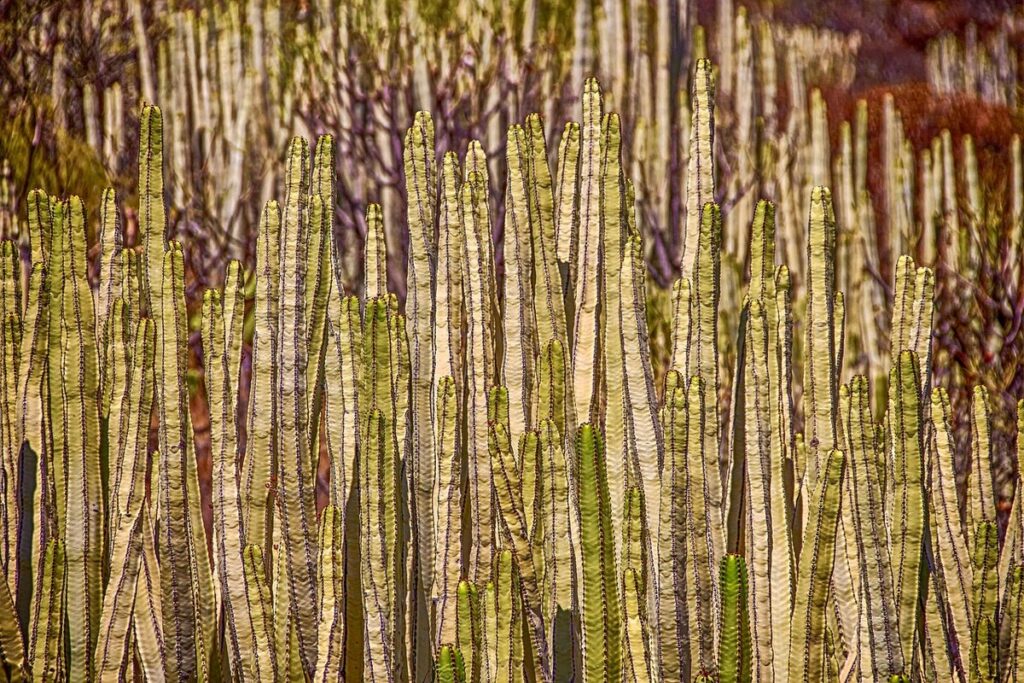
What are Columnar Cacti?
Let’s start by defining what columnar cacti are: these plants are known for their upright, cylindrical stems that can grow to impressive heights in the desert landscape.
Characteristics of Columnar Cacti
Columnar cacti are easily identifiable by their unique growth habits and adaptations. One of the defining characteristics of these plants is their vertical growth pattern, which allows them to grow upwards towards sunlight with minimal lateral branching. This adaptation enables them to thrive in areas where space is limited or resources are scarce.
Their slender stems often have a smooth, waxy texture that helps retain moisture and protects against harsh desert environments. This characteristic also contributes to the iconic look of columnar cacti, making them instantly recognizable as part of this distinctive group. Some species, like the Cephalocereus senilis, develop elaborate areoles from which stems emerge in a more clustered arrangement.
When growing your own columnar cactus, it’s essential to choose a pot that allows for good air circulation and supports upright growth. Avoid using containers with narrow necks or shallow depths as they can hinder the plant’s ability to thrive. Consider incorporating additional support systems if necessary, especially when dealing with larger plants that may benefit from extra stability during their early stages of development.
Evolutionary History of Columnar Cacti
Columnar cacti have an intriguing evolutionary history that dates back millions of years. Their adaptation to arid environments can be attributed to their unique morphology and physiological traits. These specialized plants emerged as a distinct group around 30 million years ago, during the Oligocene epoch. At this time, the Americas were undergoing significant geological changes, including the formation of the Isthmus of Panama.
Over time, columnar cacti evolved specific adaptations that enabled them to thrive in their environments. Their tall, column-like stems allowed for maximum exposure to sunlight and facilitated efficient transpiration. The dense areoles on these stems also provided a platform for extensive branching, enabling the plants to spread out and capture more resources. As a result, columnar cacti became well-suited to areas with limited water availability, such as deserts and dry scrublands.
The evolutionary history of columnar cacti has led to significant diversification within this group, resulting in various species that occupy different niches across the Americas.
Popular Types of Columnar Cacti
When it comes to columnar cactus types, there’s a stunning array to choose from, each with its own unique characteristics and charm. Let’s dive into some of the most popular varieties that are sure to captivate your attention.
1. Pachycereus Pringlei (Blue Agave)
The Pachycereus Pringlei, also known as Blue Agave, is one of the most iconic and recognizable columnar cacti. Native to Mexico’s Baja California Peninsula, this stunning plant thrives in dry, rocky areas with full sun exposure. Its unique features include a robust trunk that can grow up to 10 meters tall, with blue-green leaves that form a symmetrical rosette at the top.
One of the most distinctive aspects of Pachycereus Pringlei is its ability to store water within its stems and roots, allowing it to survive extended periods without rain. This adaptation makes it an excellent choice for cacti enthusiasts who live in areas with limited watering capabilities. To care for your Blue Agave, make sure to provide well-draining soil and infrequent but thorough watering. It’s also essential to offer protection from extreme temperatures and frost, as this can damage the plant’s sensitive tissues.
When grown in ideal conditions, Pachycereus Pringlei produces vibrant yellow flowers on tall stalks that attract a variety of pollinators. Its majestic appearance and low-maintenance requirements make it an excellent addition to any cacti collection.
2. Stetsonia Coryne (Peruvian Apple Cactus)
Stetsonia Coryne (Peruvian Apple Cactus) is a striking addition to any cactus enthusiast’s collection. Native to South America, this columnar cactus boasts vibrant red stems that can grow up to 3 meters tall. One of its most distinctive features is the presence of long, thin areoles that give it a unique, almost ‘tree-like’ appearance.
When it comes to growth habits, Stetsonia Coryne prefers well-draining soil and full sun exposure. Water sparingly during the summer months but avoid underwatering, as this can lead to root rot. Fertilize in spring with a balanced fertilizer to promote healthy growth.
Culturally, Stetsonia Coryne is highly prized for its unique aesthetic appeal. Its vibrant red stems make it an excellent choice for adding a pop of color to any cactus arrangement or landscape design. In some regions, the plant’s striking appearance has earned it recognition as a symbol of good luck and prosperity.
To successfully cultivate this cactus at home, ensure that your pot is large enough to accommodate its mature height. Watering once a week during spring and summer should suffice, but adjust your schedule based on local climate conditions.
3. Echinocereus Triglochidiatus (Misty Cactus)
The Echinocereus Triglochidiatus, also known as the Misty Cactus, is a striking addition to any cactus collection. Native to the southwestern United States and northern Mexico, this columnar cactus boasts an array of unique features that set it apart from other types.
One of its defining characteristics is its intricate network of fine, white spines that give it a misty appearance. The Misty Cactus can grow up to 20 inches in height and produces vibrant pink flowers in the springtime.
Propagating the Echinocereus Triglochidiatus can be done through seed or stem cutting. To propagate via seed, sow the seeds indoors during the winter months, providing them with a warm and moist environment. This will ensure optimal germination rates.
When it comes to care, the Misty Cactus prefers well-draining soil and moderate watering. It’s also essential to provide bright, indirect light for optimal growth. Avoid exposing your Echinocereus Triglochidiatus to direct sunlight during peak hours as this may cause scorching of its delicate spines.
In addition to these care requirements, the Misty Cactus benefits from regular fertilization. Feed it with a balanced cactus fertilizer during the growing season (spring and summer) to promote healthy growth and flowering. With proper care and attention, your Echinocereus Triglochidiatus will thrive, producing an abundance of stunning flowers in its prime.
How to Care for Columnar Cacti
Taking care of your columnar cactus is easier than you think, but it does require some special attention to its unique needs and habits as they grow. Here are some tips to keep yours happy and thriving.
Watering and Humidity Requirements
When it comes to watering and humidity requirements for columnar cacti, it’s essential to get it right. These plants are known for their ability to thrive in dry conditions, but that doesn’t mean they’re completely low-maintenance when it comes to moisture.
To water your columnar cactus correctly, allow the soil to dry out slightly between waterings. Check the soil by sticking your finger into it up to the first knuckle – if it feels dry, it’s time for a drink. Water thoroughly, making sure the excess water drains out of the pot to prevent root rot. However, overwatering is a common mistake that can lead to problems. Under-watering, on the other hand, will cause the plant to shrivel up.
In terms of humidity, columnar cacti prefer a relatively low humidity environment – around 40-50%. You don’t need to worry too much about humidifying your home or office if you live in an area with average humidity levels. Simply maintaining good air circulation will help prevent moisture buildup and ensure the plant’s health.
Some popular species, like the Stetsonia cactus, require even less water due to their unique growth habits. Others, like the Pachypodium cactus, can tolerate more water but still need a break between waterings. By paying attention to your specific columnar cactus’ needs and adjusting your watering schedule accordingly, you’ll be able to provide the perfect conditions for healthy growth and flowering.
Lighting Conditions and Temperature Tolerance
When it comes to lighting conditions and temperature tolerance, different columnar cactus types have unique requirements. For example, the Pincushion Cactus (Mammillaria) thrives in bright, indirect light but can tolerate some shade, while the Claret Cup Cactus (Echinocereus triglochidiatus) prefers full sun to partial shade.
The Blue Columnar Cactus (Strophocactus), on the other hand, is more sensitive and requires filtered or dappled light. It’s essential to note that these cacti can’t tolerate direct sunlight for extended periods, which may cause discoloration or scorching of their delicate skin.
Temperature tolerance also varies among columnar cacti species. The Pincushion Cactus can handle temperatures as low as 40°F (4°C) but prefers warmer conditions around 65-75°F (18-24°C). In contrast, the Saguaro Cactus (Carnegiea gigantea) is highly sensitive to frost and requires protection from temperatures below 32°F (0°C).
To provide optimal care for your columnar cactus, research its specific lighting and temperature requirements. Most columnar cacti prefer daytime temperatures between 65-75°F (18-24°C) and nighttime temperatures around 55-65°F (13-18°C).
Soil and Fertilization Needs
When it comes to caring for your columnar cacti, understanding their soil and fertilization needs is crucial for optimal growth. Columnar cacti prefer well-draining soil mixes that are specifically designed for cacti and succulents. You can create your own mix using a combination of perlite, vermiculite, or sand to improve drainage.
When selecting a commercial potting mix, look for one that is labeled as “cactus potting mix” or “succulent mix.” These mixes typically contain ingredients such as coconut coir, peat moss, and pumice. Avoid regular garden soil as it can retain too much water, leading to root rot.
As for fertilization, columnar cacti don’t require frequent feeding. In fact, over-fertilization can be detrimental to their health. Feed your plants with a balanced, water-soluble fertilizer during the growing season (spring and summer). Dilute the fertilizer to half the recommended strength to avoid burning the roots.
Repotting is usually necessary every 2-3 years as the plant outgrows its container. Choose a pot that is slightly larger than the previous one, taking care not to disturb the roots.
Propagation Methods for Columnar Cacti
To successfully propagate your columnar cactus, you’ll want to learn about the different methods available, from seed propagation to offsets and cuttings. Let’s dive into the process together.
Stem Cuttings
Taking stem cuttings from mature columnar cacti is a straightforward process that can be done with minimal equipment. To begin, select a healthy segment of the plant with at least one node (the joint where a spine or leaf meets the stem) to ensure successful rooting. Cut this section using a sharp, sterile knife or pruning tool, making sure each cut is about 1-2 inches long and angled slightly downward.
Next, allow the cutting to dry for 1-3 days to form a callus over the wound, reducing the risk of rotting when planted. After drying, fill a small pot with well-draining cactus soil, and gently press the prepared cutting into the soil until it’s about halfway buried. Water sparingly, as excess moisture can cause root rot.
It may take several weeks to notice new growth, but with proper care, your stem cutting should develop roots and eventually grow into a new columnar cactus plant. Remember to maintain a consistent environment, providing adequate light, water, and temperature for optimal results. By following these steps, you’ll be able to propagate additional plants from your favorite mature columnar cacti, increasing your collection with minimal effort.
Seed Germination and Sowing
When it comes to propagating columnar cacti, seed germination and sowing are crucial steps that require careful attention. To achieve a high seed germination rate, make sure the seeds are fresh and stored in an airtight container in a cool, dry place.
Sow seeds about 1-2 mm deep in a well-draining seed mix, keeping the soil consistently moist but not waterlogged. A general rule of thumb is to sow seeds in the spring or fall when temperatures are mild, as extreme heat or cold can inhibit germination.
After sowing, maintain high humidity by covering the container with a clear plastic bag or cloche. Keep the nursery at a temperature between 70-80°F (21-27°C) until the seedlings emerge, usually within 1-3 months. Avoid direct sunlight during this period to prevent scorching.
Monitor the seedlings closely for signs of mold or fungal growth, which can be detrimental to young plants. Once established, gradually transition them to drier conditions and direct sunlight to promote healthy growth.
By following these guidelines, you’ll be well on your way to successfully germinating columnar cactus seeds and giving them a strong start in life.
Offsets and Pups
When columnar cacti produce offsets and pups, it’s essential to know when and how to propagate them. Offsets are small plants that grow from the base of the mother plant, while pups are smaller versions of the parent plant that form on stems or branches. To propagate offsets and pups successfully, you’ll need to handle them with care and provide the right conditions for rooting.
Gently remove the offset or pup from the mother plant by cutting it off at the base using a sharp, sterile knife or pruning tool. Make sure each section has at least one “eye” or bud, as this is where new growth will emerge. Allow the cut ends to dry for 1-2 days to form a callus before planting them in well-draining soil. Roots should develop within 7-14 days under proper rooting conditions: warm temperatures (75-85°F), high humidity, and indirect light.
Plant the offset or pup about an inch deep, burying the base of the plant up to the first set of “teeth.” Water sparingly until new growth appears.
Common Columnar Cactus Diseases and Pests
As you care for your columnar cacti, it’s essential to be aware of common diseases and pests that can affect these unique plants, such as root rot and mealybugs.
Causes and Symptoms
Columnar cacti are susceptible to various diseases that can impact their health and appearance. One of the most common issues is root rot, which occurs when the roots sit in waterlogged soil, causing them to decay. This can lead to a range of symptoms, including yellowing or browning of the plant’s skin, softening of the stems, and a foul odor emanating from the base of the cactus.
Other diseases that may affect columnar cacti include fungal infections such as Botrytis and Phytophthora. These can cause patches of rot to develop on the stems or roots, leading to a weakened plant that’s more susceptible to pests and other diseases. In severe cases, root rot and fungal infections can be fatal if left untreated.
To prevent these issues from arising in the first place, it’s essential to ensure your cactus is planted in well-draining soil and receives adequate sunlight and water. Regular repotting can also help to remove any infected roots and provide a fresh start for your plant. By taking proactive steps to maintain your columnar cactus’s health, you can enjoy its vibrant blooms and striking appearance for years to come.
Prevention Strategies
To keep your columnar cacti healthy and thriving, it’s essential to implement some preventive measures. One of the most critical steps is to choose a well-draining potting mix that won’t retain excess moisture. This will help prevent root rot, a common issue that can be detrimental to your plant’s health.
When selecting a location for your columnar cactus, ensure it receives bright, indirect light but avoid direct sunlight, which can cause scorching. Watering is another crucial aspect of preventive care. Overwatering is the most frequent mistake made by columnar cactus owners, so be cautious not to waterlog the soil.
Regular inspections for pests like mealybugs and scale are also vital. These tiny creatures can multiply quickly if left unchecked, causing significant harm to your plant. To prevent infestations, gently brush off any visible pests with a soft-bristled brush or use insecticidal soap as a preventative measure.
By incorporating these preventive strategies into your routine, you’ll be well on your way to maintaining a healthy and thriving columnar cactus. Remember, an ounce of prevention is worth a pound of cure when it comes to the long-term health of your plant.
Conclusion: Enjoying Your Columnar Cactus
Now that you’ve explored the various types of columnar cacti, it’s time to enjoy your new spiny friend. With proper care and attention, these stunning plants can thrive in your home or garden for years to come. To ensure they continue to flourish, be sure to provide them with plenty of sunlight and water them sparingly, allowing the soil to dry out completely between waterings. By doing so, you’ll encourage strong growth and prevent root rot. For instance, if you have a young Stetsonia cactus, be patient – it may take several years for it to reach its full height.
As your columnar cactus grows, you can prune it to maintain its shape or encourage new growth. Don’t hesitate to experiment with different pruning techniques and observe the results. Remember, every plant is unique, so what works for one type of columnar cactus may not work for another. With time and practice, you’ll develop a deeper understanding of your plant’s specific needs and preferences. By embracing this process of discovery, you’ll build a stronger bond with your columnar cactus and create a long-lasting relationship.
Frequently Asked Questions
How often should I water my columnar cactus?
The frequency of watering depends on the specific species, size, and environmental conditions. As a general rule, allow the soil to dry out completely between waterings for columnar cacti that thrive in arid environments. For more sensitive species or those grown indoors, reduce watering to once every 7-10 days during the spring and summer months.
Can I propagate my columnar cactus using stem cuttings?
Yes, many columnar cacti can be successfully propagated through stem cuttings. Remove a healthy segment from the mother plant, allowing it to dry for a few days before planting. This method is ideal for species like Pachycereus Pringlei and Echinocereus Triglochidiatus.
How do I identify pests or diseases on my columnar cactus?
Regularly inspect your plants for signs of infestation, such as white powdery patches (fungi), sticky substance (mealybugs), or tiny eggs (scale insects). Research common pest and disease issues specific to your species and consult with experts if you suspect an issue.
Can I grow columnar cacti indoors with limited natural light?
While columnar cacti generally require full sun, some species can tolerate partial shade. If growing indoors, choose compact or smaller varieties like the Pincushion Cactus (Mammillaria crinita) and provide supplemental lighting to ensure sufficient photosynthesis.
How do I repot my columnar cactus when it outgrows its container?
Choose a pot that is only 1-2 sizes larger than the original one, as columnar cacti prefer well-draining soil and can be sensitive to overwatering. Gently remove the plant from its pot, inspecting the roots for any signs of damage or rot, before transferring it to the new container with fresh, well-draining potting mix.