
As the crisp air of autumn sets in, our gardens transform into vibrant canvases of color. Amidst the falling leaves and golden hues, one special flower stands out: the autumn flower firework. These stunning blooms are a sight to behold, with their unique characteristics making them a standout in any garden or landscape. But what makes these flowers so magical? And how can you grow and care for them to bring even more beauty to your outdoor space? In this article, we’ll delve into the history, unique features, and care tips of autumn flower fireworks. We’ll also explore how to incorporate these vibrant blooms into your garden or landscape design, making it a perfect addition to any fall-themed arrangement.
What Are Autumn Flower Fireworks?
So, you’re curious about what autumn flower fireworks actually are? Let’s dive into the fascinating world of these natural displays and explore their unique characteristics.
Definition and Explanation
Autumn flower fireworks are a mesmerizing natural phenomenon that occurs when specific plant species produce vibrant, firework-like blooms. These flowers burst into color, releasing a profusion of petals and seeds into the air, creating a dazzling spectacle reminiscent of festive fireworks.
To understand what autumn flower fireworks are, it’s essential to know their unique characteristics. Unlike regular flowers that bloom steadily over time, autumn flower fireworks have an explosive blooming pattern, where thousands of tiny blooms explode simultaneously in a short period. This rare occurrence is usually triggered by environmental factors like seasonal changes, weather conditions, or even human activities.
The most notable difference between autumn flower fireworks and other types of flowers lies in their growth cycle. While regular flowers grow gradually over weeks or months, these firework-like blooms develop rapidly, often overnight, to create an instant display of color and energy. This unique trait has led to the nickname “autumn flower fireworks,” capturing the essence of this spectacular natural event.
The timing of autumn flower fireworks can vary depending on factors like climate, soil quality, and plant varieties. However, these events are typically observed during the fall season, when temperatures drop, and daylight hours shorten.
History and Origins
Autumn flower fireworks have been enchanting gardeners and nature enthusiasts for centuries. Their unique beauty is not only visually stunning but also holds a rich history that dates back to the Far East. In China, Japan, and Korea, autumn flower fireworks were first discovered growing wild in mountainous regions. The plants’ ability to bloom in late summer and early fall was seen as a mystical phenomenon, with many believing it brought good luck and prosperity.
The cultivation of autumn flower fireworks began in the 17th century when European botanists traveled to Asia to study the unique plants. They were amazed by the vibrant colors and delicate blooms, which seemed to defy the changing seasons. The most common types of autumn flower fireworks are Chrysanthemum and Asters, both of which have been cultivated for centuries in Asian gardens.
To grow your own autumn flower fireworks, choose a location with full sun to partial shade and well-draining soil. Plant seeds or seedlings in late spring, about 12-18 inches apart. Regular watering and fertilization will ensure optimal growth, and deadheading the flowers will encourage more blooms throughout the season. With proper care, your garden will be filled with the magical beauty of autumn flower fireworks, bringing a touch of Eastern mysticism to your outdoor space.
Types of Autumn Flower Fireworks
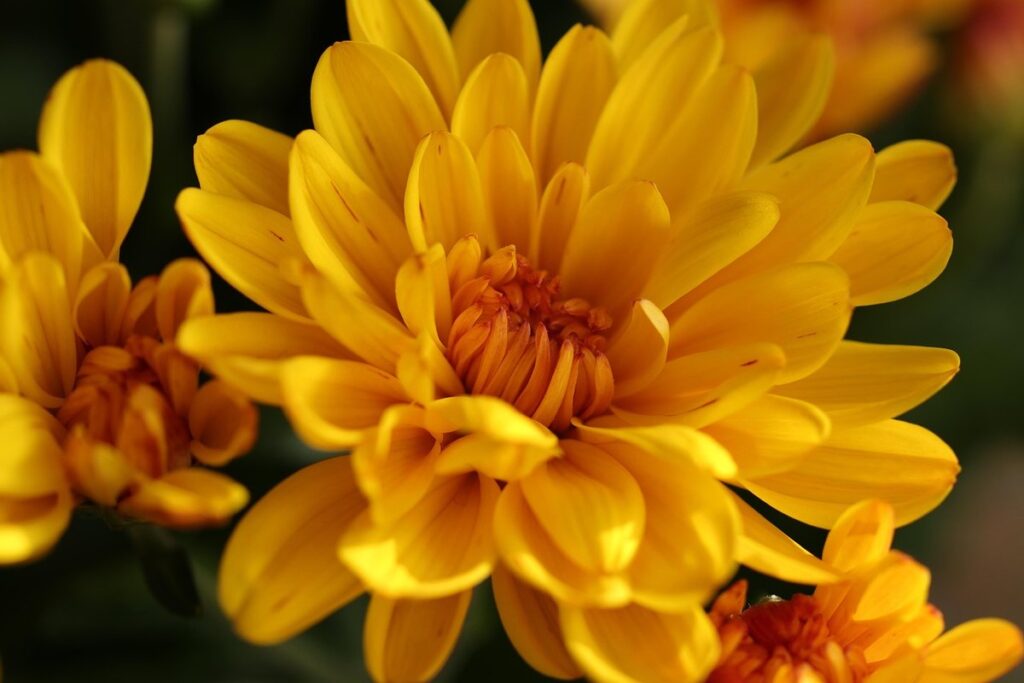
As you delve into the world of autumn flower fireworks, you’ll discover that there are several distinct varieties to explore. One of the most striking types is the Chrysanthemum flower firework, characterized by its vibrant orange and yellow hues. These displays often feature intricate patterns and designs, making them a sight to behold.
Another notable type is the Pampas grass fireworks, which showcase a more rustic charm with their soft pink and white blooms. These displays often incorporate natural elements, such as dried flowers and leaves, adding an organic feel to the overall design.
The Cherry Blossom firework is also a popular choice, featuring delicate pastel shades that evoke a sense of springtime wonder in the midst of autumn. Its intricate details and delicate petals make it a favorite among those who appreciate subtle beauty.
These varieties offer a glimpse into the diverse world of autumn flower fireworks, each with its unique characteristics and charm. By understanding these distinct features, you can begin to create your own breathtaking displays that capture the essence of this magical phenomenon.
The Science Behind Autumn Flower Fireworks
Let’s dive into the fascinating science behind these explosive blooms, where botany meets chemistry and nature puts on a dazzling display.
Botany and Physiology
When it comes to autumn flower fireworks, there’s more going on than meets the eye. At the heart of this spectacle lies a fascinating combination of botany and physiology that allows these flowers to produce their vibrant displays.
From a botanical standpoint, autumn flower fireworks rely on specialized cells called “petal organs” that contain pigments such as anthocyanins and carotenoids. These pigments are responsible for absorbing light energy from the sun and converting it into chemical energy. The unique combination of these pigments in each flower determines its specific color display.
Physiologically, autumn flowers have adapted to produce high levels of sugars through photosynthesis during the growing season. This stored energy is then used to fuel the production of volatile organic compounds (VOCs) that create the firework-like effects we see. These VOCs can be released in a variety of patterns and colors, depending on the specific flower species and environmental conditions.
Understanding these botanical and physiological processes allows us to appreciate the intricate complexity behind this natural wonder.
Photosynthesis and Energy Production
Autumn flower fireworks are not just visually stunning displays of color and light; they’re also a testament to the incredible efficiency of photosynthesis. This process allows flowers to harness energy from sunlight and convert it into the fuel needed for their spectacular shows.
In simple terms, photosynthesis is how plants produce glucose, which serves as the primary source of energy for their growth and development. But in autumn flowers, this process takes on a whole new level of complexity. As daylight hours dwindle and temperatures drop, these flowers accelerate their photosynthetic activity to store up as much energy as possible.
This stored energy is then channeled into the flower’s petals, stems, and other tissues, causing them to burst forth in vibrant color and light displays that can be seen from afar. It’s a truly remarkable example of how plants have adapted to thrive in changing environments – and it’s what makes autumn flower fireworks such an awe-inspiring sight.
In essence, photosynthesis is the engine behind these natural fireworks, allowing flowers to produce the energy needed for their spectacular displays. By understanding this process, we can gain a deeper appreciation for the intricate mechanisms that underlie nature’s most breathtaking beauty.
Temperature and Environmental Factors
When it comes to autumn flower fireworks, temperature and environmental factors play a crucial role in determining their behavior and appearance. As temperatures drop and days get shorter, the chemistry behind these flowers’ display changes, affecting the intensity and duration of their color explosions.
One key factor is the reduction in temperature, which slows down the chemical reactions that produce the vibrant colors. Cooler temperatures can make the colors appear more muted or less intense. This is why autumn flower fireworks often burst into full color in warmer regions and may not be as dramatic in colder areas.
Humidity also affects the display, with high humidity causing the petals to stick together and reduce the explosion’s impact. In contrast, low humidity enables the flowers to fully unfurl and showcase their colors without obstruction. Additionally, wind can disrupt the flower’s delicate balance, affecting its ability to burst into color.
To maximize your autumn flower fireworks experience, choose locations with optimal temperature and humidity levels. Avoid areas prone to strong winds, which can impact the display’s intensity and duration. By understanding these environmental factors, you’ll be better equipped to appreciate this natural phenomenon in all its glory.
Growing and Caring for Autumn Flower Fireworks
Now that you’ve grown your autumn flower firework plant, it’s time to focus on nurturing its beauty through proper care and maintenance techniques. This section will guide you in keeping your blooms vibrant and healthy throughout their season of glory.
Planting and Soil Conditions
When it comes to planting and caring for autumn flower firework plants, understanding their ideal soil conditions is crucial. These flowers thrive in well-draining soil that’s rich in organic matter, such as compost or manure. A pH level between 6.0 and 7.0 is suitable for most varieties.
In terms of climate requirements, autumn flower fireworks prefer full sun to partial shade, with temperatures ranging from 65°F to 85°F (18°C to 30°C). They’re tolerant of some frost but may go dormant during harsh winter conditions. To ensure optimal growth, provide them with a spot that receives at least six hours of direct sunlight per day.
To prepare the soil for planting, mix in 2-3 inches of compost or well-rotted manure to improve drainage and fertility. Water thoroughly after planting and keep the soil consistently moist during the first few weeks. As the plants establish themselves, reduce watering to once a week, allowing the top inch of soil to dry out between waterings.
When choosing a location for your autumn flower firework plant, consider its mature size – typically around 3-6 feet tall and wide – to avoid overcrowding nearby plants or structures.
Watering and Fertilization
When it comes to nurturing your autumn flower fireworks, proper watering and fertilization are crucial for their health and vibrancy. These plants have a unique requirement for consistent moisture levels, but overwatering is just as detrimental as underwatering.
To avoid this delicate balance, make sure to water them when the top inch of soil feels dry to the touch. This can vary depending on your climate, so observe your plant’s behavior and adjust accordingly. It’s also essential to fertilize these plants regularly, using a balanced fertilizer (10-10-10) that is rich in nitrogen, phosphorus, and potassium.
During the growing season, which typically spans from spring to early fall, feed them once a month with a diluted fertilizer solution (half the recommended strength). This will promote healthy growth, vibrant blooms, and prevent nutrient deficiencies. Avoid overfertilizing, as this can damage the plant’s roots and cause more harm than good.
Some specific attention is also required during periods of high heat or drought. Mulch around the base to retain moisture, and consider misting them lightly with a fine spray every few days to keep the soil consistently moist.
Pests and Diseases
Autumn flower firework plants are susceptible to various pests and diseases that can significantly impact their growth and blooming. One common issue is aphids, tiny insects that feed on the plant’s sap, causing curled or distorted leaves. Whiteflies are another concern, as they transmit viral diseases like tomato spotted wilt virus.
To prevent infestations, maintain good garden hygiene by removing weeds and debris that can harbor pests. Regularly inspect your plants for signs of infestation, such as sticky honeydew droplets or actual insects on the leaves. For smaller outbreaks, spray the affected areas with a strong jet of water to dislodge the pests.
More severe cases may require insecticidal soap or neem oil applications. However, be cautious not to over-fertilize, as this can exacerbate pest problems. As for diseases, fungal infections like powdery mildew and leaf spot are common in autumn flower firework plants. To combat these, ensure good air circulation around the plants and avoid overhead watering, which can encourage fungal growth. If you notice any symptoms, treat promptly with fungicides specifically labeled for use on ornamentals.
Practicing integrated pest management (IPM) strategies will help minimize the impact of pests and diseases on your autumn flower firework crop. By staying vigilant and taking prompt action when issues arise, you can enjoy a healthy, thriving display of these unique flowers.
Autumn Flower Fireworks in Gardens and Landscapes
As you plan your autumn garden, it’s essential to incorporate plants that put on a stunning display of color and texture, transforming your outdoor space into a vibrant spectacle. Here, we’ll explore some top picks for showcasing these natural fireworks in your own landscape.
Designing with Autumn Flower Fireworks
When designing with autumn flower fireworks, it’s essential to create a harmonious balance between these stunning flowers and other plants and features. To achieve this, consider pairing them with complementary colors, textures, and growth habits.
For example, if you’re featuring the vibrant blooms of autumn crocus or grape hyacinth, pair them with grasses that sway gently in the breeze, creating a dynamic movement against the static backdrop of these flowers. Alternatively, combine them with fall foliage like maples or birches to create a dramatic display of color and texture.
You can also incorporate autumn flower fireworks into your garden design by using them as focal points amidst ornamental trees or shrubs. For instance, plant a cluster of chrysanthemums among the branches of a beautiful oak tree, allowing their blooms to spill over and dance in the wind. This unexpected pairing will add visual interest and create a memorable display that visitors won’t soon forget.
By incorporating autumn flower fireworks into your garden design with thoughtful consideration for color, texture, and movement, you’ll create a unique and captivating landscape that showcases these fleeting wonders at their best.
Maintenance and Upkeep
To keep your autumn flower firework display looking its best throughout the season, regular maintenance is crucial. Pruning and deadheading are essential tasks that will help maintain the health and appearance of these vibrant flowers.
Pruning involves cutting back overgrown stems to encourage new growth and prevent the plant from becoming leggy. This process should be done in late winter or early spring, before new growth begins. Cut back stems to about a third of their original length, making clean cuts just above a bud or node. This will help promote bushy growth and encourage more blooms.
Deadheading is another vital task that removes spent flowers from the plant, which can help direct energy towards producing new blooms. Remove faded flowers as soon as they start to wilt, taking care not to damage any remaining buds or stems. Regular deadheading will also help prevent self-seeding and keep your garden looking tidy.
Remember to inspect your plants regularly for signs of pests or diseases, and take action promptly if you notice any issues. By incorporating these maintenance tasks into your autumn flower firework care routine, you’ll be rewarded with a stunning display that adds magic to your garden all season long.
Year-Round Interest
One of the most appealing aspects of autumn flower fireworks is their year-round interest. While they may bloom for only a few weeks, their beauty and impact can be enjoyed beyond their initial flowering period.
The seed heads and dried flowers that remain after blooming often develop attractive shapes, colors, and textures. These characteristics make them perfect for adding visual interest to the garden during the fall and winter months. Consider leaving some of these stems standing in place to provide a skeletal framework for birds and small wildlife to inhabit. This can also serve as a natural bird feeder or hiding spot.
Another way to maintain year-round interest is by incorporating autumn flower fireworks into your landscape design with other complementary plants. For example, you could pair them with evergreen shrubs or perennials that bloom at different times of the year. This will create a dynamic and constantly changing display of color, texture, and shape in your garden.
Autumn Flower Fireworks in Culture and Tradition
Autumn flower fireworks have captivated people for centuries, and their significance extends far beyond stunning displays to hold deep cultural and traditional meaning. Let’s explore how this unique phenomenon is celebrated worldwide.
Symbolism and Meaning
Autumn flower fireworks are steeped in symbolism and meaning across various cultures. In Japan, for example, these displays often coincide with the Chrysanthemum Festival, which celebrates the emperor’s birthday. The chrysanthemum is a symbol of longevity and honor, so the fireworks are seen as a way to honor the emperor’s legacy.
In many Asian countries, autumn flower fireworks are associated with good luck, prosperity, and fertility. The vibrant colors and patterns of these displays are meant to ward off evil spirits and bring good fortune to viewers. In Korea, autumn flower fireworks are often linked to the harvest season, representing abundance and gratitude for the year’s crops.
When witnessing autumn flower fireworks, consider the cultural context in which they’re displayed. Appreciate the intricate designs and patterns that reflect the symbolic significance of these events. If you’re planning to attend an autumn flower fireworks display, be sure to dress modestly and respect any local customs or traditions. By embracing the symbolism behind these vibrant displays, you’ll gain a deeper understanding of their cultural importance and appreciate their beauty even more.
Festivals and Celebrations
Autumn flower fireworks play a significant role in festivals and celebrations worldwide. In Japan, for instance, autumn foliage is celebrated with koyo fireworks that erupt in vibrant hues of red, orange, and yellow, reflecting the colors of changing leaves. Similarly, in China, autumn flower firework displays accompany festive events like Mid-Autumn Festival, where communities gather to admire the glowing blooms amidst music and dance.
In Europe, particularly in Germany and Austria, autumn flower fireworks are used to light up Christmas markets and festivities, adding a magical ambiance to these events. These firework displays often feature flowers that bloom in sync with the festivities’ theme, such as red poppies for Valentine’s Day or white lilies for weddings.
When incorporating autumn flower fireworks into your cultural event or celebration, consider the following tips: choose a variety of blooms with varying hues and textures to create an engaging visual display; select a firework design that complements the occasion’s color scheme; and ensure proper safety measures are in place to avoid any accidents. By carefully planning these elements, you can create an unforgettable experience for your guests while celebrating autumn’s beauty through flower fireworks.
Artistic and Decorative Uses
As we delve into the enchanting world of autumn flower fireworks, it’s essential to explore their artistic and decorative uses. These breathtaking displays have captivated audiences worldwide with their vibrant colors, unique designs, and mesmerizing effects. One of the most striking aspects of autumn flower fireworks is their ability to transform public spaces into stunning works of art.
Imagine strolling through a city park or town square on a crisp autumn evening, surrounded by intricate patterns of golden leaves, crimson petals, and delicate tendrils of smoke. The soft glow of autumn flower firework displays creates an ethereal ambiance that’s both soothing and awe-inspiring. To recreate this magic in your own community, consider partnering with local artists, event planners, or cultural organizations to design and implement a large-scale display.
Some popular ways to incorporate autumn flower fireworks into decorative arrangements include:
• Filling large glass containers or vases with delicate fireworks flowers for an indoor centerpiece
• Creating intricate mosaics using autumn-colored fireworks petals and leaves
• Using fireworks as a focal point in outdoor installations, such as lanterns or sculptures
Conclusion: The Joy of Autumn Flower Fireworks
As we conclude our exploration of autumn flower fireworks, it’s undeniable that this natural phenomenon is truly magical. With its vibrant colors and mesmerizing displays, it’s no wonder why many people look forward to witnessing the beauty of autumn flower fireworks every year. As you’ve learned throughout this guide, autumn flower fireworks are not just a breathtaking sight but also a unique opportunity to connect with nature and appreciate the cycles of life.
As we wrap up our discussion, remember that autumn flower fireworks can be enjoyed in various settings – from your own backyard to local parks or botanical gardens. To make the most of this experience, take time to sit back, relax, and soak in the beauty of the flowers as they unfurl their petals.
Frequently Asked Questions
Can I grow autumn flower fireworks in containers or do they require a lot of space?
You can grow autumn flower fireworks in containers, but make sure the container is at least 6-8 inches deep to accommodate their extensive root system. Use a well-draining potting mix and provide full sun to partial shade, depending on the specific variety you’re growing.
How do I prevent pests and diseases from affecting my autumn flower fireworks?
To prevent pests and diseases, keep your plants healthy by watering them properly, fertilizing regularly, and pruning dead blooms. Monitor for signs of infestation or disease, such as aphids, whiteflies, or powdery mildew, and treat promptly if necessary.
Can I use autumn flower fireworks in my indoor arrangements, or are they best suited for outdoor displays?
Autumn flower fireworks can add a dramatic touch to indoor arrangements, but their unique characteristics might be lost in a closed environment. Consider using them as a focal point in a large windowsill or conservatory for maximum effect.
How long do autumn flower fireworks typically bloom, and when can I expect them to start producing flowers?
Autumn flower fireworks usually bloom for 2-4 weeks, depending on the specific variety and weather conditions. As for when they’ll start producing flowers, it varies by plant species, but generally, they begin blooming in late summer to early fall.
Can I propagate autumn flower fireworks through division or should I purchase new plants every year?
While you can propagate some types of autumn flower fireworks through division, others may be more challenging to divide and might require starting from seed. Check the specific needs of your plant variety for the best results.