
Direct sowing tomatoes can be a bit tricky, but with the right approach, you’ll be enjoying a bountiful harvest in no time. Many gardeners struggle with poor germination rates and pesky pests that seem to wreak havoc on their tomato plants. But what if you could skip the hassle of transplanting seedlings altogether? By learning the secrets of direct sowing tomatoes, you can save time and effort while still producing delicious, homegrown fruit.
In this article, we’ll cover everything from preparing your soil for optimal growth to pruning techniques that promote healthy plant development. We’ll also share tips on how to overcome common challenges like poor germination rates and pest infestations. Whether you’re a seasoned gardener or just starting out, this guide will walk you through the process of direct sowing tomatoes with confidence. By following these simple steps, you can achieve success in your own garden and enjoy a bumper crop of juicy tomatoes all season long.
Understanding the Basics of Direct Sowing
Before diving into more advanced techniques, it’s essential to understand the basics of direct sowing tomatoes, including seed selection and preparation. Let’s start with the fundamentals!
Advantages of Direct Sowing Over Transplanting
When it comes to growing tomatoes, many gardeners opt for transplanting seedlings into larger pots before moving them to the garden. However, direct sowing tomato seeds can offer several advantages over this traditional method.
First and foremost, direct sowing is often more cost-effective than transplanting. By skipping the need for seed starting mix, containers, and careful handling of fragile seedlings, you can save money on supplies and labor. For example, a single packet of tomato seeds can yield dozens of plants, making direct sowing an economical choice for large or small gardens alike.
Another significant benefit of direct sowing is reduced transplant shock. Seedlings grown in pots often suffer from stress caused by being uprooted and moved to a new environment, which can lead to weakened immune systems and increased susceptibility to disease. In contrast, tomato seeds sown directly into the ground develop their root system gradually, reducing shock and promoting healthier growth.
Finally, direct sowing allows for more extensive root development, enabling your tomato plants to grow stronger and more resilient. This is because seedlings grown in pots often have limited space to spread out their roots, whereas direct-sown seeds can explore a wider area of the soil as they mature.
Preparing Your Soil for Tomato Seeds
Before planting your tomato seeds, it’s essential to prepare your soil for successful germination. A well-prepared soil can make all the difference between a bountiful harvest and a disappointing one.
Firstly, let’s talk about pH levels. Tomatoes prefer a slightly acidic to neutral soil pH, ranging from 6.0 to 7.0. If your soil is too alkaline or acidic, it may hinder seed germination or affect plant growth. You can test your soil pH using a DIY kit or send a sample to a laboratory for analysis.
Next, consider the nutrient requirements of tomato plants. They need a balanced diet of nitrogen (N), phosphorus (P), and potassium (K) to grow strong and healthy. A general-purpose fertilizer can provide these essential nutrients. However, be cautious not to over-fertilize, as this can lead to weak plant growth.
Moisture control is also crucial for tomato seeds. The ideal soil moisture level should be damp but not waterlogged. Avoid sowing seeds in areas with standing water or where water tends to collect. To achieve the right moisture balance, mix a small amount of organic matter like compost into your soil to improve its water-holding capacity.
Choosing the Right Variety for Direct Sowing
When direct sowing tomatoes, selecting the right variety is crucial for a bountiful harvest. Let’s explore the key factors to consider when choosing the perfect tomato for your garden.
Selecting Heirloom or Hybrid Varieties
When selecting varieties for direct sowing tomatoes, you’ll come across two main types: heirloom and hybrid. Understanding their differences is crucial to making an informed decision that suits your garden’s needs.
Heirloom varieties are open-pollinated, meaning they can be saved and replanted from seeds year after year. They often exhibit diverse characteristics like unique flavors, colors, and growth habits. Heirlooms tend to have a more unpredictable growth pattern, which can make them more challenging for beginners. However, their flavor profiles are often highly sought after by enthusiasts.
Hybrid varieties, on the other hand, are bred specifically for disease resistance and high yields. They typically exhibit uniform growth patterns and are easier to cultivate than heirlooms. Hybrids often have built-in resistance to specific diseases, making them a great choice for gardeners concerned about fungal infections or pests.
Consider your specific needs: do you want to save seeds for future planting (heirloom) or prioritize disease resistance and high yields (hybrid)? Be aware that some hybrids may lose their desirable traits when saved and replanted.
Factors to Consider When Selecting a Tomato Variety for Direct Sowing
When selecting a tomato variety for direct sowing, there are several key factors to consider. Maturity days are crucial, as they determine when your tomatoes will be ready to harvest. Some varieties mature in as little as 60 days, while others take up to 90 or more. Consider the length of your growing season and choose a variety that matches it.
Plant height is another important factor. Compact or dwarf varieties are ideal for small spaces or containers, while indeterminate varieties can grow quite tall and require support. For example, ‘Patio’ tomatoes are compact and produce fruit within 60 days, making them perfect for small gardens. On the other hand, ‘Brandywine’ tomatoes are indeterminate and can reach heights of up to 6 feet.
Growth patterns also play a significant role in selecting the right variety. Some varieties are bred for bush production, while others are vining types that require trellising. Choose a variety that suits your gardening style and available space. For instance, ‘Roma’ tomatoes are known for their bush growth habit, making them an excellent choice for small spaces.
Ultimately, the specific growing conditions in your area will also impact the performance of your tomato plants. Be sure to choose a variety that is resistant to common diseases and pests in your region.
Sowing Tomato Seeds Indoors or Outdoors
When it comes to getting a head start on your tomato harvest, deciding where to sow those seeds is crucial. We’ll walk you through both indoor and outdoor options for sowing tomato seeds.
Starting Tomatoes Indoors 6-8 Weeks Before the Last Frost Date
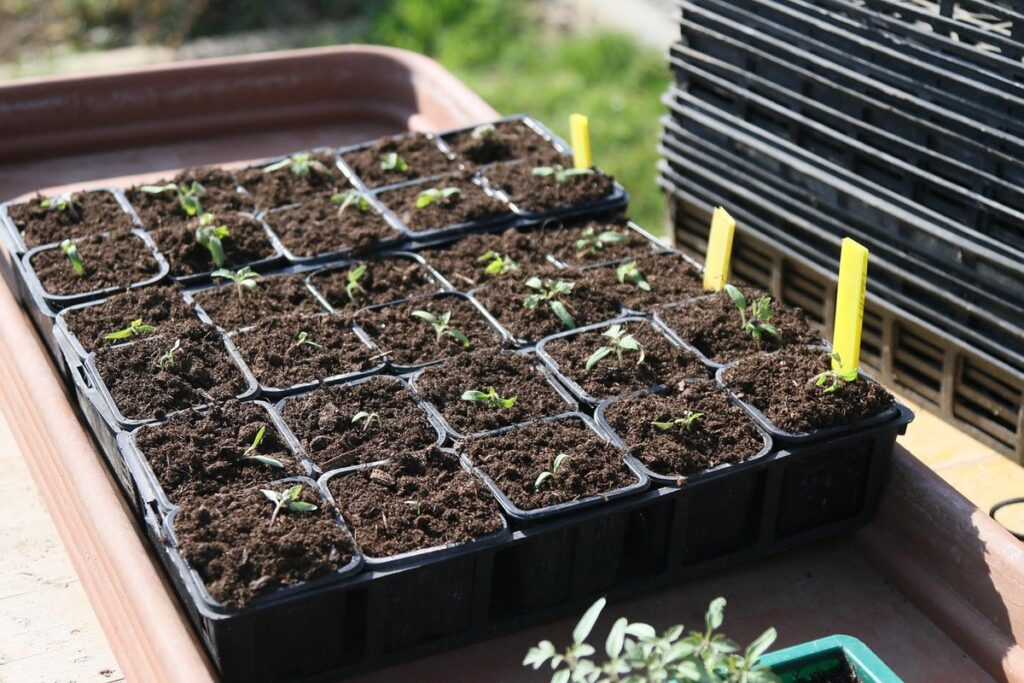
Starting tomato seeds indoors 6-8 weeks before the last frost date is an excellent way to get a head start on the growing season. To begin, you’ll need seed trays, grow lights, and a suitable location for them in your home or greenhouse.
Fill the seed trays with a good quality potting mix, making sure to leave about 1-2 cm of space between each seed. Sow one tomato seed per cell, and gently firm the soil around it. Water the seeds thoroughly and place the trays under grow lights. Keep the temperature at around 20-25°C (68-77°F) during the day, and slightly cooler at night.
Seedlings will typically emerge within 7-10 days, depending on the variety and growing conditions. Once they have two sets of true leaves, you can begin to harden them off for transplanting outdoors. Start by moving them to a shaded area outside for a few hours a day, gradually increasing their exposure to direct sunlight over the course of 7-10 days.
This will help prevent shock when transplanting into larger pots or directly into the garden. Remember to keep the soil consistently moist during this process, but avoid overwatering, which can lead to root rot and other issues. With proper care, your seedlings should be ready for transplanting outdoors about 6-8 weeks before the last frost date in your area.
Direct Sowing in Outdoor Soil After the Last Frost Date
When direct sowing tomato seeds outdoors after the last frost date, it’s essential to prepare the soil properly and follow a few key techniques. First, choose a location with full sun and well-draining soil that receives at least six hours of direct sunlight.
For optimal growth, sow seeds ¼ inch deep and 2-3 inches apart in rows spaced about 3 feet apart. This allows for proper air circulation and reduces the risk of disease. Water gently but thoroughly after sowing to settle the soil around the seeds.
To protect young seedlings from temperature fluctuations and pests, apply a thin layer (about 1-2 inches) of organic mulch such as straw or bark chips around the plants. Keep the mulch at least an inch away from the stems to prevent moisture buildup.
Remember that direct sowing outdoors requires patience, and it’s crucial to be mindful of your local climate. If you’re unsure about the optimal planting time for your area, consult with a local nursery or gardening expert to determine the best approach for successful tomato growth.
Caring for Seedlings After Direct Sowing
Now that your tomatoes have germinated, it’s essential to provide them with the right care to ensure they grow strong and healthy. This section will walk you through the key steps for nurturing seedlings after direct sowing.
Watering and Irrigation Strategies
Watering and irrigation are crucial aspects of caring for young tomato seedlings after direct sowing. It’s essential to strike a balance between providing enough moisture to support growth and avoiding overwatering, which can lead to root rot and other problems.
A general rule of thumb is to water your seedlings when the top 1-2 inches of soil feel dry to the touch. Check the soil daily, as this frequency will vary depending on weather conditions. Aim for about 1 inch of water per week, either from rain or irrigation. You can use a drip irrigation system or soaker hose to deliver water directly to the roots, reducing evaporation and runoff.
Some key tips to keep in mind: avoid getting water on the leaves to prevent fungal diseases; don’t overwater, as this can cause seedlings to become leggy and weak; and make sure the soil drains well to prevent waterlogged soil. For example, if you’re using a drip irrigation system, place the emitter about 6-8 inches from the base of the plant to encourage deep root growth.
Monitor your seedlings’ responses to watering, adjusting your schedule as needed. This might mean watering every other day during hot weather or reducing frequency during cooler periods.
Providing Support and Pruning for Optimal Growth
As your tomato seedlings grow and begin to produce leaves and stems, it’s essential to provide them with support structures to prevent damage and promote healthy growth. Tomatoes are a heavy fruit-bearing plant that requires a trellis or stake for optimal growth.
You can use bamboo stakes or wooden stakes specifically designed for tomato plants, which come in various heights and types. For example, indeterminate varieties need more support than determinate varieties. When choosing a stake, ensure it’s at least 5-6 feet tall to accommodate the plant’s mature height.
In addition to providing support, pruning is also crucial for promoting healthy growth and fruit production. Remove any weak or spindly growth to encourage bushy growth and prevent disease. Pinch off the top sets of leaves on indeterminate seedlings after transplanting to encourage a stronger stem.
Pruning also helps direct the plant’s energy towards producing more fruit. For example, removing lower leaves and weak branches can improve air circulation and reduce moisture retention, reducing the risk of fungal diseases like septoria leaf spot. By providing support and pruning your tomato plants regularly, you’ll be able to enjoy a bountiful harvest of juicy tomatoes.
Common Challenges and Solutions in Direct Sowing Tomatoes
When direct sowing tomatoes, you’ll inevitably encounter some common challenges that can hinder your success. Let’s tackle these obstacles together and explore practical solutions to overcome them effectively.
Overcoming Common Obstacles Like Poor Germination Rates or Pests
One of the most frustrating experiences for tomato growers is dealing with poor germination rates. This can be caused by a variety of factors, including inadequate soil temperature, inadequate moisture, and improper sowing depth. To overcome this issue, make sure to choose a variety that suits your climate and has a high germination rate.
Another common problem faced by direct sowers is pests like cutworms, hornworms, and aphids. These can be controlled through integrated pest management (IPM) techniques such as crop rotation, biological control methods like introducing beneficial insects, and using physical barriers to prevent infestation. For example, you can use fine mesh or row covers to protect your seedlings from pests.
Diseases are also a common issue in direct sowing tomatoes. Common diseases include fusarium wilt, bacterial spot, and early blight. To prevent these diseases, make sure to maintain good air circulation, water carefully, and avoid overcrowding your plants. Regular monitoring of your plants for signs of disease can also help you catch the problem early on.
In addition to these measures, keep in mind that certain pests and diseases are specific to certain regions. Research what common issues occur in your area and take preventative steps accordingly.
Strategies for Dealing with Adverse Weather Conditions
When direct sowing tomatoes, gardeners often encounter adverse weather conditions that can impact seedling health and growth. Heatwaves, droughts, and heavy rainfall events are common challenges that can be detrimental to young tomato plants.
To mitigate these risks, it’s essential to employ strategies that promote resilience in your tomato seedlings. One approach is to sow seeds at the correct depth, taking into account the soil temperature and moisture levels. This will encourage deep root growth, allowing seedlings to access water deeper in the soil profile.
Another tactic is to choose heat-tolerant or drought-resistant varieties of tomatoes. Some popular options include ‘Heat Wave’ and ‘Patio’. When extreme weather conditions occur, ensure that your plants receive adequate water and maintain a consistent moisture level. Mulching around the base of seedlings can also help retain moisture and regulate soil temperature.
In cases where heavy rainfall is forecasted, provide support for seedlings using stakes or cages to prevent damage from wind and rain. Regular monitoring of weather forecasts will enable you to prepare your tomato plants accordingly.
Frequently Asked Questions
What are the ideal soil conditions for direct sowing tomatoes?
The ideal soil temperature for direct sowing tomatoes is between 55°F to 85°F (13°C to 30°C). The soil should also be well-draining and have a pH between 6.0 and 7.0. To achieve these conditions, you can mix in organic matter like compost or well-rotted manure to improve the soil‘s structure and fertility.
Can I direct sow tomato seeds in containers or raised beds?
Yes, you can direct sow tomato seeds in containers or raised beds, but make sure they have good drainage holes to prevent waterlogged soil. The ideal container size for direct sowing tomatoes is at least 12-18 inches deep to accommodate the root system of mature plants.
How do I prevent poor germination rates when direct sowing tomatoes?
Poor germination rates can be caused by factors like inadequate moisture, high temperatures, or old seeds. To overcome this challenge, ensure that you are using fresh seeds, maintain consistent moisture levels, and provide a temperature range between 65°F to 75°F (18°C to 24°C) for optimal germination.
Can I direct sow tomato varieties with determinate growth habits?
Yes, you can direct sow tomato varieties with determinate growth habits. However, keep in mind that these plants may not require as much support or pruning compared to indeterminate varieties. Still, it’s essential to provide some form of support for the fruiting stems to prevent damage from wind and rain.
How do I deal with pests like hornworms when direct sowing tomatoes?
When dealing with pests like hornworms, it’s essential to act promptly and use a combination of cultural, physical, and chemical controls. You can hand-pick the pests, use row covers to prevent infestation, or apply insecticidal soap according to label instructions to control hornworm populations.