
Starting your vegetable garden from scratch can be an overwhelming task, especially when deciding between two fundamental approaches: direct sowing and transplanting. While both methods have their advantages and disadvantages, understanding the benefits and drawbacks of each is crucial for achieving optimal growth in your garden.
When you decide to direct sow your vegetables, you’re essentially planting them directly into the soil without any intermediate container or nursery step. This method can provide a head start on the growing season, but it requires precise timing and soil preparation to ensure success. Transplanting, on the other hand, involves potting seedlings in containers before transferring them to their final garden location. In this article, we’ll delve into the pros and cons of direct sowing versus transplanting vegetables, exploring benefits, soil preparation, and specific techniques for each method.
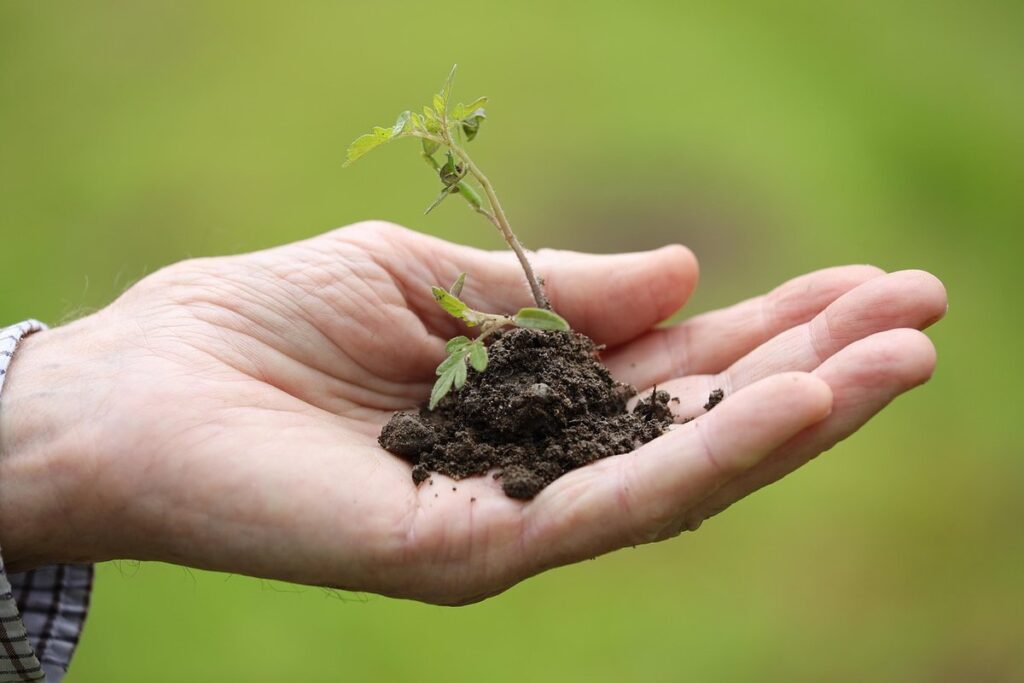
Understanding the Basics of Direct Sowing and Transplanting
Let’s dive into the fundamentals of vegetable cultivation: direct sow and transplanting. We’ll break down the key differences between these two popular methods.
The Benefits of Direct Sowing
Direct sowing offers several advantages over transplanting, making it an attractive option for many gardeners. For one, direct sowing is often easier to execute than transplanting, as you don’t need to worry about handling delicate seedlings and potting soil. This ease of planting also allows you to get a head start on the growing season, with some seeds germinating in as little as 3-5 days.
Another significant benefit of direct sowing is its lower cost compared to transplanting. You won’t need to purchase starter trays or seed starting mix, and you can skip the expense of buying young transplants from a nursery. This cost savings can be substantial, especially for large gardens or commercial growers.
Some vegetables are naturally suited to direct sowing due to their growth habits and germination times. For example, warm-season crops like beans, cucumbers, and squash typically thrive when direct sown into the garden bed. They germinate quickly and spread out rapidly, making them ideal candidates for this method.
Preparing Soil for Direct Sowing
Preparing soil for direct sowing is crucial to ensure healthy growth and optimal yields. Before you start direct sowing seeds, take some time to prepare the soil by tilling it to a depth of 8-10 inches. This will loosen compacted soil, remove debris, and aerate the soil to allow roots to grow freely.
Next, test your soil pH levels to determine if they are within the optimal range for direct sowing. Most vegetables prefer a slightly acidic to neutral soil pH (6.0-7.0). If your soil is too alkaline or acidic, adjust the pH levels by adding lime or sulfur accordingly. This will prevent nutrient deficiencies and ensure that nutrients are readily available to plants.
In addition to pH testing, also check the nutrient content of your soil. Add organic matter like compost or well-rotted manure to improve soil fertility and structure. A balanced fertilizer application can also be made at this stage. By following these essential steps, you’ll create a fertile and conducive environment for direct sowing seeds to germinate and grow successfully.
Common Vegetables that Thrive with Direct Sowing
When it comes to direct sowing, certain vegetables excel and make the most of this method. Take beans and peas for instance – they thrive when sown directly into the ground. These legumes have a unique ability to fix nitrogen from the air, making them an ideal choice for direct sowing.
For optimal results, sow beans 2-3 inches deep and 4-6 inches apart in late spring or early summer, depending on your region’s climate. Peas prefer slightly shallower planting at 1-2 inches deep and 2-3 inches apart. Make sure the soil is well-draining to prevent waterlogged conditions that can lead to root rot.
Corn is another vegetable that benefits from direct sowing. It requires a bit more space, so sow seeds 8-12 inches apart in late spring or early summer, depending on your region’s climate. Keep in mind that corn is wind-pollinated, so make sure there are no obstructions nearby to facilitate proper pollination.
By following these simple guidelines and choosing the right vegetables for direct sowing, you can enjoy a bountiful harvest with minimal effort.
Transplanting: When to Use This Method
When deciding between direct sow and transplant methods, understanding when to use transplanting is crucial for successful vegetable growth. Let’s explore some scenarios where transplanting might be your best bet.
Advantages of Transplanting
Transplanting can provide a significant advantage when it comes to getting a head start on the growing season for certain vegetables like tomatoes and peppers. By starting seedlings indoors or in a greenhouse, you can give them a 4-6 week jump on the outdoor growing season. This is especially beneficial for cool-season crops that mature quickly.
When transplanting, seedlings are typically started in a controlled environment where they receive optimal light, temperature, and care. This allows them to develop strong roots and a robust stem structure before being transplanted outdoors. As a result, they can establish themselves more quickly and withstand the stresses of outdoor conditions.
To make the most of transplanting, choose varieties that are specifically bred for transplant production. These seedlings will typically have been grown in larger cells or containers to promote root development. Be sure to harden off your seedlings before transplanting them outdoors to prevent shock and ensure a smooth transition.
Preparing Seedlings for Transplanting
Preparing seedlings for transplanting requires careful attention to detail to ensure their successful transition from indoor containers to outdoor gardens. The hardening off process is a critical step in this preparation. Begin by gradually exposing seedlings to outdoor conditions over the course of 7-10 days, starting with short periods of direct sunlight and wind.
Next, select suitable containers for transplanting. Opt for pots or cell trays that are at least an inch larger than the seedlings’ current roots. This will provide them with enough room to expand without becoming waterlogged. When selecting containers, also consider their material – terracotta or unglazed ceramic pots can dry out quickly, while plastic or fabric ones retain moisture better.
Determine the ideal size for transplanting by checking the seedlings’ root development. Seedlings with a strong taproot and multiple sets of leaves are ready to be transplanted. Typically, this is when they have 2-3 sets of leaves. Transplant them at the same depth as in their original containers, and water thoroughly after planting.
Comparing Direct Sow vs Transplant: Factors to Consider
When deciding between direct sow and transplant methods, several key factors come into play, influencing the success of your vegetable garden. Let’s examine these crucial considerations together.
Weather Conditions
When it comes to weather conditions, direct sow and transplanting have different requirements that can impact the success of your vegetable garden. Temperature is a critical factor, as extreme heat or cold can either hinder seed germination or cause seedlings to bolt. For example, if you’re planting cool-season crops like broccoli or kale, a warm spell can cause them to flower prematurely. On the other hand, if it’s too chilly, seeds may take longer to germinate.
Humidity is another consideration, as high levels can lead to fungal diseases that can wipe out your crop before it even gets off the ground. Conversely, low humidity can cause seedlings to dry out quickly. To mitigate these risks, make sure to sow seeds at the right time for your climate and adjust transplanting dates accordingly.
Sunlight is also crucial, as most vegetables need a certain amount of direct sunlight to thrive. When transplanting, ensure that seedlings are receiving sufficient light by choosing varieties that mature quickly or hardening off seedlings before moving them outside. By understanding how weather conditions impact your garden, you can develop strategies to overcome challenges and give your crops the best chance to succeed.
Space and Crop Rotation
When deciding between direct sow and transplant methods, two crucial factors to consider are space allocation and crop rotation. The former determines how you optimize growing areas for maximum yield, while the latter ensures the health of your soil by preventing pests and diseases from building up.
Direct sowing is often ideal for smaller gardens where every inch counts. By planting seeds directly into their final position, you save space that would be needed to accommodate seedlings after transplanting. However, this method can lead to overcrowding if not managed carefully, which can reduce air circulation and increase the risk of disease transmission between plants.
Crop rotation is essential for maintaining soil health and preventing pests from becoming resistant to your control methods. By rotating your crops seasonally or annually, you break the cycle of pathogens and nutrients depletion that can occur when growing the same crop repeatedly in the same spot. This technique also allows you to maximize space by planting a mix of fast-growing and slow-growing vegetables together.
To optimize growing areas using these techniques, consider allocating specific sections for direct sowing and transplanting. For example, dedicate a raised bed or container to tomatoes and peppers, while using another area for leafy greens like lettuce and spinach.
Special Considerations for Specific Vegetables
Some vegetables are best suited to one method over the other, and understanding these special considerations will help you make informed decisions when planning your garden. Let’s take a closer look at how to handle some of these tricky veggies.
Transplanting Delicate Roots
When transplanting delicate root vegetables like carrots and beets from seedlings to the garden bed, it’s crucial to handle them with care. These sensitive roots can easily become damaged during the process, leading to stunted growth or even plant death.
To minimize damage, start by gently firming the soil around the seedling, making sure not to compact it too much. Then, carefully lift the seedling out of its container, taking care not to disturb the surrounding soil. For carrots and beets specifically, you can use a specialized tool like a dibble or a chopstick to create a small hole in the garden bed, allowing the roots to grow downward without being disturbed.
It’s also essential to acclimate your seedlings to outdoor conditions before transplanting them. Start by placing the containers on a sunny windowsill for 7-10 days, gradually increasing their exposure to direct sunlight and wind. This will help prevent shock when you transfer them to the garden bed.
When transplanting, make sure to handle the roots as little as possible, and avoid exposing them to air or light for too long. This can cause damage or even rot. By following these steps, you’ll be able to successfully transplant your delicate root vegetables without causing harm to their sensitive roots.
Direct Sowing for Large-Scale Operations
For large-scale growers and farmers who prioritize efficiency and cost-effectiveness, direct sowing can be an attractive option. One of the key advantages is that it eliminates the need for multiple seedlings per plant, which can save significant time and resources.
In mass production settings, direct sowing allows farmers to sow seeds directly into the final growing position, reducing labor costs associated with transplanting. This method also minimizes the risk of seedling shock, a common issue when transferring seedlings from smaller pots to larger fields.
To implement direct sowing on a large scale, growers can consider using precision irrigation and fertilization systems, which enable accurate application of resources directly to the seeds. Additionally, incorporating cover crops or other companion plants that enhance soil health can further optimize the direct sowing process.
By streamlining their operations in this way, farmers can increase yields while reducing costs – a winning combination for large-scale growers looking to maximize efficiency and productivity.
Growing in Small Spaces: Tips for Urban Gardeners
Whether you’re limited by a tiny balcony or a small backyard, growing vegetables in compact spaces requires careful planning and strategy. In this section, we’ll share expert advice on how to maximize your space.
Transplanting Options for Compact Gardens
When working with compact gardens, transplanting can be a challenge. However, there are several options to adapt traditional transplanting methods for smaller spaces. For instance, container gardening is an excellent choice for transplants. Select pots that are at least 5-gallons deep to provide enough room for the roots of your plants to grow.
Another option is vertical growing systems. These space-saving solutions can be used in combination with container gardens or as a standalone solution. By utilizing a trellis or a wall-mounted planter, you can maximize your garden’s square footage and create more space for transplanting.
When choosing transplants for compact gardens, look for varieties that are specifically bred for containers or small spaces. These plants typically have smaller root systems and require less support as they grow. Consider growing herbs like basil, mint, or rosemary in a vertical planter to make the most of your garden’s space.
Direct Sowing Adaptations for Urban Areas
In urban areas, gardeners often face unique challenges when direct sowing vegetables. Space constraints and varying light conditions can make it difficult to choose the right varieties for direct sowing. However, with a little creativity and knowledge of adaptable vegetable types, you can successfully grow a bountiful harvest in your small city garden.
For example, leafy greens like lettuce, kale, and spinach are perfect for urban gardens as they mature quickly (in as little as 20-30 days) and can thrive in partial shade. These varieties require minimal space and can be grown densely, making them ideal for container gardens or narrow plots. Other quick-growing vegetables like radishes, green beans, and carrots also excel in urban conditions.
To maximize your direct sowing efforts in the city, consider selecting compact or dwarf varieties that are bred specifically for small spaces. These plants have been engineered to grow faster and more densely, reducing the need for extensive pruning or training. Some popular examples include cherry tomatoes, bush beans, and compact cucumbers.
When planning your urban garden, be sure to choose a location with at least 4-6 hours of direct sunlight per day (or even partial shade). This will give your vegetables the best chance to thrive and grow well.
Frequently Asked Questions
Can I direct sow all types of vegetables, or are some more suitable for transplanting?
While some vegetables can be successfully direct sown, others may benefit from the stability and care provided by transplanting. Delicate roots, such as those found in radishes and carrots, may be damaged during direct sowing. In contrast, robust seedlings like tomatoes and peppers often thrive with direct sowing.
How do I ensure optimal soil conditions for direct sowing?
Preparing soil for direct sowing involves loosening the top 8-10 inches of soil to a depth that allows seeds to germinate easily. This can be achieved through tilling or hand-weeding, followed by incorporating organic matter like compost or manure to improve soil fertility and structure.
Can I mix and match direct sow and transplanting methods within the same garden bed?
Yes, it’s possible to combine both direct sowing and transplanting techniques in a single bed. However, consider factors like crop rotation, space requirements, and potential competition for resources when combining these methods. It’s essential to plan carefully and stagger planting dates to avoid overcrowding.
What if I miss the optimal direct sowing window due to unpredictable weather conditions?
Missing the ideal direct sowing period can be challenging, but it’s not a deal-breaker. You can still direct sow during less-than-ideal times by using techniques like row covers or cold frames to protect seedlings from extreme temperatures and moisture fluctuations.
Can I use recycled containers for transplanting, or are specialized pots required?
While specialized pots can provide optimal conditions for seedlings, you can also repurpose materials like plastic cups, egg cartons, or even old yogurt containers. Just ensure the container has drainage holes to prevent waterlogged soil and root rot.