
Pumpkins are more than just a seasonal decoration or a key ingredient in your favorite fall recipe. They come in a stunning array of varieties, each with its own unique characteristics and uses. From sweet, pie-perfect pumpkins to ornamental gourds that add a pop of color to your home decor, the diversity of pumpkins is truly impressive. Not only are they delicious and versatile, but they also offer numerous health benefits and culinary delights. In this article, we’ll delve into the world of different pumpkin varieties, exploring their uses, benefits, and the best ways to incorporate them into your cooking and decorating plans. Whether you’re a seasoned gardener or just starting to explore the world of pumpkins, this guide will help you discover new favorites and unlock the full potential of these incredible gourds.
Understanding Pumpkin Varieties
Let’s explore the incredible diversity of pumpkins, as we delve into the unique characteristics and uses of popular varieties, from sugar pie to jack-o-lantern.
Sweet Pumpkin Basics
Sweet pumpkins are one of the most popular varieties among home cooks and professional chefs alike. These sweet treats have a naturally sweeter flavor profile compared to other types of pumpkins, making them ideal for baking, roasting, and cooking a variety of dishes.
When it comes to determining whether a pumpkin is sweet or not, sugar content plays a crucial role. Sweet pumpkins typically contain around 15-20% sugar by weight, which makes them perfect for using in desserts like pies, cakes, and breads. This sweetness also makes them an excellent choice for roasting and mashing.
Some popular types of sweet pumpkins include ‘Baby Boo’, ‘Sugar Pie’, and ‘Jack Be Little’. These compact varieties are relatively small in size but pack a big punch when it comes to flavor and texture. They’re perfect for cooking and baking, and their smaller size makes them ideal for individual servings or for sharing with friends and family.
When selecting a sweet pumpkin for cooking, look for one that is firm, smooth-skinned, and free of bruises or soft spots. Store your sweet pumpkin in a cool, dry place until you’re ready to use it, and be sure to cook it before consuming it to break down its natural fibers and make the nutrients more accessible.
Pie Pumpkins and Sugar Pie Pumpkins
When it comes to baking pies, not all pumpkins are created equal. Among the numerous varieties available, two popular choices stand out: pie pumpkins and sugar pie pumpkins. These compact, symmetrical pumpkins are specifically bred for their sweet, tender flesh, making them ideal for cooking down into a delicious filling.
Pie pumpkins typically weigh between 5-10 pounds, with smooth, glossy skin that ranges in color from deep orange to pale yellow. Their sweet flavor and fine texture make them perfect for traditional pumpkin pies, while also lending themselves well to creative recipes like pumpkin ravioli or soufflé.
Sugar pie pumpkins are slightly smaller than their counterparts, usually weighing between 3-6 pounds. With a more rounded shape and slightly ribbed skin, they offer an even sweeter flavor profile that’s ideal for those seeking a more intense pumpkin taste in their baked goods. Both varieties share similar growth habits, preferring full sun and well-drained soil to reach their optimal flavor potential.
When selecting either variety for baking, look for ones with minimal blemishes or soft spots, as these can affect the overall quality of your finished pie. By choosing one of these two tried-and-true options, you’ll be sure to create a show-stopping, delectable dessert that’s sure to impress family and friends alike.
Ornamental Gourds and Decorative Pumpkins
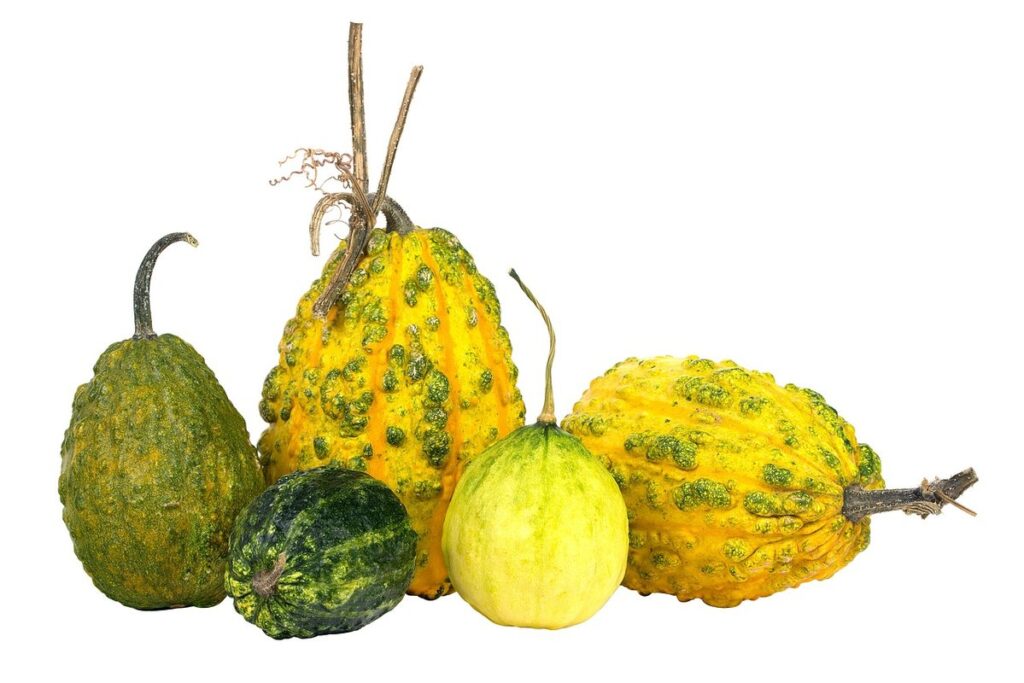
Ornamental gourds are often mistaken for edible pumpkins due to their similar appearance. However, they have distinct characteristics that set them apart from the pumpkins we use for cooking and baking.
One of the most noticeable differences is their hard, smooth skin, which makes them non-edible. Ornamental gourds come in a wide range of shapes, sizes, and colors, making them perfect for home decor. They can be used as standalone decorations or paired with other fall elements like leaves, twigs, and pinecones.
To use ornamental gourds in your home decor, start by choosing the right type that suits your design style. For a more rustic look, opt for larger, irregularly-shaped gourds. Smaller, symmetrical ones work well for a more elegant arrangement. You can paint or glue them to add color and texture. Simply place them on a mantel, side table, or even as part of a centerpiece to create a beautiful fall display.
When choosing ornamental gourds, remember that they are sensitive to moisture, so avoid placing them near water sources or humid areas. With proper care, these unique decorations can add a touch of autumn charm to your home for years to come.
The History of Pumpkin Cultivation
Pumpkins have been a staple crop for thousands of years, with evidence of cultivation dating back to ancient Mesoamerica. Let’s take a journey through their fascinating history.
Indigenous Origins and Early European Adaptation
Pumpkin cultivation has its roots in indigenous peoples of North America, where it was first domesticated over 7,000 years ago. The oldest known evidence of pumpkin cultivation comes from the O’odham people of the Sonoran Desert, who prized pumpkins for their nutritional value and versatility. They would dry, grind, and store the seeds as a staple food source during the winter months.
As European colonizers arrived in North America, they discovered pumpkins growing wild throughout the continent. The early settlers took note of the ease with which pumpkins could be cultivated, adapted quickly to the new environment, and began to cultivate them themselves. By the 17th century, pumpkins had become a staple crop in many European colonies, including those established by British settlers.
The adaptability of pumpkins was crucial to their rapid spread across the globe. They thrived in diverse climates, from the dry deserts of North America to the cool, damp soils of Europe. This ability to grow and thrive in different conditions has allowed pumpkins to become one of the most widely cultivated crops globally today.
European colonizers soon realized that pumpkins could be used for a variety of purposes beyond food, such as ornamental decorations and even animal feed. However, it was not until the 18th century that pumpkins were bred specifically for their size, shape, and color, giving rise to the wide range of varieties we know today.
The indigenous origins and early European adaptation of pumpkin cultivation laid the foundation for its widespread cultivation around the world. Today, pumpkins are grown on every continent except Antarctica, with a staggering 1.5 billion kilograms produced annually worldwide. Whether used as a nutritious food source, decorative centerpiece, or even as a medicinal agent, pumpkins continue to play an essential role in human culture and agriculture.
Evolution of Modern Pumpkin Varieties
Over time, pumpkin varieties have undergone significant transformations through selective breeding. This process has led to a vast array of sizes, shapes, colors, and flavors available today. In the past, pumpkins were primarily grown for food and decoration purposes, but modern farmers are now able to cultivate pumpkins with specific characteristics.
For instance, the Atlantic Giant pumpkin variety has been bred to grow up to 200 pounds or more in weight, making it a popular choice for competitive growers. On the other hand, the Baby Boo variety is smaller in size and has a unique white and orange coloration. These variations have not only expanded the possibilities for culinary and decorative uses but also opened doors for new market opportunities.
Selective breeding has also enabled farmers to create pumpkins with improved disease resistance and shelf life. By selecting specific traits through controlled pollination, growers can now produce pumpkins that are better suited to their climate and market demands. This evolution of modern pumpkin varieties is a testament to the power of selective breeding in adapting to changing consumer preferences and environmental conditions.
Culinary Uses for Different Pumpkins
Whether you’re looking to add some excitement to your holiday dishes or want to experiment with new flavors, we’ve got you covered in exploring the culinary world of pumpkins.
Roasting and Soups: The Best Use for Winter Squash Pumpkins
Winter squash pumpkins are perhaps one of the most versatile types of pumpkins you can use in cooking. Not only do they have a sweet and nutty flavor, but their hard skin also makes them perfect for roasting, which brings out their natural sweetness. Roasting winter squash pumpkins is as simple as cutting them in half, scooping out the seeds, and placing them on a baking sheet with some oil and seasoning. Simply roast at 400°F (200°C) until tender, about 30-40 minutes.
One of the best uses for roasted winter squash pumpkins is to make soups. The flesh can be pureed with chicken or vegetable broth, along with spices and herbs like nutmeg and cumin, to create a delicious and comforting soup. For example, try roasting a butternut squash pumpkin and then blending it into a creamy soup with coconut milk and a hint of cayenne pepper. This makes for a nutritious and filling meal on a chilly fall or winter evening.
You can also use roasted winter squash pumpkins in a variety of recipes beyond soups, such as stuffing, risottos, or even as a side dish. Simply roast the pumpkin flesh as described above, then let it cool before using it in your recipe of choice.
Pumpkin Seeds as a Nutritious Snack
When it comes to snacking on pumpkin, many people overlook one of its most nutritious and delicious parts: the seeds. Rich in protein, fiber, and essential minerals, pumpkin seeds make for an excellent crunchy snack.
Pumpkin seeds are a good source of plant-based protein, containing about 7 grams per ounce. This makes them an ideal snack for vegans and vegetarians looking to boost their protein intake. They’re also high in dietary fiber, with about 2 grams per ounce. Fiber is essential for maintaining healthy digestion and can even help lower cholesterol levels.
In addition to protein and fiber, pumpkin seeds are a rich source of minerals such as magnesium, zinc, and potassium. Magnesium helps regulate blood pressure, while zinc supports immune function and wound healing. Potassium is crucial for maintaining healthy heart function and reducing the risk of cardiovascular disease.
To incorporate more pumpkin seeds into your diet, try adding them to salads or yogurt parfaits for a crunchy texture. You can also roast them in the oven with some olive oil and salt for a tasty snack on its own. By making pumpkin seeds a regular part of your snacking routine, you’ll be reaping the rewards of their impressive nutritional profile in no time.
Health Benefits of Pumpkins and Their Parts
Beyond their delicious taste and versatility, pumpkins offer a wealth of health benefits when consumed as a whole food. Let’s dive into the incredible advantages of pumpkin and its various parts.
Antioxidant Properties of Pumpkin Flesh and Rind
Pumpkins are often associated with their vibrant color, versatility in recipes, and carved decorations for Halloween. However, few people know that pumpkins possess incredible antioxidant properties, particularly in their flesh and rind. The combination of vitamins C and E, beta-carotene, and other polyphenols found in pumpkin makes it an excellent tool to combat oxidative stress.
One of the primary roles of antioxidants is reducing inflammation within the body. Chronic inflammation can lead to a range of health issues, from arthritis to cancer. Consuming pumpkin regularly may help mitigate these risks due to its high antioxidant content. For instance, one cup of cooked, mashed pumpkin contains over 100% of the recommended daily intake of vitamin A – a critical component in maintaining healthy vision and immune function.
The rind of pumpkins also harbors impressive antioxidant properties. In fact, research has shown that the rind’s extract possesses significant anti-inflammatory effects, comparable to those found in well-known antioxidants such as curcumin and quercetin. When cooked or dried, pumpkin rinds can be incorporated into a variety of recipes, adding an extra boost of nutrients to your meals.
To reap the benefits of pumpkin’s antioxidant properties, consider incorporating it into your diet through soups, smoothies, or baked goods. You can also dry or cook the rind and store it for future use in teas or supplements.
Anti-Inflammatory Effects of Pumpkin Seeds
Pumpkin seeds are often overlooked as a health-promoting food, but they contain an impressive array of anti-inflammatory compounds that can help alleviate chronic diseases. One of the primary anti-inflammatory compounds found in pumpkin seeds is cucurbitin, a unique phytochemical that has been shown to reduce inflammation and oxidative stress.
Research suggests that consuming pumpkin seeds may help manage conditions such as arthritis, where chronic inflammation plays a significant role. Studies have also demonstrated that the anti-inflammatory effects of pumpkin seeds can even help mitigate symptoms associated with prostate enlargement, making them a promising natural remedy for men’s health.
To harness the anti-inflammatory benefits of pumpkin seeds, simply add them to your daily diet by sprinkling roasted or raw seeds on salads, oatmeal, or yogurt. You can also blend them into smoothies or make a homemade pesto sauce using pumpkin seeds as a base. With their versatility and potential health benefits, it’s no wonder why pumpkin seeds are becoming an increasingly popular ingredient in modern wellness routines.
Incorporating pumpkin seeds into your diet may require some experimentation to find the right balance of flavor and texture. Start by adding a small amount to your meals and gradually increase the serving size as you acclimate to their nutty taste. By doing so, you can unlock the potential health benefits of these tiny, nutrient-dense seeds and enjoy improved overall well-being.
Decorating with Pumpkins: Tips and Ideas
Transform your home into a cozy autumn oasis with our expert tips on decorating with pumpkins, from simple centerpieces to elaborate fall displays. Get creative and have fun!
Choosing the Right Decorative Pumpkins for Your Space
When it comes to decorating with pumpkins, choosing the right ones can be just as exciting as selecting the perfect piece of furniture for a room. Your decorative pumpkins should complement your home decor, rather than overpowering it. To achieve this balance, consider the color palette and style of your space.
Start by thinking about the colors that dominate your walls, furniture, and accents. Do you have warm neutrals like beige, taupe, or soft gray? If so, opt for pumpkins in earthy tones like olive green, terracotta, or golden yellow. These harmonious hues will create a seamless transition between indoors and outdoors. Conversely, if your space features cool tones like blue, purple, or white, go for brighter, more vibrant pumpkin shades such as orange, coral, or pink.
Remember, the size of the pumpkins also matters. Place smaller ones on a coffee table or mantel to add a pop of color, while larger ones can serve as statement pieces near an entranceway or against a wall. Experiment with different arrangements to find what works best for your space – and most importantly, have fun with it!
DIY Pumpkin Centerpieces and Decorations
Get creative with pumpkins by turning them into stunning centerpieces and decorations for your home. One of the simplest yet most effective ideas is to create a candle-lit pumpkin display. To do this, start by selecting a few medium-sized pumpkins and painting or staining them in complementary colors. Next, arrange the pumpkins on a large platter or tray and place a pillar candle in the center.
To add some extra flair, consider creating a garland using real or artificial leaves, ribbons, or flowers to weave between the pumpkins. You can also use fairy lights or string lights to create a warm ambiance. For an added touch of elegance, place a small vase with fresh flowers or branches on top of each pumpkin.
When it comes to decorating your mantel or staircase, consider creating a garland using dried corn husks, twigs, and other natural elements to add a rustic charm. Alternatively, you can paint or stencil fun designs onto the pumpkins before arranging them in a decorative pattern. With these simple ideas, you’ll be able to create a beautiful and festive atmosphere that’s perfect for fall.
Frequently Asked Questions
What are the main differences between ornamental gourds and decorative pumpkins?
Ornamental gourds and decorative pumpkins share some similarities but also have distinct characteristics. Ornamental gourds tend to be smaller, more intricate, and often used for craft projects or as a statement piece in home decor. Decorative pumpkins, on the other hand, are typically larger and designed to add a seasonal touch to your space.
Can I grow my own pumpkin varieties if I have limited garden space?
Yes, you can grow your own pumpkin varieties even with limited garden space. Compact or dwarf varieties of pumpkins exist that require less space to mature. These varieties are perfect for small gardens or containers and still produce delicious fruit.
How do I store pumpkin seeds for optimal germination rates?
To ensure high-quality seed storage, it’s essential to keep them in a cool, dry place away from direct sunlight. Store the seeds in an airtight container, such as a glass jar with a tight-fitting lid, and label it with the date and variety name. Keep the container in a dark cupboard or pantry.
What are some creative ways to use leftover pumpkin pulp?
Pumpkin pulp can be used in various recipes beyond pie filling. Try using it as an addition to soups, stews, or even as a puree for sauces. You can also freeze it for later use or dry it out to make crispy pumpkin snacks.
Can I roast any type of pumpkin, including ornamental gourds?
Not all pumpkins are suitable for roasting. Ornamental gourds typically have thinner skin and may become too soft or mushy when roasted. Stick to sugar pumpkins, winter squash pumpkins, or other varieties specifically bred for cooking. These will yield the best results with a tender yet firm texture.