
Are you ready to spice up your life with the incredible world of peppers? From sweet bell peppers to scorching hot jalapeños, ghost peppers, and everything in between, peppers are a staple in many cuisines around the globe. Not only do they add flavor and heat to our dishes, but they’re also packed with nutrients like vitamin C, vitamin K, and antioxidants.
In this article, we’ll delve into the wonderful world of peppers, exploring their nutritional benefits, culinary uses, and various types. We’ll also cover growing and caring for pepper plants, so you can enjoy these delicious and versatile veggies right from your own backyard or container garden. Whether you’re a seasoned chef or a beginner in the kitchen, this guide will give you the lowdown on peppers – what they are, how to use them, and why they’re worth adding to your meals.
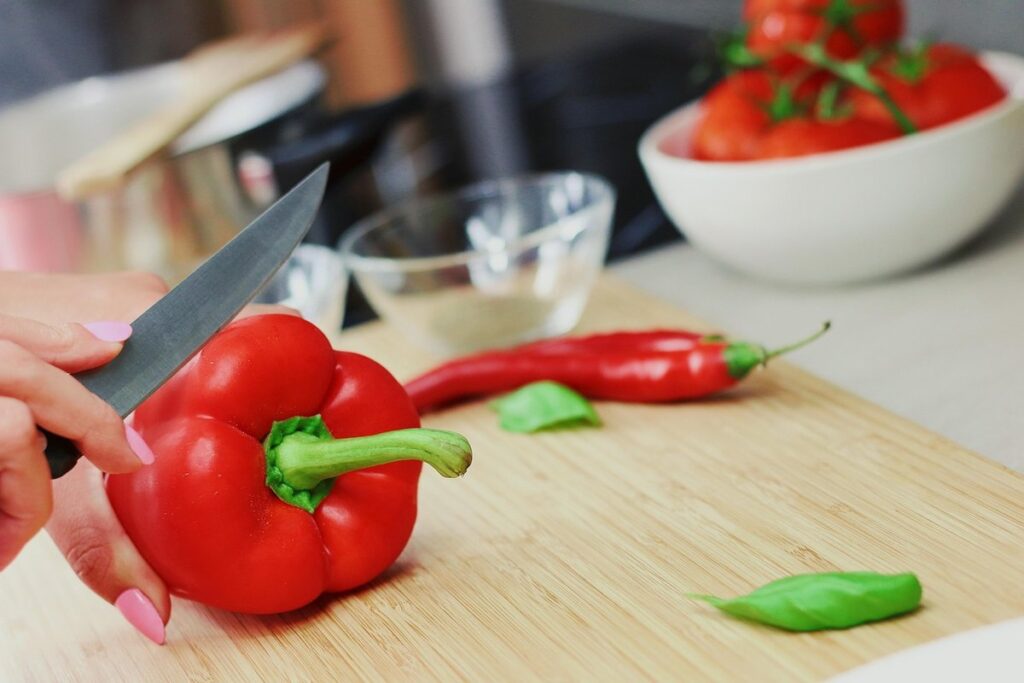
What are Peppers and Their Benefits?
Let’s dive into what peppers are all about and explore their amazing benefits, from boosting your health to adding flavor to your favorite dishes.
Nutritional Value of Peppers
Peppers are often overlooked as a nutrient-dense food, but they offer numerous health benefits when consumed regularly. As a rich source of vitamins A and C, peppers can help boost the immune system, reduce inflammation, and protect against oxidative stress. Vitamin C in particular is essential for collagen production, wound healing, and iron absorption.
In addition to these vitamins, peppers are also high in potassium, an electrolyte that helps maintain healthy blood pressure and supports muscle function. Consuming peppers can also provide a significant amount of antioxidants, including carotenoids and flavonoids, which have been shown to reduce the risk of chronic diseases such as heart disease, cancer, and neurodegenerative disorders.
When incorporating peppers into your diet, consider experimenting with different preparation methods, such as roasting or grilling, to bring out their natural sweetness. Start by adding sliced bell peppers to salads or stir-fries for a burst of color and flavor. As you become more comfortable with cooking with peppers, try incorporating them into soups, stews, and sauces for an added nutritional boost.
Culinary Uses of Peppers
When it comes to exploring different types of peppers, one of the most exciting aspects is the incredible variety of culinary uses they offer. Whether you’re a seasoned chef or a home cook, peppers are an incredibly versatile ingredient that can add depth, heat, and flavor to any dish.
One of the simplest ways to enjoy peppers is by using them in sweet pepper sauces, perfect for topping pizzas, pasta dishes, or even as a dip for vegetables. Simply roast the peppers over an open flame or under the broiler until charred, then peel off the skin, remove the seeds, and blend with olive oil, garlic, and lemon juice to create a delicious sauce.
Another great way to prepare peppers is by stuffing them with a flavorful mixture of rice, meat, and spices. Simply fill the pepper cavities, drizzle with olive oil, and bake until tender. Grilled peppers are also a tasty option – brush the peppers with olive oil, season with salt and pepper, and grill over medium heat until slightly charred.
Incorporating peppers into your cooking is easier than you think. Experiment with different types of peppers to find the ones that work best for you, and don’t be afraid to get creative with your recipes!
Types of Sweet Peppers
There are many types of sweet peppers to explore, each with its unique flavor and texture. Let’s dive into some popular varieties that will add excitement to your cooking repertoire.
Bell Peppers
Bell peppers are one of the most versatile and widely used sweet peppers. They come in four main colors: green, red, yellow, and orange, each with its own unique characteristics and uses. Green bell peppers are typically harvested before they ripen and have a slightly bitter taste, making them ideal for adding crunch to salads and stir-fries.
As bell peppers ripen, their color changes and sweetness increases. Red bell peppers, which are allowed to ripen fully, have a sweeter and milder flavor than green ones. They’re perfect for slicing thin and using in sandwiches or as a topping for soups. Yellow and orange bell peppers fall somewhere in between, with a slightly sweet and tangy taste.
Nutritionally, bell peppers are a powerhouse of vitamins A and C, potassium, and fiber. They’re also low in calories, making them an excellent addition to any meal. To get the most out of your bell peppers, look for those that are heavy for their size and have glossy skin. Store them in the refrigerator to keep them fresh for up to a week. When cooking with bell peppers, be sure to remove seeds and membranes as they can add bitterness to dishes.
Pimento Peppers
Pimento peppers are one of the sweetest and most versatile types of sweet peppers out there. Characterized by their mild heat level and rich, slightly smoky flavor, they’re a staple ingredient in many cuisines around the world.
One of the defining features of pimento peppers is their sweetness, which makes them an excellent choice for adding depth to dishes without overwhelming the palate. They have a delicate, almost velvety texture that pairs well with a wide range of ingredients, from meats and cheeses to vegetables and grains.
In terms of heat level, pimento peppers are generally quite mild, making them suitable for even the most sensitive eaters. This makes them an excellent choice for kids’ meals or for those who prefer milder flavors. They’re also incredibly versatile, lending themselves well to roasting, grilling, sautéing, and stuffing.
For a unique twist on traditional pimento peppers, try using them in place of bell peppers in your favorite recipes. You can stuff them with cheese, herbs, or spices for a flavorful snack or side dish.
Types of Hot Peppers
Let’s dive into the world of hot peppers, where you’ll discover a variety of species that bring different levels of heat to your dishes. From Jalapeños to Habaneros, we’re about to explore some popular types.
Jalapeño Peppers
Jalapeño peppers are one of the most recognizable and widely used hot peppers globally. They belong to the Capsicum annuum species and are characterized by their bright green color, cylindrical shape, and vibrant flavor profile.
In terms of Scoville heat units (SHU), jalapeños typically range from 2,500 to 8,000 SHU, making them moderately spicy. This makes them an excellent choice for adding a moderate kick to various dishes without overpowering the other flavors. In fact, their balanced heat and flavor have earned them a place in many cuisines worldwide.
Jalapeños are incredibly versatile and can be used fresh or dried. When used fresh, they add a crunchy texture and a burst of flavor to salsas, salads, and sauces. Dried jalapeños, on the other hand, can be rehydrated and added to soups, stews, and braises for an intense, smoky heat.
To incorporate jalapeños into your cooking, try adding sliced or diced fresh peppers to tacos, grilled meats, or roasted vegetables. Alternatively, dry them in a low-temperature oven (150°F – 200°F) for 2-3 hours to preserve their flavor and heat. Experiment with different recipes to find the perfect balance of heat and flavor for your taste buds.
Cayenne Pepper
Cayenne pepper is one of the most recognizable hot peppers globally, prized for its intense heat and versatility in cooking. Measuring a Scoville heat unit (SHU) rating of 30,000 to 50,000, cayenne pepper packs a punch that’s not for the faint of heart.
Its flavor profile is equally distinct, offering a pungent, slightly sweet taste that complements a wide range of dishes. When used in cooking, it adds depth and complexity without overpowering other ingredients. To get the most out of cayenne pepper, use it sparingly at first; you can always add more heat, but it’s harder to remove excess.
In many recipes, cayenne pepper serves as a key component, adding kick to sauces, marinades, and seasonings. For example, Cajun cuisine relies heavily on cayenne for its signature flavor profile. When choosing cayenne pepper, look for high-quality options with minimal processing. Freshly ground or whole peppercorns will yield more consistent results than pre-ground powder.
Incorporating cayenne pepper into your cooking repertoire is a straightforward process. Start by adding small amounts to familiar dishes and gradually increase the heat level as you become accustomed to its pungency.
Types of Specialty Peppers
When it comes to adding some excitement to your meals, specialty peppers can’t be beat. Let’s dive into the world of sweet pimentos and spicy chipotle peppers.
Ghost Peppers
Ghost peppers, also known as Bhut Jolokia, are one of the most infamous types of hot peppers. Native to India and popularized by its intense heat, this pepper is not for the faint of heart. With a Scoville heat unit (SHU) rating of 855,000-1,041,427, it ranks among the hottest peppers in the world.
But beyond its fiery reputation, ghost peppers have a unique flavor profile that’s both earthy and slightly sweet. When used fresh, they add a depth of heat to dishes without overpowering them. Dried ghost peppers, on the other hand, become even more concentrated and can be rehydrated for use in recipes. One way to incorporate ghost peppers into your cooking is by making a homemade hot sauce or adding them to marinades for grilled meats.
For the adventurous cook, using ghost peppers can be intimidating at first, but with some practice and patience, you’ll learn how to harness their intense heat. Start by slowly introducing them into your recipes, and remember that a little goes a long way. With its distinctive flavor and searing heat, the ghost pepper is sure to leave a lasting impression on your taste buds.
Habanero Peppers
When it comes to habanero peppers, there’s no denying their intense reputation. These small but mighty peppers pack a punch of sweetness that’s balanced by an extreme heat level, making them a staple in many spicy food enthusiasts’ pantries. In fact, the Scoville heat unit (SHU) rating for habaneros ranges from 100,000 to 350,000, which is significantly hotter than jalapeños or serrano peppers.
Despite their fiery nature, habanero peppers are incredibly versatile and can add depth and complexity to a variety of dishes. They’re often used in salsas, hot sauces, and marinades, where their intense heat and fruity sweetness can really shine through. For those who dare to try them, habaneros pair particularly well with tropical flavors like mango or pineapple, and can even be used as a substitute for hotter peppers in recipes.
To incorporate habanero peppers into your cooking, start by using small amounts – just a few seeds or a minced pepper will do the trick. You can also roast or grill them to bring out their natural sweetness before chopping and adding to your dish. Remember, when working with hot peppers like habaneros, it’s always better to err on the side of caution and taste as you go, rather than risking an overly spicy meal.
Pepper Cultivation and Care
To grow your favorite pepper varieties, you’ll need to know how to cultivate and care for them properly. Here’s a rundown on the essential tips for successful pepper growing.
Choosing the Right Variety
When it comes to pepper cultivation, choosing the right variety is crucial for success. With so many types of peppers available, selecting one that suits your climate, space constraints, and desired level of spiciness can be overwhelming.
First, consider your climate. If you live in a region with hot summers and mild winters, choose heat-tolerant varieties like ‘Jalapeño’ or ‘Habanero’. In cooler climates, opt for sweet peppers like ‘Bell Boy’ or ‘Pimento’, which prefer warmer temperatures. Some pepper varieties, such as ‘Thai Chili’, are sensitive to frost and should be grown in containers that can be moved indoors during winter.
Next, think about your available space. Compact varieties like ‘Patron’ or ‘Sweet Minette’ are perfect for small gardens or container growing. For larger spaces, choose sprawling types like ‘Anaheim’ or ‘Poblano’, which require support as they grow.
Lastly, consider the level of spiciness you desire. If you prefer mild peppers, look for varieties with a Scoville heat unit (SHU) rating below 1,000. For medium-hot peppers, choose those with an SHU rating between 1,000 and 10,000. For extreme heat enthusiasts, opt for super-hot peppers like ‘Carolina Reaper’ or ‘Trinidad Moruga Scorpion’.
Growing Conditions for Peppers
Peppers are warm-season crops that thrive in specific growing conditions. To grow peppers successfully, you’ll want to provide them with well-draining soil that’s rich in organic matter. A pH between 6.0 and 7.0 is ideal for most pepper varieties.
Sunlight plays a crucial role in pepper growth, with a minimum of six hours of direct sunlight per day required for optimal production. However, be cautious not to overexpose your plants to intense sunlight, especially during peak summer months when the sun’s rays can cause scorching.
Watering is also critical, as peppers require consistent moisture, especially when they’re producing fruit. Aim to provide about 1-2 inches of water per week, either through rainfall or irrigation. Be mindful of overwatering, which can lead to root rot and other issues.
By replicating the warm, sunny conditions that peppers naturally thrive in, you’ll be well on your way to a bountiful harvest.
Frequently Asked Questions about Peppers
We’ve had many of you reach out with questions about peppers, so we’re happy to share answers to some of our most frequently asked ones! Check out these common queries and get your pepper knowledge up to speed.
Can I Grow My Own Pepper Plants?
Growing your own pepper plants can be a rewarding experience, and with the right conditions, you can enjoy an abundant harvest. One of the most common questions is whether you can grow peppers indoors or outdoors.
You can grow pepper plants both indoors and outdoors, depending on the variety and climate. For indoor growing, choose compact or dwarf varieties that require less space and light. Make sure to provide them with at least 4-6 hours of direct sunlight or use grow lights to supplement the natural light. Keep in mind that indoor peppers may not produce as many fruits as those grown outdoors.
When planting pepper seeds indoors, start them 8-10 weeks before the last frost date in your area. Use seed starting mix and keep the soil warm (around 80-85°F) until germination. Transplant the seedlings into larger pots once they have 2-3 sets of leaves. For outdoor growing, wait for the soil to be at least 60°F before planting seeds directly in the ground.
To ensure a bountiful harvest, make sure your pepper plants receive full sun (6+ hours of direct sunlight) and well-draining soil with a pH between 6.0-7.0. Water them regularly, but avoid overwatering, which can lead to root rot and other issues.
How Do I Store Fresh Peppers?
Proper storage is crucial to maintaining the flavor, texture, and nutritional value of fresh peppers. When stored correctly, peppers can last for several days to a week, depending on their ripeness and variety.
To store fresh peppers, start by trimming off any damaged or bruised areas, as these can spoil quickly and spread bacteria to other parts of the pepper. Next, wrap each pepper individually in plastic wrap or aluminum foil to prevent moisture loss and preserve flavor. Store them in a cool, dry place, such as a pantry or cupboard, away from direct sunlight.
It’s also essential to keep peppers away from strong-smelling foods, like onions and garlic, which can transfer their flavors to the peppers. For example, if you store peppers near onions, they may absorb the onion’s pungent flavor and aroma.
If you want to extend the shelf life of your peppers, consider storing them in the refrigerator. Simply place the wrapped peppers in a sealed container or plastic bag to maintain humidity and prevent moisture loss.
Frequently Asked Questions
Can I grow peppers indoors if I don’t have a garden?
Yes, pepper plants can thrive indoors with the right conditions. Provide them with sufficient light (at least 4-6 hours of direct sunlight or LED grow lights), maintain temperatures between 65°F to 75°F (18°C to 24°C), and keep the soil consistently moist but not waterlogged.
How long do pepper plants take to mature?
Pepper plant maturity varies depending on the variety, but most sweet peppers are ready to harvest within 70-90 days from sowing seeds. Hot peppers can take longer, typically requiring around 120-150 days to reach full maturity. Be patient and monitor your plants’ progress closely.
Can I eat pepper seeds or should they be discarded?
While pepper seeds contain some nutritional value, it’s best to discard them as they are not palatable for human consumption and may cause digestive issues if ingested in large quantities. Focus on enjoying the ripe, flavorful fruit of the pepper plant.
How do I preserve freshly harvested peppers for later use?
To preserve fresh peppers, you can dry them by slicing into thin strips or leaving whole, then spreading out to air-dry at room temperature (away from direct sunlight). Alternatively, roast or grill peppers to remove excess moisture and seal in flavor before storing them in airtight containers in the fridge.
Can I grow multiple pepper varieties together without worrying about cross-pollination?
While some pepper plants can self-pollinate, others benefit from cross-pollination between different varieties. To avoid potential issues with cross-pollination, plant different types of peppers at least 10-15 feet apart to reduce the risk of unwanted genetic mixing and preserve their unique characteristics.