
Are you tired of losing your hard-earned harvest to critters, harsh weather, or simply poor planning? A secure fenced vegetable garden can be just what you need to take your gardening game to the next level. But where do you start? With a little expert guidance, designing and building a fenced veggie garden is easier than you think. In this article, we’ll cover everything from selecting the perfect location for your fence (yes, it matters!) to choosing the best fencing materials, plant varieties, and maintenance strategies to keep your harvest safe and thriving.
We’ll share expert tips on how to create a secure and productive fenced vegetable garden that fits your unique needs and preferences. Whether you’re a seasoned gardener or just starting out, our advice will help you build a thriving oasis that yields delicious fruits of your labor for years to come.
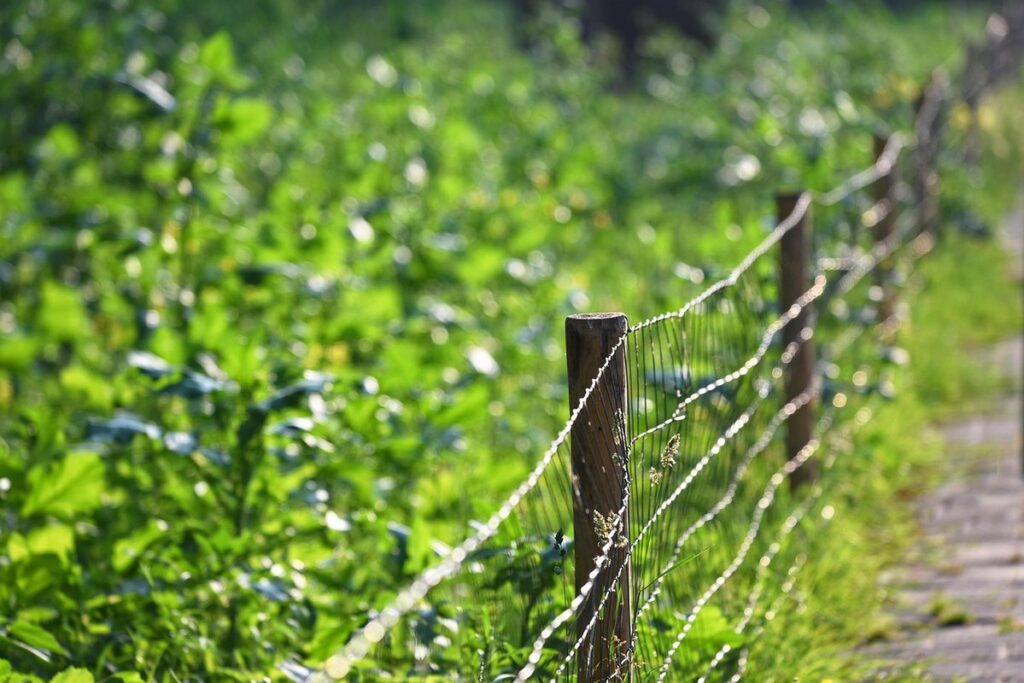
Planning Your Fenced Vegetable Garden
Now that you’ve chosen a design and location for your fenced vegetable garden, it’s time to start thinking about the logistics of planning your space. Let’s dive into the details of how to plan out your perfect garden.
Choosing the Perfect Location
When it comes to planning your fenced vegetable garden, choosing the perfect location is crucial for its success. A spot that receives sufficient sunlight, has good drainage, and is close to water sources will ensure your plants get what they need to thrive.
Start by assessing your yard’s microclimate. Observe how the sun moves across your yard throughout the day and note any areas that receive full sun (6+ hours), partial shade, or are completely shaded. Most vegetables require at least 6 hours of direct sunlight per day, so choose a location that meets this requirement.
Check for good drainage by looking for signs of water pooling or erosion in your yard. A spot with slight slopes can help excess water drain away from the garden bed. Also, consider proximity to a water source – ideally within 10-20 feet – to make watering easier and more efficient.
Lastly, evaluate the prevailing winds and extreme weather conditions in your area. Avoid areas prone to frost pockets or where cold air tends to collect. By carefully considering these factors, you’ll be able to select an optimal location for your fenced vegetable garden.
Determining the Size and Shape of Your Garden
When planning your fenced vegetable garden, determining the size and shape of the space is crucial to ensure it’s both functional and enjoyable. To begin, take stock of your available yard area by measuring the length and width of the space where you want to install your fence. Consider the layout of your property, including any obstacles like trees or slopes, and note which direction receives the most sunlight.
Next, think about accessibility and maintenance needs. A rectangular shape is often ideal for small spaces, as it allows for efficient use of space and easy navigation between rows. For larger areas, a square or oval shape can provide more flexibility in terms of layout and accessibility. Consider how you’ll move around the garden to tend to plants, harvest produce, and perform other tasks.
In general, a fenced vegetable garden should be at least 4 feet wide to allow for comfortable access, but this can vary depending on your needs and preferences. Be sure to leave enough space between rows for proper air circulation and sunlight penetration, which is essential for healthy plant growth.
Fencing Options for Vegetable Gardens
When it comes to creating a secure and thriving vegetable garden, choosing the right fencing option is crucial. Let’s explore some popular options for fencing your veggie patch.
Wooden Fences: A Classic Choice
Wooden fences have been a classic choice for gardeners for centuries, and it’s easy to see why. Not only do they provide a natural, rustic look that blends seamlessly into the surroundings, but they also offer excellent durability and security for your prized vegetable plants.
When it comes to choosing the right type of wood, consider factors like budget, climate, and maintenance. For example, cedar is a popular choice due to its naturally rot-resistant properties and beautiful aroma. However, it can be more expensive than other options like pine or spruce. If you live in an area with high winds or extreme weather conditions, look for woods with a higher impact resistance rating.
In terms of style, consider the overall aesthetic you want to achieve. Do you prefer a sleek, modern look or a more traditional, countryside feel? You can choose from various styles, such as picket fences, post-and-rail fences, or even vertical plank fences. Remember to also consider the height and spacing of your fence, ensuring it provides adequate security for your plants while still allowing for easy access.
Ultimately, a well-designed wooden fence can be both functional and beautiful, adding a touch of charm to your vegetable garden while keeping pests and predators at bay. By choosing the right type of wood and style, you’ll enjoy years of trouble-free gardening with a stunning view.
Metal Fences: Durable and Secure
When it comes to choosing a fence for your vegetable garden, metal fencing options are worth considering. Wrought iron and aluminum fences are two popular choices that offer a unique combination of strength, durability, and affordability.
One of the key advantages of metal fencing is its resistance to rust and corrosion. Unlike wood or vinyl, metal fences won’t rot or decay over time, making them an excellent choice for areas with high humidity or exposure to the elements. Wrought iron fences, in particular, are known for their timeless elegance and can add a touch of sophistication to your garden’s design.
However, it’s essential to consider the potential drawbacks of metal fencing. For instance, aluminum fences may be more prone to denting and scratching than other materials. Additionally, while metal fences can be more expensive upfront, they often require less maintenance over time compared to wood or vinyl options.
To make the most of a metal fence for your vegetable garden, look for options with a durable powder-coated finish that will withstand harsh weather conditions. Consider also investing in fencing that is specifically designed for residential use and complies with local building codes. By weighing these factors and choosing the right metal fencing option, you can enjoy a secure and thriving space for years to come.
Designing Your Fenced Vegetable Garden
Now that we’ve discussed why a fence is essential for your vegetable garden, let’s dive into designing one that suits your needs and growing style.
Incorporating Paths and Access Points
When designing your fenced vegetable garden, incorporating safe and accessible pathways is crucial for efficient maintenance and enjoyable harvesting. Consider the surface material of your pathways. Gravel, wood chips, and brick pavers are popular options that allow for good drainage and can withstand heavy foot traffic.
For optimal accessibility, ensure your pathways are at least 3-4 feet wide to accommodate wheelbarrows, gardening tools, and easy passage between beds. Regular maintenance is also essential; consider using permeable materials or incorporating a slight slope to facilitate rainwater runoff and prevent erosion.
Entry points and gates are equally important. Install sturdy gates that can withstand wind and weather conditions while allowing for secure closure. Consider a gate with a self-latching mechanism to prevent accidental opening. Additionally, provide clear signage indicating entry and exit points to minimize confusion and ensure safety within the garden space.
Adding Decorative Elements and Features
As you’re nearing completion of designing your fenced vegetable garden, it’s time to add those finishing touches that will make it not only secure and thriving but also visually stunning. This is where decorative elements come into play, elevating the space from a mere functional area to an attractive oasis.
One way to enhance the visual appeal of your garden is by incorporating trellises or arbors. These structures provide support for climbing plants like peas, beans, or tomatoes, while also adding a decorative element to the space. For instance, you can train morning glories or clematis to grow up an arbor, creating a lush display that adds beauty and texture to your garden.
Obelisks are another great option for adding visual interest to your garden. These slender structures come in various shapes, sizes, and materials, making them versatile and easy to incorporate into any design. You can use them to support plants like roses or dahlias, creating a striking display that adds height and drama to the space.
When selecting decorative elements for your garden, remember to consider their functional benefits as well. For example, trellises can also help keep weeds under control by providing a barrier between the soil and the rest of the garden. By choosing elements that serve multiple purposes, you’ll not only enhance the aesthetic appeal but also create a more efficient and sustainable gardening space.
Plant Selection and Garden Layout
When designing a secure and thriving vegetable garden, choosing the right plants and planning their layout is crucial for maximizing space and minimizing maintenance. Let’s dive into the specifics of plant selection and garden layout.
Choosing the Right Vegetables for Your Climate
When choosing vegetables for your fenced garden, it’s essential to consider the local climate and conditions. Start by observing which plants thrive in your neighborhood. Look for gardens that are similar in size and layout to yours and take note of what grows well there.
In temperate climates with moderate temperatures, cool-season crops like broccoli, cauliflower, and kale do exceptionally well. These vegetables can tolerate light frosts and require less maintenance than warm-season crops. On the other hand, areas with hot summers are perfect for growing heat-tolerant plants such as okra, southern peas, and sweet potatoes.
Companion planting is another crucial factor to consider. For example, planting marigolds alongside tomatoes helps deter nematodes and improves soil health. Similarly, basil repels pests that target cucumbers and other vegetables. By pairing these plants together, you can create a harmonious garden ecosystem that requires minimal intervention. Crop rotation also plays a vital role in maintaining soil fertility and preventing pest buildup. Rotate your crops seasonally to ensure nutrient replenishment and balanced growth.
Planning a Balanced and Productive Garden Layout
When planning a balanced and productive garden layout, there are several strategies to consider. Companion planting is an effective way to promote healthy growth and reduce pests and diseases. For example, planting marigolds with tomatoes can deter nematodes, while basil repels aphids from lettuce. By grouping plants that benefit from each other’s presence, you’ll create a harmonious ecosystem.
Crop spacing is also crucial for maximizing yields and preventing overcrowding. Leave at least 2-3 feet of space between rows to allow for easy access and air circulation. Consider the mature size of each plant when planning your layout – a sprawling zucchini plant won’t be happy nestled alongside compact lettuce varieties.
For climbing plants like peas or beans, plan a trellis system that provides support without overcrowding nearby plants. Use sturdy stakes or a freestanding trellis to keep these vining plants upright and contained. By incorporating companion planting, strategic crop spacing, and thoughtful support systems, you’ll create an efficient and thriving garden layout within your fenced vegetable garden.
Maintenance and Security Considerations
Now that you’ve designed a secure and thriving fenced vegetable garden, let’s talk about how to keep it that way: maintenance and security considerations are crucial. Regular upkeep will ensure your garden remains healthy and protected from pests and damage.
Fencing Maintenance Tips and Tricks
To keep your fenced vegetable garden secure and thriving, regular maintenance is essential. This includes cleaning and inspecting your fence regularly to prevent damage from pests, debris, and weather conditions.
Start by checking for loose or missing boards, and repair them promptly to prevent further damage. Use a wire brush to remove any dirt or grime that may have accumulated on the fence, paying extra attention to areas around posts and gates. For wooden fences, use a wood sealant or stain to protect against rot and decay.
To prevent pest damage, install a physical barrier such as chicken wire or hardware cloth around the perimeter of your garden. Regularly inspect your fence for signs of wear and tear, and address any issues promptly. Additionally, trim back nearby plants and trees that may be touching the fence, which can lead to rubbing and damage.
By following these simple maintenance tasks, you can ensure your fenced vegetable garden remains secure, healthy, and thriving for years to come.
Securing Your Garden: Deterrents and Prevention Measures
Securing Your Garden is an essential aspect of creating a thriving space for your vegetables. As much as you want to focus on nurturing your plants, it’s equally important to protect them from potential threats like pests, wildlife, and theft. Here are some deterrents and prevention measures to consider:
To start with, let’s talk about fencing upgrades. If you have a chain-link fence, consider replacing it with a sturdy wooden or metal fence that’s at least 6 feet tall. This will not only deter animals but also make it harder for thieves to climb over. Another option is to install electric fencing around your garden. This can be an effective way to keep wildlife away without harming them.
For physical barriers, consider using row covers made of breathable mesh or fine netting to protect your plants from pests like aphids and whiteflies. You can also plant companion plants that repel pests naturally, such as marigolds and basil. To prevent theft, install security cameras around your garden, especially if you live in an area with high crime rates. This will give you peace of mind knowing that your property is being monitored.
When it comes to wildlife, consider using repellents or deterrents like predator urine (like coyote or fox) or motion-activated sprinklers to scare them away. Make sure to place these deterrents strategically around your garden to maximize their effectiveness.
Budgeting and DIY Considerations
When planning a fenced vegetable garden, it’s essential to consider your budget and decide which tasks you can tackle on your own to save money. This means weighing the cost of materials against the time you’ll spend DIY-ing specific aspects.
Fencing Materials and Costs
When it comes to building a fence for your vegetable garden, one of the most important factors to consider is the cost. Different types of fencing materials vary greatly in price, and understanding these costs will help you plan and budget accordingly.
Wooden fences are often the most affordable option, with prices starting at around $15 per linear foot. However, this can range up to $50 or more depending on the type and quality of wood used. For example, cedar is a popular choice for its durability and resistance to rot, but it’s also one of the pricier options.
Metal fencing is another popular option, with prices ranging from $20 to over $100 per linear foot. Aluminum and steel fences are more affordable, while wrought iron or ornamental metal fences can be quite pricey.
If you’re looking for a budget-friendly option, consider repurposing materials like old pallets or fencing scraps. You can also save money by installing the fence yourself, which can cut labor costs in half. With some creativity and elbow grease, you can create a beautiful and secure fence for your vegetable garden without breaking the bank.
DIY Fencing Projects: Tips for Success
Taking on a DIY fencing project can be intimidating, but with the right guidance, you’ll be able to create a secure and thriving space for your vegetable garden. Before starting, ensure you have the necessary tools: a post hole digger, hammer drill, level, measuring tape, and safety goggles.
When selecting materials, consider using durable options like cedar or recycled plastic, which can withstand harsh weather conditions. Always follow local building codes and regulations when choosing fencing style and height.
To prevent accidents, clear the work area of any obstacles and consult online tutorials for specific techniques, such as post installation or wire mesh attachment. It’s also essential to enlist help if you’re unsure about a particular task.
When working with power tools, maintain a steady pace and avoid distractions. Consider investing in a portable generator for efficient power supply. Regularly inspect your work and make adjustments as needed. By following these guidelines, you’ll be able to successfully complete your DIY fencing project and enjoy a thriving vegetable garden.
Frequently Asked Questions
How do I determine the ideal fencing material for my climate?
The type of fencing material you choose should be suitable for your local weather conditions, including temperature fluctuations, humidity, and potential pests or wildlife threats. For example, metal fences are a good choice in areas with high winds or where rust is a concern. Wooden fences, on the other hand, can withstand harsh weather but may require more maintenance.
What’s the best way to ensure my garden remains secure over time?
Regularly inspect your fence for any signs of damage or weakness and address these issues promptly. Consider using physical deterrents like mesh screens or electric fencing to prevent pests from reaching your plants. Also, make sure your fence is at least 3 feet tall to deter larger animals.
Can I still grow a variety of vegetables in a small fenced garden?
Yes, even with limited space, you can create a diverse and thriving vegetable garden by choosing compact or vertical varieties, using trellises or raised beds, and making the most of your available sunlight. Consider incorporating companion planting to maximize space and promote healthy growth.
How often should I perform maintenance tasks on my fence and garden?
Performing regular maintenance tasks like cleaning, checking for damage, and repairing or replacing worn-out parts can help extend the life of your fence and ensure a productive harvest. Aim to check your fence at least twice a year, after each growing season, and whenever you notice changes in weather patterns.
Can I incorporate companion planting into my existing garden design?
Yes, incorporating companion planting into your existing garden design is achievable by carefully selecting vegetables that complement each other in terms of growth habits, pest resistance, and nutrient uptake. Some popular companion plantings include basil with tomatoes or marigolds with carrots to repel pests and attract beneficial insects.