
Are you ready to grow the juiciest tomatoes ever? A perfectly designed raised bed is key to unlocking optimal growth and a bountiful harvest. But with so many factors to consider, where do you even start? Climate, soil type, location, and crop planning are all crucial elements that can make or break your tomato-growing experience.
In this article, we’ll take the guesswork out of creating the perfect tomato raised bed. We’ll cover essential tips on how to choose the right spot for your tomatoes, prepare the ideal soil conditions, and plan your crop layout for maximum sunlight and air circulation. By the end of this guide, you’ll be well-equipped to design and build a thriving tomato raised bed that will yield delicious fruit all season long. Let’s get started!
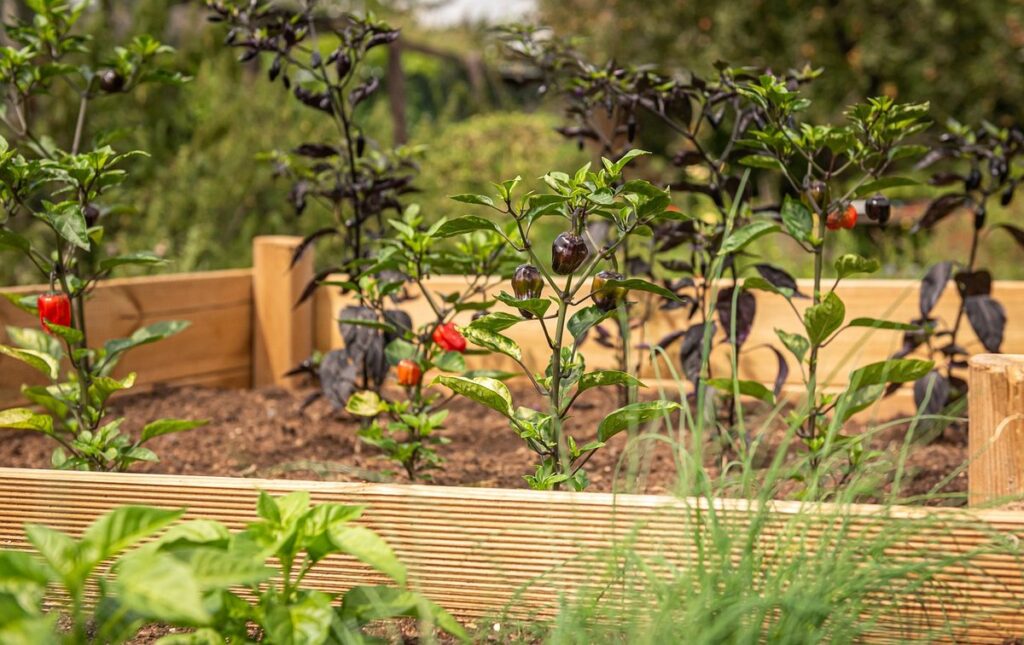
Understanding Your Climate and Soil Conditions
To grow a successful tomato crop, it’s essential to understand your local climate and soil conditions, as these factors will greatly impact your raised bed design choices. This section will guide you through assessing and utilizing this information.
Assessing Your Region’s Climate
When designing your tomato raised bed, it’s essential to consider the climate of your region. The type of climate you have will significantly impact the growth and health of your tomato plants. To determine your region’s climate type, check the average temperature and precipitation patterns for your area.
In general, tomatoes thrive in temperate climates with warm temperatures between 65°F to 85°F (18°C to 30°C). If you live in a hot climate, be prepared for potential heat stress in tomato plants. On the other hand, if you’re in a cold climate, you may need to provide protection from frost and freezing temperatures.
Some ideal climates for growing tomatoes include Mediterranean, subtropical, and temperate regions with mild winters and warm summers. For example, areas near the coast or at higher elevations often enjoy milder temperatures and more moderate precipitation, making them perfect for tomato cultivation. Consider factors like soil quality, sun exposure, and water availability when designing your raised bed to accommodate your region’s specific climate conditions.
Analyzing Your Soil Type
When it comes to designing the perfect tomato raised bed, understanding your soil type is crucial for healthy plant growth. Soil pH and nutrient levels play a significant role in supporting the development of your tomato plants.
To determine the pH level of your soil, you’ll need to conduct a soil test. You can purchase a DIY testing kit or consult with a local nursery or extension office for guidance on how to collect and submit samples to a lab for analysis. The ideal pH range for tomatoes is between 6.0 and 7.0. If your soil tests outside this range, you may need to take corrective action, such as adding lime to raise the pH or sulfur to lower it.
In addition to pH, nutrient levels are also essential for tomato growth. Soil with adequate nitrogen, phosphorus, and potassium will promote healthy foliage, fruiting, and overall plant development. A soil test will provide information on nutrient levels, allowing you to amend your soil as needed. For example, if your soil lacks phosphorus, a balanced fertilizer or compost can help replenish these nutrients.
Choosing the Right Location and Size
When it comes to designing a tomato raised bed, selecting the perfect location and size is crucial for maximizing yields and minimizing maintenance. Let’s dive into how to choose the right spot and size for your garden bed.
Selecting a Sunny Spot
When selecting the ideal location for your tomato raised bed, full sun is essential. Tomato plants need at least 6 hours of direct sunlight to produce a bountiful harvest. To identify the optimal spot, look for areas that receive direct sunlight from morning till late afternoon. Avoid spots with overhead trees or structures that may cast shadows.
Consider the wind direction when placing your raised bed. Tomatoes are sensitive to strong winds, which can cause damage and reduce yields. If possible, position your bed in a way that protects it from harsh winds. Make sure the location is also easily accessible for watering, pruning, and harvesting.
When assessing potential locations, take note of any nearby obstacles that could impact sunlight or accessibility. A south-facing wall or sunny patio can be an ideal spot, but ensure there are no obstructions blocking direct sunlight. By carefully evaluating these factors, you’ll be able to create the perfect environment for your tomato raised bed to thrive.
Keep in mind that even if a location appears sunnier than others, it’s still crucial to check the actual sunlight hours during peak season. This will give you an accurate understanding of how much sunlight your tomatoes will receive and allow you to make necessary adjustments.
Designing an Efficient Raised Bed Layout
When designing an efficient raised bed layout for tomatoes, it’s essential to avoid common mistakes that can lead to reduced yields and increased maintenance. Overcrowding is a significant issue many gardeners face, as it prevents proper air circulation and sunlight penetration, creating an ideal environment for disease to spread.
To maximize space, consider using a grid pattern or alternating rows of tomato plants with other companion vegetables like basil or lettuce. This technique not only increases yields but also reduces pests and diseases by promoting biodiversity.
Proper drainage is another critical factor to consider. Tomatoes require at least 1 inch of water per week, but excess moisture can lead to root rot and other issues. Incorporate a 2-inch layer of organic matter like compost or well-rotted manure to improve soil structure and ensure efficient water absorption.
For optimal results, plan your layout carefully, leaving enough space between plants for easy access (at least 12 inches) and sufficient sunlight penetration (at least 6 hours of direct sun). By avoiding overcrowding and ensuring proper drainage, you’ll create an ideal environment for your tomatoes to thrive.
Planning Your Tomato Crop
Now that you’ve decided on a raised bed design, it’s time to plan for a thriving tomato crop. This involves determining the right varieties and quantities of tomatoes for your space.
Selecting the Right Variety
When selecting tomato varieties for your raised bed, it’s essential to consider your climate, available space, and desired flavor profile. Start by checking the days to maturity for each variety, as this will help you choose ones that suit your growing season. For instance, cherry tomatoes typically mature in 60-70 days, while beefsteak tomatoes take around 80-90 days.
Consider your climate zone and choose varieties that are resistant to common pests and diseases in your area. Look for disease-resistant codes such as V (Verticillium), F (Fusarium), or N (Nematodes) on seed packets or plant labels. For example, the ‘Early Girl’ variety is known for its resistance to Verticillium wilt.
Make a list of varieties that fit your criteria and consider factors like fruit size, color, and shape. If you have limited space, choose compact or dwarf varieties like ‘Patio’ or ‘Tiny Tim’. Don’t forget to factor in the flavor profile you prefer – sweet cherry tomatoes, tangy Roma tomatoes, or robust beefsteak tomatoes? By narrowing down your options based on these factors, you’ll be able to create a diverse and thriving tomato crop in your raised bed.
Considering Companion Planting Strategies
When planning your tomato crop, it’s essential to consider companion planting strategies that promote healthy growth and reduce pest issues. Companion planting is a simple yet effective technique where you pair plants that benefit from each other’s growth habits, pest-repellent properties, or nutrient uptake.
For example, planting basil alongside tomatoes can repel pests like whiteflies and aphids, which can harm your tomato crop. Nasturtiums are another excellent companion plant for tomatoes as they repel aphids, squash bugs, and other pests. Meanwhile, marigolds and chives release chemicals that deter nematodes, microscopic worms that can damage tomato roots.
Consider pairing tomatoes with these complementary plants:
• Basil: Repels whiteflies and aphids
• Nasturtiums: Repels aphids, squash bugs, and other pests
• Marigolds: Deters nematodes and improves soil health
• Chives: Repels aphids and adds nutrients to the soil
When selecting companion plants for your raised bed, ensure they have similar growing requirements and don’t compete for resources like water or nutrients. By incorporating these beneficial plant combinations into your tomato crop plan, you’ll not only boost yields but also create a more resilient and pest-resistant garden ecosystem.
Building a Tomato Raised Bed
Now that we’ve discussed the design principles, let’s dive into the hands-on process of building your very own tomato raised bed from scratch. We’ll walk you through each step of construction.
Materials and Tools Needed
To build the perfect tomato raised bed, you’ll need to gather some essential materials. Start by selecting a durable and rot-resistant wood type for the frame. Cedar, cypress, and redwood are excellent options due to their natural resistance to decay and insects. You can also consider using recycled or sustainably sourced woods to reduce your environmental footprint.
For the soil mixture, aim for a blend that’s rich in organic matter and has good drainage properties. A mix of compost, peat moss, and perlite will provide the necessary nutrients and structure for healthy tomato growth. If you’re short on space or resources, consider using a DIY soil mix made from local topsoil, compost, and sand.
When it comes to irrigation, a drip irrigation system is an efficient and water-saving option. You can install a pre-made kit or create your own DIY setup using PVC pipes and dripper tubes. This will ensure that your tomato plants receive the right amount of moisture without overwatering or wasting resources.
Assembly and Construction Tips
Assembling and constructing your tomato raised bed is a crucial step to ensure it’s stable, secure, and ready for planting. Before you begin, make sure you have all the necessary materials within arm’s reach.
Start by laying out the long sides of the frame on a flat surface, ensuring they are parallel to each other. Take one of the short ends and attach it to the long side using screws or nails. Repeat this process with the remaining short end, making sure it is flush with the other end. Measure twice, attach once to avoid any costly mistakes.
When assembling the frame, keep in mind that safety precautions are just as important as measurements. Wear protective gloves and eyewear to prevent injuries from sharp edges or falling objects. Make sure the bed is level and secure before adding the bottom panel. This will provide a solid foundation for your plants and prevent any damage to the surrounding area.
Use weather-resistant screws and nails to assemble the frame, and always follow the manufacturer’s instructions for any specialized tools.
Filling Your Raised Bed with Life
Now that we’ve planned and prepared our tomato raised bed, it’s time to think about what plants will thrive alongside our star attraction: selecting companion crops and adding beneficial microorganisms.
Soil Preparation and Amending
Before filling your raised bed with life, it’s essential to prepare the soil for optimal tomato growth. This involves testing and adjusting the pH levels, adding organic matter, and incorporating beneficial microorganisms. Tomato plants prefer a slightly acidic to neutral soil pH, ranging from 6.0 to 7.0.
Start by testing your soil using a DIY kit or sending it to a lab for analysis. Based on the results, you may need to adjust the pH levels by adding lime to raise it or sulfur to lower it. For example, if your soil is too alkaline, add 1-2 cups of elemental sulfur per 100 square feet.
Next, enrich the soil with organic matter like compost, which improves structure, fertility, and overall health. Aim for a mix that’s 20-30% compost and incorporate it into the top 6-8 inches of the bed. You can also add other beneficial microorganisms like mycorrhizal fungi to support nutrient uptake and plant defense systems.
Remember, well-prepared soil sets the stage for your tomato plants’ success.
Planting Tomato Seedlings or Seeds
When it’s time to plant tomato seedlings or seeds in your raised bed, you want to ensure that they have the best chance of thriving. The right planting technique can make all the difference in achieving a bountiful harvest.
Start by considering the spacing between plants. For indeterminate tomatoes, which will continue to grow and produce fruit throughout the season, aim for 2-3 feet between plants. Determinate tomatoes, on the other hand, tend to be more compact and can be spaced 1-2 feet apart. Make sure to leave enough space for air circulation, as this will help prevent diseases from spreading.
Next, think about depth. Tomato seedlings or seeds should be planted at a depth of around 1 inch, with the soil covering the seed or root flare (where the stem meets the roots) of the seedling. Water gently but thoroughly to settle the soil and provide enough moisture for germination.
You may also want to consider providing support systems for your tomato plants. Indeterminate varieties will likely need staking or caging, while determinate tomatoes can get by with a simple trellis or cage.
Maintenance and Troubleshooting
Now that you’ve built your dream tomato raised bed, let’s dive into the essential maintenance tasks to keep it thriving and troubleshoot common issues that might arise.
Watering and Mulching Strategies
When it comes to maintaining your tomato raised bed, efficient watering techniques and effective mulching strategies are crucial for promoting healthy growth and preventing common issues like over-watering and weed infestation.
To begin with, consider installing a drip irrigation system or soaker hose that delivers water directly to the roots of your plants. This not only saves you time but also reduces evaporation and runoff. For manual watering, use a gentle sprinkling motion to avoid washing away nutrients and topsoil. Be mindful of the soil’s moisture levels by inserting a finger into the soil up to about 1-2 inches deep – if it feels dry, it’s time for another drink.
Mulching is an essential component of any successful raised bed garden. Organic mulches like straw, bark chips, or grass clippings help retain moisture in the soil, regulate temperature fluctuations, and suppress weeds that compete with your tomato plants for resources. Apply a 2-3 inch layer of mulch around your plants, keeping it several inches away from the stems to prevent fungal diseases. Regularly replenish the mulch as needed, ideally after every harvest or two.
By implementing these strategies, you’ll create an optimal environment that encourages your tomato plants to thrive while minimizing maintenance efforts and water waste.
Common Pests and Diseases
As you start to enjoy the fruits of your labor from your tomato raised bed, it’s essential to be aware of some common pests and diseases that can impact your crop. Hornworms, for instance, are a notorious enemy of tomatoes. These large green caterpillars can eat through an entire plant in a matter of days, leaving behind a trail of damaged leaves and stems. To prevent hornworm infestations, inspect your plants regularly and look for any signs of these pests.
Other common tomato diseases include blight, which can cause yellowing or blackening of the leaves and stems, and early blight, which typically starts with small yellow spots on lower leaves that expand to larger lesions. Prevention is key; ensure good air circulation around your raised bed by keeping it at least 12 inches away from any obstructions.
To identify these issues, look for telltale signs such as holes in the leaves or stems, white powdery patches (indicative of powdery mildew), or black spots. For treatment, use organic controls like neem oil or row covers to prevent pests and diseases from taking hold. If you do encounter an issue, act quickly and remove any affected plants to contain the problem and prevent it from spreading.
Conclusion
Now that you’ve learned how to design and build a thriving tomato raised bed, let’s summarize the key takeaways from our comprehensive guide. Let’s review the essential tips and techniques you’ll need for long-term success.
Recap and Final Tips
As you’ve reached the end of this comprehensive guide to designing the perfect tomato raised bed, take a moment to review the essential considerations we’ve covered. You now have a solid foundation for creating an optimal growing environment for your tomatoes.
Key takeaways from this article include selecting the right location and soil mix, ensuring proper drainage and aeration, providing adequate support and pruning techniques, and choosing the best tomato varieties for your climate. Don’t forget to consider factors like sunlight exposure, temperature fluctuations, and pest management strategies.
As you embark on designing your own tomato raised bed, remember that it’s not just about following a set of rules – it’s also about understanding the unique needs of your plants and adapting to any challenges that arise. Keep in mind that trial and error is an inevitable part of gardening, so don’t be discouraged if things don’t go exactly as planned.
To further refine your design, we recommend asking questions or seeking guidance from experienced gardeners in online forums or gardening communities. Some popular platforms include Reddit’s r/gardening community, Gardening Know How, and local nurseries’ social media groups.
When reaching out for advice, be specific about your concerns or issues, and provide as much detail as possible about your climate, soil type, and plant selection. This will enable the experts to offer more tailored guidance and help you troubleshoot any problems that arise. With practice and patience, you’ll be well on your way to growing a thriving tomato crop in your very own raised bed.
Frequently Asked Questions
How do I adapt my tomato raised bed design for extreme weather conditions?
If you live in an area prone to intense heat, cold snaps, or heavy rainfall, be prepared to modify your design accordingly. Consider adding additional supports or protection from wind damage for tall plants. In areas with frost, choose varieties with a shorter maturation period or use row covers to extend the growing season.
Can I grow other vegetables alongside tomatoes in my raised bed?
While companion planting can enhance growth and reduce pests, not all vegetables pair well together. Tomatoes benefit from basil, mint, and oregano, but avoid planting members of the Brassica family (broccoli, cauliflower) nearby, as they can harbor diseases that affect tomatoes.
How often should I inspect my raised bed for signs of disease or pests?
Regular inspections are crucial to catching issues early on. Set aside time each week to monitor your plants for symptoms of common tomato diseases like yellowing leaves or powdery mildew. Also, be vigilant about pests like hornworms and aphids, which can quickly spread if left unchecked.
What’s the ideal soil pH range for growing tomatoes?
Tomatoes prefer a slightly acidic to neutral soil pH (around 6.0-7.0). If your soil is too alkaline or acidic, amend it with lime or sulfur accordingly. For most gardeners, this means maintaining a balanced diet of compost and well-rotted manure to support optimal nutrient uptake.
Can I use recycled materials for building my raised bed frame?
Yes! Repurposed wood, plastic crates, and even brick can be repurposed as part of your raised bed design. Just ensure the materials are clean, dry, and free from chemical residues that could harm your plants. Get creative, but prioritize structural integrity to support heavy loads of soil and plants.