
Are you ready to elevate your garden game with one of the most stunning flowering plants out there? Growing delphiniums can be a bit tricky, but don’t worry, we’ve got you covered. With their towering spikes of vibrant blue, pink, or white blooms, it’s no wonder why delphiniums are a favorite among flower enthusiasts.
In this comprehensive growing guide, we’ll walk you through the essential steps to grow stunning delphiniums in your garden. From selecting the perfect variety for your climate and soil type to mastering the art of pruning and pest management, we’ll cover it all. Get expert tips on variety selection, soil preparation, planting techniques, watering, fertilization, and more to ensure a thriving growing season. Whether you’re a seasoned gardener or just starting out, this guide will give you the confidence to grow show-stopping delphiniums that will be the envy of your neighbors.
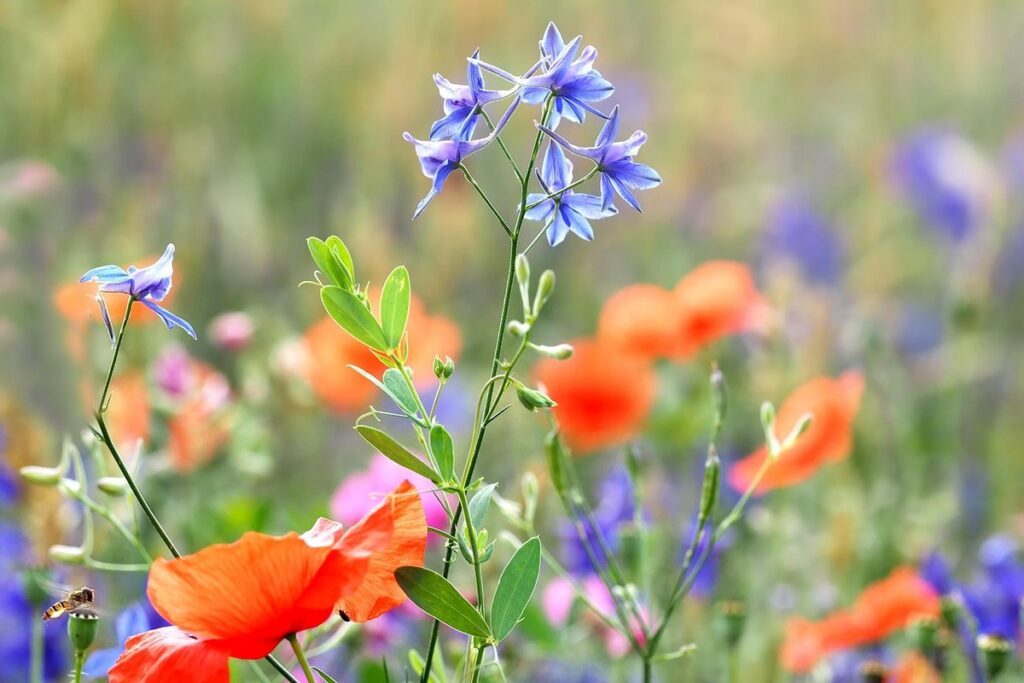
Choosing the Right Delphinium Variety
When selecting a delphinium variety, consider factors such as bloom color, plant size, and hardiness zone to ensure the best fit for your garden. This choice will greatly impact your flower’s overall performance.
Section 1.1: Understanding Delphinium Classification
To successfully grow delphiniums, it’s essential to understand their classification. There are several common types of delphiniums, each with its unique characteristics.
The grandiflorum group is known for producing large, showy flowers that can reach up to 12 inches in diameter. These varieties tend to be more vigorous and require staking to prevent them from toppling over. They also prefer well-drained soil and full sun to partial shade. On the other hand, elatum delphiniums are often used as cut flowers due to their long stems and ability to hold their blooms upright.
Other notable types include the hybrids (e.g., Pacific Giants) that offer a mix of grandiflorum and elatum traits. They typically produce large, vibrant flowers with sturdy stems. The Japanese Giant is another popular variety known for its stunning white or blue flowers and compact growth habit.
Understanding these different classifications can help you choose the right delphinium for your garden’s specific needs and climate conditions.
Section 1.2: Selecting Varieties Based on Climate and Region
When selecting delphinium varieties, it’s essential to consider their adaptability to your specific climate and region. This will ensure that your plants thrive and minimize the risk of damage from extreme temperatures.
Delphiniums have varying levels of heat tolerance, so if you live in a hot or dry climate, look for varieties that are specifically bred to withstand these conditions. These might include ‘Blue Velvet’, which is known for its ability to tolerate high temperatures without losing its vibrant blue color.
On the other hand, if you live in an area with harsh winters, choose delphiniums that are hardy in your region’s specific hardiness zone. For example, varieties like ‘Pacific Giants’ and ‘Giant Pacific’ can handle USDA zones 5-8, while others may only be suitable for warmer or cooler climates.
When researching delphinium varieties, check the plant label or consult with a local nursery to determine which ones will perform well in your specific climate.
Section 1.3: Considering Delphinium Color Options
When it comes to selecting delphinium varieties, choosing the right color is crucial to add a pop of color and vibrancy to your garden. With over 30 species and numerous hybrids available, you’ll have an extensive palette to pick from. Consider the overall aesthetic you want to achieve in your garden – do you prefer soft pastels or bold brights?
For beginners, sticking to classic colors like blue, purple, or white is a great place to start. These timeless hues complement most garden settings and are often associated with delphiniums. However, if you’re looking for something more unique, explore the various shades of pink, lavender, or even bi-colored varieties.
If you’re planting in a specific location or climate, take note that lighter colors tend to absorb less heat than darker ones. This can be particularly beneficial in warmer regions where delphiniums may be more susceptible to scorching. Some popular color options include ‘Dark Blue’ for its dramatic effect, ‘Cape Blanco’ for its bright white blooms, and ‘Blue Sensation’ for its vibrant blue hue.
Remember that while color is an essential factor, it’s not the only consideration when selecting delphinium varieties. Be sure to research the specific growing requirements of your chosen variety to ensure success in your garden.
Planting and Soil Preparation
To grow delphiniums successfully, you’ll first need to prepare the soil, ensuring it’s well-draining and rich in nutrients. This is where proper planting and soil preparation come into play.
Section 2.1: Preparing the Perfect Soil Mix
When preparing the soil mix for delphinium growth, it’s essential to create a well-draining blend that supports healthy root development and plant establishment. A good starting point is to combine 60-70% of a general-purpose potting mix or garden soil with 30-40% of organic matter such as compost, peat moss, or perlite. This ratio allows for excellent drainage while retaining moisture.
It’s also crucial to incorporate fertilizers into the mix to provide delphiniums with the necessary nutrients for optimal growth. Use a balanced fertilizer (10-10-10 NPK) and follow the manufacturer’s instructions for application rates. Consider adding a high-phosphorus fertilizer (such as 10-20-10) during planting to promote root development and early blooms.
When mixing your soil blend, be sure to avoid using garden soil that may contain weed seeds or diseases. Instead, opt for sterilized potting mix specifically designed for seed starting or propagation. This will ensure a healthy start for your delphiniums, reducing the risk of pests and diseases from the outset.
Section 2.2: Choosing the Right Location for Your Delphiniums
When it comes to choosing the right location for your delphiniums, there are several factors to consider. First and foremost, sunlight exposure is crucial for these tall, stately flowers. Delphiniums require full sun to partial shade, so select a spot that receives at least 6 hours of direct sunlight per day. Avoid planting in low-lying areas where water may collect, as this can lead to root rot.
Wind direction is also an important consideration, especially for taller varieties. Plant your delphiniums on the north or east side of your garden to protect them from harsh afternoon sun and strong winds that can cause stem breakage.
Accessibility is another key factor to consider when selecting a planting location. Make sure you can easily reach your delphiniums for watering, deadheading, and other maintenance tasks. A spot near a patio or walkway is ideal, so you can appreciate their beauty from up close. By considering these factors, you’ll be well on your way to growing thriving, healthy delphiniums in your garden.
Planting Techniques and Timing
When planting delphiniums, timing is crucial, so let’s dive into the best techniques for getting them established at the right moment in your garden. This includes choosing the perfect season to plant and preparing the soil accordingly.
Section 3.1: Sowing Seeds Indoors vs. Directly in the Garden
When it comes to sowing delphinium seeds, you have two primary options: indoors or directly in the garden. Each method has its pros and cons, which we’ll delve into below.
Sowing Seeds Indoors:
Germinating seeds indoors can provide a head start on the growing season, allowing you to transplant seedlings into the garden when the weather warms up. This method typically yields higher germination rates, often above 90%. However, indoor seedlings may be more susceptible to over-watering and require careful monitoring.
Sowing Seeds Directly in the Garden:
Direct sowing eliminates the need for transplants and can be a more straightforward approach. Delphinium seeds have an average germination rate of around 70-80% when directly sown into the garden. This method allows for more natural light exposure, which is essential for seedling development.
Consider your climate and available growing season when deciding between these methods. If you live in a region with unpredictable weather or limited frost-free days, indoor sowing may be the better choice. For those with a longer growing season, direct sowing can be an excellent option.
Section 3.2: Planting Bare-Root Delphiniums
When planting bare-root delphiniums, it’s essential to handle the roots carefully to prevent damage. Gently remove any packaging material and soak the roots in a bucket of water for about an hour before planting. This step allows the roots to rehydrate, making them more receptive to establishment.
Next, dig a hole that’s twice as wide and just as deep as the root mass. Add organic matter like compost or well-rotted manure to improve soil fertility and drainage. Gently spread out the roots in a natural position, ensuring the crown (where the stem meets the roots) is level with the surrounding soil.
When setting the depth, make sure the crown is 2-3 inches below the surface, as this will encourage new growth from below the soil line. Firm the soil around the roots to prevent settling and water thoroughly after planting. Avoid exposing the crown or roots during the first growing season by keeping a mulch layer of at least 1 inch thick. This protective barrier helps retain moisture and suppress weeds.
Watering and Fertilization
When it comes to growing healthy delphiniums, proper watering and fertilization are crucial steps that can make all the difference. In this next section, we’ll cover the best practices for these essential care routines.
Section 4.1: Understanding Delphinium Water Needs
When it comes to watering your delphiniums, understanding their specific needs is crucial for optimal growth and health. The first factor to consider is the climate you’re growing in. Delphiniums prefer well-drained soil and full sun to partial shade, but this can vary depending on the region. In hot and dry climates, they’ll require more frequent watering, while cooler and more humid climates will allow for less frequent watering.
The type of soil your delphinium is planted in also plays a significant role. If your soil drains poorly, you may need to water your plants more frequently to prevent root rot. On the other hand, if your soil is sandy or well-draining, your delphiniums can tolerate more drought. Another key consideration is plant size – young seedlings will require more frequent watering than established plants.
A good rule of thumb is to check the soil moisture by inserting a finger into the soil up to the first knuckle. If it feels dry, it’s time to water. Aim for about 1-2 inches of water per week, either from rain or irrigation.
Section 4.2: Fertilizing Delphiniums for Optimal Growth
When it comes to fertilizing delphiniums, you’ll want to choose a fertilizer that’s high in phosphorus and potassium, as these elements promote root development, flowering, and overall health. Organic options like compost or well-rotted manure are excellent choices, but if you prefer synthetic fertilizers, look for balanced formulas with a 10-20-10 NPK ratio.
Timing is everything when it comes to fertilizing delphiniums. Apply a light dressing of fertilizer in early spring, just as new growth appears, and again after flowering has finished. This will give your plants a boost during the growing season and encourage repeat blooming. You can also side-dress with a high-phosphorus fertilizer to promote root development and flowering.
Some popular fertilizers for delphiniums include bone meal, fish emulsion, and alfalfa meal. Bone meal is particularly effective at promoting flowering and can be applied in late winter or early spring. Fish emulsion is a slow-release fertilizer that provides a steady supply of nutrients over several months.
Pruning and Maintenance
Pruning and maintaining your delphiniums is crucial for their continued health and blooming success, so let’s dive into some essential tips. Regular pruning will keep them thriving all season long!
Section 5.1: Post-Bloom Pruning Techniques
When it comes to post-bloom pruning of delphiniums, timing and technique are crucial for encouraging repeat blooming and maintaining plant shape. The goal is to remove spent flowers, which can direct energy towards seed production rather than new growth. Wait until the flowers have dropped their seeds, usually around 2-3 weeks after blooming.
Pruning shears or loppers are ideal for cutting back delphinium stems to about one-third of their original height. This helps control the plant’s size and promotes a bushy habit. Remove any weak or damaged growth as you go, making clean cuts just above a leaf node to prevent disease entry points.
To maintain shape and encourage repeat blooming, pinch or cut back individual flower spikes after they’ve finished blooming. Cut the stems about 6-8 inches from the ground to allow for new growth and flowering nodes to develop. This will help keep your delphinium looking full and compact throughout the growing season.
Section 5.2: Deadheading vs. Removing Entire Stems
When it comes to encouraging repeat blooming and maintaining the health of your delphiniums, proper deadheading is crucial. Many gardeners wonder whether they should remove entire stems after flowering or simply snip off spent blooms. The answer lies in striking a balance between both approaches.
Deadheading involves removing only the faded flowers, typically up to one-third of the stem’s length. This technique encourages the plant to redirect its energy towards producing new blooms rather than seed production. However, if you’re growing delphiniums for their foliage or want to encourage more vigorous growth, removing entire stems may be necessary.
A good rule of thumb is to remove any weak or spindly stems completely, while leaving robust ones intact. This will help maintain the plant’s shape and promote healthy stem development. Remember that deadheading regularly can lead to a more prolonged blooming period, but it’s essential not to overdo it – delphiniums do need some time to set seed for reproduction.
When deciding between deadheading and removing entire stems, consider your desired outcome: repeat blooms or a more compact plant with lush foliage. By understanding the impact of these pruning methods on your delphiniums’ bloom production and overall health, you’ll be better equipped to make informed decisions about their care.
Pest and Disease Management
As a delphinium grower, you’ll inevitably encounter pests and diseases that can harm your plants. This section offers practical tips on how to prevent and treat common issues.
Section 6.1: Common Pests Affecting Delphiniums
When growing delphiniums, it’s essential to be aware of common pests that can damage these beautiful flowers. One of the most notorious pests affecting delphiniums is the aphid. These small, soft-bodied insects feed on plant sap, causing curled or distorted leaves and stunted growth. To manage aphids, use neem oil or insecticidal soap according to the product’s instructions. For severe infestations, consider introducing natural predators like ladybugs or lacewings.
Another common pest is the slug, which can chew holes in delphinium leaves and flowers. Slugs are most active at night, so inspect your plants under a garden light after dark for signs of feeding damage. To deter slugs, create a barrier using copper tape around plant stems or apply beer traps near affected areas.
It’s also crucial to monitor for other pests like spider mites, mealybugs, and caterpillars. Regularly inspecting your delphiniums will help you catch infestations early on, making it easier to implement integrated pest management strategies before the problem becomes severe. Keep in mind that a balanced ecosystem is key – introducing beneficial insects or using organic controls can often resolve pest issues without harming the environment.
Section 6.2: Identifying and Treating Fungal Diseases
When growing delphiniums, it’s essential to be aware of the potential risks associated with fungal diseases. Delphiniums are susceptible to a range of fungal infections, including powdery mildew, rust, and leaf spot. These diseases can weaken the plant, reduce flowering, and even lead to its demise if left unchecked.
To identify fungal diseases on your delphiniums, look for white or grayish patches on leaves or stems, often accompanied by a powdery or downy growth. Inspect your plants regularly, especially during periods of high humidity or excessive moisture. If you notice any signs of infection, take action promptly to prevent the disease from spreading.
To treat fungal diseases, start by removing infected areas with clean scissors or pruning shears. Improve air circulation around the plant by providing adequate spacing and ensuring good ventilation. You can also use fungicides specifically designed for delphiniums, but be sure to follow the product’s instructions carefully. In addition to these measures, maintain good gardening practices such as watering at soil level, avoiding overhead watering, and providing a balanced fertilizer regimen.
Additional Tips for a Successful Growing Season
To take your delphinium growing skills to the next level, we’ve got some additional tips and tricks up our sleeve that’ll make all the difference in a successful season.
Section 7.1: Mulching and Companion Planting Strategies
Mulching around delphiniums offers several benefits that can contribute to their overall health and well-being. For one, mulch acts as a barrier against weeds, preventing them from competing with the plant for water and nutrients. A thick layer of organic mulch, such as straw or wood chips, can also help retain moisture in the soil, reducing the need for frequent watering.
Moreover, certain types of mulch can serve as natural pest deterrents. For instance, some gardeners swear by using crushed eggshells to repel slugs and snails, which are notorious pests of delphiniums. You can also consider using diatomaceous earth or neem cake, both of which have been shown to deter a range of pests.
Companion planting is another strategy that can enhance the growth and resilience of your delphiniums. Some suitable companions include marigolds, nasturtiums, and calendula, all of which repel nematodes and other pests that target delphiniums. By incorporating these plants into your garden design, you can create a more balanced ecosystem that reduces the need for chemical pesticides.
Section 7.2: Monitoring Weather Conditions and Climate Extremes
Monitoring weather conditions is crucial to ensure your delphiniums thrive. Delphiniums are sensitive to extreme temperatures and weather fluctuations, which can cause damage or even death. To avoid this, keep an eye on local forecasts and be prepared to take action when necessary.
One way to monitor weather conditions is by checking the temperature and precipitation levels in your area. Use a weather app or website that provides accurate and up-to-date information about your region’s climate. Be aware of heatwaves, droughts, and storms that can impact your plants.
In addition to monitoring general weather conditions, it’s also essential to track climate extremes such as frost and excessive rainfall. Frost can damage or kill delphiniums if they are not protected, while excessive rainfall can lead to root rot and other problems. Use a thermometer and a rain gauge to monitor these extreme weather events.
If you notice that your area is experiencing prolonged dry spells or heatwaves, make sure to water your delphiniums deeply but infrequently to encourage deep root growth. This will help them withstand drought conditions better.
Frequently Asked Questions
How often should I water my delphiniums during a dry spell?
Water your delphiniums deeply but infrequently to encourage deep root growth, especially during hot or dry weather. Check the soil moisture by inserting your finger into the soil up to the first knuckle; if it feels dry, it’s time to water.
Can I grow multiple varieties of delphiniums together in a single bed?
Yes, you can combine different delphinium varieties in the same bed as long as they have similar growing conditions and requirements. This is known as “companion planting,” and it can add visual interest and diversity to your garden. Just be sure to choose varieties that won’t compete for resources.
What’s the best way to control powdery mildew on my delphiniums?
To manage powdery mildew, improve air circulation around your plants by pruning nearby foliage or removing weeds. Apply a fungicide specifically designed for powdery mildew and ensure good sanitation practices when handling the affected areas.
How do I know if my delphinium seeds have sprouted successfully indoors?
Check for signs of germination, such as visible roots or seedling growth, typically 1-3 weeks after sowing. Keep the soil consistently moist but not waterlogged, and maintain a temperature between 65-75°F (18-24°C).
Can I grow delphiniums in containers if I have limited garden space?
Yes, you can successfully grow delphiniums in containers, provided they have sufficient root depth and support for the plant’s height. Use a large container with good drainage, fill it with well-draining potting mix, and water regularly to prevent overwatering.